
 Save 15% on your 1st Autoship learn more

 Email us
 Live Chat
 FAQs
FAQs





Introduction
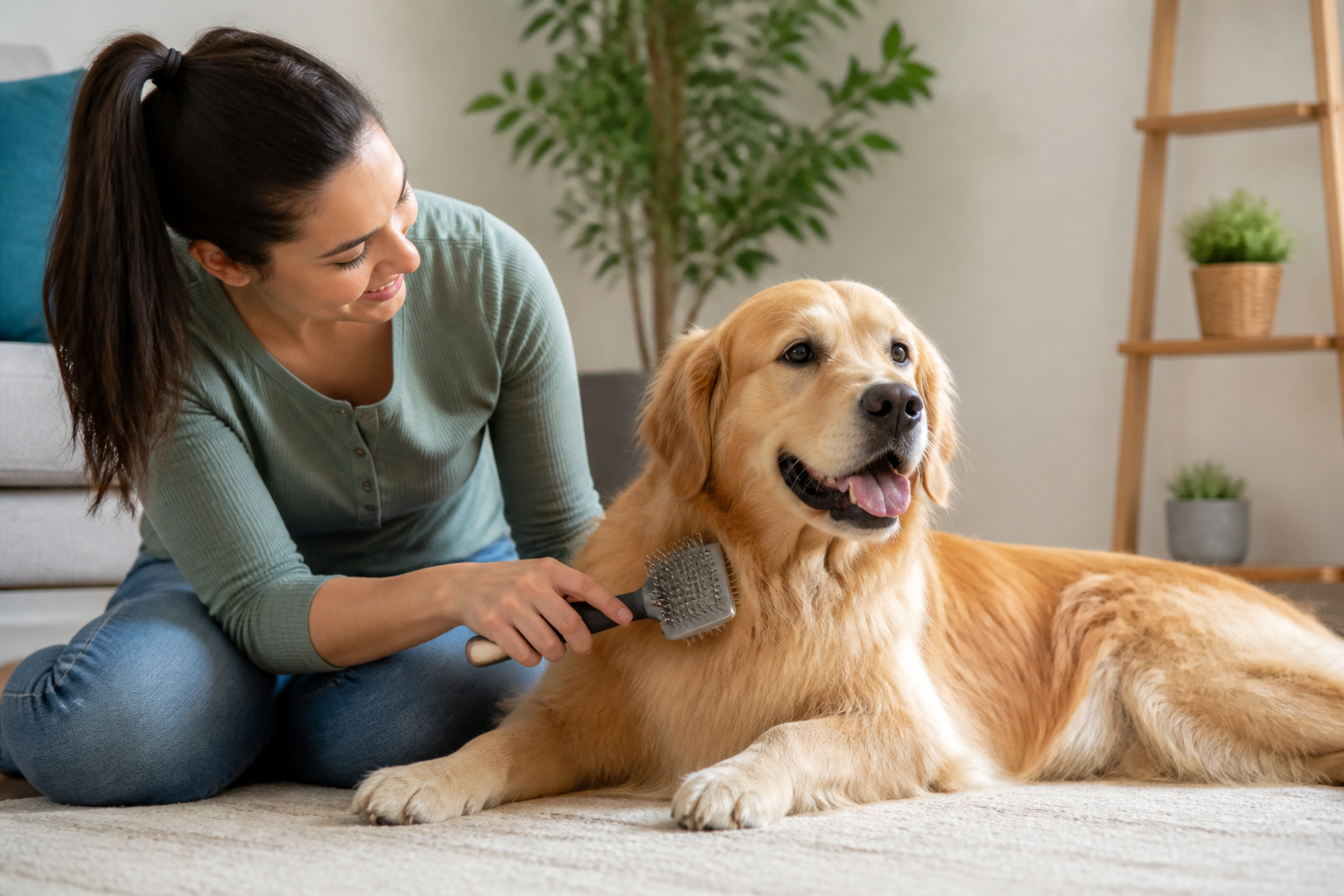
Finding a clump of fur under the sofa or a stubborn mat behind your dog’s ear is a familiar moment for most owners. You want your dog to feel comfortable and look great, but knowing exactly how often to pick up the brush can be confusing. Some dogs seem to stay tidy with very little help. Others seem to develop tangles if you look at them the wrong way. At BaxterBoo, we see every kind of coat imaginable come through our warehouse and shop. We know that grooming is more than just a beauty routine. It is a vital part of your dog’s health and a great way to bond. This guide explains how often you should brush your dog based on their specific coat type and lifestyle.
Why Regular Brushing Matters
Brushing is the foundation of good hygiene for any dog. It does much more than just removing loose hair. When you brush your dog, you distribute natural skin oils across the hair shaft. This process keeps the coat shiny and helps protect the skin from irritation. It also allows you to check for hidden issues like lumps, bumps, or parasites. For additional grooming supplies, explore our dog grooming collection.
Regular sessions help reduce the amount of fur that ends up on your clothes and furniture. For many dogs, brushing is a relaxing experience that mimics the social grooming they do in the wild. If you start early and keep the sessions positive, it becomes a highlight of their day.
Quick Answer: Most dogs benefit from being brushed at least two to three times a week. However, long-haired breeds or those with thick double coats may require daily attention to prevent painful mats and tangles.
Brushing Frequency for Smooth and Short Coats
Short-haired dogs like Boxers, Chihuahuas, and Great Danes are often considered low maintenance. While they do not get tangles, they still shed. Brushing these dogs once a week is usually enough to keep their skin healthy.
You should use a rubber grooming mitt or a soft bristle brush for these breeds. These tools are gentle on the skin and effective at grabbing loose, dead hair. Even though their hair is short, they still produce dander and oils. Weekly brushing helps remove that dander and keeps their coat feeling smooth. You can compare options in our dog brushes and combs section.
Benefits for Short Coats
- Removes loose hair before it falls on your carpet.
- Stimulates blood flow to the skin.
- Distributes oils for a natural shine.
- Offers a chance to check for ticks or skin redness.
Caring for Short and Dense Fur
Some dogs have short hair that is very thick and dense. Labradors and Pugs are classic examples. These breeds are notorious for shedding more than you might expect. Because their fur is so dense, the loose hairs can get trapped against the skin.
For these dogs, brushing two to three times a week is ideal. During heavy shedding seasons in the spring and fall, you might want to increase this to every other day. A slicker brush or a de-shedding tool works well to reach through the dense topcoat and pull out the loose undercoat.
Bottom line: Dense-coated dogs shed frequently and need brushing every few days to manage the volume of loose fur.
Managing Double-Coated Breeds
Double-coated dogs have a soft, insulating undercoat and a tougher outer layer. This group includes Huskies, German Shepherds, and Golden Retrievers. These dogs require a bit more commitment than short-haired breeds.
You should aim to brush a double-coated dog at least three times a week. During the "blow out" seasons when they lose their undercoat, daily brushing is almost a necessity. If you skip too many days, the undercoat can become compacted. This prevents air from reaching the skin and can lead to hot spots or infections. For more seasonal shedding guidance, read how Australian Shepherds shed.
Recommended Steps for Double Coats
Step 1: Use an undercoat rake to reach the deep layers of fur.
Step 2: Move the rake in the direction of hair growth to pull out loose fluff.
Step 3: Follow up with a slicker brush to smooth the topcoat.
Step 4: Use a standard comb to check for small tangles in high-friction areas like the armpits.
Vet Tip: If you notice your dog is scratching excessively or has red patches under a thick coat, consult your veterinarian. These can be signs of skin allergies or trapped moisture that may require professional treatment or prescription topical aids.
Long and Silky Coat Maintenance
Dogs with long, flowing hair like Yorkshire Terriers, Collies, and Afghan Hounds have the highest grooming needs. Their hair is very fine and can tangle easily during normal play or walks. If left alone, these tangles quickly turn into mats that pull on the skin.
You should brush long-haired dogs every day. Even a quick five-minute session can prevent mats from forming. Focus on areas where the hair rubs together, such as behind the ears and under the legs. If you find a mat, do not try to pull it out with a brush. This causes pain and can make your dog fear grooming. Instead, gently tease it apart with your fingers or a specialized detangling tool.
Key Takeaway: Daily brushing is essential for long-haired breeds to prevent painful matting and keep the coat manageable.
Curly and Wire-Haired Dogs
Poodles, Bichon Frises, and many "Doodle" mixes have curly hair that does not shed in the traditional way. Instead of falling out, the dead hair gets caught in the curls. This makes them appear like they do not shed, but it also means they are very prone to matting.
Wire-haired breeds like Airedale Terriers have a different challenge. Their coat is stiff and can become brittle if not cared for. Both curly and wire-haired dogs should be brushed at least three to four times a week. Many owners prefer to do a full brush-out every day to keep the curls from becoming a solid mass.
Signs of Matting in Curly Coats
- The brush gets stuck frequently in the same spots.
- You feel hard clumps of fur near the skin.
- The hair looks "felted" rather than defined.
- Your dog flinches when you touch certain areas of their coat.
Factors That Change Your Brushing Schedule
The general rules for coat types are a great starting point, but other factors play a role. Your dog’s lifestyle and the current weather can change how much help they need.
Seasonal Changes
Most dogs shed more during the change of seasons. In the spring, they lose their heavy winter coat. In the fall, they prep for new growth. You will likely need to double your brushing frequency during these times.
Activity Level
If your dog loves hiking through tall grass or swimming in the lake, they will need more frequent brushing. Burrs, seeds, and mud can get trapped in the fur. Brushing after every outdoor adventure helps remove these irritants before they cause skin problems.
Age and Health
Senior dogs may stop grooming themselves as effectively as they once did. They might also develop thinning hair or skin that is more sensitive. You may need to brush more often but use much softer tools. Similarly, dogs with skin allergies might need frequent brushing to remove environmental allergens like pollen from their fur.
Checking for Health Issues During Brushing
Brushing is the perfect time to perform a "home health check." Because you are moving the fur aside, you can see the skin clearly. We recommend making this a habit every time you sit down to groom.
Look for any redness, rashes, or dry, flaky patches. Keep an eye out for external parasites like fleas or ticks. Fleas often leave behind "flea dirt," which looks like small black specks of pepper. If you see these signs, it is time to look at prevention and treatment options. Our flea and tick collection offers products for helping manage common external parasites.
Vet Tip: Always consult your veterinarian if you find unusual lumps, persistent skin redness, or signs of parasites. They can provide a proper diagnosis and recommend the right prescription treatments or medicated shampoos for your dog's specific needs.
Training Your Dog to Enjoy Brushing
Not every dog starts out loving the brush. If your dog is nervous, you have to move slowly. Start with very short sessions of just one or two minutes. Use plenty of praise and high-value treats to create a positive association.
Begin by letting your dog sniff the brush. Then, gently touch them with the back of the brush before actually using the bristles. Gradually work your way up to longer sessions. If your dog becomes stressed, stop the session and try again later. It is better to have many short, happy sessions than one long, stressful one.
- Keep treats nearby to reward calm behavior.
- Start with the areas they like being touched most, like the back or chest.
- Avoid sensitive areas like the paws and tail until they are comfortable.
- Use a calm, soothing voice throughout the process.
Essential Brushing Tools
Using the right tool makes the job easier for you and more comfortable for your dog. You do not need every tool on the market, but a few basics are helpful. A Master Grooming Tools Ergonomic Slicker Dog and Cat Brush can be one option for working through loose hair and tangles.
- Slicker Brush: These have fine wire bristles and are great for removing tangles and loose hair in most coat types.
- Bristle Brush: Best for short-haired dogs or as a finishing tool to add shine.
- Rubber Curry Brush: Ideal for short coats to massage the skin and pull away loose fur.
- Undercoat Rake: A must-have for double-coated breeds to reach the thick under-layer.
- Stainless Steel Comb: Perfect for checking your work and finding small mats you might have missed.
Key Takeaway: Matching the tool to your dog's coat type reduces grooming time and prevents skin irritation.
When to Seek Professional Help
While home brushing is vital, some coats are best handled by a professional. If your dog is severely matted, do not try to cut the mats out with scissors. Dog skin is very thin and easy to cut. A professional groomer has the tools to safely remove mats.
Additionally, some breeds require regular professional trims to stay healthy. This includes Poodles, Doodles, and certain Terriers. A groomer can also help with tasks like ear cleaning and nail trimming if you are not comfortable doing them at home. Brushing your dog regularly between professional visits makes the groomer's job much easier and keeps your dog's coat in top shape.
Using Brushing to Manage Allergies
If your dog suffers from seasonal allergies, brushing can be a powerful tool. When dogs go outside, their fur acts like a magnet for pollen, dust, and mold spores. These allergens sit on the hair and eventually work their way down to the skin, causing itching and discomfort.
By brushing your dog after they come inside, you can remove a large portion of these irritants. For dogs with severe skin sensitivities, a daily brush-out followed by a wipe-down with a damp cloth can provide significant relief.
Bottom line: Brushing is a simple, non-medical way to help manage environmental allergies by removing irritants from the coat.
Conclusion
Brushing your dog is a fundamental part of responsible pet ownership. Whether you have a short-haired Chihuahua or a fluffy Golden Retriever, a consistent routine prevents mats, reduces shedding, and keeps the skin healthy. By tailoring your frequency to your dog's coat type, you ensure they stay comfortable in every season. We carry a wide variety of grooming supplies for dogs to help you maintain your dog's coat between professional visits. If you notice your dog's skin needs extra medical attention, remember that our pet pharmacy provides access to prescription pet medications.
- Brush short coats once a week.
- Brush double coats three times a week or more.
- Brush long or curly coats daily.
- Always check for skin issues and parasites during the process.
Key Takeaway: Consistency is the most important factor in grooming. A few minutes of brushing several times a week prevents major coat issues and supports long-term health.
FAQ
Can I brush my dog too much?
It is rare to brush a dog too much, provided you are using the correct tools. If you use a brush with stiff bristles or a de-shedding tool too vigorously, you can cause "brush burn," which is skin irritation. Always use a gentle hand and stop if the skin looks red or if your dog seems uncomfortable.
What should I do if my dog hates being brushed?
If your dog dislikes grooming, go back to basics with very short sessions and lots of rewards. You can also try using a licking mat smeared with peanut butter to distract them while you work. If the aversion is severe, a professional trainer or groomer can help you desensitize them to the process.
Does brushing help with dog odor?
Yes, regular brushing can significantly reduce doggy odors. Odor is often caused by a buildup of old oils, trapped moisture, and bacteria in the fur. By removing dead hair and distributing fresh oils, you keep the coat cleaner and fresher for longer periods between baths. For related bathing guidance, read these tips for bathing your dog.
Is it okay to brush my dog when their coat is wet?
It is usually best to brush your dog before a bath or once they are completely dry. Wet hair is more elastic and prone to breakage. Additionally, if your dog has mats, getting them wet can actually cause the mats to tighten, making them much harder to remove safely.






