
 Save 15% on your 1st Autoship learn more

 Email us
 Live Chat
 FAQs
FAQs





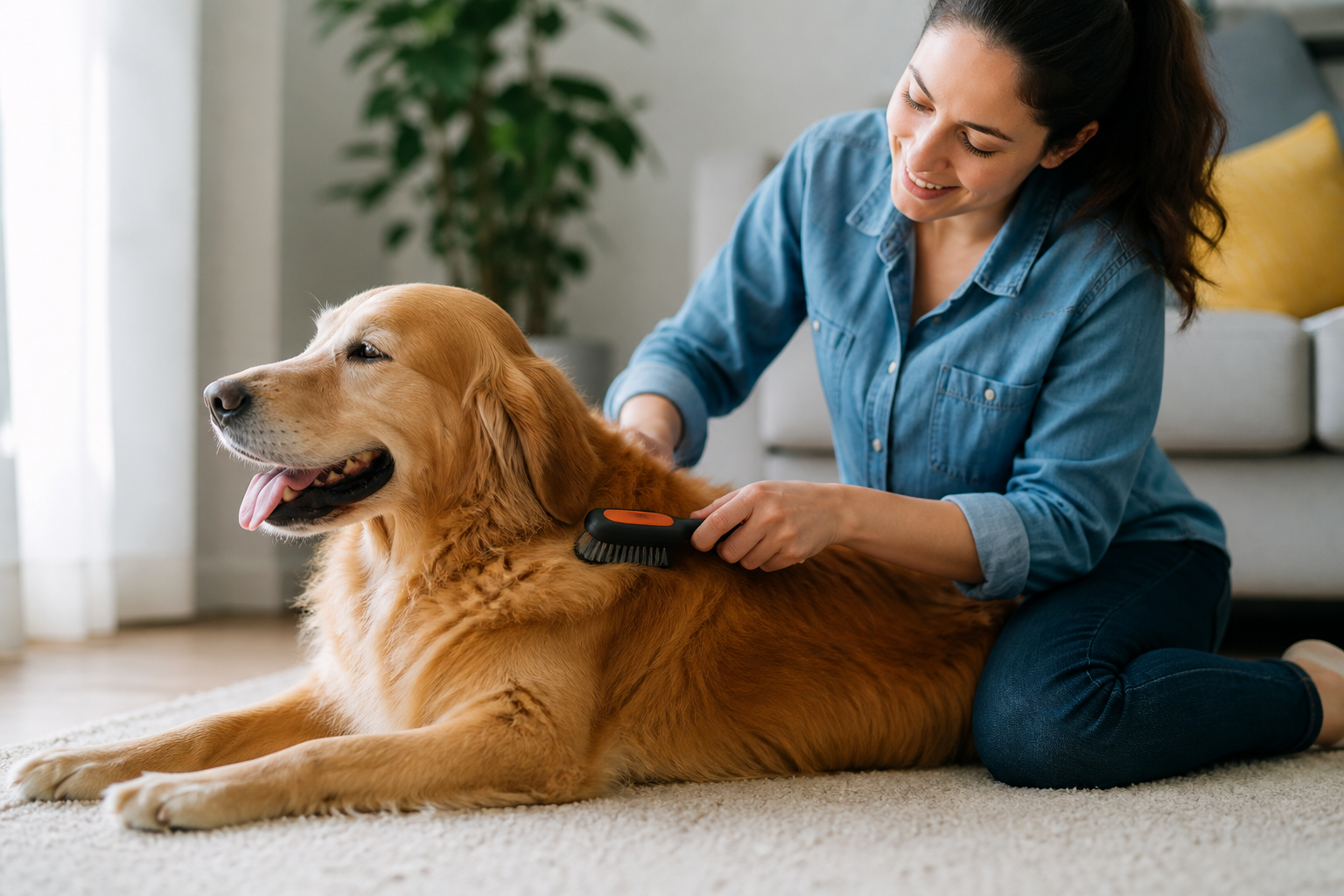
Introduction
You might notice a few extra "tumbleweeds" of fur rolling across your hardwood floors or a slightly musky scent when your dog leans against your leg. These are the small signals that it is time for some coat maintenance. Many owners wonder if they should reach for the shampoo or the brush first. While a bath solves the smell, brushing is the real workhorse of pet hygiene. At BaxterBoo, we have helped thousands of owners find the right balance between deep cleaning and daily maintenance since 2006. The frequency of your brushing routine depends almost entirely on your dog's specific coat type and lifestyle. This guide will help you determine the best schedule to keep your dog comfortable and your furniture fur-free.
Quick Answer: Most dogs benefit from brushing two to three times per week. Long-haired or curly-coated breeds often require daily attention to prevent mats, while short-haired dogs can often go a week between sessions.
The Connection Between Brushing and Bathing
Bathing and brushing are two separate tools in your grooming kit. A bath is designed to remove heavy dirt, allergens, and odors that have trapped themselves in the fur. Brushing is the process of removing dead hair before it falls out and distributing natural skin oils. If you skip brushing and go straight to the bath, you might actually make things worse.
When loose hair stays on your dog, it can tangle into mats. If those mats get wet during a bath, they often tighten. This creates a painful knot against the skin that is almost impossible to brush out once it dries. We always recommend a thorough brushing session before any water touches your dog's coat. This ensures the shampoo can actually reach the skin to do its job. For more bath-time guidance, read our guide to the dos and don'ts for bathing your dog.
Key Takeaway: Brushing is a daily or weekly maintenance task, while bathing should only happen every few weeks or months.
Frequency Guide for Short-Haired Breeds
Short-haired dogs like Beagles, Boxers, and Labradors often seem like they do not need much grooming. However, these breeds can be some of the heaviest shedders. Their hair is short, but it has a rapid growth cycle. This means dead hair is constantly falling out.
For these dogs, brushing once or twice a week is usually sufficient. During the spring and fall, you may want to increase this to three times a week. Using a rubber grooming tool like a Kong ZoomGroom can help pull that loose hair away while massaging the skin. This frequency keeps the coat shiny by moving the skin's natural oils from the base of the hair to the tips.
- Brush once a week for maintenance.
- Increase to twice a week during heavy shedding seasons.
- Use a rubber curry brush or a firm bristle brush.
- Check for skin irritations or dry patches during each session.
Managing Long-Haired and Silky Coats
Breeds with long, flowing hair like Yorkies, Collies, or Afghan Hounds require a much more rigorous schedule. Their hair behaves more like human hair and continues to grow. Without frequent intervention, it will tangle and form mats behind the ears, under the legs, and along the belly.
You should aim to brush these dogs every single day. Even a quick five-minute session can prevent a massive grooming headache later. If you find that you cannot commit to daily brushing, your dog may need a shorter haircut to keep them comfortable. Daily brushing between baths keeps the hair from dragging in the dirt and picking up burrs or debris from the yard. Explore our dog grooming supplies for brushes, combs, shampoos, and other coat-care essentials.
Vet Tip: If you notice your dog’s skin is red or they are scratching more than usual during brushing, consult your veterinarian. Our pharmacy offers medicated shampoos and topical treatments if your vet prescribes a specific skin care regimen.
The Unique Needs of Curly and Wire Coats
Poodles, Doodles, and many Terriers have coats that do not shed in the traditional sense. Instead of falling out onto your floor, the dead hair gets trapped within the curls or the coarse outer coat. This is why these dogs are often called hypoallergenic, but it also means they are extremely prone to matting.
For curly coats, brushing every other day is the minimum requirement. You need to use a slicker brush and a metal comb to ensure you are reaching all the way to the skin. If you only brush the top layer, mats will form underneath and can cause skin infections. Wire-haired breeds like Schnauzers or Airedales should be brushed two to three times a week to keep the coat from becoming a tangled mess. For additional guidance, see our article on how to groom a dog with curly hair.
Double-Coated Dogs and the Undercoat Rake
Huskies, German Shepherds, and Golden Retrievers have a dense undercoat protected by a tougher outer coat. These dogs "blow" their coats twice a year, which means the undercoat comes out in large clumps. During these times, you may need to brush them every day to keep up with the volume of fur.
During the rest of the year, brushing two to three times a week is enough. You must use an undercoat rake to reach through the top layer. If the undercoat becomes compacted, it prevents air from reaching the skin. This can lead to hot spots or overheating in the summer. Regular brushing keeps that insulating layer functional and clean.
Step 1: Start at the head and work toward the tail. / This follows the natural growth of the hair.
Step 2: Use an undercoat rake for the thickest areas. / Focus on the neck, haunches, and tail.
Step 3: Follow up with a slicker brush. / This picks up the loose hair the rake left behind.
Seasonal Shifts in Grooming Needs
Your brushing schedule will likely change with the weather. In the winter, the air is dry, and your dog's skin may become flakey. Brushing helps stimulate the production of oils that protect the skin from the cold. However, you should be careful not to over-brush, which can sometimes irritate dry skin.
In the summer, dogs spend more time outdoors. They bring in grass, seeds, and pests. Brushing after every long walk is a great habit. It allows you to find ticks or fleas before they have a chance to settle in. We recommend keeping a set of grooming wipes by the door for quick paw and belly cleans between your deeper brushing sessions. Browse our dog grooming tools for brushes, combs, wipes, and other helpful supplies.
Bottom line: Adjust your frequency based on how much time your dog spends outside and the current shedding cycle.
Tools That Make the Job Easier
Using the wrong brush is the most common reason owners give up on grooming. A brush that is too sharp will hurt the dog, and one that is too soft won't do the work. We carry over 500 brands at us, and we carefully select grooming tools that are effective and comfortable for both the pet and the owner.
For most households, a slicker brush and a stainless steel comb are the two essential items. The slicker brush handles the bulk of the coat, while the comb checks your work. If the comb can't pass through a section of hair, you have a hidden mat that needs attention. Brands like RC Pets and Kong offer durable options that stand up to years of use.
The Health Benefits of Frequent Brushing
Brushing is about much more than just looking good. It is a vital part of your dog's health screenings. When you brush your dog a few times a week, you become very familiar with their body. You will be the first person to notice a new lump, a sensitive joint, or a patch of thinning hair.
Early detection of these issues is key. If you find a strange growth or a persistent skin rash, it is important to visit your vet. If they prescribe a treatment for a chronic condition or an allergy, our pet pharmacy is here to help with prescribed medications. Regular brushing sessions also lower stress levels for many dogs, acting as a bonding time between the two of you.
- Increases blood flow to the skin.
- Distributes natural oils for a waterproof coat.
- Removes allergens like pollen and dust.
- Helps monitor for weight changes or muscle loss.
Brushing Your Senior Dog
As dogs age, their skin often becomes thinner and less elastic. They may also develop arthritis, making it uncomfortable for them to stand for long grooming sessions. You should switch to a softer brush, such as a natural bristle brush, for a senior pet.
Keep the sessions short. Instead of one long session, try three minutes of brushing in the morning and three in the evening. This prevents them from getting stiff or tired. Senior dogs also tend to groom themselves less effectively, so they rely on us to keep their sanitary areas clean and their coat manageable.
Key Takeaway: Senior dogs need gentle, frequent sessions rather than infrequent, intense grooming.
Transitioning a Puppy to a Brushing Routine
Puppies are often wiggly and view a brush as a new chew toy. The goal for a puppy is not necessarily to remove hair, but to get them used to the sensation. Start by letting them sniff the brush and giving them a small treat.
Run the back of the brush over their fur first. Once they are calm, switch to the bristles. Keep sessions to under sixty seconds at first. If you make brushing a positive experience early on, they will be much easier to handle when they are full-grown adults. Our Autoship program is a great way to ensure you always have a steady supply of treats on hand to reward them for good behavior during these early training sessions.
Dealing With Mats Without a Bath
If you find a mat while brushing, do not reach for the scissors immediately. Cutting mats out can result in accidental skin nips, as the skin is often pulled up into the knot. Instead, use a detangling spray and your fingers to gently pull the hair apart.
Work from the outside of the mat toward the center. Use a metal comb to slowly pick through the hair. If the mat is too close to the skin or covers a large area, it is safer to have a professional groomer or your vet remove it with electric clippers. Never try to wash a mat out, as the drying process will only make it tighter and more painful for your dog.
Signs You Are Brushing Too Much or Too Little
It is possible to overdo it. If your dog's skin looks pink or irritated after a session, you might be applying too much pressure or using a brush that is too abrasive. This is often called "brush burn." Always use a light hand and let the tool do the work.
On the other hand, if you see white flakes on the coat or the hair looks dull and greasy, you probably aren't brushing enough. Those flakes are often dead skin cells that should have been brushed away. A greasy coat means the oils are sitting at the skin level and haven't been distributed. Increasing your frequency by just one day a week can often solve these issues.
Using Grooming Wipes and Sprays Between Baths
If your dog starts to smell but isn't due for a bath, grooming wipes are your best friend. They are perfect for cleaning muddy paws or wiping down the coat after a walk. They remove surface dirt and allergens without stripping the skin of its natural protective barrier.
Conditioning sprays are also useful. They help the brush glide through the hair, reducing breakage and static. Many sprays also contain ingredients that help neutralize odors. These products allow you to stretch the time between baths to the recommended 6 to 12 weeks for most breeds, keeping the skin's pH balance healthy.
Bottom line: Wipes and sprays are supplements to brushing, not replacements for it.
Conclusion
Setting a consistent brushing schedule is one of the simplest ways to improve your dog's quality of life. Whether you have a short-haired Beagle that needs a weekly once-over or a Poodle that requires daily care, the time spent grooming is never wasted. It keeps your home cleaner, reduces the risk of skin infections, and gives you a dedicated time to check on your dog's overall wellness. We have spent years curating the best grooming supplies to make this process easier for you. If your dog's coat health requires more than just a brush, such as medicated shampoos or supplements, our pharmacy and health collections are ready to support your needs. For the best value on your regular grooming supplies, consider joining the MVP Rewards program to earn back on every purchase.
FAQ
Can I use a human hairbrush on my dog?
It is generally not recommended to use human brushes on dogs. Dog brushes are designed to penetrate specific fur textures and reach the undercoat without scratching the animal's skin. Human brushes often have bristles that are too soft to be effective or tips that can cause irritation to a dog's sensitive dermis.
Should I brush my dog when their coat is wet?
You should avoid brushing most dogs while they are wet unless they have a very specific coat type that requires it, like certain curly breeds. Hair is weaker when wet and more prone to stretching and breaking. It is best to brush thoroughly before the bath and then again once the coat is completely dry.
How do I know if my dog has a double coat?
A double-coated dog has a soft, downy undercoat close to the skin and a coarser outer layer of "guard hairs." If you part the fur and see a dense, woolly layer underneath that looks different from the top hair, your dog has a double coat. Breeds like Labradors, Huskies, and Golden Retrievers are classic examples.
My dog hates being brushed. What should I do?
Start with very short sessions and use high-value treats to create a positive association. Focus on one small area, like the back, before moving to more sensitive spots like the belly or legs. Using a soft grooming mitt instead of a traditional brush can also help sensitive dogs get used to the sensation of being groomed.






