
 Save 15% on your 1st Autoship learn more

 Email us
 Live Chat
 FAQs
FAQs





Introduction
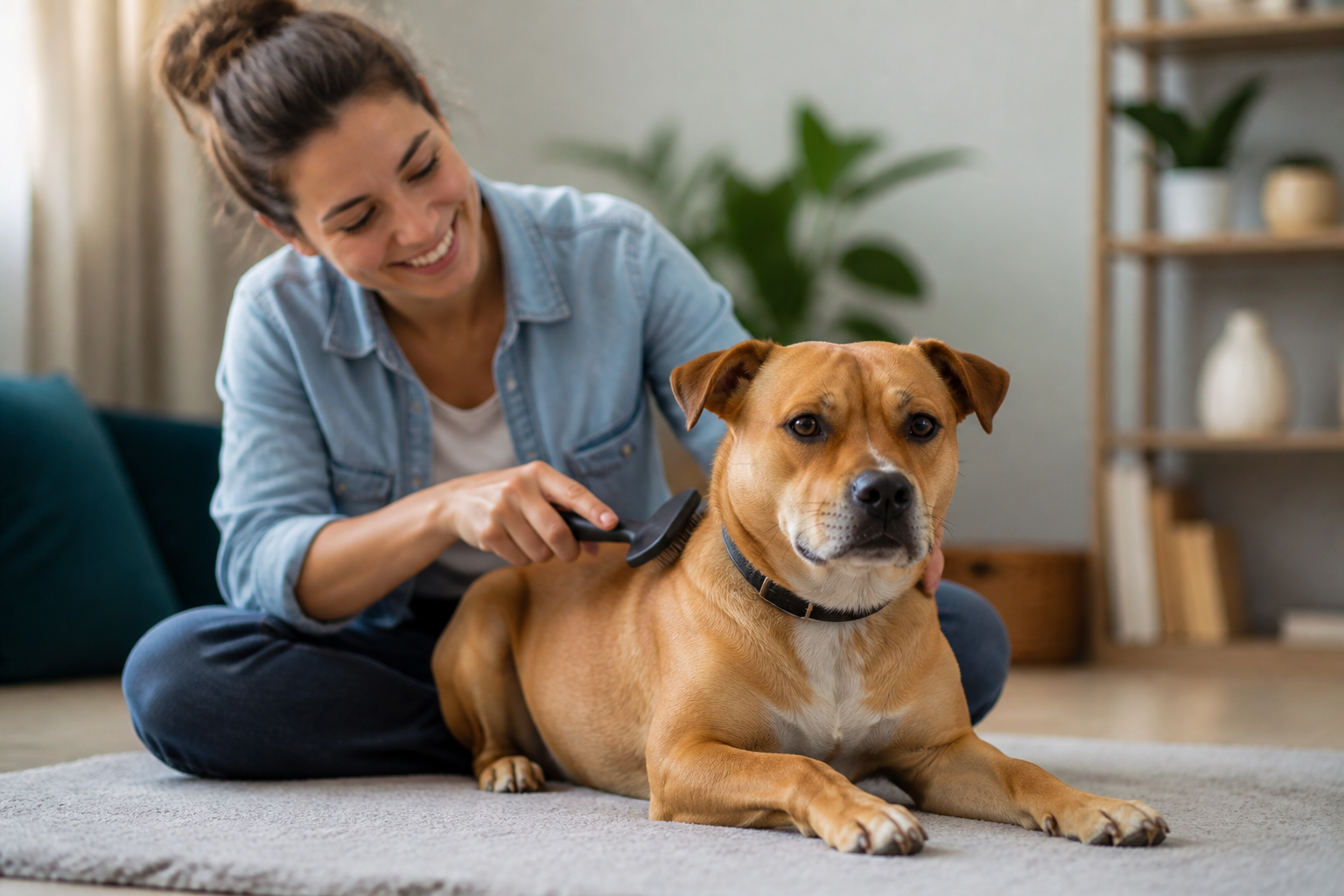
You might notice a fine layer of velvet-like fur on your black leggings after a quick cuddle. Even though your dog does not have long, flowing locks, those tiny hairs seem to get everywhere. Many owners assume that a short coat means no maintenance. At BaxterBoo, we hear this common misconception quite often from new pet parents. While short-haired breeds do not get tangles or mats, they still require a consistent routine to manage shedding and keep their skin healthy. This post covers the ideal brushing frequency for various short coat types, the best tools for the job, and how to spot skin issues during your sessions. Brushing is one of the simplest ways to bond with your pet while keeping your home much cleaner.
Understanding the Short Coat
Not all short hair is created equal. Some dogs have a single layer of fur that feels smooth and lies flat against the skin. Others have a dense double coat with a soft undercoat tucked beneath a coarser top layer. This difference completely changes how much hair ends up on your furniture.
Single-coated breeds like Boxers, Weimaraners, and Greyhounds have very little insulation. Their hair grows to a certain length and then falls out. Because they lack an undercoat, they generally shed less than other breeds. However, their skin is more exposed to the elements. Brushing for these dogs is less about removing massive clumps of fur and more about skin health.
Double-coated short-haired dogs are a different story. Labrador Retrievers, Beagles, and Corgis are famous for their "coat blows." They have a thick layer of fuzzy hair underneath their topcoat. This undercoat sheds constantly. If you do not brush these dogs regularly, the dead hair gets trapped against the skin. This can cause itching and a lingering doggy odor.
Quick Answer: Most short-haired dogs should be brushed two to three times per week. Dogs with thick undercoats or those prone to heavy shedding may need daily brushing during the spring and fall.
The Ideal Brushing Frequency
For most short-haired dogs, a schedule of two to three times per week is the sweet spot. This frequency is enough to catch loose hairs before they hit your carpet. It also ensures that natural skin oils are distributed regularly. If you wait longer than a week, those oils can build up and make the coat feel greasy or smell a bit funky.
Seasonal changes play a big role in your routine. When the weather shifts in the spring, dogs often lose their heavy winter undercoat. You might find that your three-times-a-week routine is suddenly not enough. During these peak shedding weeks, daily brushing is highly recommended. It keeps the hair in the brush rather than on your floor. For more seasonal shedding ideas, read about how dogs shed during coat-blowing seasons.
If your dog has very sensitive skin or a very thin coat, you might stick to twice a week. Over-brushing a dog with very thin hair can sometimes cause skin irritation. You want to stimulate the skin without scratching it. Always watch for redness or signs that your dog is uncomfortable during the process.
Why Brushing Matters for Short Hair
Brushing is more than just a cleaning task. It serves as a mini-health check. When you run your hands and a brush over your dog, you notice things that are hidden by their fur. You might find a new lump, a small tick, or a patch of dry skin that needs attention. Early detection of these issues is vital for your dog's long-term health.
The process also stimulates blood flow to the skin surface. This encourages healthy hair growth and keeps the skin supple. Short-haired dogs are prone to dry skin, especially in the winter when indoor heating is high. Brushing helps move the sebum, which is the natural oil your dog produces, from the base of the hair to the tips. This creates a natural waterproof barrier and a beautiful shine. You can also browse our dog skin and coat care collection for products that complement a regular grooming routine.
Key Takeaway: Regular brushing reduces indoor allergens by removing dander and loose hair before it spreads through your home.
Essential Tools for Short-Haired Dogs
Using the wrong brush is a common mistake. A pin brush or a standard human hairbrush will not do much for a short-haired dog. The bristles are often too long and can actually scratch the skin. You need tools designed to grab short, stiff hairs. Our dog brushes and combs collection includes grooming tools for different coat types.
Rubber Curry Brushes
The rubber curry brush is the gold standard for short-haired dogs. These brushes have soft rubber nubs that act like a magnet for loose hair. When you move the brush in a circular motion, the nubs massage the skin and pull the dead hair to the surface. It is very gentle and most dogs find the sensation relaxing. It feels more like a massage than a grooming session.
Bristle Brushes
A soft bristle brush is perfect for finishing the job. It does not remove much hair, but it is excellent for polishing the coat. The fine bristles pick up surface dust and dander. They are also the best tool for distributing oils. If you want that "show dog" shine, a bristle brush is your best friend.
Grooming Gloves
If your dog is nervous about traditional brushes, grooming gloves are a fantastic alternative. These are mitts with rubber nodules on the palms. You simply pet your dog as you normally would. The hair sticks to the glove, and you can peel it off in a sheet when you are done. This is often the best choice for puppies who are still learning to sit still.
De-Shedding Tools
For dogs with a thick undercoat, a dedicated de-shedding tool is necessary. The Warren London Short Hair De-Shedding Pet Brush has a fine-toothed metal edge that reaches beneath the topcoat. It pulls out loose undercoat without cutting the fur. Use de-shedding tools sparingly, perhaps once a week, to avoid irritating the skin.
Vet Tip: If you notice your dog has persistent itchy skin, red bumps, or hair loss, brushing alone may not be enough. Consult your veterinarian to rule out allergies or infections. Our pet pharmacy can help with prescription treatments recommended by your veterinarian.
How to Brush a Short-Haired Dog Properly
The technique for brushing a short-haired dog is slightly different than for long-haired breeds. You do not have to worry about detangling, so you can focus on the skin and the undercoat. Following a consistent pattern ensures you do not miss any spots.
Step 1: Start at the neck and work your way toward the tail. Always move in the direction of hair growth.
Step 2: Use a rubber curry brush in small, circular motions. This lifts the dirt and hair to the surface.
Step 3: Pay extra attention to the areas where the coat is thickest, such as the shoulders and the base of the tail.
Step 4: Use a damp cloth or a soft bristle brush to wipe away the loose hair you have lifted.
Step 5: Finish with a quick pass over the legs and chest. These areas have thinner skin, so use a very light touch.
Bottom line: Using a circular motion with a rubber brush is the most effective way to lift stubborn dead hair from a short coat.
Managing Heavy Shedding Seasons
Even the shortest hair can create a big mess during the spring and fall. This is when the "coat blow" happens. During these times, you may feel like you are losing the battle against the fur. The key is to increase your frequency and use the right combination of tools.
During heavy shedding, we recommend a two-step process. First, use a de-shedding tool to remove the bulk of the loose undercoat. Follow this with a rubber brush to catch the smaller hairs the tool might have missed. If you do this daily for about two weeks, you will see a massive reduction in the hair on your floors.
Keeping your dog hydrated also helps during this time. Dry skin leads to more brittle hair, which breaks and falls out more easily. You can also look into omega-3 supplements to support coat health from the inside out. Our skin and coat supplement collection includes options from brands like Zesty Paws and Honest Paws.
Bathing and Brushing
Bathing and brushing go hand in hand. You should always brush your dog before they get into the tub. Getting loose hair wet makes it much harder to remove. It can also clog your drain and lead to a messy cleanup. A thorough pre-bath brushing removes the "dead" weight from the coat.
During the bath, you can use a rubber curry brush to work the shampoo into the coat. This helps the cleaning agents reach the skin. It also loosens even more hair. Many owners are surprised by how much hair comes off during a sudsy massage. After the bath, once the dog is completely dry, do one more quick brushing. This removes any hair that was loosened by the water. Find shampoos, brushes, and other supplies in our dog grooming collection.
Signs of Skin Issues During Brushing
Because you are in close contact with your dog's skin, you are the first line of defense against health issues. While you brush, keep an eye out for anything unusual. Healthy skin should be pink or black (depending on their pigment) and free of flakes.
Watch for these red flags:
- Excessive flaking or "dandruff"
- Red, inflamed patches of skin
- Sores or scabs that do not heal
- Bald spots or areas where the hair is thinning significantly
- A strong, yeasty odor that remains after a bath
- Presence of fleas, ticks, or flea dirt (which looks like black pepper)
If you find any of these, it is time for a vet visit. Often, skin issues are tied to environmental allergies or food sensitivities. Our dog pharmacy can help fulfill prescriptions for medicated shampoos or allergy medications prescribed by your veterinarian.
Grooming Beyond the Coat
While you have your grooming kit out, take a moment to check other areas. Grooming is a full-body experience. Short-haired dogs often need more frequent nail trims because they do not have long fur to cushion their steps. If you can hear their nails clicking on the floor, they are too long.
Check the ears for any dark wax or a bad smell. Short-haired breeds with floppy ears, like Beagles, are especially prone to ear infections. A quick wipe with a dog-safe ear cleaner once a week can prevent many problems. Finally, do not forget dental care. Brushing your dog's teeth is just as important as brushing their fur. Aim for at least three times a week to prevent plaque buildup. For additional guidance, read our pet dental care tips.
Making Brushing a Positive Experience
Some dogs love being brushed, while others try to hide under the table the moment they see a tool. The goal is to make this a relaxing time for both of you. If your dog is hesitant, start slow. Only brush for a minute or two and follow it up with their favorite treat.
Use a calm voice and avoid pulling on the skin. If you find a sensitive spot, move away and come back to it later with a lighter touch. Most short-haired dogs eventually learn to enjoy the massage-like feel of a rubber brush. It becomes a dedicated time for attention and affection.
Key Takeaway: High-value treats and a calm environment can turn a grooming chore into a rewarding bonding activity.
Managing Shedding in the House
Even with a perfect brushing routine, some hair will still escape. For short-haired dog owners, lint rollers are a must-have. Unlike long hair, short hair can weave itself into the fabric of your sofa or car seats. It acts like tiny needles that are hard to vacuum up.
Using a rubber squeegee or a damp rubber glove can help pull these stubborn hairs out of upholstery. Keeping a dedicated "dog blanket" on the sofa can also save your furniture. You can simply shake the blanket outside and toss it in the wash. Frequent vacuuming with a HEPA-filter vacuum will help manage the dander that comes off with the hair.
Choosing Quality Products
At BaxterBoo, we carefully select the brands we carry to ensure they meet high standards. For short-haired dogs, we recommend brands like Kong for their durable rubber brushes and Burt's Bees for their gentle bristle brushes. Quality tools last longer and are designed with your pet's comfort in mind.
We have been operating since 2006 and have helped thousands of pet owners find the right gear for their specific breeds. Whether you have a tiny Chihuahua or a massive Great Dane, the principles of short-hair care remain the same. Consistency and the right tools will make your life much easier.
Conclusion
Brushing your short-haired dog two to three times per week is the best way to maintain a shiny coat and a clean home. While these dogs do not require the intensive grooming of long-haired breeds, they still benefit deeply from the skin stimulation and oil distribution that brushing provides. Remember to adjust your frequency during seasonal shedding periods and always keep an eye out for skin irritation. Using the right tools, like rubber curry brushes and soft bristles, ensures the experience is pleasant for your dog.
If you are looking to restock your grooming kit or need to manage a skin condition, we have everything you need. From premium brushes to prescription medications through our pharmacy, we are here to support your pet's wellness journey.
- Brush 2-3 times weekly for standard maintenance.
- Increase to daily brushing during seasonal sheds.
- Use rubber curry brushes for the best hair removal.
- Monitor skin for redness or parasites.
Bottom line: A small investment of ten minutes a few times a week will keep your short-haired dog's coat glowing and your furniture fur-free.
Explore our full collection of grooming supplies or set up our Autoship programme for your favorite shampoos and supplements to save time and money. Our MVP Rewards programme also helps you earn points on every purchase, making it easier to keep your pup looking their best.
FAQ
Do short-haired dogs actually need to be brushed?
Yes, short-haired dogs still shed and produce skin oils that need to be distributed. Brushing removes dead hair before it falls on your furniture and helps prevent dry, flaky skin. It also allows you to check for lumps, bumps, or parasites that might be hidden.
What is the best type of brush for a dog with very short hair?
A rubber curry brush or a grooming glove is usually the best choice for very short coats. These tools use friction and soft nubs to pull away loose hair without scratching the dog's skin. A soft bristle brush is also great for adding a finishing shine to the coat.
Why is my short-haired dog shedding so much suddenly?
Most dogs experience a heavy shed twice a year, usually in the spring and fall, as they transition between their summer and winter coats. However, excessive shedding can also be caused by stress, poor nutrition, or underlying skin allergies. If the shedding is accompanied by bald spots or redness, you should consult your veterinarian.
How can I stop my short-haired dog from shedding on the furniture?
While you cannot stop shedding entirely, regular brushing two to three times a week significantly reduces the amount of hair that ends up in your home. Using a de-shedding tool once a week and keeping your dog's skin hydrated with omega-3 supplements can also help. High-quality nutrition plays a major role in how much a dog sheds.






