
 Save 15% on your 1st Autoship learn more

 Email us
 Live Chat
 FAQs
FAQs





Introduction
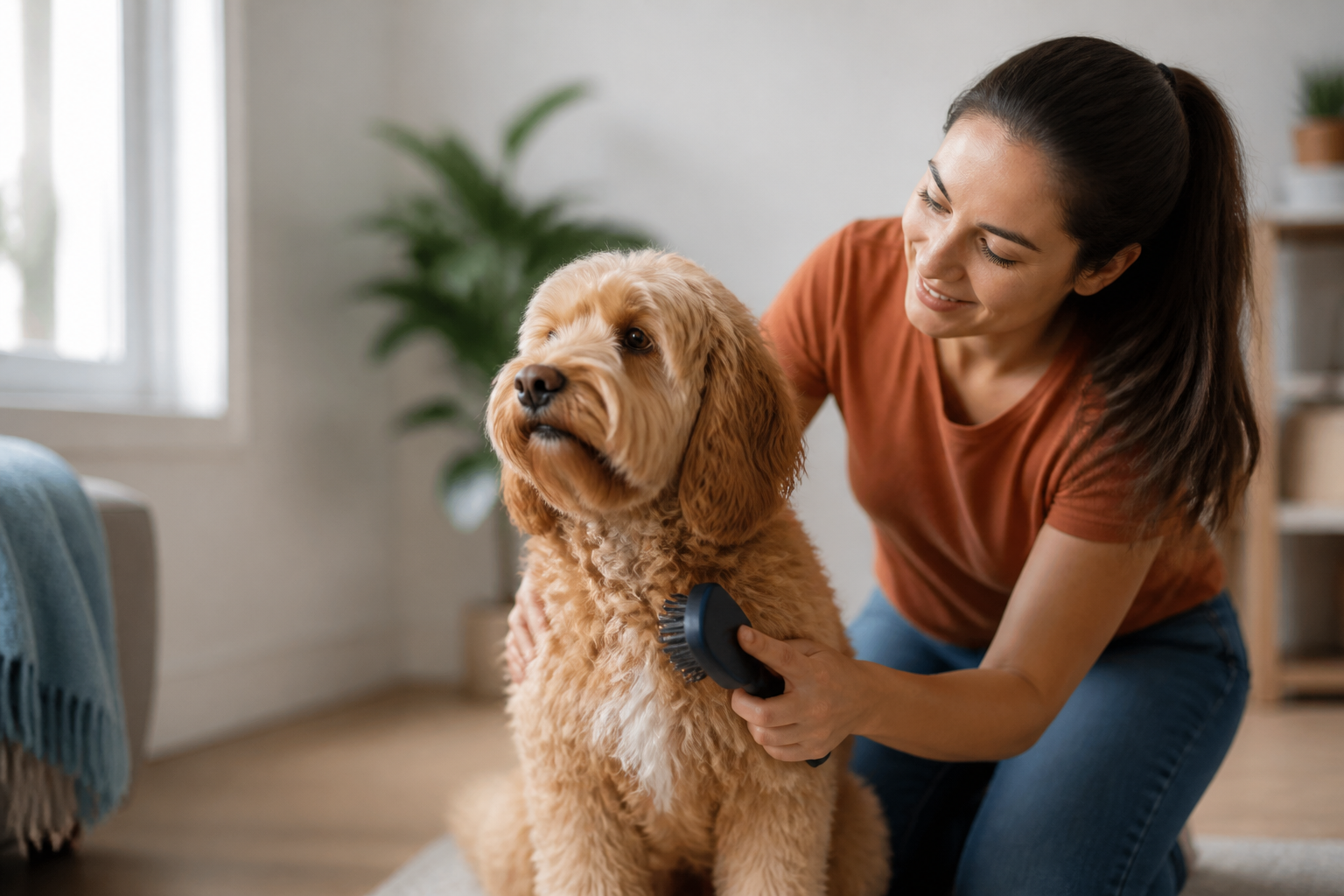
You just finished applying that small vial of liquid to your dog's neck, and now you are staring at a damp, oily patch of fur. It is natural to want to tidy that spot up or give your dog a good brushing to remove any lingering flea dirt. However, rushing into grooming can accidentally ruin the treatment you just applied. At BaxterBoo, we know that managing a flea outbreak is stressful and you want your home back to normal as quickly as possible. This guide covers exactly how long you need to wait before reaching for the brush, why the waiting period matters for efficacy, and how different types of treatments change your grooming schedule. Understanding these timelines is the best way to ensure those pests are gone for good.
Quick Answer: You should generally wait at least 24 hours before brushing your dog after applying a topical flea treatment. For intensive flea combing, it is best to wait 48 hours to allow the medication to fully absorb into the skin oils.
The Mechanics of Topical Flea Medicine
To understand the wait time, you have to know how the medicine works. Most spot-on treatments, such as Frontline or Advantage II, do not stay on the surface of the hair. Instead, they use the natural oils of your dog's skin to move across the body. The liquid is deposited into the sebaceous glands. These glands then slowly release the active ingredients over the next thirty days. This process provides a continuous shield against biting insects.
If you brush the area immediately, you are essentially pulling the concentrated medicine away from the skin and onto the bristles of your brush. This leaves your dog with an uneven layer of protection. It can also lead to the medicine being spread onto your furniture or your own hands before it has a chance to soak in. The "greasy" look is a sign that the carrier oils are still doing their job on the surface.
The Brushing Timeline: How Long to Wait?
The general rule for most topical products is a 24-hour wait for light brushing. This gives the liquid enough time to dry and begin the absorption process. However, different levels of grooming require different levels of patience.
Light Daily Brushing
If you just want to run a slicker brush over your dog's back and tail, wait 24 hours. Avoid the application site entirely if you must brush them sooner. Most dogs do not need their shoulder blades brushed daily, so you can usually work around the spot.
Intensive Flea Combing
Flea combs have very fine, tightly spaced teeth designed to catch tiny insects and their eggs. This type of grooming is much more abrasive to the skin's surface. We recommend waiting a full 48 hours before using a flea comb. By this time, the medication is safely tucked away in the skin follicles. Brushing too early with a flea comb can scrape the medication off the skin before it reaches the glands. You can find options in our flea and tick collection.
Professional Grooming
If your dog is scheduled for a full grooming appointment, timing is everything. You should not apply a topical treatment right before a professional groom. The bathing and high-velocity drying used by professionals will strip the oils and the medicine. It is best to wait until after your dog is clean and dry to apply the treatment. For additional bathing guidance, read our post on dos and don'ts for bathing your dog.
Key Takeaway: Wait 24 hours for standard brushing and 48 hours for flea combing or bathing to ensure the medication is fully absorbed and effective.
Why Brushing Too Soon is a Problem
Brushing too early does more than just make a mess of your grooming tools. It can actually be a safety concern for both you and your pet. Topical flea medications are safe when applied to the skin, but they are not meant to be widely distributed across the top of the coat where they can be easily licked off.
- Reduced Efficacy: The primary risk is that the treatment simply won't work. If the brush removes 20 percent of the dose, your dog is no longer fully protected.
- Skin Irritation: Brushing a "wet" application site can cause the chemicals to spread over a larger area of skin than intended. This may lead to localized redness or itching.
- Human Exposure: When you brush the medicine through the coat, you are more likely to touch it. This increases the risk of the product getting on your skin or clothes.
- Ingestion Risk: Dogs often groom themselves after being brushed. If the brush spreads the medicine down their sides, they may lick it off.
Brushing and Oral Flea Medications
If the waiting period for topicals is frustrating, you might consider an oral flea preventive. Brands like NexGard or Bravecto are given as a chewable tablet. Because the medicine is processed internally, there is no residue on the fur.
With oral medications, there is zero wait time for grooming. You can brush, bathe, or take your dog swimming immediately after they eat the tablet. This is a great option for dogs who require daily brushing or those who have very long coats that become easily matted at the application site. Our pharmacy for dogs carries a variety of these FDA-approved oral medications through our partnership with Pet's Choice. You can easily manage your dog's prescriptions through the BaxterBoo site to keep their protection consistent.
Using a Flea Comb Safely
Once the 48-hour window has passed, a flea comb is a fantastic tool. It allows you to check if the treatment is working. You will likely see dead fleas or "flea dirt," which looks like small black pepper flakes.
Step 1: Prepare a bowl of soapy water. / This is used to drown any live fleas you might catch that haven't succumbed to the medicine yet.
Step 2: Start at the head and neck. / Fleas often congregate around the ears and the base of the skull.
Step 3: Move down the back toward the tail. / The base of the tail is a common "hot spot" for flea activity.
Step 4: Dip the comb in the water after every pass. / This ensures you aren't just moving eggs or dirt around the coat.
Vet Tip: If you find live, active fleas more than three days after treatment, do not apply a second dose. Contact your veterinarian to discuss if the fleas in your area have developed resistance or if a different product is needed.
Brushing vs. Bathing: What is the Difference?
Many owners confuse brushing with bathing when it comes to flea treatment. While you should wait 24 hours to brush, you must wait at least 48 hours to bathe your dog. Water is much more effective at stripping the oils from the skin than a brush is.
Even if a product is labeled as "waterproof," that usually refers to its state after it has fully absorbed. If you get the dog wet within the first two days, you will likely wash the treatment down the drain. This includes letting your dog run through tall, wet grass or out in the rain. Keeping them dry is just as important as keeping the brush away. For brushes, combs, shampoos, and other supplies, browse our dog grooming collection.
| Treatment Type | Wait to Brush | Wait to Bathe | Wait to Swim |
|---|---|---|---|
| Topical Spot-On | 24 Hours | 48 Hours | 48 Hours |
| Oral Tablet | 0 Hours | 0 Hours | 0 Hours |
| Flea Collar | 24 Hours | 24 Hours | 24 Hours |
| Flea Spray | Until Dry | 48 Hours | 48 Hours |
How to Handle a Sticky or Greasy Mess
Some long-haired breeds end up with a very noticeable "cowlick" or oily patch after a topical application. It can be tempting to use a dry shampoo or cornstarch to soak up that oil so you can brush it out. Do not do this. Dry shampoos and absorbent powders work by binding to oils. If they bind to the oils carrying the flea medicine, they will pull that medicine off the skin.
The best approach is simply to leave it alone. Most products will naturally disappear into the coat within 48 to 72 hours. If your dog has a white coat and the medicine leaves a slight yellow stain, this will also fade as the product absorbs. If you find the mess too bothersome, speak with your vet about switching to a different brand or an oral option that eliminates the issue entirely.
Managing the Environment
Brushing your dog is only one part of the battle. If you are brushing off flea dirt and eggs, those things are landing in your carpet and furniture. While you wait for the 24-hour mark to brush your dog, you can spend that time cleaning the environment.
- Vacuum Daily: This is the most effective way to remove flea eggs and larvae from your home. Focus on baseboards and under furniture.
- Wash Bedding: Put all pet bedding in the wash on a hot cycle. High heat kills fleas in all life stages.
- Treat All Pets: If you have a cat, they need treatment too. We carry a wide selection of cat flea and tick products. Never use a dog product on a cat, as some ingredients are highly toxic to them.
What to Do if You Brushed Too Soon
Mistakes happen. If you accidentally brushed your dog immediately after applying the treatment, do not panic. First, check your brush. If it is covered in the oily medicine, wash the brush with dish soap to remove the chemicals.
Do not immediately apply another dose of flea medication. Doubling up can lead to toxicity, which is a serious medical emergency. Signs of an overdose can include drooling, tremors, or vomiting. If you think you removed too much of the medication, the safest move is to call your veterinarian. They can advise you on how long to wait before it is safe to try again or if you should switch to an oral pill for the remainder of the month.
Bottom line: Patience is the most important part of flea prevention; giving the product 24 to 48 hours to work undisturbed ensures your dog stays protected.
When to Call the Vet
While flea treatments are generally very safe, every dog is an individual. Sometimes, the act of brushing can alert you to a skin reaction that was hidden under the fur. If you notice any of the following, stop grooming and contact your vet:
- Intense redness or sores at the application site.
- Hives or swelling anywhere on the body.
- Extreme lethargy or a sudden change in behavior.
- Repeated vomiting or loss of appetite.
For dogs with sensitive skin, your vet might recommend a specific medicated shampoo or a prescription-strength flea preventive. Our pharmacy works closely with veterinarians to provide these specialized products through our Pet's Choice partnership, ensuring you get exactly what your pet needs for their specific health profile.
Conclusion
Brushing your dog after a flea treatment is a great way to maintain their coat and monitor for pests, but timing is everything. By waiting at least 24 hours for a light brush and 48 hours for a deep flea combing, you allow the medicine to settle into the skin glands where it can do its job. Rushing the process only risks wasting the product and leaving your dog vulnerable to bites. If you prefer a grooming routine without restrictions, oral medications are a fantastic alternative.
- Wait 24 hours for light brushing.
- Wait 48 hours for intensive flea combing and bathing.
- Avoid the application site during the first day.
- Never reapply medication without consulting a vet.
If you are ready to restock your supplies or need to fill a prescription, visit our pet pharmacy or check out our full collection of grooming tools. You can also sign up for our Autoship programme to ensure you never miss a monthly treatment, which earns you a free MVP Gold membership for even more savings.
FAQ
Can I brush my dog if I used a flea collar instead of a topical?
Yes, but you should still give it about 24 hours before doing a deep grooming session. Flea collars work by spreading active ingredients through the skin's oils, similar to topicals. Brushing right away won't remove the medicine like it does with a liquid, but letting the collar sit for a day ensures the initial "dose" has started to distribute across the body.
Is it okay to use a slicker brush on the flea treatment spot?
It is best to avoid the specific spot where you applied the liquid for the first 24 hours. A slicker brush has fine wire bristles that can easily pick up the wet medication and spread it into the rest of the fur or pull it away from the skin. Once the area is completely dry and no longer feels greasy to the touch, you can resume normal brushing.
What happens if my dog licks the flea treatment after I brush them?
If you brush the dog too soon and spread the medicine, they are more likely to lick it. Most topical treatments have a bitter taste to discourage this, but ingestion can still cause drooling or an upset stomach. If your dog seems lethargic or is vomiting after licking the area, contact your veterinarian immediately to rule out any adverse reactions.
Can I use a damp cloth to clean my dog before the 24-hour mark?
You should avoid getting the application site wet at all for the first 48 hours. If your dog gets muddy, try to spot-clean only the dirty areas while staying far away from the neck and shoulders where the medicine was applied. Using a damp cloth directly on the treatment spot will dilute the medication and likely make it ineffective for the month.






