
 Save 15% on your 1st Autoship learn more

 Email us
 Live Chat
 FAQs
FAQs





Introduction
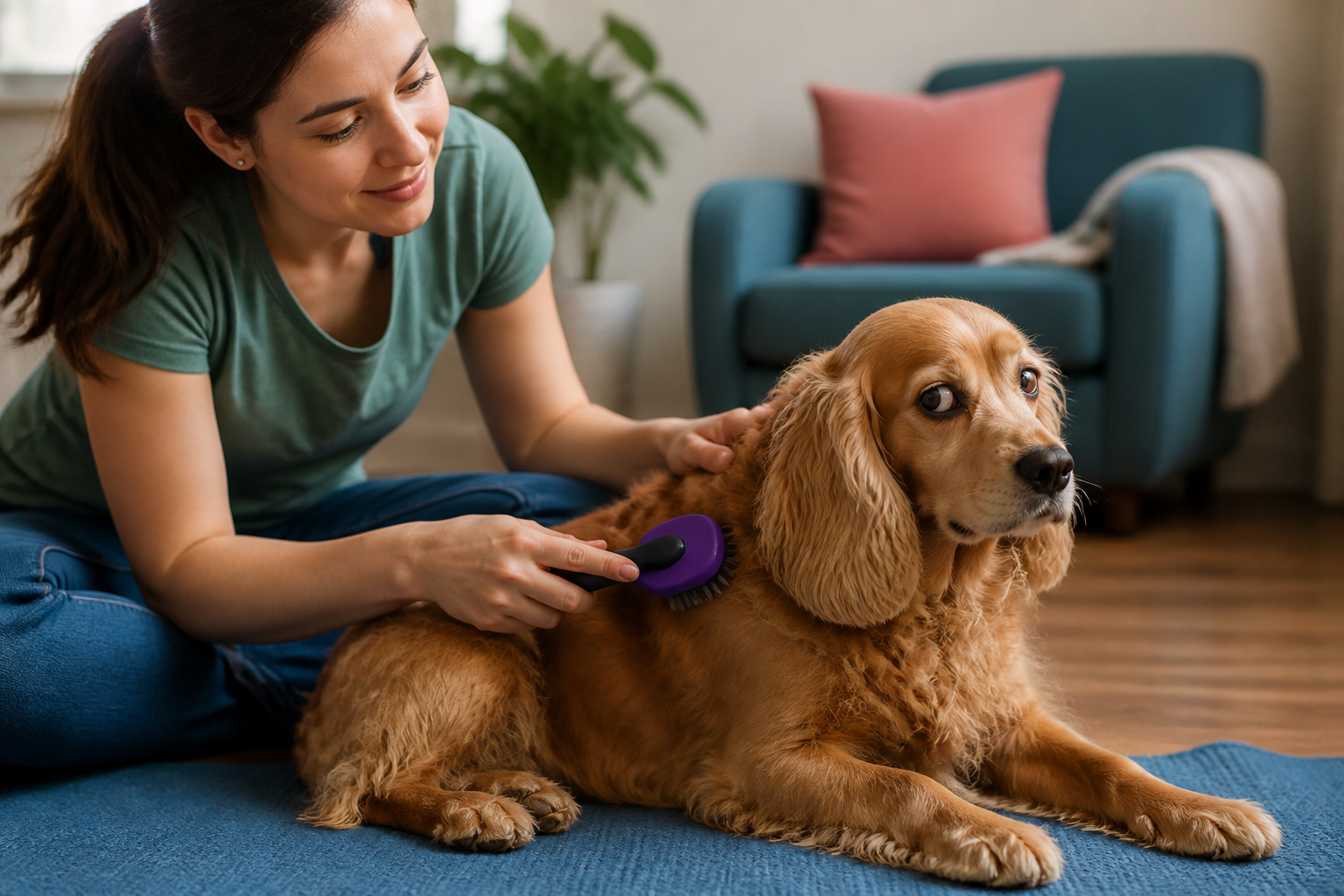
You pull the slicker brush out of the drawer and your dog immediately vanishes. Maybe they are hiding under the dining room table or pressing their back against the farthest corner of the sofa. For many owners, grooming feels less like a bonding moment and more like a wrestling match. This struggle is common, but it can lead to painful mats and skin issues if left unaddressed. At BaxterBoo, we have helped countless pet parents turn this stressful chore into a calm, manageable routine.
This guide covers why dogs develop a fear of grooming and how to rebuild their trust through gradual desensitization. We will look at the best tools for sensitive pups and distraction techniques that actually work. Our goal is to help you move from a chase across the living room to a relaxed session where your dog feels safe and comfortable.
Why Some Dogs Fear the Brush
Before you can fix the behavior, you have to understand the root cause. Dogs do not act out of spite. Their resistance usually comes from fear, discomfort, or a bad past experience. A dog that was once accidentally scratched by a sharp pin brush may remember that pain for years. Puppies that were never handled much during their first few months may find the sensation of a metal tool against their skin overwhelming.
Sensory sensitivity is another major factor. Some dogs have very thin skin or a high sensitivity to touch. For these pets, the sensation of a brush pulling through their fur can feel like a series of tiny electric shocks or sharp tugs. Static electricity is also a common culprit, especially in dry winter months. If a brush creates a static pop every time it touches their coat, they will quickly learn to avoid it.
Finally, consider the possibility of underlying pain. A senior dog with arthritis may find it painful to stand or lie in certain positions for grooming. A dog with undiagnosed skin allergies or a hot spot will naturally guard those sensitive areas. Identifying these triggers is the first step toward a more peaceful grooming experience. If discomfort may be related to aging or joint problems, you can also read about dog arthritis injections and pain management.
Quick Answer: To brush a dog that hates grooming, you must use high-value treats and a very gradual introduction process. Start by letting them sniff the brush without moving it, then progress to touching them with the back of the brush before attempting a single stroke.
Creating a Low-Stress Environment
The place where you groom your dog matters just as much as the brush you use. If you always try to brush your dog in a crowded hallway where they feel trapped, their anxiety will spike. You want a space that is quiet, familiar, and comfortable. For more options, explore our dog grooming supplies.
Choose a Non-Slip Surface
Dogs feel vulnerable when they cannot get their footing. If you place a dog on a slippery kitchen counter or a hardwood floor, they spend more energy trying to balance than relaxing. Place a thick towel or a rubber yoga mat on the floor or table. This gives them a secure grip and helps them feel more grounded.
Keep the Sessions Short
Do not aim for a full-body groom on day one. If your dog hates the process, a thirty-minute session is far too long. Start with just two or three minutes. The goal is to end the session while the dog is still calm rather than waiting for them to start struggling. Ending on a high note builds a positive memory for next time.
Watch Your Body Language
Dogs are experts at reading our emotions. If you are frustrated, tense, or rushing, your dog will pick up on that energy. Sit on the floor with your dog rather than standing over them. Standing can be perceived as a dominant or threatening posture. By getting down on their level, you make the interaction feel more like a casual hang-out and less like a clinical procedure.
Key Takeaway: A successful grooming session depends on a calm environment and a stable, non-slip surface where your dog feels secure and balanced.
The Gradual Introduction Method
You cannot rush a fearful dog. Forcing the issue will only make the fear worse and could lead to defensive growling or nipping. Instead, use a step-by-step approach to change how your dog feels about the brush. This process is called counter-conditioning.
Step 1: The Sniff and Reward
Place the brush on the floor. Every time your dog looks at it or sniffs it, give them a high-value treat. Brands like Real Meat Co or Stella and Chewy's are great for this because they are very smelly and enticing. You want your dog to think that the presence of the brush equals a steak dinner. Do this for several days until they wag their tail when they see the brush come out.
Step 2: The Back of the Brush
Once they are happy to be near the tool, pick it up. Do not use the bristles yet. Instead, touch your dog gently with the smooth, wooden or plastic back of the brush. Start on a non-sensitive area like their shoulder or side. Give a treat for every touch. This gets them used to the feeling of an object against their fur without the sensation of pulling or scratching.
Step 3: The Single Stroke
When they are comfortable with Step 2, flip the brush over. Use a very light touch to make one single stroke in the direction of hair growth. Immediately follow it with a treat and praise. Stop there. Do not try to do the whole back. Just one stroke is a win.
Step 4: Building Duration
Over the next week, slowly increase the number of strokes. Go from one stroke to two, then three. If your dog shows signs of tension like licking their lips, yawning, or looking away, you have moved too fast. Go back to a step where they were comfortable and stay there for a few more days.
Vet Tip: If your dog displays extreme aggression or fear during grooming, consult your veterinarian. They can check for hidden pain or skin conditions and may recommend calming aids or a professional behaviorist.
Choosing the Right Tools for Sensitive Dogs
The type of brush you use can make or break the experience. Many standard slicker brushes have sharp metal pins that can scratch the skin if used with too much pressure. For a dog that already hates being brushed, this is the worst tool to start with. Browse our dog brushes and combs to compare gentler options.
We recommend starting with a rubber brush like the Kong ZoomGroom. These tools have soft, flexible rubber fingers that massage the skin rather than scratching it. They are excellent for removing loose hair on short-coated breeds and provide a soothing sensation that most dogs actually enjoy. It feels more like being petted than being groomed.
If your dog has a longer coat that requires a slicker brush, look for one with coated tips. These tiny plastic "bubbles" on the end of each pin act as a buffer between the metal and the dog's skin. This prevents the "brush burn" that often causes dogs to flee the room. We carry a wide variety of these gentler options at BaxterBoo, handpicked to ensure they are safe for sensitive skin.
Essential Tool List for Fearful Dogs:
- Rubber Curry Brushes: Best for short hair and massage.
- Grooming Gloves: Ideal for dogs who fear held objects; you simply pet them to remove hair.
- Soft Boar Bristle Brushes: Good for smoothing the coat without any pulling.
- Coated Pin Slickers: Necessary for long hair but much gentler than raw metal pins.
- Wide-Toothed Combs: Use these only after the hair is smoothed to check for hidden mats.
A rounded-tip option such as the U-Groom Combo Brush for Dogs and Cats offers both stainless-steel pins with rounded tips and boar bristles for smoothing.
Bottom line: Using a soft rubber brush or a grooming glove is often the secret to winning over a dog that is terrified of traditional metal-pinned tools.
Master the Art of Distraction
Distraction is a powerful tool in your grooming kit. If your dog is focused on something delicious, they are much less likely to worry about what the brush is doing. This works best when you use "high-value" rewards that take time to consume.
The Lick Mat Strategy
A lick mat is a textured silicone pad that you can smear with peanut butter, plain Greek yogurt, or canned food. Stick the mat to the floor or a wall at your dog's eye level. While they are busy licking every nook and cranny of the mat, you can quietly brush their sides or back. The rhythmic licking action also has a natural calming effect on the canine brain.
The Puzzle Toy Method
If you do not have a lick mat, a stuffed Kong or a similar puzzle toy works well. Stuff it with something they love and let them work on it while you handle their paws or ears. This is especially helpful for dogs that are "mouthy" and try to bite the brush. It gives them something appropriate to do with their mouth while you work.
Use a Helper
If possible, have another person feed small treats continuously while you brush. This keeps the dog’s head forward and their body still. The helper can monitor the dog’s facial expressions and let you know if they need a break. This team approach often speeds up the desensitization process significantly.
Handling Mats Without the Trauma
Mats are the primary reason grooming becomes painful. When a mat forms, it pulls the skin tight. Every time the brush hits that mat, it’s like someone pulling your hair hard. If your dog is already matted, you cannot simply brush them out. This will cause immense pain and ruin all the trust you have built.
For small knots, use a de-matting spray or a bit of conditioner to help the hair slide apart. Use your fingers to gently pull the mat apart into smaller sections before using a comb. If the mat is tight against the skin, do not try to brush it. It is much kinder to use a pair of safety clippers or have a professional groomer shave that specific spot. For tools designed to address tangles, see our dematting and dog brush collection.
Once the mats are gone, the key is prevention. Brushing for just two minutes every day prevents the tangles that lead to mats. It is much easier to maintain a coat than it is to fix a neglected one.
When to Use Professional Help or Pharmacy Options
Sometimes, the fear is too deep for home training alone. If your dog snaps, bites, or becomes hysterical, it is time to call in a professional. Some groomers specialize in fearful dogs and know how to use gentle restraints and calming techniques to keep everyone safe.
If your dog's skin is red, flaky, or irritated, the act of brushing will be painful no matter how gentle you are. Our pet pharmacy carries prescription dog and cat medicines. If your veterinarian prescribes a medicated shampoo or a topical treatment for a skin condition, you can fulfill that prescription through us. Treating the underlying skin health often resolves the "hatred" of the brush because the pain disappears.
We also offer calming supplements from trusted brands like Zesty Paws and Honest Paws. These can be given about thirty minutes before a grooming session to help take the edge off a dog's anxiety. Always consult your vet before starting new supplements, especially if your dog is on other medications. You can browse our dog anxiety and calming options.
Vet Tip: Chronic skin sensitivity is a common reason for grooming aversion. If you notice a foul odor, excessive redness, or weeping sores, skip the brush and head to the vet for a skin scrape or exam.
Common Mistakes to Avoid
Even well-meaning owners can accidentally set back their dog's progress. One major mistake is "trapping" the dog. If you corner your dog or hold them in a headlock to get the brushing over with, you are confirming their fear that grooming is a scary, forceful event. Always give your dog an "out." If they really need to walk away, let them. They will be more willing to come back later if they know they aren't being held prisoner.
Another mistake is neglecting the "difficult" areas until the end. Most dogs hate having their paws, tail, and belly touched. If you spend twenty minutes brushing their back and then try to finish with the paws, their patience will be exhausted. Instead, do one paw, then give a big reward and go back to an easy spot. Sandwich the hard parts between the easy parts.
Finally, do not forget to clean your tools. A brush full of old hair and skin oils can become stiff and less effective. It can also harbor bacteria that might irritate your dog's skin. Wash your brushes regularly with mild soap and water to keep them in top shape.
Building a Long-Term Routine
Consistency is the secret to success. Brushing should not be a "once a month" event. For a dog that dislikes it, daily sessions of two minutes are much better than one long session every two weeks. When it becomes part of the daily rhythm—like eating breakfast or going for a walk—the dog stops viewing it as a major event.
Include grooming as part of your "quiet time" in the evening. While you are watching TV, keep a soft brush nearby. If your dog comes over for a scratch, give them two gentle strokes with the brush and then go back to petting. Over time, the line between petting and grooming will blur, and your dog will learn to relax under the brush.
Our MVP Rewards program is a great way to save on the various tools and treats you will need during this training phase. As you work through different brushes and high-value rewards, you can earn points toward future purchases. This makes it easier to experiment and find exactly what your dog likes without breaking the bank.
Conclusion
Teaching a dog to love being brushed is a marathon, not a sprint. It requires a shift in perspective where you value your dog's comfort over a perfect coat. By choosing the right tools, using high-value distractions, and moving at your dog's pace, you can transform the grooming experience. Remember to keep sessions short, stay patient, and never force the process.
- Start with a rubber brush or grooming glove for a gentler touch.
- Use lick mats or puzzle toys to create a positive association.
- Consult your vet if you suspect underlying skin pain or extreme anxiety.
- Be consistent with very short, daily sessions.
Bottom line: Patience and the right tools are the only ways to win over a brush-hating dog.
If you are ready to start your desensitization journey, browse our collection of grooming supplies and calming aids. You can also set up an Autoship order for your favorite high-value treats to ensure you never run out during training. Our team at BaxterBoo is here to support you in providing the best care for your pet.
FAQ
Why does my dog try to bite the brush while I am using it?
Biting the brush is usually a sign of over-stimulation or defensive fear. Your dog might think the brush is a toy, or they may be trying to stop a sensation they find painful or scary. Use a distraction toy like a stuffed Kong to give their mouth something else to do while you work on very small sections of their coat.
What is the best brush for a dog with very sensitive skin?
A rubber curry brush or a soft silicone brush is best for sensitive pets. These tools provide a massaging sensation and cannot scratch the skin like metal pins can. Grooming gloves are also an excellent choice because they allow you to use the natural motion of petting to remove loose fur.
How do I get my dog to stand still for grooming?
If your dog keeps sitting or lying down, do not force them up. Instead, work on the parts of the body you can reach while they are lying down. You can also use a "peanut butter wall" by smearing a bit of dog-safe peanut butter on a vertical surface at their nose level to keep them standing and occupied.
Can I use human hairbrushes on my dog?
It is generally not recommended to use human brushes on dogs. Human hair is different from dog fur, and our brushes are not designed to reach through a thick undercoat or remove dander effectively. Furthermore, some human brushes have sharp plastic tips that can easily irritate or scratch a dog's delicate skin.
FAQ
Why does my dog hide when they see the grooming bag?
Your dog has likely associated the grooming bag with a stressful or painful experience from the past. To fix this, start leaving the bag out in the open and placing treats around it without actually grooming them. This helps break the negative association and teaches them that the bag’s presence doesn't always lead to a session they dislike.
Is it okay to shave my dog if they won't let me brush them?
Shaving should be a last resort, especially for double-coated breeds, as it can damage the coat’s ability to regulate temperature. However, if a dog is severely matted, shaving is often the most humane option to prevent the pain of pulling through knots. Consult a professional groomer to see if a short "comfort clip" is the right choice for your pet's well-being.
How often should I brush a dog that hates it?
You should aim for very short, daily sessions rather than long weekly ones. One to two minutes of positive interaction every day is more effective for training than a twenty-minute struggle once a week. Frequent, brief sessions help the dog get used to the sensation without becoming overwhelmed or reaching their limit for tolerance.
Should I use a muzzle if my dog bites during brushing?
A muzzle can be a helpful safety tool, but it does not address the underlying fear and can sometimes increase a dog's anxiety. If your dog is biting, it is best to consult a professional trainer or veterinarian to rule out pain and create a safety plan. Always pair muzzle use with positive reinforcement so the dog doesn't view the muzzle itself as another punishment.






