
 Save 15% on your 1st Autoship learn more

 Email us
 Live Chat
 FAQs
FAQs





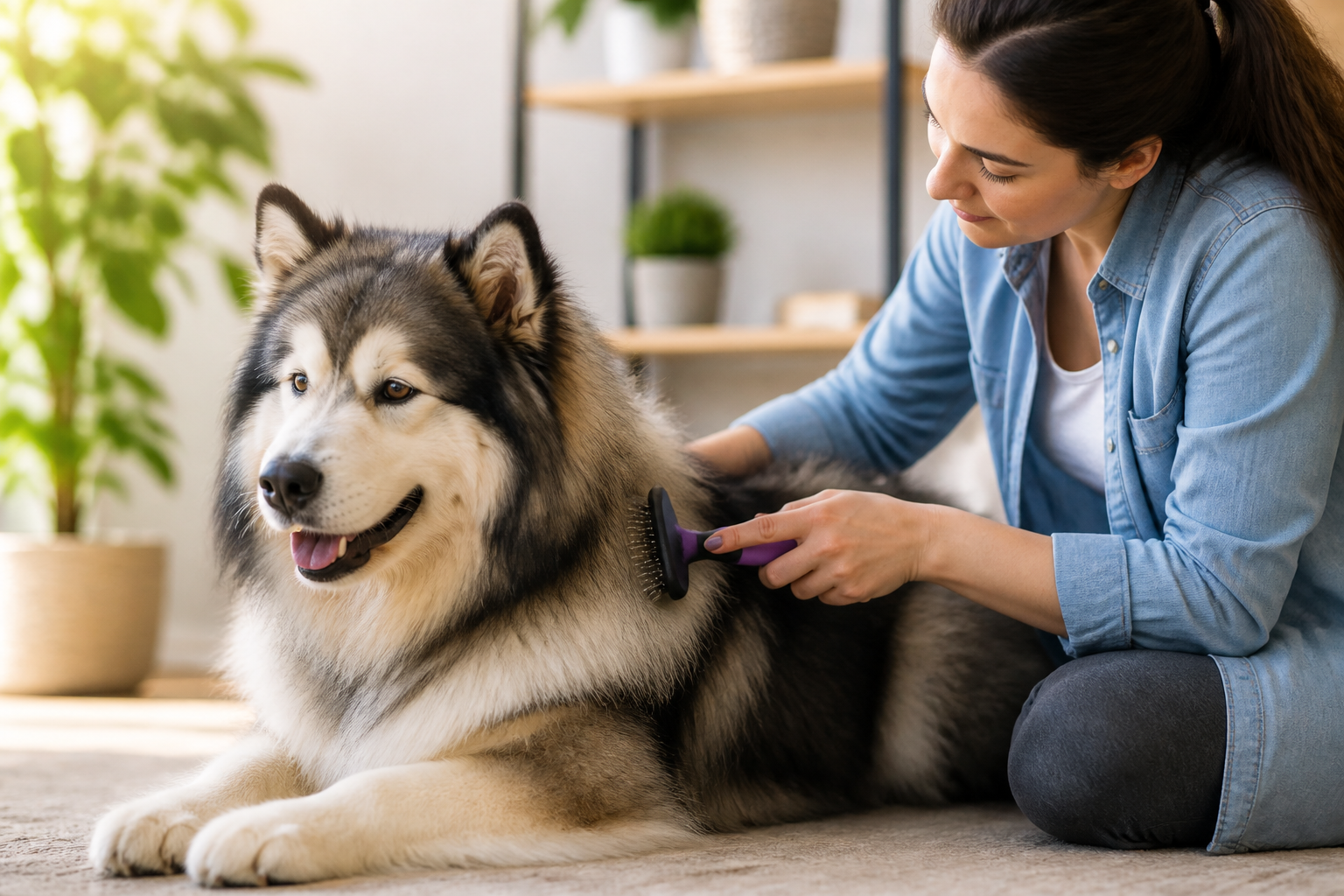
Introduction
You are likely staring at your Golden Retriever or Husky and wondering how a single animal can produce enough fur to carpet your entire living room. This is the daily reality for owners of double-coated breeds. At BaxterBoo, we know that managing these thick coats is about more than just keeping your furniture clean. It is about maintaining the natural insulation system that keeps your pet safe in both summer heat and winter cold. This guide covers the specific tools you need, the essential line-brushing technique, and the professional secrets for handling a blowing coat. Understanding how to navigate these two distinct layers will save your vacuum cleaner and keep your dog much more comfortable throughout the year.
Quick Answer: Brushing a double-coated dog requires a technique called line brushing to reach the dense undercoat. You must use an undercoat rake or slicker brush to remove dead fur from the skin level, followed by a metal comb to check for remaining mats.
Understanding the Layers of a Double Coat
Before you pick up a brush, you need to understand what you are working with. A double coat is not just thick fur. It consists of two very different layers that serve different purposes. The top coat consists of tougher guard hairs. These hairs are designed to repel water, block UV rays, and protect the skin from physical scrapes or insect bites. This layer gives the dog their color and overall appearance.
Underneath those guard hairs lies the undercoat. This layer is soft, dense, and fuzzy. It looks almost like wool or down feathers. The undercoat acts as a temperature regulator. In the winter, it traps warm air against the body. In the summer, it creates a buffer zone that keeps the heat away from the skin. When people talk about a dog shedding, they are usually talking about the undercoat.
Many common breeds have this specialized coat. This includes popular family dogs like Labradors and Golden Retrievers. It also includes working breeds like German Shepherds, Siberian Huskies, and Great Pyrenees. Even smaller dogs like Pomeranians and Corgis have double coats that require specific care.
Key Takeaway: The undercoat is the primary source of shedding and matting. Brushing only the top coat will leave dead fur trapped against the skin, leading to discomfort and temperature regulation issues.
Essential Tools for Double Coat Maintenance
You cannot maintain a double coat with a standard human hairbrush or a simple bristle brush. Those tools only slide over the top coat without reaching the undercoat where the real work needs to happen. We recommend building a small kit of specific tools to make the job easier for you and more comfortable for your dog. Start with our dog grooming supplies to find tools for brushing, bathing, and coat care.
The Slicker Brush
A slicker brush has fine, short wires close together on a flat or curved surface. It is excellent for removing loose hair and detangling the surface of the coat. It is usually the first tool you will use in a grooming session. Look for one with coated tips if your dog has sensitive skin.
The Undercoat Rake
This is the most important tool in your kit. An undercoat rake has long, metal tines that are spaced out to reach through the top coat. It pulls out the dead, fuzzy undercoat without cutting or damaging the guard hairs. This tool is your best defense against the heavy shedding seasons. You can browse our dog brushes and combs for undercoat rakes and other coat-care tools.
The Metal Greyhound Comb
A sturdy metal comb with rounded teeth is your finishing tool. It allows you to check your work. If the comb can slide through a section of fur from the skin to the tips without snagging, you have successfully removed the mats and loose undercoat in that area.
Detangling Spray
A quality detangling spray or a light leave-in conditioner can prevent hair breakage. It also reduces static, which can make the hair stand up and become more difficult to manage. Spraying the coat lightly before you start helps the tools glide through the fur more easily.
The Professional Technique: Line Brushing
The biggest mistake owners make is surface brushing. This is when you brush over the back of the dog, but only touch the top inch of fur. To truly groom a double coat, you must use the line brushing technique. This ensures you are reaching the skin and removing the dead hair that causes mats.
Step 1: Start at the bottom. / Begin at the dog's rear leg or the base of the tail and work your way up toward the head.
Step 2: Partition the hair. / Use your non-brushing hand to push a section of the coat upward. This should reveal a "line" of skin.
Step 3: Brush the revealed section. / Take your slicker brush or undercoat rake and brush the small section of hair below your hand. Always brush away from the skin in the direction of hair growth.
Step 4: Check with a comb. / Once that small section feels clear, run your metal comb through it. If it snags, go back with the brush.
Step 5: Move to the next line. / Drop a small amount of hair from your hand and repeat the process. Work in rows until you have covered the entire dog.
Vet Tip: Check the "friction points" more frequently. Areas behind the ears, in the armpits, and around the tail are prone to severe matting because the fur rubs together constantly.
Managing the Seasonal "Coat Blow"
Twice a year, usually in the spring and fall, double-coated dogs "blow" their coats. This is a massive shedding event where the undercoat falls out in large clumps to make room for a new seasonal layer. In the spring, they lose the heavy winter undercoat. In the fall, they shed the lighter summer undercoat to make room for the thick winter insulation. For another perspective on double coats and seasonal shedding, read how Australian Shepherds shed.
During these times, you may need to brush your dog every single day. If you skip a few days, the loose hair can become trapped. This trapped hair mixes with skin oils and dirt to form "pelts." Pelting is a condition where the fur is so tightly matted against the skin that air can no longer reach it. This often leads to hot spots and fungal infections.
If your dog is shedding excessively and you notice skin redness or a strange odor, it is time for a veterinary check. Our pharmacy at BaxterBoo carries FDA-approved treatments for skin infections and allergies through our partnership with Pet's Choice. We can help you manage the skin health that often suffers when a coat is not properly maintained.
Key Takeaway: Increasing your brushing frequency during seasonal changes is the only way to prevent painful matting and keep your home manageable.
The Bathing and Drying Connection
Bathing is an important part of the grooming process, but it must be done in the right order. You should never bathe a matted double-coated dog. Water acts like a glue for mats. When a mat gets wet and then air-dries, it tightens significantly. This can pull on the dog's skin and make the mats almost impossible to remove without shaving.
Always perform a thorough line-brushing session before the bath. Once the coat is clear of tangles, use a high-quality de-shedding shampoo and conditioner. We carry brands like Kong and Earthbath that are formulated to help loosen the undercoat. Let the conditioner sit for several minutes. This helps the dead hair slide out more easily during the rinse. Explore our dog shampoo and conditioner selection for bathing products and detangling formulas.
Drying is the secret weapon for double coats. A high-velocity dryer is much more effective than a towel. These dryers do not use high heat. Instead, they use a powerful stream of air to literally "blast" the water and loose undercoat out of the fur. You will see clouds of loose hair flying off the dog. This saves you hours of manual brushing later.
Bottom line: Brush before the bath to prevent tightening mats, and use a high-velocity dryer to remove loose undercoat efficiently.
Why You Should Never Shave a Double Coat
It is a common myth that shaving a thick-coated dog will help them stay cool in the summer. For double-coated breeds, this is actually dangerous. Because the undercoat and top coat grow at different rates and to different lengths, shaving can permanently damage the coat.
When you shave a double coat, the soft undercoat often grows back faster than the guard hairs. This results in a patchy, fuzzy texture that no longer repels water or dirt. More importantly, shaving removes the dog's natural insulation. Without the top coat to shade the skin and the undercoat to regulate temperature, the dog is at a much higher risk for heatstroke and sunburn.
The only reason to shave a double-coated dog is for a medical procedure or if the matting is so severe that it cannot be safely brushed out. In those cases, the skin is often already irritated underneath. If your vet recommends a medicated shampoo or topical treatment for skin issues after a necessary shave, we can fulfill those prescriptions through our pharmacy.
Common Exceptions to the Shaving Rule
- Surgical sites
- Severe pelting that causes skin sores
- Chronic skin conditions that require topical medication access
Maintaining Healthy Skin Under the Fur
The health of the coat starts with the skin. If the skin is dry, flaky, or greasy, the coat will reflect that. Nutrition plays a massive role in this. High-quality foods rich in Omega-3 and Omega-6 fatty acids help produce the natural oils that keep the double coat shiny and resilient. We offer several premium food brands like Acana, Orijen, and Open Farm that focus on skin and coat health.
Regularly check your dog's skin while you are line brushing. Look for any lumps, bumps, or parasites. Double-coated dogs are masters at hiding fleas and ticks in their dense fur. It is much harder to spot a tick on a Newfoundland than it is on a Beagle.
Using a monthly preventive is essential for these breeds. Our pharmacy offers options like NexGard and Frontline to keep your pet protected. Through our partnership with Pet's Choice, we make it simple to stay consistent with your flea and tick protection, which is your first line of defense against skin irritation. You can explore our flea and tick collection for additional options.
Tips for a Stress-Free Grooming Session
Grooming a large, double-coated dog can take an hour or more. It is important to make this a positive experience for your pet. If they are stressed, they will wiggle, which makes the tools more likely to pinch or scrape them.
- Start young. / Get puppies used to the feeling of the rake and the sound of the dryer early on.
- Use high-value treats. / Keep a bag of your dog's favorite treats nearby and reward them frequently for staying still.
- Take breaks. / You do not have to do the whole dog in one sitting. Do the front half in the morning and the back half in the afternoon.
- Watch the body language. / If your dog starts panting heavily or trying to hide, stop and try again later.
Consistency is better than intensity. Brushing for ten minutes three times a week is much more effective than one marathon session every two weeks. Regular sessions keep the hair from tangling in the first place, making the process faster and painless for the dog.
Bottom line: Short, frequent grooming sessions paired with rewards create a bonding experience rather than a stressful chore.
A Checklist for Your Grooming Routine
To keep your double-coated dog in top shape, follow this simple routine. This ensures you do not miss any steps and that your dog stays comfortable between professional grooming appointments.
- Weekly: Perform a full line-brushing session using a slicker brush and undercoat rake.
- Weekly: Check friction points like armpits and behind ears for small tangles.
- Monthly: Bath with de-shedding shampoo, followed by a high-velocity dry.
- Seasonal: Increase brushing to daily sessions during the spring and fall coat blow.
- Daily: Check under the eyes for discharge and wipe with a warm cloth if needed.
Keeping up with this schedule will significantly reduce the amount of hair in your home. It also ensures that your dog's coat can do its job of protecting them from the elements.
Conclusion
Managing a double coat can feel like a full-time job during shedding season, but the rewards are worth the effort. A well-groomed double coat is a beautiful sight and a vital part of your dog's health. By using the right tools like undercoat rakes and metal combs, and mastering the line brushing technique, you can prevent painful mats and skin issues. Remember that the skin health underneath the fur is just as important as the hair itself. At BaxterBoo, we are here to support your grooming journey with the best tools, nutrition, and pharmaceutical care. Our MVP Rewards program can even help you save on the supplies you need to keep that coat shining.
Key Takeaway: Proper double coat care requires reaching the undercoat, avoiding the urge to shave, and maintaining skin health through nutrition and regular preventative care.
FAQ
How often should I brush my double-coated dog?
For most of the year, a thorough brushing two to three times a week is sufficient to prevent mats and manage shedding. However, during the "coat blow" seasons in the spring and fall, you should aim to brush your dog daily. Frequent sessions are much easier on both you and your dog than trying to tackle a week's worth of shed fur all at once.
Can I use a de-shedding tool like a Furminator on a double coat?
De-shedding tools can be effective, but they must be used with extreme caution on double coats. Many of these tools have a small blade that can cut the guard hairs if you apply too much pressure or use them too frequently. We generally recommend starting with an undercoat rake and a slicker brush, as these remove dead hair without the risk of damaging the protective top coat.
What should I do if I find a large mat against the skin?
If you find a mat, do not pull on it with a brush, as this is very painful for the dog. Try to work the mat apart with your fingers first, then use a detangling spray and a metal comb to slowly tease the hairs loose from the outside in. If the mat is tight against the skin or "pelted," it is safest to have a professional groomer or a veterinarian remove it to avoid cutting the skin.
Does brushing really help keep my dog cool in the summer?
Yes, brushing is the best way to help your dog stay cool. By removing the dead, trapped undercoat, you allow air to circulate through the guard hairs and reach the skin. This airflow acts like a natural air conditioning system. If the undercoat is matted and thick, it traps heat against the body, making it much harder for your dog to regulate their temperature.






