
 Save 15% on your 1st Autoship learn more

 Email us
 Live Chat
 FAQs
FAQs





Introduction
You might be on a weekend camping trip and realize the grooming bag stayed home on the kitchen counter. Or perhaps you have a rescue dog who trembles at the sight of a plastic handle or metal bristles. Maintaining a healthy coat is a core part of pet care, but you do not always need a traditional tool to get the job work done. At BaxterBoo, we know that grooming is about more than just looks. It is about skin health, comfort, and the bond you share with your pet. This guide covers how to manage shedding, remove debris, and handle tangles using everyday items and manual techniques. You can keep your dog looking great even when your favorite slicker brush is nowhere to be found.
Understanding the Goal of Brushing
Brushing serves several purposes beyond just smoothing out the fur. It distributes natural oils across the skin, which keeps the coat shiny and hydrated. It also removes dead hair before it ends up on your sofa or carpets. For many dogs, the tactile sensation of grooming is a form of social bonding that mimics how canines interact in a pack.
When you do not have a brush, you must still fulfill these basic needs. You need to find ways to lift the undercoat, smooth the topcoat, and check for skin issues. Regular grooming sessions are the best time to look for lumps, bumps, ticks, or irritated patches of skin. For additional grooming supplies, explore our dog grooming category.
Quick Answer: You can brush a dog without a brush by using a damp washcloth, rubber kitchen gloves, or even a clean cotton sock. These items use friction to grab loose fur and remove surface dirt from the coat.
The Manual Finger Combing Method
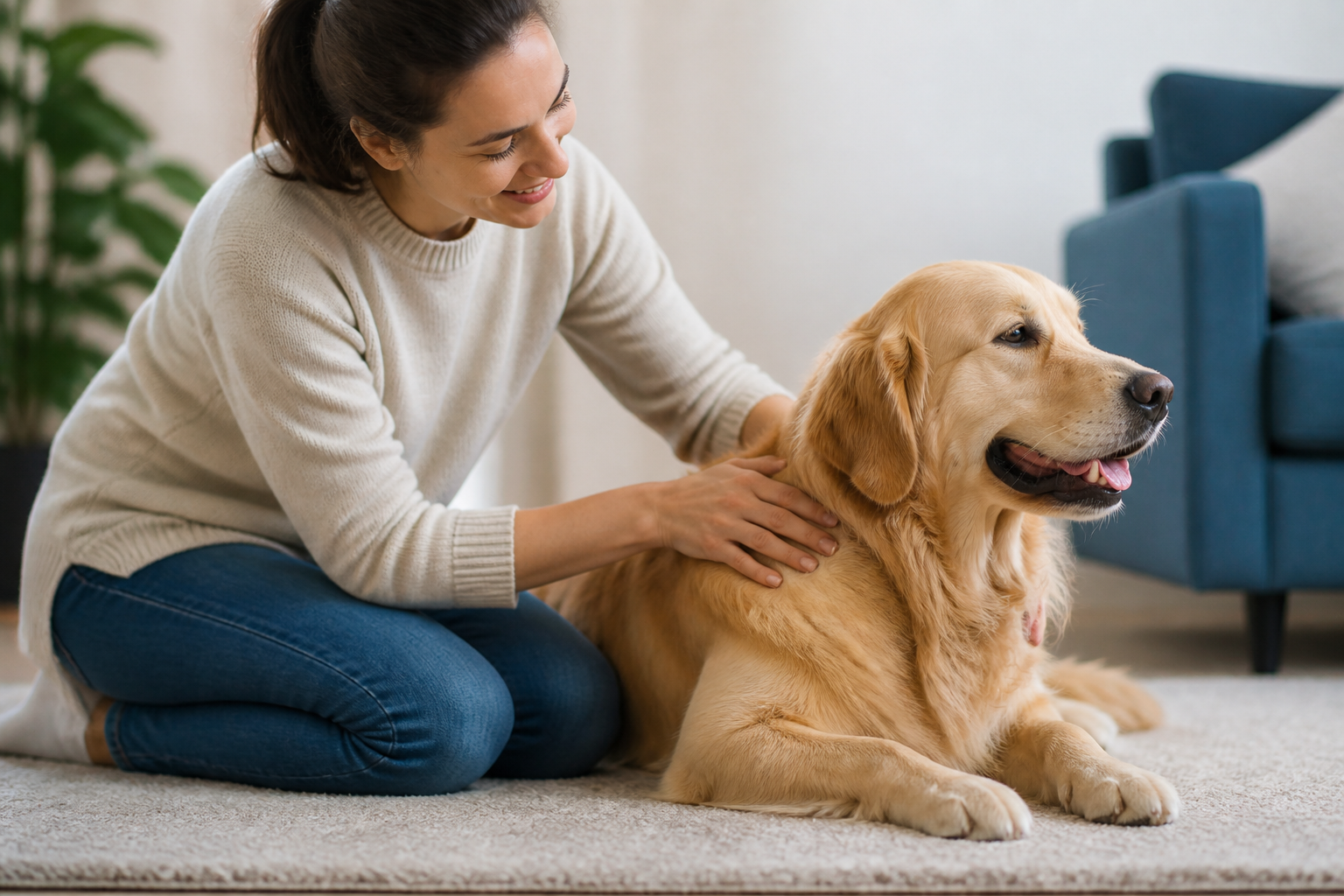
For dogs with medium to long hair, your fingers are actually your most precise tools. Finger combing allows you to feel the texture of the coat and identify small tangles before they turn into painful mats. This method is particularly useful for sensitive areas like the ears, armpits, and the base of the tail.
Start by running your hands over your dog's body to help them relax. Once they are calm, use your fingers like the tines of a comb. Gently rake your fingers through the fur, starting at the neck and moving toward the tail. If you hit a snag, do not pull. Instead, use your thumb and forefinger to gently tease the hair apart.
Benefits of Finger Combing
- It is the most gentle way to handle a brush-shy dog.
- You can feel skin irregularities that a brush might skip over.
- It provides a soothing massage that lowers the dog's heart rate.
- There is zero risk of "brush burn" or skin scraping.
Key Takeaway: Manual grooming builds trust and allows for a high level of precision when managing long hair or sensitive skin.
Using Rubber Gloves for Shedding
If you have a pair of rubber kitchen gloves, you have one of the best deshedding tools available. The natural grip of the rubber or latex pulls loose hair right out of the coat. This works exceptionally well for short-haired breeds like Labrador Retrievers, Boxers, or Beagles.
Put the gloves on and dampen them slightly with water. Pet your dog in long, firm strokes in the direction of hair growth. You will notice the hair beginning to pill and stick to the glove. Once the glove is covered in fur, you can peel the hair off in a single sheet or rinse it in a bucket of water.
Why Rubber Works
The friction created by the rubber surface creates a slight static charge. This charge attracts loose fur and dander. It also provides a deep tissue massage that stimulates blood flow to the skin. Many dogs who hate traditional brushes find the sensation of a rubber glove to be much more acceptable because it feels like a regular petting session.
The Washcloth Technique
A simple washcloth is the perfect substitute for a soft bristle brush. This method is ideal for smooth-coated dogs or for finishing the coat of a long-haired dog to add shine. It is also the safest way to "brush" a puppy who is still getting used to being handled.
Take a clean washcloth and soak it in warm water. Wring it out until it is just damp. Wrap the cloth around your hand and wipe down your dog’s coat. Use circular motions on the shoulders and haunches to lift loose hair. Then, use long, sweeping strokes down the back and legs to smooth the fur.
Cleaning the Face and Paws
The washcloth is also excellent for cleaning delicate areas where you would never want to use a hard brush. You can gently wipe away tear stains or bits of food from the beard and muzzle. It also helps remove mud or allergens from between the paw pads after a walk. For wipes, shampoos, and other options, browse our dog grooming supplies.
Vet Tip: If your dog is constantly itchy or has red, inflamed skin, a washcloth may not be enough. Consult your veterinarian to see if your pet is suffering from environmental allergies or skin infections. Our pet pharmacy offers a range of prescription allergy medications and medicated shampoos to help manage these conditions.
Bath Time as a Grooming Tool
If your dog is shedding heavily and you lack a brush, a bath can do a lot of the heavy lifting. Water helps to weight down dead hair and wash it away. However, you must be careful not to create more tangles during the washing process. For additional bathing guidance, read our tips for bathing your dog.
Step 1: Wet the coat thoroughly with warm water. Step 2: Apply a high-quality dog shampoo and work it into a lather. Step 3: Instead of scrubbing vigorously, use your fingers to "rake" the shampoo through the fur. Step 4: Rinse thoroughly until the water runs clear. Step 5: Apply a conditioner or a detangling spray while the coat is still wet to help loosen any remaining knots.
The Drying Phase
How you dry your dog can also act as a form of brushing. Instead of rubbing the dog with a towel, which can cause matting, use the towel to blot the moisture. If you have a hair dryer with a "cool" setting, the airflow can help blow out the loose undercoat. Always keep the dryer moving and never use a high heat setting, as dog skin is much thinner and more sensitive than human skin.
Dealing with Mats Without Tools
Removing a mat without a brush or a comb requires patience. Never try to cut a mat out with scissors. A dog's skin is very stretchy and thin. It is incredibly easy to accidentally cut the skin while trying to trim a knot.
Instead, use a small amount of coconut oil or a dedicated detangling spray. Work the oil into the mat with your fingers. This lubricates the hair shafts, allowing them to slide past each other. Slowly use your fingernails or fingers to pull the mat apart from the outside edges moving inward. For more coat-care guidance, see how to groom a curly-haired dog.
When to Seek Professional Help
If a mat is tight against the skin, it can cause pain and even lead to skin infections. You can see the skin being pulled taut into the knot. In these cases, it is best to see a professional groomer or your veterinarian. They have the proper clippers to safely remove the mat without injuring the pet.
Key Takeaway: Lubrication is the secret to removing tangles manually. Never pull on a dry mat, as this causes significant pain and skin irritation.
The Toothbrush Hack
For very small dogs or for detailed work around the face, a soft-bristled human toothbrush can be a lifesaver. It is essentially a miniature grooming brush. It is perfect for smoothing the eyebrows or clearing away debris from around the nose.
Because the bristles are so small and soft, most dogs find this very non-threatening. You can use it to apply a small amount of water or grooming spray to specific areas that need a little extra attention. This is a great way to introduce a puppy to the sensation of a brush without overwhelming them. For pet-safe toothbrushes and other grooming tools, visit our dog brushes and combs collection.
Using a Sock for Shine
If your dog has a very short, sleek coat, a cotton sock can act as a polishing mitt. Simply put a clean, dry sock over your hand. Rub your dog down in the direction of the fur. The cotton fibers will pick up fine dust and surface oils, leaving the coat with a healthy glow. This is an excellent "quick fix" if you want your dog to look their best before guests arrive or for a quick photo.
Training a Brush-Shy Dog
Many owners search for ways to brush without a brush because their dog is afraid of grooming. If this is the case, you can use these manual methods as a bridge to eventual tool use. The goal is to associate the sensation of grooming with positive rewards.
Start with very short sessions. If your dog allows you to use a washcloth for thirty seconds, give them a high-value treat immediately. We often suggest using a lick mat with a bit of peanut butter to keep the dog occupied while you work. Over time, you can gradually increase the duration of the grooming and eventually reintroduce a soft brush.
Bottom line: Manual grooming is a valid way to maintain your dog's coat while building the trust necessary for more intensive grooming later.
Diet and Coat Health
No amount of brushing, with or without a tool, can make up for a poor diet. A shiny, healthy coat starts from the inside. If your dog's hair is brittle, dry, or falling out in clumps, it might be a nutritional issue.
Look for foods that are rich in Omega-3 and Omega-6 fatty acids. Brands like Farmina and Open Farm offer recipes specifically designed to support skin and coat health. If your dog has a sensitive stomach or suspected food allergies, you might need a prescription diet. Our pharmacy carries a variety of veterinary-exclusive foods that can help resolve skin issues from the inside out.
Managing Shedding in the House
When you are not using a brush to capture hair, you will likely see more of it on your floors. To manage this, try to do your manual grooming sessions outside or in a room with easy-to-clean flooring.
- Use a damp mop on hard floors to trap hair rather than blowing it around with a broom.
- Keep a lint roller or a piece of packing tape handy for quick cleanups on furniture.
- Wash your pet’s bedding weekly to remove accumulated hair and dander.
- Consider using an air purifier to help catch airborne pet dander.
When Manual Grooming Isn't Enough
While these tips are helpful for emergencies or sensitive dogs, some coats simply require specialized tools. Long-haired double coats, like those on a Golden Retriever or a Husky, have a dense undercoat that a washcloth cannot reach. If that dead hair stays trapped, it can cause the dog to overheat or lead to painful hot spots.
If you find that your manual efforts are not keeping up with the shedding, it might be time to invest in a gentle tool like a rubber curry comb. These provide the same sensation as the rubber glove but are more effective at lifting deep-seated fur. For longer coats, consider the Warren London Long Hair De-Shedding Pet Brush.
Monitoring for Health Issues
As you groom your dog with your hands, pay close attention to what you feel. Healthy skin should be supple and free of flakes or redness. If you notice any of the following, a trip to the vet is necessary:
- Persistent foul odors from the skin or ears.
- Black specks that look like pepper (this is often flea dirt).
- Circular patches of hair loss.
- Lumps that are firm or growing in size.
- Excessive scratching or licking in one specific area.
Our pharmacy can fulfill prescriptions for flea and tick preventatives, which are essential for keeping the skin clear of parasites. We work with veterinary professionals to ensure your dog has access to appropriate medications that keep them comfortable year-round.
Summary of DIY Grooming Tools
| Tool | Best Coat Type | Primary Use |
|---|---|---|
| Rubber Gloves | Short, smooth coats | Removing heavy shedding |
| Damp Washcloth | All coat types | Removing dirt and dander |
| Cotton Sock | Smooth coats | Adding shine and polish |
| Soft Toothbrush | Small dogs / Face | Precision cleaning |
| Fingers | Long, curly coats | Detangling and checking skin |
Conclusion
Grooming your dog without a brush is entirely possible with a little creativity and patience. Whether you are using a pair of rubber gloves to tackle shedding or your own fingers to tease out a tangle, the focus remains on your pet's comfort and health. At BaxterBoo, we believe that every pet owner can be an expert in their dog's care. By staying consistent with these manual methods, you can keep the coat manageable and the skin healthy. If you find that your dog’s skin needs more help than a washcloth can provide, our pharmacy is here to help with professional-grade solutions. Join the MVP Rewards program today to earn points on all your grooming supplies and wellness needs.
FAQ
Is it okay to use a human hairbrush on my dog?
It is generally not recommended to use a human brush on your pet. Human brushes are designed for our scalp and hair texture, and the bristles may be too sharp or the wrong shape for a dog's skin. This can cause scratches or fail to reach the undercoat where most shedding occurs. Stick to rubber gloves or a washcloth if you do not have a pet-specific brush.
How can I get my dog to stay still for manual grooming?
The best approach is to use positive reinforcement and keep the sessions short. Offer a long-lasting treat or a lick mat during the process so the dog associates grooming with a reward. Start by touching areas they enjoy being pet, like the chest or shoulders, before moving to more sensitive areas like the paws or tail.
Can I use a regular comb if I don't have a dog brush?
A wide-toothed human comb can work in a pinch for long-haired dogs, but be very careful. Human combs are often more rigid and can pull on a dog's skin more easily than a dedicated grooming tool. Always use a detangling spray and work in very small sections, starting from the tips of the hair and moving toward the skin to avoid painful tugging.
How often should I "brush" my dog if I'm not using a tool?
If you are using manual methods like a washcloth or rubber gloves, you should aim for three to four times a week. Because these methods are gentler and sometimes less intensive than a metal brush, frequent sessions help ensure you stay ahead of shedding and matting. Daily "petting with a purpose" is even better for maintaining a healthy bond and a clean coat.






