
 Save 15% on your 1st Autoship learn more

 Email us
 Live Chat
 FAQs
FAQs





Introduction
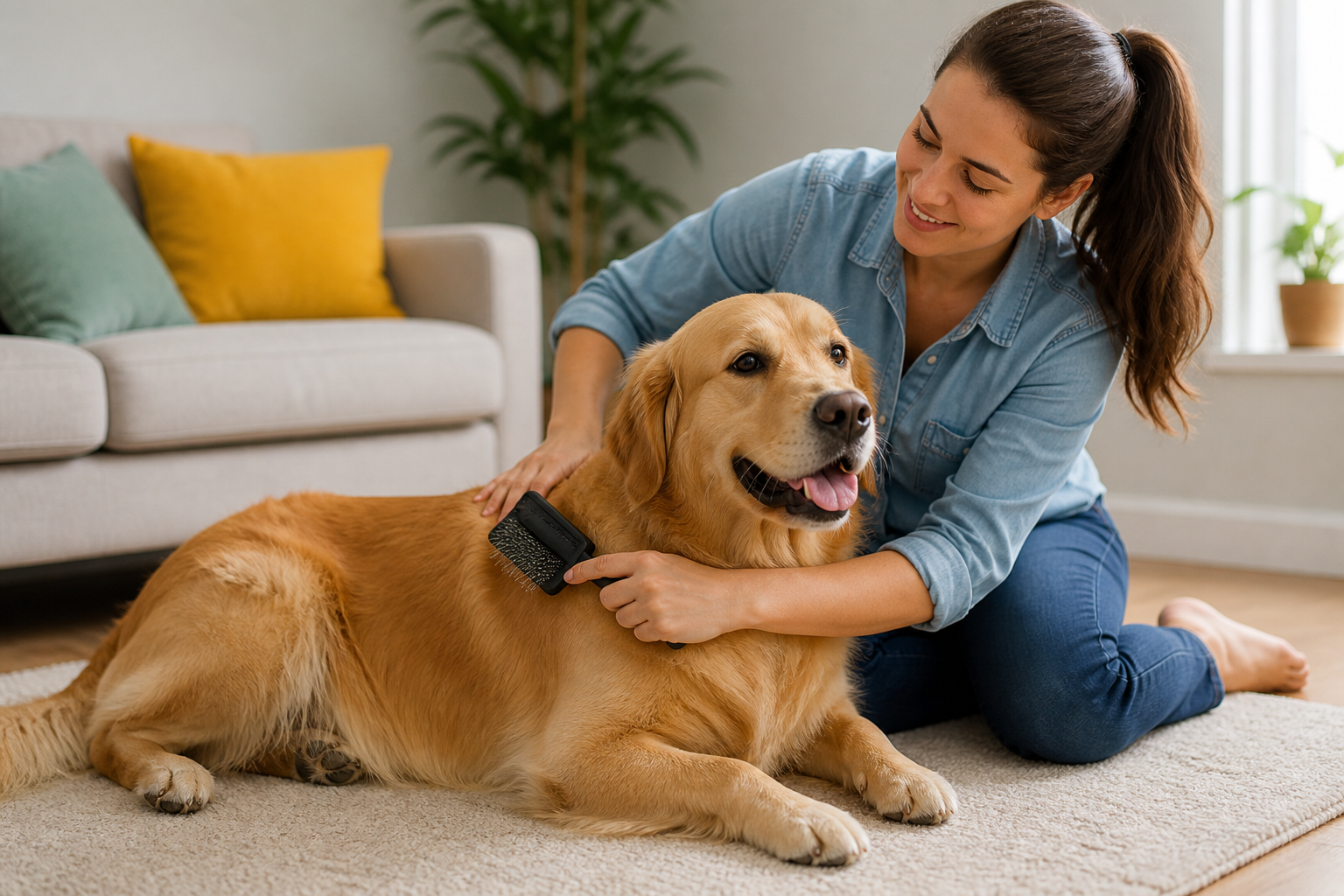
You are sitting on the rug with your dog when you notice a clump of fur drifting across the floor. Or perhaps you reach down to scratch their favorite spot behind the ears and feel a hard, painful knot of matted hair. These moments are more than just a cleaning chore. They are signs that your pet needs a hands-on grooming routine to stay comfortable and healthy. At BaxterBoo, we know that every coat is unique and requires a specific approach to stay in top shape. This guide covers the essential tools, techniques, and coat-specific strategies to help you master the art of home brushing. You will learn how to turn a potentially stressful task into a calm bonding experience that supports your dog's skin and coat health.
Quick Answer: Brush your dog at least once a week to remove loose fur and prevent mats. Use a slicker brush for most coat types and follow with a metal comb to ensure you have reached the skin.
Why Regular Brushing Matters for Your Dog
Brushing is the foundation of good hygiene. It does much more than just reduce the amount of hair on your furniture. When you run a brush through your dog's fur, you are stimulating the skin and distributing natural oils. These oils act as a built-in conditioner that keeps the coat shiny and provides a barrier against environmental irritants. Without regular brushing, these oils can sit at the surface of the skin, leading to a dull coat and potential irritation.
Regular sessions also help you keep an eye on your dog's physical health. As you work through the fur, you can feel for new lumps, bumps, or dry patches. It is the best time to check for external parasites like fleas or ticks. Early detection often makes these issues much easier to manage. Finally, brushing prevents matting. Mats are not just unsightly. They pull on the skin and can cause significant pain or even hide underlying skin infections.
Key Takeaway: Brushing promotes natural oil distribution and allows for early detection of skin issues and parasites.
Choosing the Right Tools
Using the wrong brush can make the process frustrating for both you and your dog. A brush that is too harsh can scratch the skin, while one that is too soft might only slide over the top of the hair without removing the undercoat. We carry a wide selection of tools in our dog grooming collection to ensure you have exactly what you need for your dog's specific hair texture.
The Slicker Brush
The slicker brush is a versatile tool for many breeds. It features a flat or slightly curved head with rows of thin wire pins. These pins are designed to grab loose hair and break up small tangles. It is excellent for medium to long hair and curly coats like those found on Poodles or Doodles.
Pin and Bristle Brushes
A pin brush looks similar to a human hairbrush. It has tipped wires that are gentler on the skin. This is a good choice for dogs with long, silky hair that does not mat easily. A bristle brush uses soft or firm natural or synthetic bristles. It is best for short-haired dogs to remove surface dust and add a polished shine.
The Metal Finishing Comb
Often called a Greyhound comb, this tool is essential for checking your work. After you think you are done brushing, run a metal comb through the fur. If it catches, there is still a tangle that needs attention. It is the only way to be sure you have reached all the way down to the skin.
Undercoat Rakes and Deshedding Tools
For dogs with thick double coats, a rake is necessary. These tools have long, sturdy tines that reach deep into the thick undercoat to pull out dead hair before it can shed on your carpet. Brands like Kong and Furminator offer specialized tools that target the undercoat without damaging the topcoat.
Vet Tip: If you notice your dog's skin is red, flaky, or has an unusual odor during brushing, consult your veterinarian. These can be signs of allergies or infections that may require prescription care.
Brushing by Coat Type
A Pug and a Pomeranian require very different techniques. Understanding your dog's coat type is the first step in creating an effective routine.
Short and Smooth Coats
Dogs like Boxers, Great Danes, and Beagles have short hair that lies close to the body. These dogs do not mat, but they can shed quite a bit. Use a rubber curry brush or a soft bristle brush once a week. Work in circular motions to loosen dead hair and then brush in the direction of hair growth to sweep it away.
Double Coats
Labradors, Huskies, and German Shepherds have a soft undercoat protected by a coarser outer coat. These dogs "blow" their coats twice a year, usually in the spring and fall. During these times, daily brushing is required. Use an undercoat rake to remove the bulk of the loose fluff and a slicker brush to smooth the top.
Long and Silky Coats
Yorkshire Terriers and Golden Retrievers have hair that continues to grow. This hair tangles easily. You should brush these dogs at least three times a week. Use a pin brush for the main body and a slicker brush for high-friction areas like the armpits and behind the ears.
Curly and Wavy Coats
Poodles and Bichon Frises have hair that traps shed fur instead of letting it fall to the ground. This leads to rapid matting if not managed. These coats require daily attention with a slicker brush and a metal comb. You must ensure you are brushing all the way to the skin, or mats will form close to the body where you cannot see them.
The Step-by-Step Brushing Process
Starting your session the right way ensures your dog remains calm and cooperative. Follow these steps for a successful home grooming session.
Step 1: Set the stage. / Find a quiet area with good lighting. If you have a small dog, place them on a sturdy table or counter with a non-slip mat. This saves your back and keeps the dog from wandering away.
Step 2: Perform a quick scan. / Run your hands over your dog's body to feel for large mats or sensitive spots. Check for ticks or burrs that need to be removed before you start with the tools.
Step 3: Start with the tail or legs. / Many dogs are sensitive about their faces. Starting at the back allows them to get used to the sensation. Use gentle, short strokes in the direction of hair growth.
Step 4: Use the line brushing technique. / For long-haired dogs, lift a section of hair with one hand and brush the hair underneath it. This ensures you are reaching the skin and not just skimming the surface.
Step 5: Check with the comb. / Once you have finished a section with the brush, run your metal comb through it. If it glides through, move on to the next area.
Step 6: Reward throughout. / Give small treats or verbal praise as you work. This builds a positive association with grooming.
Bottom line: Always brush in the direction of hair growth and use a metal comb to verify that every tangle is gone.
Managing Mats and Tangles Safely
If you find a mat, do not reach for the kitchen scissors. A dog's skin is very thin and can easily be pulled into a knot. Cutting a mat out with scissors often results in an accidental trip to the vet for stitches. Instead, try to work the mat out slowly.
Apply a detangling spray or a small amount of cornstarch to the knot. Use your fingers to pull the mat apart as much as possible. Then, use the edge of your slicker brush to gently pick at the hair, starting from the end of the hair and moving toward the skin. Hold the base of the hair with your other hand so you are not pulling directly on the skin. If a mat is too tight or large, it is safer to have a professional groomer or your vet shave it out.
For additional bathing and detangling guidance, see these tips for brushing and combing your dog after a bath.
Health Concerns Visible During Brushing
Your dog's coat is a reflection of their internal health. A sudden change in coat texture or excessive shedding can indicate a variety of health issues. If your dog has dry, itchy skin, they may be dealing with environmental or food allergies. We provide access to a full pharmacy through our pet care services. Our pharmacy carries FDA-approved medications and prescription diets from brands like Farmina Vet Life and Royal Canin that support skin health.
If you find fleas or ticks during your session, act quickly to prevent an infestation. We offer several flea and tick preventives, including Frontline and NexGard. Some of these options require a prescription, which our pharmacy can help you fulfill. Keeping your dog on a consistent preventive schedule is the best way to keep their skin healthy and free of pests.
Vet Tip: Never use human shampoo or detanglers on your dog. Dogs have a different skin pH than humans, and our products can strip their natural oils and cause severe irritation.
Training Your Dog to Love Brushing
Not every dog enjoys being groomed. If your pet is fearful or wiggly, you need to work slowly to build trust. Start by letting them sniff the brush. Give them a treat just for looking at it. Then, try one or two gentle strokes on a non-sensitive area like the shoulder. Reward them immediately.
Keep your initial sessions very short. Five minutes of a positive experience is better than twenty minutes of a struggle. Over time, you can increase the duration. If your dog shows signs of extreme stress, such as heavy panting, trembling, or growling, stop the session. For dogs with high anxiety, we carry calming supplements and gear in our Training and Behavior section to help them relax.
Seasonality and Shedding
Most dogs shed more during the spring and fall. This is known as "blowing the coat." During these transitions, the amount of hair you find in your brush can be shocking. This is normal. The dog is simply trading a thick winter coat for a lighter summer one, or vice-versa.
During shedding season, you may need to brush your dog every single day. Using a deshedding tool once a week can help manage the volume of fur. If the shedding seems excessive or if you notice actual bald spots, this is not normal seasonal shedding. In those cases, a visit to the vet is necessary to rule out hormonal imbalances or other medical conditions.
Key Takeaway: Seasonal coat changes require more frequent brushing to manage the increased volume of shed hair.
Maintaining Your Brushing Tools
To get the best results, you must take care of your gear. After every session, remove the hair from your brushes. You can use a comb to pull the hair out of the pins of a slicker brush. Periodically wash your brushes with mild soap and warm water to remove skin oils and dander. Ensure they are completely dry before storing them to prevent the metal pins from rusting.
Check your tools regularly for damage. If the pins on your slicker brush are bent or the tips are missing, it is time for a replacement. Damaged tools can scratch your dog's skin and make them dread their grooming time. Keeping your kit in good condition is a small investment that makes the job much easier.
Conclusion
Mastering the way you brush your dog's fur is one of the kindest things you can do for them. It keeps their skin healthy, their coat beautiful, and their body comfortable. By choosing the right tools from the curated selection at BaxterBoo and using the correct techniques for your dog's coat type, you can manage shedding and prevent painful mats. Remember to stay patient and use plenty of positive reinforcement. If you encounter skin issues or persistent parasites during your sessions, our pharmacy is here to help with FDA-approved medications and prescription diets.
- Brush weekly to distribute natural oils and prevent tangles.
- Match your brush type to your dog's specific coat texture.
- Use the line brushing method to reach the skin on long-haired breeds.
- Always check your work with a metal finishing comb.
Bottom line: Consistent brushing is a simple yet powerful way to support your dog's overall wellness and strengthen your bond.
FAQ
How often should I brush my dog?
Most dogs benefit from a thorough brushing at least once a week. However, dogs with long hair, curly coats, or thick undercoats often require brushing every two or three days to prevent matting. During seasonal shedding periods, daily brushing is often necessary to keep up with the volume of loose fur.
Should I brush my dog's fur when it is wet or dry?
It is almost always better to brush your dog when the fur is completely dry. Water can cause existing mats to tighten and shrink, making them much harder and more painful to remove. If you are giving your dog a bath, make sure to brush out all tangles before they get in the water and again once they are fully dry.
What should I do if my dog has a very large mat close to the skin?
If a mat is tight against the skin, do not try to brush it out or cut it with scissors. The skin is likely pulled into the knot, and you could easily cause a serious injury. In these cases, it is safest to visit a professional groomer or a veterinarian to have the mat safely removed with electric clippers.
Why does my dog's coat look dull even though I brush regularly?
A dull coat can be caused by several factors, including poor diet, lack of essential fatty acids, or underlying health issues. While brushing helps distribute oils, the quality of those oils depends on nutrition. If a high-quality diet and regular brushing do not help, talk to your vet about potential allergies or the need for a skin and coat supplement.






