
 Save 15% on your 1st Autoship learn more

 Email us
 Live Chat
 FAQs
FAQs





Introduction
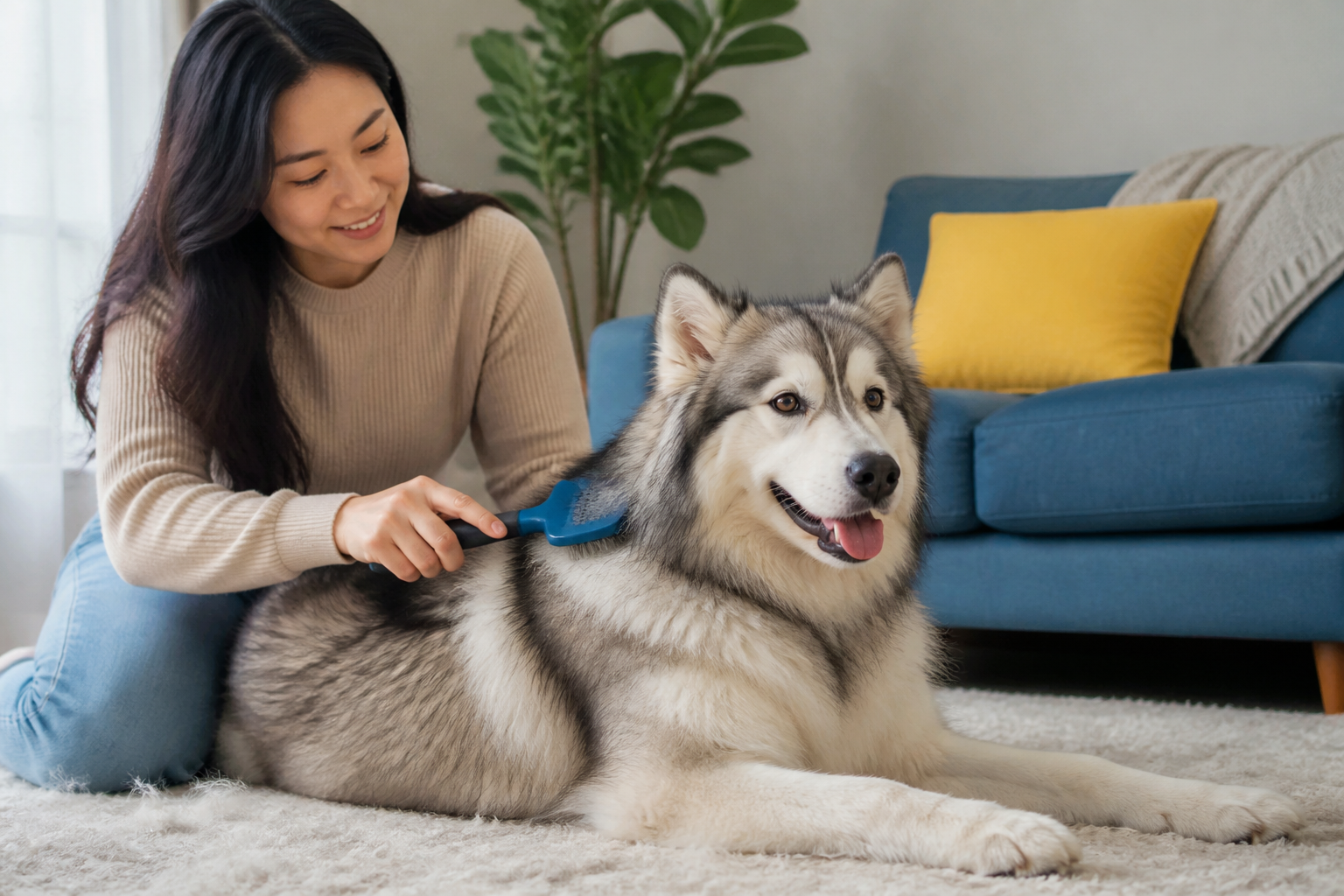
If you have ever looked at your living room floor and wondered if a second, invisible dog has moved in, you likely own a double coated breed. The constant "tumbleweeds" of fur drifting across the hardwood are a standard part of life for owners of Huskies, Golden Retrievers, and Labs. At BaxterBoo, we know that managing this type of coat can feel like a full time job. A double coat is a complex system designed to protect your dog from both heat and cold, but it requires a specific approach to keep it functional and mat-free. This guide will walk you through the exact tools and techniques needed to maintain your dog's coat like a professional. You will learn why the undercoat matters, how to tackle the toughest tangles, and why your brushing routine is the best defense against a house full of fur.
Understanding the Two Layers of a Double Coat
Before you pick up a brush, it helps to understand what you are working with. A double coat consists of two distinct layers that serve very different purposes. The topcoat is made of longer, coarser "guard hairs" that give the dog its color and repel water and dirt. Beneath that lies the undercoat. This layer is soft, dense, and fuzzy. It acts as insulation, keeping the dog warm in the winter and cool in the summer by trapping a layer of air against the skin.
Many owners assume that a thick coat means the dog is overheating in the summer. This lead to the common mistake of shaving the dog. Shaving actually removes the insulation that protects them from the sun and heat. Without that undercoat to regulate their temperature, a dog is at a higher risk for heatstroke and sunburn. Your goal with brushing is not to remove the coat but to remove the dead, loose fur that gets trapped inside it.
The Essential Toolkit for Double Coated Breeds
You cannot maintain a double coat with a single, generic brush. Because you are dealing with two layers of fur, you need tools that can reach the skin without damaging the guard hairs. Having the right equipment makes the process faster for you and more comfortable for your dog. Explore our dog brushes and combs when assembling your grooming kit.
The Slicker Brush
This is the workhorse of your grooming kit. A slicker brush has fine, short wires closely spaced together on a flat or curved surface. It is excellent for removing loose hair and breaking up small surface tangles. When using a slicker brush, always use a light hand to avoid "brush burn" on the skin.
The Undercoat Rake
An undercoat rake is a tool with long, metal tines that look like a miniature garden rake. These tines are designed to bypass the topcoat and pull out the dead, fuzzy undercoat before it can weave itself into a mat. This is the most important tool for "blowing coat" season in the spring and fall.
The Metal Greyhound Comb
Often called a finishing comb, this tool has two different spacings for the teeth. It is used to check your work. If the comb can slide through the coat from skin to tip without snagging, you have successfully removed all the tangles.
Detangling Spray and Conditioners
Brushing a dry, dirty coat can cause the hair to snap and break. A quality detangling spray or a diluted conditioner provides "slip," allowing your tools to glide through the fur. This keeps the guard hairs intact and makes the experience much more pleasant for your dog. You can also browse our dog grooming supplies for bathing and coat-care products.
Quick Answer: Brushing a double coated dog requires reaching the undercoat near the skin. Use an undercoat rake to remove loose fuzz and a slicker brush for the topcoat, always working in sections to ensure you do not miss hidden mats.
The Step-by-Step Brushing Process
Brushing a double coated dog is a marathon, not a sprint. If you try to brush the whole dog at once without a plan, you will likely miss the areas where mats love to hide.
Step 1: The Initial Surface Pass
Start with your slicker brush. Go over the dog's entire body using gentle, sweeping motions. This removes any loose dirt, dried mud, or surface debris. It also helps your dog relax and get used to the feeling of the grooming session.
Step 2: Line Brushing the Undercoat
This is the most critical technique for double coats. Start at the bottom of a leg or the base of the tail. Use one hand to push the hair upward, exposing a "line" of skin. With your other hand, use the undercoat rake to brush down from that line. Work your way up the body, exposing a new line of skin with every pass. This ensures you are brushing from the skin out, rather than just skimming the top.
Step 3: Checking with the Comb
After you have line-brushed a section, follow up with your metal comb. Start at the tips of the hair and work your way down toward the skin. If the comb catches, do not yank it. Go back to your slicker brush or rake to gently tease out the snag.
Step 4: Focus on the "High Friction" Areas
Certain parts of the dog are more prone to matting because of movement and friction. Pay extra attention to:
- Behind the ears
- The armpits
- The "trousers" (the long fur on the back of the thighs)
- The area under the collar or harness
Key Takeaway: Proper grooming requires the "line brushing" technique. By separating the hair to see the skin, you ensure that the dense undercoat is fully cleared of dead fur and debris.
Why Shaving is Rarely the Answer
One of the biggest misconceptions in pet care is that shaving a double coated dog helps them stay cool. In reality, shaving can cause permanent damage to the coat's texture. When the hair grows back, the undercoat often grows faster than the guard hairs. This results in a coat that is "velvety" and even more prone to matting than before.
Furthermore, the guard hairs provide a shield against UV rays. A shaved dog is highly susceptible to sunburn and skin cancer. Instead of shaving, focus on a thorough de-shedding routine. Removing the dead undercoat allows air to circulate against the skin, which is the dog's natural way of staying cool. For another perspective on seasonal undercoat care, read how double-coated dogs shed throughout the year.
The Connection Between Bathing and Brushing
Many owners find that their dog sheds more right after a bath. This is actually a good thing. The warm water and the action of scrubbing with shampoo help loosen the dead hair that is stuck in the coat. However, you must be careful about when you brush during the bathing process.
Never bathe a dog that is already matted. The water will act like a sponge, causing the mats to tighten and shrink. This can make them almost impossible to remove without cutting them out. Always do a thorough brush-out before the dog gets wet.
Once the dog is in the tub, using a high-quality conditioner can help release even more undercoat. Some professional groomers use a high-velocity dryer after the bath to "blow out" the remaining loose fur. If you do this at home, make sure the dog is comfortable with the noise and the sensation of the air.
Vet Tip: If you notice your dog's skin is red, bumpy, or has a strong odor while you are brushing, please consult your veterinarian. These can be signs of a skin infection or hot spots that may require prescription treatment from our pet pharmacy.
Managing the Seasonal "Blow Out"
Most double coated dogs "blow" their coat twice a year. This usually happens in the spring as they lose their heavy winter undercoat and in the fall as they prepare for new growth. During these times, you may need to brush your dog every single day.
If the undercoat is not removed during a blow-out, it can become "impacted." Impacted fur is a thick, solid layer of dead hair that prevents skin from breathing. This can lead to painful skin irritations and hot spots. Regular use of an undercoat rake during these seasonal shifts is the best way to prevent impaction.
Checklist for a Successful Grooming Session:
- Use a detangling spray to prevent hair breakage.
- Start from the bottom of the dog and work your way up.
- Always brush in the direction of hair growth.
- Keep sessions short and offer plenty of treats.
- Use a metal comb to verify that you reached the skin.
Dealing with Existing Mats and Tangles
Even with the best intentions, mats can happen. If you find a mat, do not reach for the scissors immediately. Cutting out a mat can leave a hole in the coat and carries the risk of accidentally nicking the dog's skin.
Instead, apply a small amount of detangling cream or oil directly to the mat. Use your fingers to gently pull the mat apart from the edges. Once it is loosened, use the end tooth of your metal comb to pick at the mat, slowly breaking it into smaller pieces. Only when a mat is so tight that it is pulling the skin should you consider having a professional groomer or vet remove it with clippers.
The Role of Nutrition in Coat Health
A healthy coat starts from the inside out. If a dog is not getting the right balance of Omega-3 and Omega-6 fatty acids, their fur may become brittle and more likely to tangle. Many double coated breeds benefit from a high-quality diet or supplements designed to support skin and coat health.
At BaxterBoo, we carry a variety of premium foods and supplements that can help keep that topcoat shiny and the undercoat soft. If your dog has persistent skin issues or an extremely dull coat, it is a good idea to talk to your vet. They may recommend a prescription diet or a specific supplement routine to address underlying health concerns. Browse our dog skin and coat care selection for related grooming and nutrition products.
Making Brushing a Positive Experience
For many dogs, the sight of a brush makes them want to hide under the bed. It is important to build a positive association with grooming from a young age. If you have a puppy, start by just touching them with the brush and immediately giving a high-value treat.
For adult dogs that are already nervous, keep your grooming sessions very short. Spend five minutes on one leg, then stop. Over time, your dog will learn that grooming is a calm, rewarding activity rather than a scary ordeal. Using a licking mat with some peanut butter can also be a great way to keep them occupied while you work on their undercoat.
Bottom line: Consistent, gentle brushing is more effective and less stressful than a once-a-month "marathon" grooming session.
Health Benefits of Regular Brushing
Brushing is about more than just keeping your house clean. It is a vital part of your dog's overall health care. When you brush your dog weekly, you are performing a mini-physical exam. You are much more likely to notice a new lump, a tick, or a sore spot when you are looking at their skin through a line-brushing routine.
Early detection of skin masses or parasites can make a huge difference in treatment outcomes. Additionally, the act of brushing stimulates the skin and distributes natural oils. This keeps the skin hydrated and the coat resilient against the elements.
When to See a Professional Groomer
While home maintenance is essential, there are times when a trip to a professional is the best choice. If your dog's coat is severely matted to the skin, a professional has the specialized equipment to safely remove the mats without hurting the dog.
Professionals also have access to high-velocity dryers and specialty bathing tubs that can remove significantly more undercoat than a standard home bath. Many owners of double coated dogs find that a professional de-shedding treatment once every few months makes their home grooming much easier to manage.
Grooming for Different Double Coat Varieties
Not all double coats are the same. A Labrador's short, dense coat requires different care than the long, flowing coat of a Great Pyrenees.
Short Double Coats (Labs, Beagles)
These breeds shed constantly. A rubber curry brush or a short-toothed slicker brush works best for them. You don't need to line-brush as intensely, but frequent sessions are necessary to keep the hair off your furniture.
Long Double Coats (Collies, Newfoundlands)
These breeds are the "mat kings." They require the full line-brushing routine and frequent use of detangling sprays. Their "feathers" on the legs and tail are especially prone to tangling and need daily attention.
Arctic Double Coats (Huskies, Malamutes)
These dogs have a very oily, water-resistant topcoat and a incredibly dense undercoat. During shedding season, you will need a heavy-duty undercoat rake. Be prepared for a massive volume of fur during the spring blow-out.
Key Takeaway: Tailor your tool selection to your dog's specific coat length and density to achieve the best results with the least amount of effort.
Conclusion
Managing a double coated dog requires patience, the right tools, and a consistent routine. By using the line-brushing technique and avoiding the temptation to shave the coat, you are protecting your dog's natural ability to regulate their temperature. Regular grooming sessions at home allow you to bond with your pet while keeping a close eye on their skin health. Our team at BaxterBoo is here to help you find the perfect slicker brushes, rakes, and conditioners to make the job easier.
Whether you are dealing with a seasonal blow-out or just trying to keep up with daily shedding, remember that every hair you catch in the brush is one less hair on your sofa. For added convenience, consider setting up our Autoship programme for your favorite grooming sprays and shampoos so you never run out when you need them most.
Bottom line: A well-brushed double coat is a dog's best defense against the weather and your best defense against a messy home.
FAQ
How often should I brush my double coated dog?
For most breeds, a thorough brushing twice a week is enough to maintain the coat and prevent mats. However, during the heavy shedding seasons of spring and fall, you may need to brush daily to keep up with the volume of loose undercoat. Frequent, shorter sessions are often easier for both you and your dog than one long session.
Is it okay to use a de-shedding tool like a Furminator?
These tools can be effective, but they must be used with caution. They often have a small blade that can cut the guard hairs if used too aggressively or too frequently. It is usually better to rely on an undercoat rake and a slicker brush for regular maintenance, saving the heavy de-shedding tools for the peak of shedding season.
Why does my dog still shed so much even though I brush them?
Double coated dogs are designed to cycle their fur constantly. If the shedding seems excessive or you notice bald spots, it could be a sign of a nutritional deficiency or an underlying health issue like allergies. Ensure they are on a high-quality diet and consult your vet if the shedding is accompanied by skin redness or constant itching.
Can I brush my dog while their fur is wet?
It is generally best to brush your dog when they are dry or only slightly damp with a detangling spray. Wet hair is more elastic and prone to stretching and breaking. Furthermore, if your dog has any existing mats, water will cause them to tighten, making them much harder to remove safely once the dog is wet.






