
 Save 15% on your 1st Autoship learn more

 Email us
 Live Chat
 FAQs
FAQs





Introduction
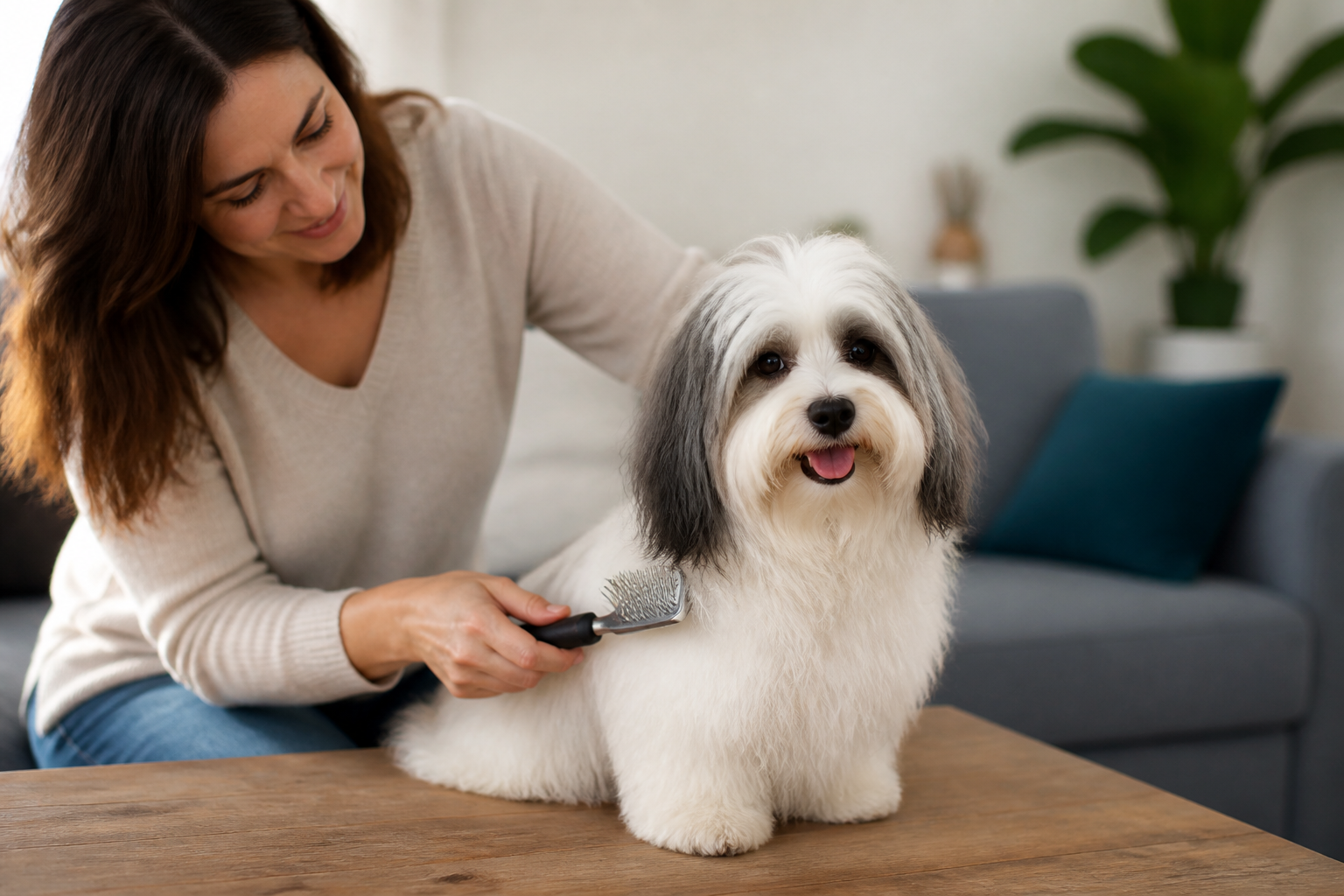
Maintaining the soft, cloud-like coat of a Havanese is one of the most rewarding parts of owning this affectionate breed. You likely enjoy how they feel when they curl up in your lap, but you may also notice how quickly those silky strands can turn into stubborn knots. At BaxterBoo, we know that keeping that signature look requires more than just a quick surface brushing. This guide covers the specific tools you need and the "line brushing" technique that professionals use to prevent matting. We will also help you identify the common trouble spots where tangles hide. By following these steps, you can turn grooming sessions into a bonding experience that keeps your dog comfortable and healthy.
Quick Answer: To brush a Havanese, use the line brushing technique by lifting the hair and brushing from the skin outward in small sections. You will need a high-quality pin brush, a slicker brush for tangles, and a metal comb to check your work. This should be done two to three times per week to prevent the soft double coat from matting.
Understanding the Havanese Coat
The Havanese has a unique coat that sets it apart from many other small breeds. It is technically a double coat, which usually means a coarse outer layer and a soft undercoat. In this breed, however, both layers are exceptionally soft and silky. This texture is beautiful, but it creates a "velcro" effect. Instead of loose hair falling out onto your furniture, the shed hair gets trapped inside the coat.
When this loose hair stays in the coat, it wraps around the healthy, growing hairs. This is how tangles begin. If these tangles are not brushed out, they tighten into mats. Mats are not just an aesthetic issue. They pull on the skin, causing discomfort and even restricted movement. They can also trap moisture against the skin, which may lead to infections or hot spots.
The coat can also be quite wavy or even curly. This adds another layer of complexity to grooming. The hair continues to grow throughout the dog's life, meaning a long coat requires a serious commitment to maintenance. Even if you choose a shorter puppy cut, you still need to brush regularly to keep the hair from clumping.
Key Takeaway: Because Havanese hair traps shed fur instead of dropping it, regular brushing is the only way to prevent painful mats from forming close to the skin.
Must-Have Grooming Tools
You cannot achieve professional results without the right equipment. Using the wrong brush can actually damage the hair or cause your dog pain, making them fearful of grooming. We recommend keeping a dedicated kit ready for your weekly sessions. Our dog grooming collection includes brushes, combs, shampoos, conditioners, and other coat-care supplies.
The Pin Brush
A high-quality pin brush is your primary tool. Look for one with smooth, rounded pins. Avoid brushes with plastic "bobbles" on the ends of the pins. These bobbles can catch on the hair and split the ends. A good pin brush should feel gentle on your own skin. If it feels scratchy when you run it over your arm, it will be uncomfortable for your dog.
The Slicker Brush
A slicker brush has fine, wire bristles that are slightly hooked. This tool is excellent for fluffing the coat and pulling out loose hair. It is especially useful for breaking up early tangles before they become dense mats. Use a soft-padded slicker brush to ensure you do not irritate the delicate skin underneath the silk. You can compare options in our dog brushes and combs category.
The Metal Greyhoud Comb
The comb is your most important checking tool. While a brush might smooth the top layer of hair, a comb tells the truth about what is happening near the skin. A stainless steel comb with both wide and fine teeth is ideal. If the comb cannot glide through a section of hair, you still have work to do.
Detangling Spray
Never brush a bone-dry Havanese coat. Dry brushing can cause static and lead to hair breakage. A light mist of detangling spray or a mixture of water and a little leave-in conditioner adds "slip" to the hair. This makes it much easier to work through knots without pulling.
| Tool Name | Primary Purpose | Why It Is Essential |
|---|---|---|
| Pin Brush | Daily maintenance | Separates long hairs without breaking them. |
| Slicker Brush | Tangle removal | Grabs loose undercoat hair and fluffs the coat. |
| Metal Comb | Checking work | Ensures there are no hidden mats near the skin. |
| Detangling Spray | Coat protection | Prevents static and breakage during brushing. |
The Line Brushing Method
Line brushing is the gold standard for long-haired breeds. It ensures that you are reaching the skin and not just polishing the surface. We offer a wide selection of grooming tools at BaxterBoo to make this job easier, but the technique is what makes the biggest difference.
Step 1: Lay your dog on their side. / Most dogs find this relaxing once they are used to it. It allows you to reach the belly and the inner legs easily.
Step 2: Lift a section of hair. / Use your non-dominant hand to push the hair upward, exposing a "line" of skin.
Step 3: Brush the hair downward. / Using your pin brush, brush the small section of hair from the skin outward.
Step 4: Move the line upward. / Once that small section is clear, drop a tiny bit more hair down and repeat the process.
Step 5: Check with your comb. / After you finish an entire area, like a leg or the ribcage, run your metal comb through it. If it catches, go back to the brush.
Bottom line: Line brushing is a systematic way to ensure every single hair on your dog's body is detangled from root to tip.
Targeting Trouble Spots
Some areas of a Havanese are more prone to tangling than others. These are usually "friction zones" where the hair rubs against itself or other objects. You should pay extra attention to these spots during every session.
Behind the Ears
The hair behind a Havanese's ears is incredibly fine and soft. It is also an area that gets a lot of movement. Mats often form here unnoticed. Check this area every day if possible.
The Armpits and Groin
As your dog walks and runs, the hair in their armpits and groin area rubs together. This friction creates tight, small knots very quickly. Because these areas are sensitive, take your time and be very gentle.
The Collar Line
If your dog wears a collar or harness all the time, the hair underneath will mat. The constant rubbing of the fabric against the silky hair acts like a felt maker. We recommend removing the collar at home or using a rolled leather collar to reduce friction.
The Paws and Hocks
Havanese dogs pick up debris from the yard easily. Leaves, twigs, and burrs can get stuck in the long hair on their legs and between their toes. If left alone, these objects will quickly become the center of a large mat.
- Check behind ears daily.
- Feel the armpits for "peas" (small knots).
- Remove the collar during grooming to reach the neck.
- Trim the hair between the paw pads to reduce debris collection.
Handling Tangles and Mats
Even with regular brushing, you might find a mat. The key is to handle it calmly so your dog does not associate grooming with pain. Never pull on a mat with a brush, as this will only tighten the knot and hurt the dog. Our selection of BASS Brushes products includes detangling and bathing tools for regular coat care.
If you find a mat, apply a generous amount of detangling spray directly to it. Use your fingers to gently pull the mat apart into smaller sections. This is often called "picking" the mat. Once you have separated the fibers as much as possible, use the end tooth of your metal comb to tease the hair out. Start at the very end of the hair and slowly work your way toward the skin.
For very stubborn mats, you can use a small amount of cornstarch. Rub the starch into the knot. It helps the hair strands slide against each other, making them easier to untangle. If a mat is tight against the skin or causing visible redness, do not try to brush it out. It is better to have a professional groomer or veterinarian safely shave that specific spot.
Vet Tip: If your dog's skin looks red, crusty, or has a foul odor under a mat, consult your veterinarian. These can be signs of a skin infection or "mat sores" that require medical attention. Our pet pharmacy provides access to prescription products through our partnership with Pet's Choice if your vet identifies an ongoing skin condition.
Bathing Your Havanese
Bathing is a vital part of coat care, but it can be a disaster if done at the wrong time. The most important rule of Havanese grooming is to never bathe a matted dog. Water acts like a glue for knots. If you put a dog with tangles into a bath, those tangles will shrink and tighten as they dry, making them almost impossible to remove.
Always perform a thorough line brushing and comb-through before the dog gets wet. Once the coat is clear, use a high-quality shampoo and a heavy conditioner. Havanese hair needs moisture to stay elastic and strong. When applying products, do not scrub the hair in a circular motion. This creates new tangles. Instead, massage the shampoo and conditioner in the direction the hair grows. For bathing products, explore our bath and shower supplies.
Rinse the coat until the water runs completely clear. Any leftover soap will cause the skin to itch. A dog that scratches will quickly create new mats. After the bath, pat the hair dry with a towel. Do not rub. If you use a hair dryer, use a low heat setting and brush the hair as you dry it to ensure it stays straight and smooth.
For additional bathing guidance, see our article on the dos and don'ts of bathing your dog.
Professional Care and Skin Health
While home brushing is essential, most Havanese owners benefit from a regular relationship with a professional groomer. A professional can handle tasks like expressing anal glands, plucking ear hair, and performing a sanitary trim. Usually, a visit every six to eight weeks is ideal.
Between visits, keep an eye on your dog's skin. Because the coat is so thick, it can hide fleas, ticks, or skin irritations. If you notice your dog scratching excessively or if the coat looks dull, it may be time to look at their internal health.
Healthy skin starts from within. Premium food and supplements rich in Omega fatty acids can help keep the coat silky and reduce breakage. If your dog suffers from seasonal allergies that affect their skin, we can help. Our pharmacy provides access to prescription allergy medications and specialized diets through our Pet's Choice partnership. This is a practical way to manage chronic skin issues that make grooming difficult for your pet.
Bottom line: A clean, well-brushed coat is the first line of defense against skin infections and parasites.
Conclusion
Brushing a Havanese is a commitment, but it is one that pays off in a happier, more comfortable dog. By using the line brushing technique and the right tools, you can keep their coat looking beautiful and free of painful mats. Remember to focus on friction zones like the ears and armpits, and always brush before you bathe. Consistency is much better than intensity. Brushing for ten minutes three times a week is far more effective than a two-hour marathon once a month. Browse our full grooming collection to find the perfect match for your pup. Whether you need a new pin brush or a soothing conditioner, we have the expert-vetted supplies to help you succeed.
FAQ
How often should I brush my Havanese dog?
You should aim to brush your Havanese at least two to three times per week. If you keep your dog in a full, long show coat, daily brushing is often necessary to prevent the fine hair from tangling. Regular sessions keep the coat manageable and prevent small knots from turning into large, painful mats.
Can I brush my Havanese when the hair is dry?
It is best to avoid brushing a completely dry coat. Dry hair is more prone to static and breakage, which can damage the silky texture. Lightly mist the coat with a detangling spray or a mixture of water and conditioner before you start to provide protection and slip.
What should I do if I find a large mat?
Do not try to pull the mat out with a brush, as this is painful for your dog. Apply detangling spray or cornstarch to the area and use your fingers to gently pull the mat apart. Use the edge of a metal comb to tease the hair out slowly, starting from the ends and working toward the skin.
Why does my Havanese get mats even though I brush them?
You might only be brushing the top layer of the hair. If you do not use the line brushing technique to reach the skin, shed hair stays trapped underneath and forms mats. Always finish your grooming session with a metal comb to ensure you haven't missed any tangles near the skin.






