
 Save 15% on your 1st Autoship learn more

 Email us
 Live Chat
 FAQs
FAQs





Introduction
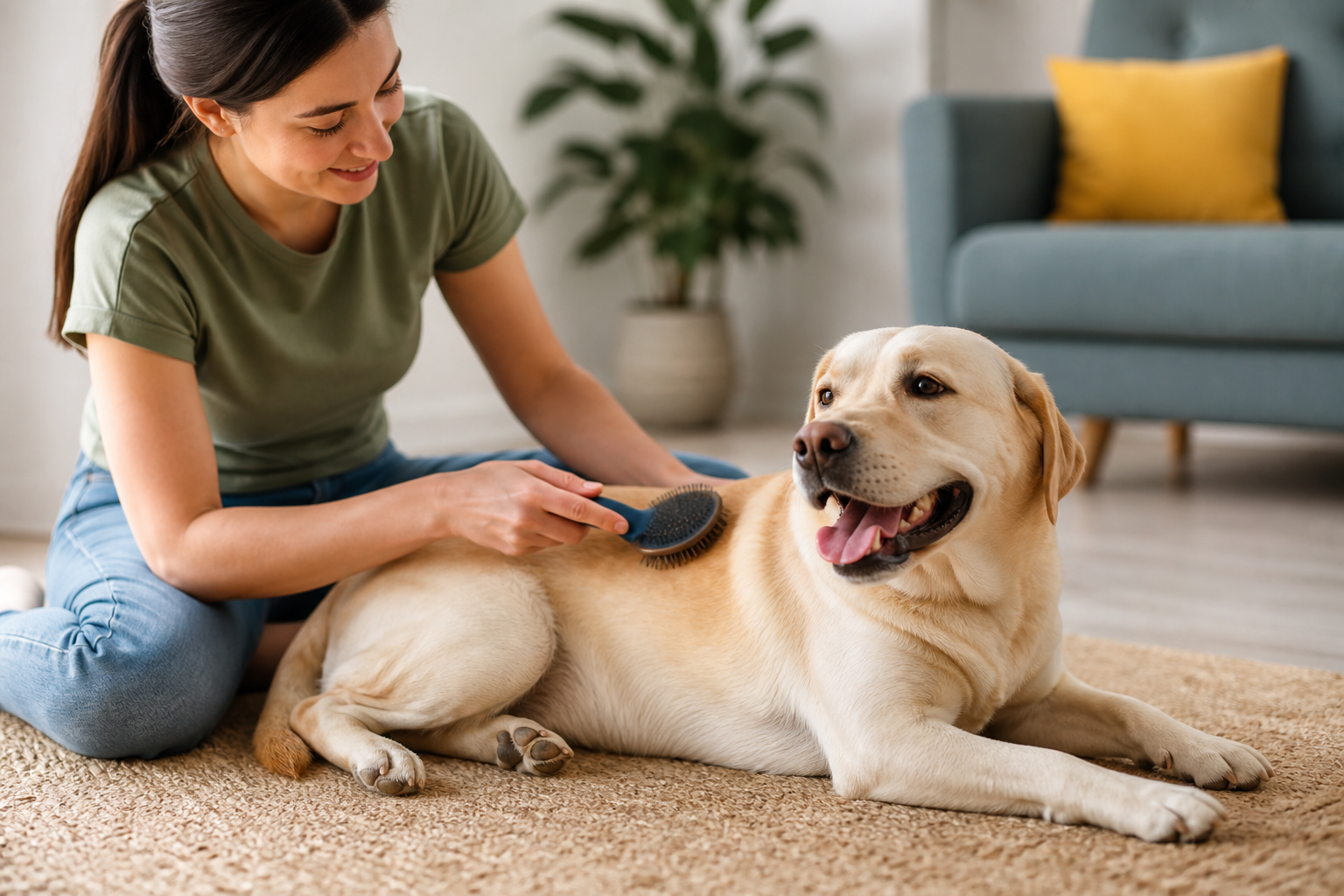
You might think that living with a Boxer or a Beagle means you are safe from the endless piles of fur that come with a Husky. Then you sit on your sofa in a black t-shirt and realize those short, stiff hairs have woven themselves into the fabric like tiny needles. Short haired dogs might not get tangles or mats, but they certainly shed. At BaxterBoo, we know that a regular grooming routine is the best way to keep your home clean and your dog comfortable. This guide covers the specific tools you need and the best techniques for managing short coats. We will help you turn a chore into a bonding moment that supports your dog's skin health. Following these steps will keep that coat shiny and your furniture fur-free.
Quick Answer: Brushing a short haired dog requires a rubber curry brush or a soft bristle brush. Use circular motions to loosen dead hair and then brush in the direction of hair growth to remove it. Regular sessions twice a week will significantly reduce household shedding.
Why Short Haired Dogs Need Regular Brushing
Many owners assume short coats are maintenance-free. While you will not deal with painful mats, these dogs have unique grooming needs. Short haired breeds like Labrador Retrievers and Dalmatians often have a dense undercoat. This hair falls out year-round and can irritate the skin if it stays trapped against the body.
Brushing does more than just remove dead hair. It acts as a massage that improves blood flow to the skin. It also helps spread natural oils across the body. These oils are the secret to that healthy, glossy sheen you see on show dogs. Without regular brushing, these oils can build up and make the coat feel greasy or smell "doggy."
Grooming is also your best opportunity for a health check. As you move the brush over their body, you can feel for new lumps, bumps, or sores. You might spot a tick or flea before it becomes a major problem. It is much easier to treat a small skin irritation early than to wait until it becomes a hot spot.
Key Takeaway: Brushing short haired dogs is essential for distributing natural oils and identifying skin issues early.
Selecting the Right Tools for the Job
You cannot use the same brush on a Pit Bull that you would use on a Golden Retriever. The wrong tool can be too abrasive on their thin skin. We carry a wide variety of options in our dog grooming collection designed specifically for short coats.
Rubber Curry Brushes
The rubber curry brush is the most important tool in your kit. These brushes have soft rubber nubs that act like a magnet for loose hair. The KONG Zoom Groom Natural Rubber Dog Grooming Brush is a classic example that many professional groomers use. The rubber teeth reach through the topcoat to grab the loose fur underneath without scratching the skin.
Soft Bristle Brushes
Once you have loosened the hair with a rubber brush, a bristle brush finishes the job. Look for brushes with natural or soft nylon bristles. These are perfect for flicking away the hair you just loosened. They also polish the coat and give it a mirror-like shine.
De-shedding Tools
For heavy shedders like Labs or Pugs, a dedicated de-shedding tool is helpful. These tools have a fine-toothed metal edge that reaches deep into the coat. Brands like Safari offer tools specifically for short haired breeds. You must use these with a light touch to avoid "brush burn" on the skin. For more options, browse our dog brushes and combs.
Grooming Gloves
If your dog is nervous about traditional brushes, grooming gloves are a great alternative. You simply wear the glove and pet your dog like normal. The rubber nodules on the palm pick up hair while your dog feels like they are just getting extra attention.
- Rubber curry brush for deep cleaning.
- Bristle brush for shine and finishing.
- De-shedding tool for seasonal heavy shedding.
- Grooming wipes for a final clean.
The Step-by-Step Brushing Process
Brushing should be a calm experience for both of you. If your dog is wiggly, start with short sessions and plenty of treats. Always choose a spot that is easy to clean, such as a tiled floor or even outside on a nice day.
Step 1: Loosen the Hair
Start with your rubber curry brush. Use gentle, circular motions all over the dog's body. Think of it like a massage. This motion pulls the dead hair away from the skin and brings it to the surface. Pay extra attention to the neck and the "trousers" on the back legs, as hair is often densest there.
Step 2: Remove the Debris
Switch to your bristle brush or a grooming glove. Brush in the direction of the hair growth. Use long, sweeping strokes starting at the neck and moving toward the tail. This will sweep away all the hair you just loosened. You will likely see clouds of fur flying off at this stage.
Step 3: Use a De-shedding Tool
If your dog is in a heavy shedding season, use your de-shedding tool now. Use very light pressure. Never go over the same spot more than two or three times. Avoid bony areas like the spine, hips, and elbows where the skin is thin.
Step 4: The Final Polish
Finish with a soft cloth or a grooming wipe. This picks up any remaining dust or dander. It also ensures the natural oils are perfectly distributed for maximum shine.
Vet Tip: If you notice your dog has red skin, bald patches, or is scratching excessively, consult your veterinarian. These can be signs of allergies or parasites that a brush cannot fix. Our pharmacy carries FDA-approved treatments for skin conditions through our partnership with Pet's Choice.
Managing the Mess During Grooming
Short hair is notorious for sticking to everything. It is often easier to manage the mess if you brush your dog right before bath time. The water will help wash away any lingering loose hairs that the brush missed.
If you are brushing indoors, have a vacuum nearby. Some owners find that putting a damp towel under the dog helps catch the falling hair. You can also use a high-velocity dryer to blow out the coat after brushing if you are working outside. This is a common trick used by professionals to get every last loose hair off the body.
Bottom line: Brushing before a bath and using circular motions are the most effective ways to manage short haired shedding.
How Often Should You Brush?
Frequency depends on the specific breed and the time of year. Most short haired dogs benefit from a thorough brushing twice a week. During the spring and fall, when many dogs "blow" their coats, you may need to brush every day.
Over-brushing can be an issue if you use metal tools. If you use a rubber curry brush, you can safely use it every day. It is gentle enough that it will not damage the skin or the hair follicles. Regular sessions keep the hair from building up in your carpet. For another perspective on seasonal shedding, read how grooming can help manage a dog's shedding.
Recommended Schedule by Breed Type:
- Smooth coats (Boxers, Greyhounds): Once or twice a week.
- Dense short coats (Labs, Beagles): Two to three times a week.
- Double-coated short hair (Corgis, Shibas): Three times a week or daily during shedding season.
Dealing with Skin Sensitivity
Some short haired dogs have very sensitive skin. Breeds like Pit Bulls or French Bulldogs are often prone to environmental allergies. If the skin looks pink or irritated, stop brushing immediately.
Using a brush with hard plastic or metal bristles can cause micro-scratches. This can lead to infections. Stick to soft rubber or natural bristles for these sensitive pups. If your dog has a history of skin issues, we offer various supplements that support skin health. Products from Zesty Paws or Honest Paws can help strengthen the skin barrier from the inside out.
Key Takeaway: Always match the firmness of the brush to your dog's skin sensitivity to avoid irritation.
The Role of Nutrition in Coat Health
A healthy coat starts with what your dog eats. If your dog's hair is brittle or falling out in clumps, it might be a nutritional issue. High-quality foods from brands like Farmina, Open Farm, or Orijen provide the essential fatty acids needed for a shiny coat.
Omega-3 and Omega-6 fatty acids are crucial. If the diet is lacking these, the skin becomes dry and the hair becomes loose. You might notice more shedding than usual. Adding a salmon oil supplement can make a massive difference in just a few weeks.
At BaxterBoo, we also offer prescription diets through our pharmacy partnership. If your vet recommends a specific food for skin allergies or sensitivities, you can find options like Farmina Vet Life in our selection. These diets are formulated to reduce inflammation and support the skin.
- Look for foods with real meat as the first ingredient.
- Ensure the food has added Omega-3 fatty acids.
- Avoid foods with excessive fillers that can trigger allergies.
Making Grooming a Positive Experience
If your dog runs away when they see the brush, you need to change their perspective. Start by leaving the brush on the floor near their food bowl. Let them sniff it and get used to its presence.
Give them a high-value treat every time you touch them with the brush. You do not even have to "brush" them at first. Just touch the brush to their side and give a treat. Gradually work up to one stroke, then two. Within a week, most dogs will realize that the brush means good things are coming.
Using a Lickimat can also be a huge help. Spread some peanut butter or plain yogurt on the mat and let them lick it while you brush. They will be so focused on the snack that they will barely notice the grooming. This creates a positive association that makes future sessions much easier.
Essential Maintenance for Your Brushes
Your tools will perform better if you keep them clean. Rubber brushes tend to collect skin oils and dander over time. This can make the brush less effective at grabbing hair.
Wash your rubber curry brushes and grooming gloves in warm, soapy water once a month. Use a fine-toothed comb to pull the hair out of bristle brushes after every use. If you use a metal de-shedding tool, make sure it stays dry to prevent rust.
Properly maintained tools last longer and are safer for your dog's skin. We carry a wide range of cleaning supplies that can help keep your grooming kit in top shape.
Common Brushing Mistakes to Avoid
One of the biggest mistakes is brushing too hard. Because the hair is short, it is easy to reach the skin. Pressing down too firmly can cause pain and make your dog hate the process.
Another mistake is skipping the "underneath" areas. People often brush the back and sides but forget the belly, chest, and armpits. Hair can still shed from these areas. Use a very soft touch on the belly, as the skin there is extremely thin and sensitive.
Finally, do not forget to brush against the grain occasionally with a rubber brush. This is the best way to pop those stubborn dead hairs out of the follicles. Just remember to always finish by brushing in the direction of growth to smooth everything back down.
Checking for Parasites While You Brush
As you move through the coat, keep a sharp eye out for unwanted guests. Fleas love to hide near the base of the tail and behind the ears. You might see "flea dirt," which looks like small specks of black pepper.
Ticks are also easier to find during a brushing session. Feel for small, hard bumps that were not there before. If you find a tick, use a proper removal tool to get the whole thing out. For additional guidance, read how to check your dog for black ticks.
Because BaxterBoo operates a full pharmacy with Pet's Choice, we can help you stay on top of prevention. We carry FDA-approved flea and tick medications like NexGard and Frontline. Having these on hand ensures that your grooming session does not turn into a pest control emergency. Explore our flea and tick collection for prevention options.
Vet Tip: Check the "hot spots" for parasites during every brushing session. These include the armpits, between the toes, and inside the groin area. If you find a tick, use a dedicated removal tool rather than your fingers to ensure the head is not left behind.
When to See a Professional
Even short haired dogs sometimes need a trip to the pro. If your dog is shedding excessively despite regular brushing, a professional "de-shedding treatment" can help. They use high-velocity dryers and specialized shampoos that can remove more hair in one hour than you can in a month.
A groomer can also help if your dog has developed a fear of grooming. They have the equipment and experience to handle nervous dogs safely. They can also perform tasks like nail trimming and ear cleaning that you might not be comfortable doing at home.
However, for most short haired dogs, a consistent home routine is all they need. With the right tools from our warehouse and a little bit of patience, you can keep your dog looking like they just stepped out of a professional salon.
Conclusion
Brushing a short haired dog is about more than just managing the hair on your carpet. It is a vital part of their overall health that supports their skin, coat, and your relationship with them. By using the right rubber curry brushes and soft bristle tools, you can keep shedding under control while providing a relaxing massage. Remember to stay consistent, use positive reinforcement, and keep an eye out for any skin changes. Whether you are shopping online or visiting our warehouse in Vernon Hills, BaxterBoo has everything you need to make grooming a success.
- Use a rubber brush for deep cleaning and a bristle brush for shine.
- Brush at least twice a week to keep household shedding at a minimum.
- Combine grooming with skin health checks and parasite inspections.
- Reward your dog with treats to ensure they enjoy the process.
Key Takeaway: Regular grooming with the right tools reduces shedding and serves as a vital health check for your dog.
If you are ready to start a better grooming routine, explore our full collection of dog brushes and grooming supplies. For those with heavy shedders, our Autoship programme is a great way to ensure you never run out of grooming wipes or skin supplements while earning MVP Rewards on every purchase.
FAQ
Do short haired dogs really need to be brushed?
Yes, short haired dogs need regular brushing to remove dead hair and distribute natural skin oils. While they do not get mats, their hair can still become trapped, leading to skin irritation and excessive shedding around your home. Brushing also serves as an important time to check for lumps or parasites.
What is the best type of brush for a short haired dog?
A rubber curry brush, like the Kong ZoomGroom, is generally considered the best tool for short haired breeds. It effectively pulls loose hair to the surface while massaging the skin. Following this with a soft bristle brush helps remove the loosened hair and adds a healthy shine to the coat.
How often should I brush my short haired dog?
Most short haired dogs should be brushed at least twice a week to keep shedding under control. During heavy shedding seasons in the spring and fall, you may want to increase this to every other day. Dogs with very dense coats, like Labrador Retrievers, often benefit from more frequent sessions.
Can brushing too much hurt my dog's skin?
It can if you use the wrong tools or apply too much pressure. Metal de-shedding tools can cause "brush burn" if used too frequently or too firmly on the same spot. To avoid irritation, use soft rubber brushes for daily or frequent grooming and save metal tools for occasional deep cleaning.






