
 Save 15% on your 1st Autoship learn more

 Email us
 Live Chat
 FAQs
FAQs





Introduction
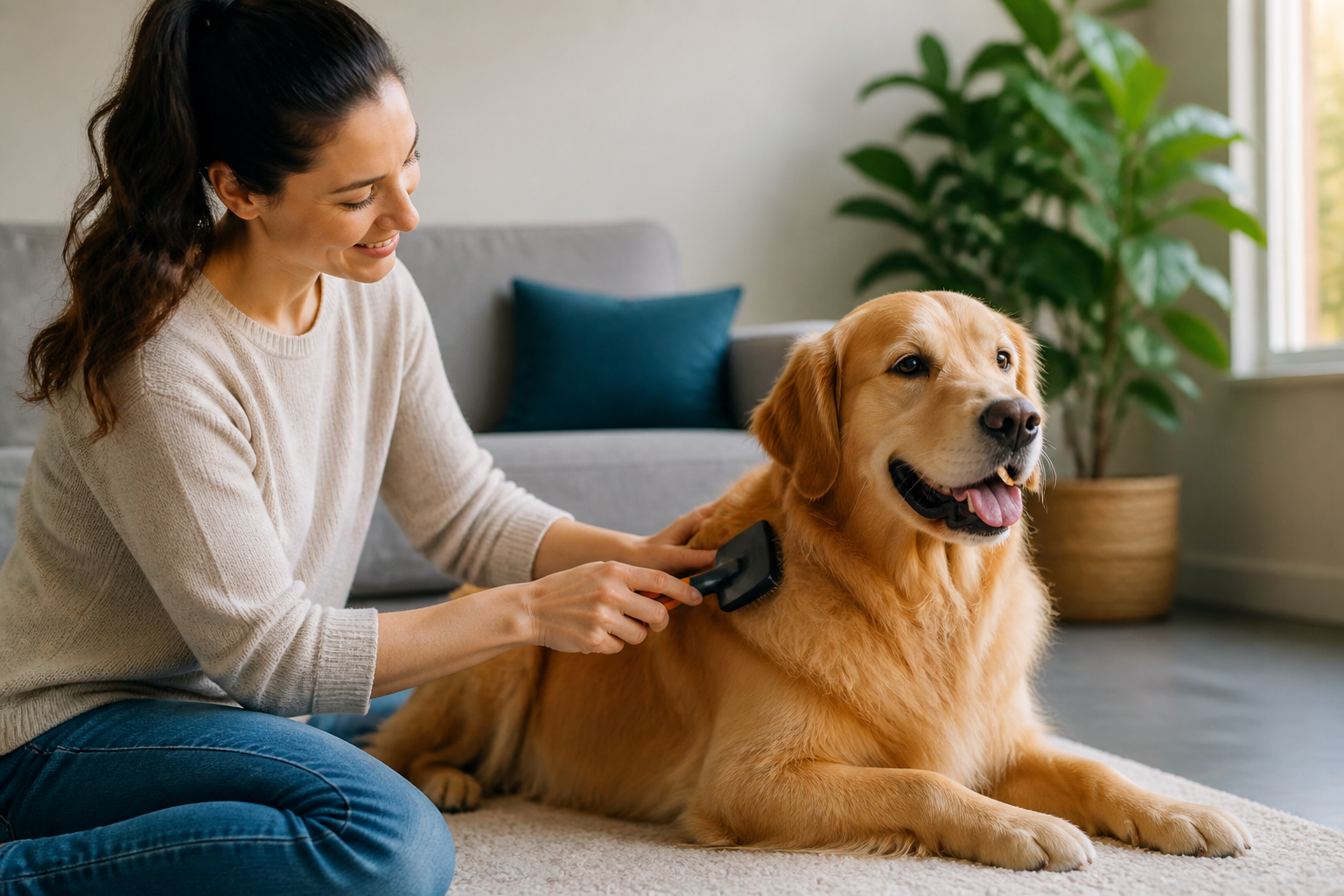
You reach down to pet your dog and feel a tight, solid knot behind their ear. Perhaps you just noticed a thick layer of fur covering your favorite rug. Brushing is more than just a way to make your dog look handsome for a walk. It is a vital part of skin health and overall comfort. At BaxterBoo, we know that every coat requires a specific approach and the right set of tools. This guide covers the best techniques to keep your dog comfortable and your home a little cleaner. We will walk through the specific needs of different textures and how to keep your dog calm during the process. Understanding the mechanics of your dog's fur will help you prevent painful mats and skin irritation.
Quick Answer: Identify your dog's coat type before choosing a brush. Use gentle, overlapping strokes in the direction of hair growth and always brush down to the skin without scraping it.
Why Regular Brushing Is Necessary
Brushing serves several purposes beyond removing loose hair. It stimulates the skin and helps distribute natural oils throughout the coat. These oils act as a natural barrier and keep the fur shiny and resilient. When you skip brushing, dead hair becomes trapped against the skin. This leads to tangles that eventually turn into hard mats.
Regular sessions also give you a chance to inspect your dog's body. You might find small lumps, skin redness, or hidden parasites like fleas and ticks. Catching these issues early makes them much easier to manage. If you do find signs of skin irritation or pests, our pharmacy carries FDA-approved treatments and prescription diets to help. We offer these through our partnership with Pet's Choice to ensure your pet gets the exact care they need.
Key Takeaway: Brushing is a primary health check that prevents painful matting and helps you spot skin issues early.
Understanding Your Dog's Coat Type
Every breed has a unique hair structure. A technique that works for a Boxer will not work for a Poodle. You must match your tool and your method to the specific texture of the fur.
Short and Smooth Coats
Breeds like Boxers, Great Danes, and Pointers have short hair that lies close to the skin. These dogs do not mat, but they do shed. The goal here is to remove dead hair and skin cells. A rubber grooming mitt or a soft bristle brush is usually enough. You can use firm pressure because the hair is short. This feels like a massage to most dogs.
Double Coats
Many breeds have a soft, insulating undercoat and a tougher outer coat. Labradors, Huskies, and German Shepherds fall into this category. These dogs "blow" their coats twice a year. During these times, you will see large clumps of fur around your house. You need an undercoat rake to reach through the top layer and pull out the loose fluff underneath.
Long and Silky Coats
Golden Retrievers and Spaniels have beautiful long hair that tangles easily. The hair behind the ears and on the legs is especially prone to knots. You will need a slicker brush and a metal comb for these breeds. You must be careful not to pull the skin when you find a tangle.
Curly and Wavy Coats
Poodles and Doodles have hair that grows continuously. It does not fall out on its own. Instead, the dead hair gets trapped in the curls. If you do not brush these dogs daily, they will become matted very quickly. This coat type requires the most work and specific techniques like line brushing.
Wire Coats
Terriers often have a rough, wiry outer coat. This hair needs regular brushing to stay tidy. A slicker brush works well to remove debris and keep the coat from looking shaggy.
Essential Tools for Every Owner
We have been operating since 2006 and carry over 500 trusted brands to help you find the perfect match. Choosing the wrong tool can lead to "brush burn" or skin scrapes. Explore our dog brushes and combs to compare options for different coat types.
- Slicker Brushes: These have fine wire bristles. They are excellent for removing tangles and smoothing out the coat.
- Bristle Brushes: These are best for short-haired dogs or as a finishing tool to add shine.
- Pin Brushes: These look like human hairbrushes but have rounded tips. They are great for long-haired breeds with straight coats.
- Undercoat Rakes: These have long, T-shaped teeth. They reach deep into double coats to pull out dead undercoat hair.
- Rubber Brushes: Options like the KONG Zoom Groom Natural Rubber Dog Grooming Brush are perfect for short coats. They grab loose hair while massaging the skin.
- Metal Combs: Often called Greyhound combs, these are used to check your work. If the comb cannot pass through the hair, a mat is forming.
Vet Tip: If you notice your dog has extremely dry, flaky skin or is losing hair in patches, consult your veterinarian. These can be signs of allergies or nutritional deficiencies that might require a prescription diet from our pharmacy.
Step-by-Step Brushing Technique
The way you move the brush matters as much as the brush itself. Always work in a quiet environment where your dog feels safe.
Step 1: Inspect the coat. / Run your hands over your dog to feel for any large mats or sensitive spots.
Step 2: Start at the extremities. / Begin with the legs and tail. These are often the most sensitive areas, so getting them done first is helpful.
Step 3: Brush in the direction of growth. / Never brush against the grain of the hair. This is uncomfortable and can cause the hair to break.
Step 4: Use the line brushing method. / For thick or long hair, lift a section of fur and brush the hair underneath it. Work your way up in rows.
Step 5: Check with a comb. / Once you think a section is done, run a metal comb through it. It should slide through without snagging.
Bottom line: Brushing in small, organized sections ensures you do not miss hidden tangles near the skin.
Managing Mats and Tangles Safely
Mats are more than just an eyesore. They pull on the skin every time your dog moves. This can cause sores and infections. If you find a mat, do not reach for the kitchen scissors. It is very easy to accidentally cut a dog's thin skin.
If the mat is small, apply a detangling spray. Hold the base of the hair near the skin so you do not pull while you work. Use the edge of a slicker brush or a metal comb to gently pick the mat apart from the outside in. If the mat is tight against the skin, it is time to see a professional groomer. They have specialized clippers to safely remove the knot.
Brushing and the Bathing Routine
Many owners think a bath will wash away tangles. This is a mistake. Water acts like a glue for mats. It makes them tighter and much harder to remove once the hair dries.
Always brush your dog thoroughly before they get wet. Remove all loose hair and as many tangles as possible. Once the bath is over and your dog is completely dry, brush them again. This helps fluff the coat and ensures no new tangles formed during the scrubbing process. For more bathing guidance, read our tips on bathing your dog.
Training Your Dog to Enjoy Brushing
Not every dog loves the brush right away. Some might be fearful or impatient. You can use positive reinforcement to change their mind.
Start by letting your dog sniff the brush while it is on the floor. Give them a high value treat like those from Stella and Chewy's or Greenies. Once they are comfortable, touch the brush to their side without actually brushing. Reward them again.
Slowly move to taking one or two strokes. Keep sessions very short at first. Perhaps you only brush one leg the first day. Over time, your dog will associate the grooming session with rewards and attention. This turns a chore into a bonding experience.
Seasonal Shedding and Advanced Care
Most dogs shed more during the spring and autumn. This is often called "blowing the coat." During these weeks, you may need to brush your dog every single day. Using an undercoat rake can significantly reduce the amount of fur that ends up on your furniture. Learn more about managing seasonal shedding in our guide to dogs and shedding.
For dogs with ongoing skin issues, specialized care is often needed. We carry many supplements and topical treatments that support coat health. Brands like Zesty Paws or Honest Paws offer options that may help maintain a healthy skin barrier. If your vet prescribes a specific medicated shampoo or a skin treatment, you can find many of those options in our pharmacy section.
Key Takeaway: Increasing your brushing frequency during seasonal changes will keep your dog cooler and your home cleaner.
When to Seek Professional Help
Home brushing is essential, but it does not replace professional grooming for all breeds. Poodles, Bichons, and many Terriers need professional clips every 4 to 8 weeks.
You should also call a pro if your dog becomes aggressive during brushing. If they growl or try to bite the brush, they might be in pain from a hidden mat. A professional has the experience and equipment to handle these situations safely. They can also perform tasks like nail trimming and ear cleaning that some owners find difficult.
Maintaining Your Grooming Tools
To keep your dog's skin healthy, you must keep your tools clean. Hair and skin oils build up on the bristles over time. This can harbor bacteria or fungal spores.
Remove the hair from your brushes after every use. Once a month, wash your metal combs and rubber brushes with warm water and a mild soap. Ensure they are completely dry before you store them to prevent rust. If the pins on a slicker brush become bent or sharp, replace the brush immediately. Damaged tools can easily scratch your dog's skin.
The Role of Nutrition in Coat Quality
What goes into your dog's body shows up on their coat. A dull, brittle coat often points to a lack of essential fatty acids. Premium foods from brands like Orijen, Acana, or Open Farm are formulated with high quality proteins and fats. These nutrients help the hair stay strong and shiny.
If your dog has food sensitivities that cause itchy skin, you might notice them biting at their fur. This creates mats and hot spots. Our pharmacy offers prescription diets like Farmina Vet Life that are specifically designed for dogs with these health needs. When the skin is healthy from the inside out, brushing becomes much easier.
Wrapping Up
Brushing is a fundamental part of being a dog owner. Whether you have a short-haired Bulldog or a fluffy Golden Retriever, your dog relies on you to keep their coat in good shape. By using the right tools and staying consistent, you can prevent discomfort and maintain a beautiful home. Remember to keep sessions positive and reward your pet for their patience.
Check out our full dog grooming collection to find the perfect brush for your dog. If you find your dog needs extra support for skin health or parasite protection, our pharmacy and Pet's Choice partnership are here to help. You can even set up our Autoship programme for your favorite grooming sprays or supplements to save money and ensure you never run out.
FAQ
How often should I brush my dog's hair?
The frequency depends on the coat type of your dog. Short-haired breeds may only need a weekly brushing to remove loose fur. Long-haired or curly-coated dogs often require daily brushing to prevent painful mats from forming near the skin.
Is it better to brush a dog's hair wet or dry?
You should always brush your dog when their hair is completely dry. Brushing wet hair can cause it to stretch and break. More importantly, water causes existing mats to shrink and tighten, making them much harder and more painful to remove.
How do I get my dog to sit still for brushing?
Start with very short sessions and use high-value treats to create a positive association. Gradually increase the time as your dog becomes more comfortable. If they seem stressed, stop and try again later rather than forcing the process.
What should I do if I find a very large mat?
Never use scissors to cut a mat out as you could easily cut the skin. Try using a detangling spray and a metal comb to gently pick it apart. If the mat is tight against the skin, it is safest to have a professional groomer remove it with clippers.






