
 Save 15% on your 1st Autoship learn more

 Email us
 Live Chat
 FAQs
FAQs





Introduction
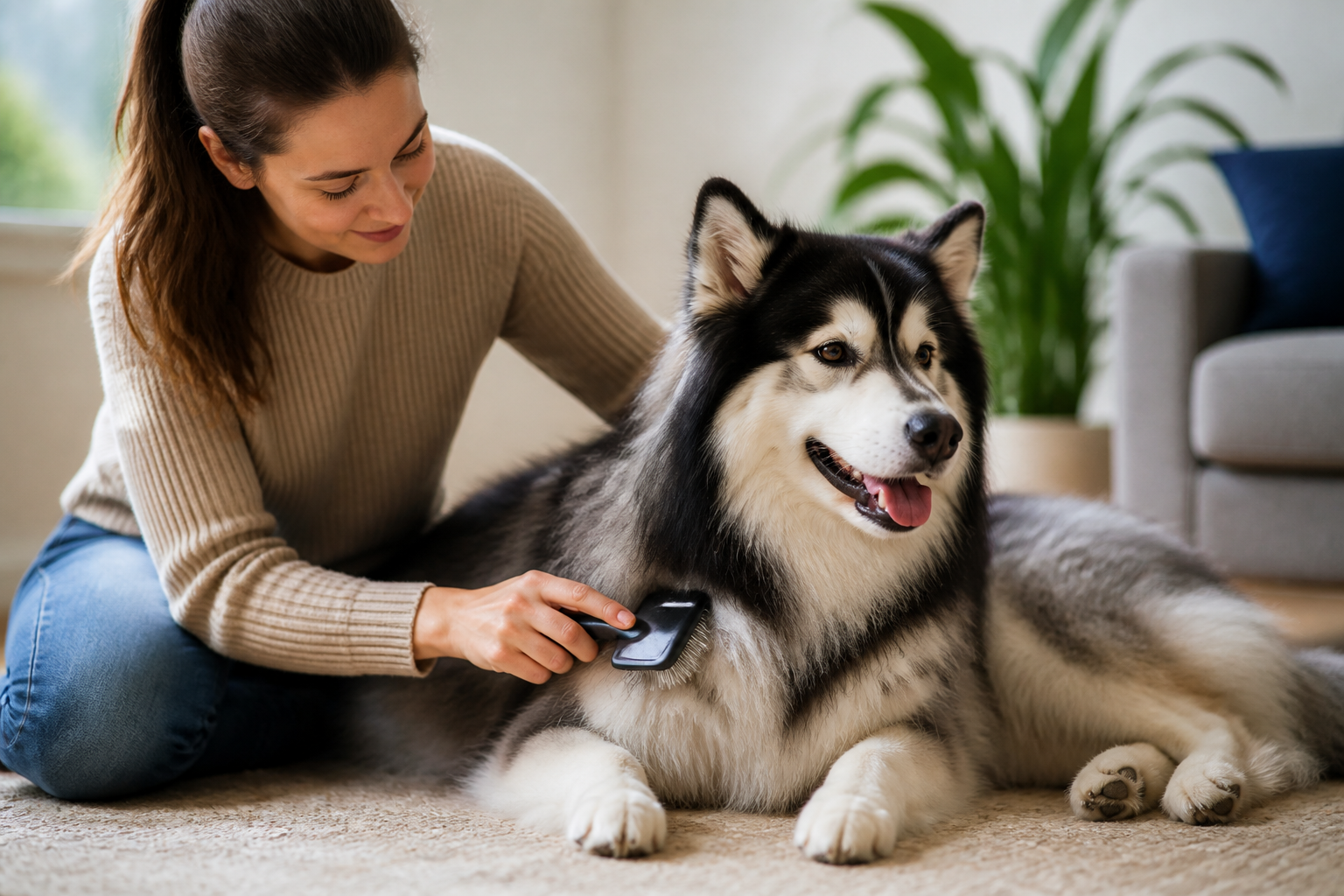
You might notice a small cloud of fluff drifting across your kitchen floor or find your hand covered in soft fur after one quick pet. For owners of double coated breeds, these "tumbleweeds" are a familiar part of daily life. At BaxterBoo, we know that managing a thick coat can feel like a full-time job. Whether you are caring for a fluffy Siberian Husky or a sleek Labrador Retriever, understanding the unique structure of their fur is the first step toward a manageable home. This post covers the essential tools, techniques, and safety rules for maintaining a double coat properly. We will explain how to remove the dead undercoat without damaging the protective top layer. Regular grooming is the best way to keep your dog comfortable in every season while keeping your furniture fur-free.
Understanding the Double Coat Structure
Many people assume that more fur simply means more heat. In reality, a double coat is a sophisticated climate control system. It consists of two distinct layers that work together to protect your dog from the elements.
The first layer is the undercoat. This consists of short, soft, dense hairs that sit close to the skin. This layer acts as insulation. It keeps the dog warm in the winter and cool in the summer by trapping a layer of air against the body. When a dog "blows" their coat in the spring, it is this undercoat that they are losing.
The second layer is the topcoat, also known as guard hairs. These are longer, coarser hairs that give the dog their color. These hairs are designed to repel water and shield the skin from dirt and sun. Unlike the undercoat, the topcoat does not shed in large clumps. It grows at a much slower rate.
Common Double Coated Breeds
Double coats come in many varieties. You will find them on dogs originally bred for cold weather, water work, or herding.
- Arctic Breeds: Siberian Huskies, Samoyeds, and Alaskan Malamutes.
- Herding Breeds: Australian Shepherds, Border Collies, and Corgis.
- Sporting Breeds: Golden Retrievers, Chesapeake Bay Retrievers, and Labradors.
- Small Breeds: Pomeranians, Shih Tzus, and Havanese.
Quick Answer: A double coat consists of a dense, soft undercoat for insulation and a coarser topcoat of guard hairs for protection. Brushing must reach through the topcoat to remove dead hair from the undercoat to prevent matting and skin irritation.
Essential Tools for the Job
You cannot effectively groom a double coated dog with a standard brush meant for humans. You need tools designed to penetrate the dense layers of fur without scratching the skin. Using the wrong tool often leads to surface brushing, where you only tidy the topcoat while the undercoat continues to tangle and mat underneath. Our dog brushes and combs include tools designed for different coat types and grooming needs.
The Undercoat Rake
This is perhaps the most important tool in your kit. An undercoat rake has long, metal tines that reach through the guard hairs to pull out loose fur from the bottom layer. Look for one with rounded tips to ensure you do not irritate the skin. A Master Grooming Tools undercoat rake can be a useful option for working through dense coats.
The Slicker Brush
A slicker brush has fine, wire bristles. It is excellent for removing surface debris and smoothing the topcoat. It also helps to break up small tangles before they become full-blown mats.
The Metal Comb
Often called a greyhound comb, this tool is the final check. After you think you are finished brushing, run a wide-toothed metal comb through the fur. If it snags, you still have undercoat to remove or a small mat to address.
Detangling Spray
A quality detangling spray or a leave-in conditioner makes the process much more comfortable for your dog. It provides "slip," allowing the brush to glide through the fur rather than pulling on it. This reduces hair breakage and keeps the coat hydrated. You can find detanglers and coat-care products in our dog skin and coat care collection.
Step-by-Step Brushing Technique
Effective grooming requires a systematic approach. If you just brush the back and sides, you will miss the areas where mats most frequently form.
Step 1: Apply a detangling mist. / Lightly spray your dog's coat to reduce static and make the hair easier to manage.
Step 2: Start with line brushing. / This is the most effective way to reach the undercoat. Use one hand to push the hair upward, exposing a "line" of skin.
Step 3: Brush downward from the skin. / Using your rake or slicker brush, brush the exposed hair from the skin outward.
Step 4: Move to the next section. / Once that line is clear, move your hand up about an inch and repeat the process. Work from the bottom of the dog toward the top.
Step 5: Focus on friction areas. / Pay extra attention to the areas behind the ears, under the armpits, and around the tail. These spots mat very quickly due to movement and collars.
Key Takeaway: Proper double coat grooming requires "line brushing" to ensure you are reaching the skin. Simply brushing the surface of the fur will leave the insulating undercoat packed with dead hair, which leads to painful mats.
Why You Should Never Shave a Double Coat
It is a common mistake to think that shaving a thick-coated dog will help them stay cool in the summer. In fact, shaving a double coated dog can be dangerous. Because the undercoat provides insulation against heat as well as cold, removing it strips away the dog's natural cooling system.
When you shave these dogs, the undercoat often grows back faster than the guard hairs. This creates a "velcro" effect where the soft undercoat traps heat and moisture against the skin. It can also lead to permanent coat damage, where the fur grows back patchy, frizzy, or not at all.
Shaving also exposes the dog's skin to the sun. Since their skin is not used to direct UV rays, they are at a high risk for sunburn and skin cancer. Unless your veterinarian recommends shaving for a medical procedure or extreme matting, keep the clippers away.
Vet Tip: If your dog has severe skin irritation or persistent hot spots, consult your veterinarian. Our pet pharmacy provides prescription medications and medicated shampoos that can help manage chronic skin conditions and allergies.
Managing the "Blow Out" Season
Most double coated dogs "blow" their coat twice a year, usually in the spring and fall. During these few weeks, the amount of shedding increases dramatically as the dog prepares for a change in temperature. For additional seasonal shedding guidance, read Do Australian Shepherds Shed?.
During this time, daily brushing is necessary. We recommend using a high-velocity dryer if you have access to one. These dryers use air pressure to blow out the loose undercoat before you even start brushing. It can save you hours of manual labor and significantly reduce the amount of fur in your home.
If the shedding becomes overwhelming, a deshedding shampoo can help. These formulas often contain omega fatty acids that help strengthen the hair shaft and release the dead undercoat more easily during a bath. Just be sure to rinse the coat thoroughly. Any leftover soap trapped in the dense undercoat can cause significant skin irritation.
Skin Health and Maintenance
While brushing, you have the perfect opportunity to check for any health issues. A healthy double coat should be shiny and free of odor. If you notice a "yeasty" smell or see red, inflamed skin, your dog may be dealing with a fungal or bacterial infection.
Check for:
- Hot spots or weeping sores
- Fleas, ticks, or flea dirt
- Lumps and bumps under the skin
- Excessive dander or dry, flaky skin
- Cracked or dry paw pads
If you find any of these issues, it is important to see a vet. For routine care, BaxterBoo carries a variety of supplements that support skin and coat health. Ingredients like fish oil and biotin can help keep the coat resilient and reduce excessive non-seasonal shedding. Explore our skin and coat health products for dogs for routine care options.
Conclusion
Brushing a double coated dog is an investment in their comfort and your home's cleanliness. By using the right tools like undercoat rakes and metal combs, you can maintain the integrity of their natural insulation. Remember to always use the line brushing technique to reach the skin and never shave the coat for summer heat. Consistent care prevents painful mats and allows you to catch skin issues early.
- Brush at least two to three times per week.
- Increase to daily brushing during seasonal coat blow-outs.
- Always use a detangling spray to prevent hair breakage.
- Check for skin irritations and parasites during every session.
To keep your grooming kit fully stocked, we recommend checking out our dog grooming category. You can also sign up for our Autoship programme to ensure you never run out of the shampoos and detanglers you need to keep that coat looking its best.
FAQ
How often should I brush my double coated dog?
For most breeds, brushing two to three times a week is sufficient to keep the coat healthy and prevent mats. However, during the shedding season in the spring and fall, you should aim for daily brushing to manage the heavy loss of undercoat. Regular sessions make the job easier and keep the fur from piling up in your house.
Can I use a Furminator on my double coated dog?
Tools like the Furminator can be very effective at removing undercoat, but they must be used with caution. These tools have a small blade that can cut the guard hairs if you press too hard or use them too frequently in the same spot. It is often safer for beginners to use an undercoat rake and a slicker brush to avoid damaging the topcoat.
What should I do if my dog already has mats?
Small mats can often be worked out by hand using a detangling spray and a metal comb. Start at the end of the mat furthest from the skin and gently pick it apart. If the mat is tight against the skin, do not pull or use scissors, as it is very easy to cut the dog's skin. In cases of severe matting, it is best to visit a professional groomer.
Why is my dog's coat dull and dry even with brushing?
A dull coat can be caused by several factors, including poor nutrition, over-bathing, or underlying health issues. Ensure you are using a high-quality dog shampoo that does not strip natural oils. Adding a skin and coat supplement with Omega-3 fatty acids can also help improve shine and skin elasticity from the inside out. For bathing guidance, see Dos and Don'ts for Bathing Your Dog.






