
 Save 15% on your 1st Autoship learn more

 Email us
 Live Chat
 FAQs
FAQs





Introduction
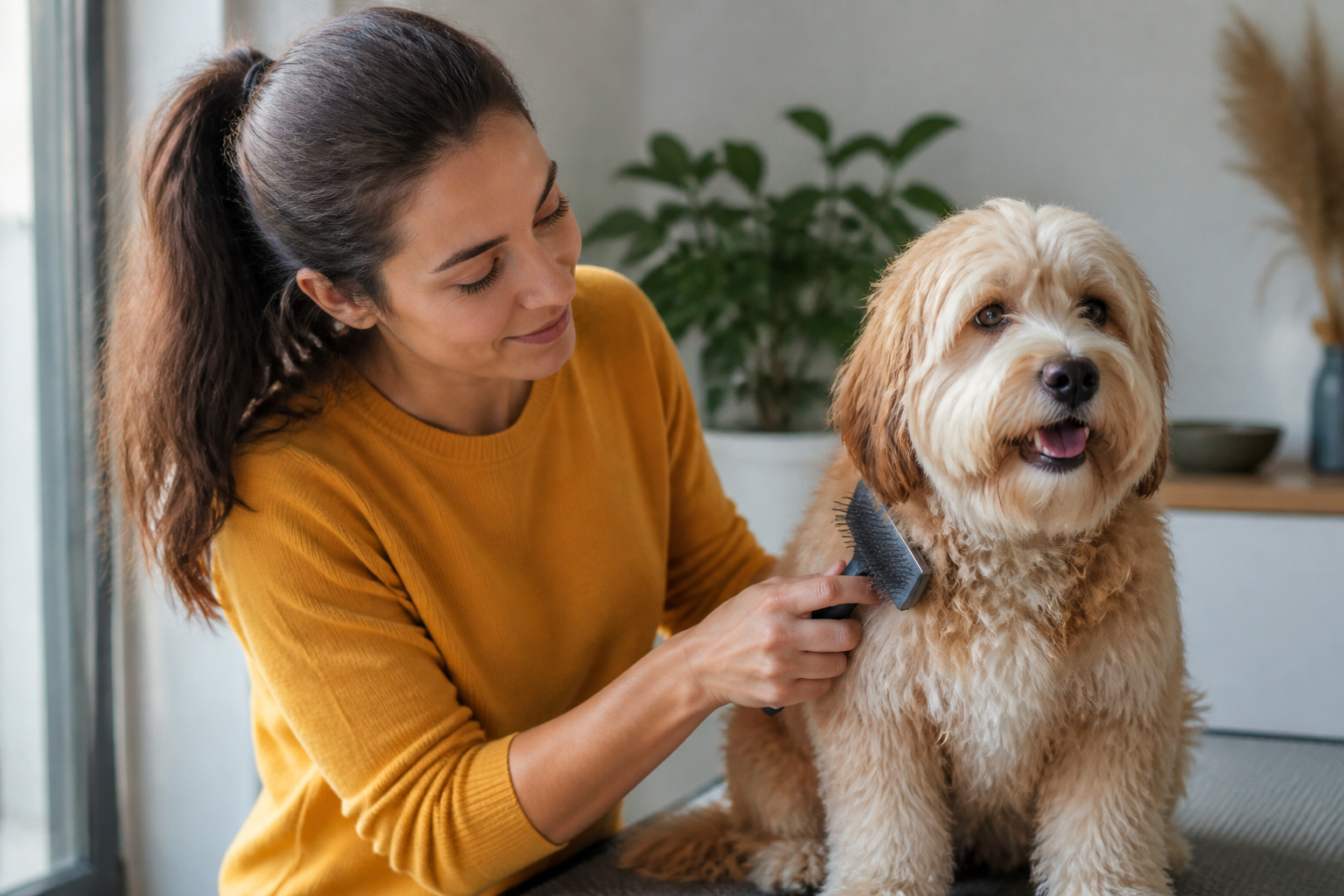
You are sitting on the rug and reach out to pet your dog. Your fingers snag on a small knot behind their ear. Or perhaps you notice a sudden "tumbleweed" of fur rolling across your kitchen floor. These are the moments when many pet owners realize that a quick once over with a brush is no longer enough. At BaxterBoo, we know that grooming is about more than just keeping your house clean. It is a vital part of your dog's physical health and a great way to bond. Knowing how to brush my dog's hair properly depends entirely on their specific coat type and temperament. This guide covers the essential tools and techniques to keep your dog comfortable and looking their best.
Why Regular Brushing Is Necessary
Brushing is the foundation of good hygiene. It does more than just remove loose fur. When you run a brush through your dog's coat, you distribute natural oils across the skin. This keeps the hair hydrated and provides a protective barrier against environmental irritants. It also stimulates blood flow to the skin surface, which encourages healthy hair growth.
Regular sessions allow you to inspect your dog's body closely. You might find a small tick, a new lump, or a patch of dry skin that needs attention. Catching these things early often means a simpler trip to the vet. Brushing also prevents matting. Mats are not just unsightly. They pull on the skin and can cause painful sores or hide infections.
Quick Answer: Proper brushing involves using tools designed for your dog's specific coat type and working in the direction of hair growth. For most dogs, a weekly session prevents painful mats and reduces shedding around the home.
Understanding Your Dog's Coat Type
Before you pick up a brush, you must identify what kind of hair your dog has. Using a tool meant for a Poodle on a Beagle will not be effective. It might even hurt them.
Short and Smooth Coats
Breeds like Boxers, Great Danes, and Smooth Dachshunds have hair that lies close to the skin. They do not mat, but they do shed. They need a tool that can grab fine, loose hairs without scratching their skin.
Double Coats
Labs, Huskies, and German Shepherds have a harsh outer coat and a soft, dense undercoat. This undercoat is what "blows" twice a year. You need tools that reach through the top layer to pull out the dead fluff underneath. For more information about managing seasonal shedding, read our guide to dog shedding and undercoat care.
Long or Silky Coats
Golden Retrievers and Spaniels have beautiful feathering that tangles easily. These dogs require frequent attention to the hair around their ears, legs, and tail.
Curly and Wavy Coats
Poodles and Doodles have hair that keeps growing rather than shedding out. This hair traps loose fur within the curls. If you do not brush these dogs down to the skin, they will develop a solid "shell" of mats.
Essential Tools for the Job
We carry a wide variety of our dog grooming supplies to suit every breed. Having the right kit makes the job faster and more pleasant for your dog.
- Slicker Brushes: These have fine wire bristles. They are excellent for removing tangles and debris from medium to long hair.
- Rubber Curry Brushes: Tools like the KONG Zoom Groom Natural Rubber Dog Grooming Brush are perfect for short-coated dogs. They massage the skin and pull away loose fur like a magnet.
- Undercoat Rakes: These have long, blunt tines. They reach deep into double coats to remove the "dead" undercoat without damaging the top layer.
- Metal Combs: Often called Greyhound combs, these are essential for checking your work. If a comb cannot pass through the hair, a mat is forming.
- Bristle Brushes: These are best for finishing. They smooth the hair and add shine to smooth-coated breeds.
Key Takeaway: Your brush choice should match your dog's coat depth. A slicker brush is the most versatile tool for many households, while rubber brushes are king for short-haired shedders.
Step-by-Step Brushing Technique
How you move the brush matters just as much as the tool itself. Always aim for a calm environment. If your dog is excitable, wait until after a long walk when they are tired.
Step 1: Inspect the coat. / Run your hands over your dog to feel for any large mats or sensitive spots.
Step 2: Start at the bottom. / For dogs with longer hair, start at the legs and work your way up. This prevents you from brushing knots into each other.
Step 3: Brush with the grain. / Always move the brush in the direction the hair grows. Brushing "backward" can be uncomfortable and may cause skin irritation.
Step 4: Use the line-brushing method. / For thick coats, part the hair with one hand. Brush the hair from the skin outward in small sections until you can see the skin clearly.
Step 5: Follow up with a comb. / Once you think you are done, run a metal comb through the coat. It will catch any tiny tangles the brush missed.
Managing Mats Safely
Mats usually form in high-friction areas. Look closely at the armpits, behind the ears, and where the collar or harness sits. If you find a mat, do not pull on it. This pinches the skin and will make your dog hate grooming.
Hold the base of the mat with your fingers so you do not pull the skin. Use a dematting tool or the edge of a slicker brush to pick at the knot starting from the end of the hair. Work slowly toward the skin. If the mat is tight against the skin, do not try to cut it out with scissors. Dog skin is very thin and can easily be cut. A specialized coat mat and tangle splitter may help with individual tangles.
Vet Tip: If your dog has severe matting across large areas of their body, consult a professional groomer or your veterinarian. Trying to brush out "pelted" fur is painful and can cause skin tears. Sometimes a "reset" shave is the kindest option.
Brushing During Shedding Season
Most dogs shed more heavily in the spring and autumn. This is often called "blowing the coat." During these weeks, you may need to brush your dog every single day. Using FURminator grooming products can be very helpful here. These tools are designed to reach through the topcoat and pull away the massive amounts of loose undercoat.
Be careful not to over-brush one spot. Use light pressure and move across the body. If you stay in one area too long, you can cause "brush burn," which is a painful skin irritation. If you notice your dog's skin looking red or if they are losing hair in patches, it is time to stop and check with a vet.
Our BaxterBoo pharmacy works with Pet's Choice to provide prescription skin supports and medicated shampoos if your dog's shedding is linked to allergies or skin conditions. Sometimes a high-quality supplement with Omega-3 fatty acids can also help manage excessive shedding from the inside out. Explore our dog healthcare category for skin and coat products.
Keeping Your Dog Calm and Cooperative
Not every dog loves the brush. For some, the sensation is strange or even scary. You can train your dog to enjoy, or at least tolerate, the process with a bit of patience.
- Introduce the tools: Let your dog sniff the brush while it is on the floor. Give them a treat.
- Short sessions: Start with just two minutes of brushing. Focus on an easy area like the back.
- High-value rewards: Use special treats that they only get during grooming. A lick mat with a bit of peanut butter can keep them distracted while you work on their legs.
- Watch body language: If your dog starts panting heavily, lip-licking, or trying to walk away, take a break. You want the session to end on a positive note.
Bottom line: Positive reinforcement and short, frequent sessions are more effective than one long, stressful grooming marathon.
Special Care for Sensitive Areas
The face, belly, and tail require a gentle touch. For the face, use a very small brush or even a soft toothbrush. Be careful around the eyes. Use your hand to shield their eyes while you work on the brow or muzzle.
The belly skin is very thin. Switch to a softer bristle brush or a rubber brush for this area. For the tail, start at the tip and work toward the base. This is especially important for breeds with "flag" tails like Setters or Golden Retrievers. If your dog is very sensitive about their paws, do not force it. Touch their paws frequently during the day without a brush so they get used to the contact.
Maintenance Between Brushes
You can make your brushing sessions easier by doing a bit of maintenance throughout the week. If your dog gets wet in the rain, dry them thoroughly. Damp hair tends to frizz and tangle more easily.
Check for "hitchhikers" like burrs or twigs after every walk. These small items act as the anchor for a mat. If you pull them out immediately, you save yourself a lot of work later. Using a conditioning spray can also help. These sprays lubricate the hair shafts, making it harder for knots to form and easier for your brush to glide through.
Our Autoship program is a great way to ensure you never run out of these grooming essentials. You can set up recurring deliveries for conditioning sprays, wipes, and even treats to keep your grooming kit fully stocked.
Conclusion
Mastering the art of how to brush my dog's hair is one of the best things you can do for your pet's comfort. By choosing the right tools and using the line-brushing technique, you can prevent painful mats and keep shedding under control. Remember to stay patient and use plenty of treats to keep the experience positive. If you notice persistent skin redness, unusual hair loss, or if your dog seems in pain during brushing, please consult your veterinarian for a checkup.
- Identify your dog's specific coat type before buying tools.
- Always brush in the direction of hair growth.
- Use a metal comb to check for hidden mats.
- Keep sessions short and reward-heavy for a happy dog.
Key Takeaway: Consistent, gentle grooming prevents health issues and strengthens the bond between you and your dog.
Ready to upgrade your grooming kit? Visit our dog grooming category to find the perfect slicker, rake, or curry brush for your dog's unique coat.
FAQ
How often should I brush my dog?
It depends on the coat. Short-haired dogs usually need a brush once a week, while long-haired or curly-coated breeds often require daily attention. During shedding season, most dogs benefit from more frequent sessions to manage the extra loose fur.
Should I brush my dog's hair when it is wet or dry?
It is almost always better to brush your dog when the hair is dry. Wet hair is more elastic and prone to breaking. Additionally, if your dog has existing mats, water can cause the hair fibers to tighten, making the knots much harder to remove.
What should I do if the brush keeps getting stuck?
If your brush or comb snagged, do not pull. Stop and use your fingers to feel for a mat. Use a dematting tool or a small amount of grooming spray to gently pick the knot apart from the outside in. If the mat is too tight, you may need professional help.
My dog hates being brushed, what can I do?
Start very slowly with lots of high-value treats and praise. Brush for only thirty seconds at a time and gradually increase the duration as your dog becomes more comfortable. Using a lick mat or a long-lasting chew can provide a great distraction during the process.






