
 Save 15% on your 1st Autoship learn more

 Email us
 Live Chat
 FAQs
FAQs





Introduction
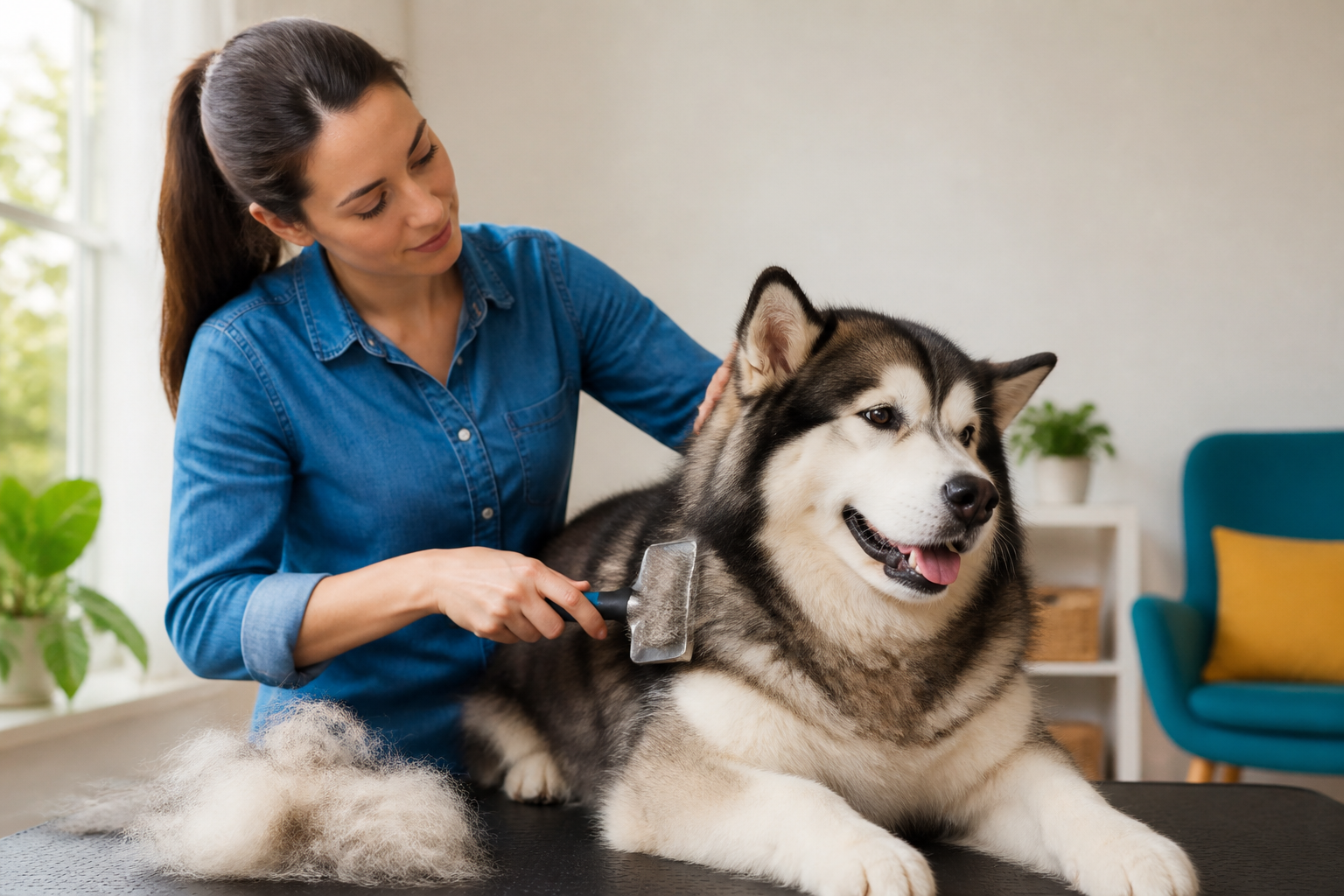
If you have ever noticed tumbleweeds of fur drifting across your hardwood floors, you likely have a double-coated dog. You might find that a standard brush just slides over the top while the thick, fuzzy layer underneath continues to shed and mat. Managing this heavy shedding season can feel overwhelming for any pet owner. At BaxterBoo, we know that proper grooming is about more than just keeping your house clean. It is a vital part of maintaining your dog's skin health and temperature regulation. This guide will walk you through the professional techniques for removing dead undercoat without causing skin irritation. We will cover the best tools for the job and how to handle stubborn mats. By the end of this article, you will have a clear plan to keep your dog comfortable and your home fur-free.
Quick Answer: To brush out a dog's undercoat, use an undercoat rake or a long-toothed slicker brush to reach the bottom layer of fur. Work in small sections using the line-brushing technique to lift the topcoat and clear the fuzzy undercoat beneath. Always brush in the direction of hair growth to avoid skin pull.
Understanding the Double Coat
A double coat consists of two distinct layers that serve very different purposes. The topcoat is made of stiff guard hairs that repel water and shield the skin from dirt. Beneath those guard hairs lies the undercoat. This layer is dense, soft, and woolly. Its primary job is insulation. It keeps your dog warm in the winter and cool in the summer by providing a layer of air against the skin.
Many owners worry that a thick undercoat will make their dog overheat in the summer. They may be tempted to shave the dog down. However, the undercoat actually protects the dog from the sun and heat. When the undercoat is not brushed out, it becomes "impacted." This means dead hair gets trapped against the skin. Impacted fur prevents air from circulating. This can lead to overheating and skin infections.
Double-coated breeds include Golden Retrievers, German Shepherds, Huskies, and many Terriers. These dogs typically "blow" their coats twice a year. This is a period of intense shedding where the undercoat falls out in large clumps. Regular maintenance during these times is essential to prevent painful mats from forming. For additional shedding guidance, read about how de-shedding tools can help remove loose undercoat.
Essential Tools for Undercoat Removal
Using the wrong tool is the most common mistake pet owners make. A standard bristle brush or a plastic pin brush will not reach the undercoat. You need tools designed to penetrate the thick top layer.
Undercoat Rakes
An undercoat rake is a tool with long, metal tines. These tines are spaced out to pass through the topcoat easily. They reach deep down to pull out the loose, fuzzy hair of the undercoat. Look for a rake with rounded tips to ensure you do not scratch your dog's skin. You can compare options in our dog brushes and combs collection.
Slicker Brushes
A slicker brush has fine, short wire bristles that are slightly hooked. These are excellent for removing surface tangles and catching loose hair that the rake might have missed. For a double-coated dog, choose a "firm" slicker brush with longer pins. This helps the brush reach past the guard hairs. The Master Grooming Tools Ergonomic Slicker Dog and Cat Brush is designed for brush-outs and mat removal.
Metal Greyhounds Combs
A stainless steel comb is often called a Greyhound comb. It usually has wider teeth on one end and finer teeth on the other. This is your most important tool for checking your work. If the comb cannot pass through a section of fur from the skin to the tips, a mat is still present.
Deshedding Tools
Tools like the Furminator are popular for removing huge amounts of hair quickly. These tools use a fine-toothed blade to grab the undercoat. Use these with caution. Only use them once a week at most. Never press down hard or go over the same spot more than three times. Doing so can cause "brush burn" or damage the healthy topcoat. If you are comparing options, explore our selection of FURminator products.
Key Takeaway: The undercoat rake is your primary tool for deep removal, while the metal comb is your diagnostic tool to ensure no mats are left behind.
The Professional Line-Brushing Technique
Professionals use a method called line brushing. This ensures that every inch of the dog is brushed down to the skin. If you only brush the surface, the undercoat will continue to mat underneath.
Step 1: Position your dog. / Have your dog stand or lie on their side in a comfortable, well-lit area.
Step 2: Create a line. / Use one hand to push the fur upward, exposing a "line" of skin.
Step 3: Brush downward. / Use your undercoat rake or slicker brush to brush a small section of the hair downward from that line.
Step 4: Check with a comb. / Once the section feels clear, run your metal comb through it. It should slide through without snagging.
Step 5: Move the line. / Move your hand up an inch and create a new line. Repeat the process until you have covered the entire body.
This process takes time, especially for large breeds like Bernese Mountain Dogs. Do not try to do the whole dog in one sitting if they become restless. Break it up into 15-minute sessions over a few days. For another approach to working through layered coats, see this guide to grooming a dog with curly hair.
The Role of Bathing in Undercoat Removal
Many owners believe they should brush a dog completely before the bath. While you should remove major mats first, bathing can actually help the deshedding process. A clean coat is much easier to work with than a dirty one. Dirt and oils make the hair "sticky," which causes it to clump together.
When you bathe your dog, use a high-quality deshedding shampoo. These formulas often contain omega fatty acids that help strengthen the hair shaft and release dead fur. After shampooing, apply a heavy conditioner. While the conditioner is still on the dog, you can use a rubber curry brush like the Kong ZoomGroom. Move the brush in circular motions. This helps loosen the undercoat in the tub so it can be rinsed away. Browse our dog shampoo and conditioner selection for bathing supplies.
Once the dog is dry, the remaining undercoat will be much easier to pull out. If you have access to a high-velocity dryer, use it to blow out the damp coat. The force of the air will push out huge amounts of loose undercoat that would otherwise take hours to brush. For more bath-time guidance, read these dos and don'ts for bathing your dog.
Vet Tip: If you notice your dog has red, flaky, or greasy skin while brushing, consult your veterinarian. Chronic skin issues or excessive shedding can sometimes indicate underlying health problems like allergies or thyroid imbalances. Our pharmacy carries FDA-approved treatments for skin conditions through our partnership with Pet's Choice.
Managing Stubborn Mats and Tangles
Mats usually form in high-friction areas. Check behind the ears, in the armpits, and around the tail. These spots require extra attention. Never pull on a mat with a brush, as this hurts the dog and causes them to hate grooming.
If you find a mat, try to pick it apart with your fingers first. You can also use a detangling spray to provide "slip" to the hair. If the mat is tight, use a dematting tool or a letter opener-style mat splitter. These tools have blades that cut through the mat into smaller strips. Once the mat is split, you can gently brush out the pieces. Our dog grooming tools include options for handling everyday coat care.
Never use scissors to cut out a mat. A dog's skin is very thin and can easily be pulled into the mat. It is very common for owners to accidentally cut their dog's skin when trying to remove tangles with kitchen scissors. If a mat is tight against the skin, it is safer to have a professional groomer or vet shave it out.
Skin Health and Safety
While you are brushing, use the opportunity to perform a "home health check." Since you are looking at the skin closely, watch for lumps, bumps, or parasites. Look for fleas or "flea dirt," which looks like small black pepper flakes.
Be mindful of the pressure you apply. The goal is to reach the undercoat, not to scrape the skin. If the skin looks red or pink after you have finished a section, you are pressing too hard or using the wrong tool. Always keep the tool parallel to the skin rather than digging the tips in at an angle.
If your dog has very sensitive skin or is prone to seasonal allergies, they might need a medicated bath before you begin the deep brushing process. BaxterBoo offers a range of soothing shampoos designed for sensitive pups. Keeping the skin healthy makes the hair less likely to break and mat.
Bottom line: Systematic line brushing and using the right tools will prevent painful mats and keep your dog's natural cooling system working perfectly.
Keeping Your Dog Calm During Grooming
Not every dog loves the feeling of an undercoat rake. To make the experience positive, start slow. Let your dog sniff the tools before you begin. Give them a high-value treat like a smear of peanut butter on a lick mat. This keeps them occupied while you work on the back legs or tail.
If your dog is very nervous, focus on one small area per day. Start with the areas they enjoy being touched, like the chest or shoulders. Save the difficult areas like the belly and paws for last. Praise your dog frequently. If they show signs of stress like panting, trembling, or growling, stop immediately. Pushing a dog through a stressful grooming session can lead to long-term behavioral issues.
Regularity is the key to calmness. If you only brush your dog once a month, it will be a long and difficult chore. If you brush them for five minutes every evening, it becomes a relaxing routine. The coat will stay manageable, and your dog will learn that grooming is a normal part of their day.
Post-Grooming Care
Once you have finished brushing, your dog's coat should look smooth and shiny. You can finish the look by using a soft bristle brush to distribute the natural oils across the topcoat. This adds a healthy glow and lays the guard hairs flat.
Reward your dog with a walk or a favorite toy after a long grooming session. This builds a positive association with the process. Check your tools after each use. Clean out the hair and store them in a dry place to prevent the metal tines from rusting. If you notice any bent pins on your slicker brush, replace it. Damaged tools can scratch the skin or pull the hair unevenly.
Maintaining a double coat is a year-round commitment. While the spring and fall are the busiest times, the undercoat grows constantly. Keeping a consistent schedule ensures you never have to deal with a "fur-pocalypse" in your living room.
Summary of the Undercoat Brushing Process
To keep your dog's coat in top shape, follow this simple routine:
- Weekly Maintenance: Use a slicker brush and metal comb to check for tangles.
- Shedding Season: Increase brushing to daily sessions using an undercoat rake.
- The Bath: Use a deshedding shampoo and curry brush to loosen the coat.
- The Check: Always finish by running a metal comb through the fur to ensure you reached the skin.
By following these steps, you are doing more than just cleaning. You are protecting your dog from skin irritation and helping them stay comfortable in all weather conditions.
Key Takeaway: Consistent grooming with the right tools is the only way to manage a double coat without damaging the protective top layer of fur.
Conclusion
Brushing out a dog's undercoat does not have to be a daunting task. With the right undercoat rake and the line-brushing technique, you can master the seasonal shed and keep your dog's skin healthy. Remember to be patient and keep the experience positive for your pet. If you find that your dog’s skin needs extra support or they are struggling with seasonal allergies, we are here to help. BaxterBoo provides everything from professional-grade grooming tools to FDA-approved skin medications through our pharmacy partnership. To stay prepared for shedding season and save on your favorite grooming supplies, consider joining our MVP Rewards programme. It is a simple way to earn back on the products that keep your pet looking and feeling their best.
FAQ
Can I use a human hairbrush on my dog's undercoat?
No, human hairbrushes are not designed to penetrate the dense layers of a dog's coat. The bristles are usually too soft to reach the undercoat and too close together, which can cause painful pulling. You need a dedicated undercoat rake or a slicker brush with long metal pins to safely remove the dead fuzzy layer.
Why is my dog's hair still falling out after I brushed them?
Undercoat removal is often a multi-day process during shedding season. If you are still seeing hair, you may only be brushing the topcoat. Use the line-brushing technique to ensure you are reaching the skin, and always finish with a metal comb to check for remaining loose fur.
How often should I brush my dog's undercoat?
For most double-coated dogs, a thorough brushing once or twice a week is sufficient for maintenance. However, during "coat blowing" season in the spring and fall, you may need to brush them every day. Consistent brushing prevents the undercoat from becoming impacted and forming hard-to-remove mats.
Does brushing the undercoat hurt the dog?
If done correctly, brushing should not be painful. It often feels like a deep massage for the dog. However, if you pull on mats or use a tool with sharp, damaged pins, it can cause discomfort. Always use a light touch and use detangling sprays to help the tools glide through the fur.






