
 Save 15% on your 1st Autoship learn more

 Email us
 Live Chat
 FAQs
FAQs





Introduction
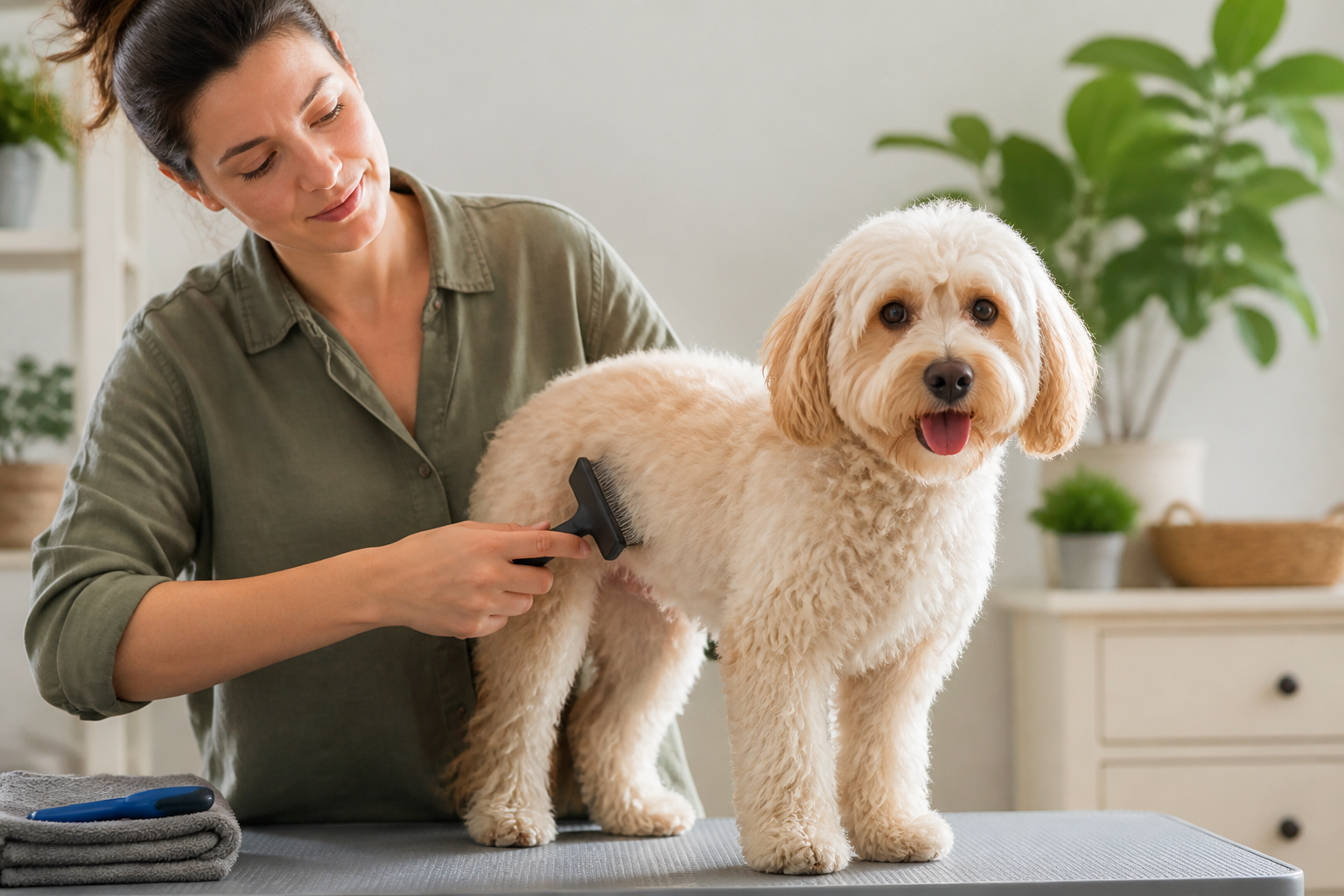
You reach down to give your dog a belly rub and feel a hard, tight knot of fur right in the armpit. It feels like a clump of felted wool stuck close to the skin. These tangles, known as mats, are a common part of life for many pet owners, especially during seasonal coat changes or after a rainy week of walks. At BaxterBoo, we know that grooming is about more than just looking good. It is a fundamental part of your dog's physical comfort and health. This guide covers the safest ways to work through those stubborn knots, the specific tools you need to get the job done, and when it is time to put down the brush and call a professional. Learning how to manage these tangles at home keeps your dog happy and their skin in top condition.
Quick Answer: To brush out a matted dog, apply a detangling spray and hold the fur at the base to prevent pulling the skin. Use a slicker brush to gently "pat and pull" at the edges of the mat. Slowly work your way inward until you can pull a metal comb through the hair from root to tip.
The Common Causes of Dog Hair Matting
Mats do not just appear overnight. They are usually the result of friction, moisture, or a lack of regular maintenance. Friction is the most frequent culprit. It happens in high movement areas where the hair rubs together. Think of the spots where a harness sits or where the legs meet the body. Over time, loose dead hairs get trapped in the coat and wind around the healthy, growing hairs. If these are not brushed out, they form a solid mass.
Moisture is another major factor. When a dog gets wet from a bath, a swim, or a walk in the rain, the hair shafts can swell and then shrink as they dry. If the coat is not brushed while it is drying, those hairs naturally curl and twist together. This is why a dog that looks fine before a bath can come out of the tub with a dozen new knots. For dogs with double coats, the transition between winter and summer is a peak time for matting. As the undercoat sheds, it can easily become tangled in the longer top layer of fur.
- Friction zones: Areas like the armpits, behind the ears, and under the collar.
- Moisture: Bathing or swimming without a post-dry brush.
- Lack of grooming: Allowing dead undercoat to build up during shedding season.
- Seasonal changes: The transition from a heavy winter coat to a lighter summer one.
Key Takeaway: Mats are most likely to form in high-friction areas or after your dog gets wet. Consistent brushing in these "hot spots" is the best way to stop mats before they become painful.
Why Removing Mats is Vital for Pet Health
A mat is not just a cosmetic issue. It can become a real health concern if left alone. As a mat gets tighter, it begins to pull on the skin. This can make simple movements like walking or sitting down uncomfortable for your dog. In severe cases, the mat can actually pinch the skin or cut off air circulation to the surface of the body. This creates a warm, damp environment where bacteria and yeast thrive.
You might not see the irritation happening under the fur. Tight mats can hide skin sores, hot spots, and even parasites like fleas or ticks. Because the hair is so dense, you cannot easily inspect the skin or apply topical treatments. If your dog is scratching at a mat, they can cause further damage to the skin or even create a hematoma. This is why we prioritize coat health as a part of overall wellness.
Vet Tip: If you notice the skin under a mat is red, oozing, or has a foul odor, consult your veterinarian. These are signs of a skin infection that may require prescription topical or oral medications from our pharmacy.
Essential Tools for Removing Mats at Home
You cannot brush out a mat with a standard human hairbrush or a simple plastic comb. You need tools designed to get through dense fur without breaking the hair or hurting the animal. We carry a wide selection of professional grade tools in our dog grooming supplies that make this process much easier for both you and your pet.
The first tool you need is a high quality slicker brush. These have fine, short wire pins that are slightly angled. They are excellent for grabbing loose hair and breaking up small tangles. The second essential is a stainless steel greyhound comb. These usually have two different spacing widths for the teeth. You use the wider side to find the mats and the finer side to ensure the hair is completely clear.
Finally, a detangling or conditioning spray is your best friend. These sprays provide "slip" to the hair, allowing the fibers to slide past each other rather than snapping. This reduces the amount of pulling your dog feels. Never try to brush out a dry, heavy mat if you can avoid it.
Your Mat Removal Kit
- Slicker Brush: Best for initial detangling and removing loose undercoat.
- Metal Greyhound Comb: Used for finishing and checking for hidden knots.
- Detangling Spray: Adds moisture and reduces friction during the process.
- Treats: To keep your dog calm and create a positive association with grooming.
Bottom line: Using the right metal tools and a detangling spray will significantly reduce the time and effort required to remove mats.
Step-by-Step Guide to Brushing Out a Matted Dog
Before you start, make sure your dog is relaxed. It is often best to work on mats after a long walk when they have less energy. Have plenty of high value treats ready. If the matting is extensive, do not try to do the whole body in one sitting. Focus on one small area at a time.
Step 1: Locate and assess the mat. / Gently feel the mat with your fingers to see how close it is to the skin. If you can't see the skin at all, the mat might be too tight for home removal.
Step 2: Apply detangler. / Spray the knot thoroughly with a pet-safe detangling spray. Let it sit for a minute or two to saturate the hair fibers.
Step 3: Support the hair. / This is the most important step for your dog's comfort. Hold the base of the mat between your thumb and forefinger, close to the skin. This ensures that when you brush, you are pulling against your hand rather than the dog's sensitive skin.
Step 4: Use the "pat and pull" method. / Instead of a long sweeping stroke, use your slicker brush to lightly pat the edge of the mat and pull away. Start at the very ends of the hair and slowly work your way toward the skin. A brush such as the Master Grooming Tools Self-Cleaning Slicker Brush can help with routine brushing and mat removal.
Step 5: Separate with your fingers. / As the mat starts to loosen, use your fingers to gently pull the clump apart into smaller sections. This makes it easier for the brush to get through.
Step 6: Finish with the comb. / Once the slicker brush moves through the area easily, use the wide teeth of your metal comb. If the comb catches, go back to the slicker brush. The job is done when the fine teeth of the comb slide from the root to the tip without any resistance.
Key Takeaway: Always hold the fur at the base while brushing to prevent the skin from stretching. Working from the outside of the knot inward is the only way to clear a mat without causing pain.
When to Stop Brushing and Consult a Professional
There is a point where home brushing becomes counterproductive or even dangerous. If a dog is "pelted," it means the mats have merged into a solid layer across a large portion of the body. You will not be able to brush this out. Attempting to do so would cause the dog significant pain and likely result in skin tears.
Another danger is using scissors. We strongly advise against using kitchen or craft scissors to cut out mats. A dog's skin is incredibly thin and can easily be pulled up into the knot. It is very easy to accidentally cut the skin, leading to a trip to the emergency vet. If a mat is too tight to brush out, the safest option is to have a professional groomer use electric clippers. They use specialized blades that can safely slide between the skin and the mat.
- Pelting: The fur feels like a hard shell against the body.
- Pain response: If your dog is growling, snapping, or crying despite your best efforts to be gentle.
- Skin health: If the skin is already broken or heavily inflamed.
- Location: Mats inside the ears or very close to the eyes should be handled by a professional.
Bottom line: Safety comes first. If the mat is tight against the skin, stop brushing and seek professional help to avoid injury.
Breed Specific Matting Challenges
Different coat types require different approaches. Poodles and Doodles have curly hair that doesn't shed in the traditional sense. Instead, the dead hair gets caught in the curls. If these dogs aren't brushed down to the skin every few days, they will mat very quickly. For these breeds, the "line brushing" technique is essential. This involves parting the hair and brushing small sections at a time to ensure you aren't just skimming the surface. For more guidance, read how to groom a dog with curly hair.
Long-haired breeds like Yorkshires, Malteses, and Shih Tzus have hair that is more like human hair. It is fine and prone to "wrappers" or small tangles that can turn into mats overnight. These dogs benefit from daily brushing and the use of a high quality conditioner during every bath. Double-coated breeds like Golden Retrievers or Bernese Mountain Dogs tend to mat most in the "feathers" on their legs and behind their ears.
At BaxterBoo, we carry 500+ brands, including specialized shampoos and conditioners for every coat type. Choosing a formula designed for your dog's specific breed can make the hair more resilient and less prone to tangling.
Vet Tip: For dogs with recurring skin issues or allergies that lead to excessive scratching and matting, our pharmacy offers prescription diets and treatments. Addressing the underlying itch can prevent mats from forming in the first place.
Maintaining a Mat-Free Coat
The best way to deal with mats is to prevent them from ever forming. This starts with a consistent grooming routine. For most long-haired or curly-coated dogs, this means a full brush-out at least three to four times a week. If your dog is very active or spends a lot of time outdoors, daily brushing may be necessary.
Diet also plays a role in coat health. A coat that is dry and brittle will tangle much faster than a healthy, hydrated one. Look for foods or supplements rich in Omega-3 fatty acids, which support the natural oils in the skin and hair. Brands like Zesty Paws or Grizzly are popular choices for owners looking to boost coat shine and elasticity.
Finally, be mindful of your dog's gear. If your dog wears a harness or a sweater, remove it when they are inside the house. The constant rubbing of fabric against fur is a recipe for mats. Always give those high-friction areas a quick brush after you take the harness off for the day.
- Brush frequently: Don't wait for a mat to appear before you pick up the brush.
- Remove gear: Take off collars and harnesses when they aren't needed.
- Use a spray: A quick mist of conditioning spray during brushing keeps the hair strong.
- Check after water: Always brush your dog after they get wet and as they dry.
The Importance of Professional Grooming
Even with the best home care, most dogs with high-maintenance coats need to see a professional groomer every 4 to 6 weeks. Professionals have the high-velocity dryers and specialized tables needed to thoroughly deshed and detangle a coat. They can also perform a "sanitary trim" to keep the areas around the paws and hindquarters clear of debris that can cause matting.
If you are a new puppy owner, start the grooming process early. Get your puppy used to the sound of the clippers and the feeling of the brush while they are young. This builds a foundation of trust. If a dog only sees a brush when they are being pulled on or hurt by a mat, they will grow to hate the process. Use the MVP Rewards programme to earn points on the grooming supplies you use most often, making it easier to keep up with your pet's needs.
Key Takeaway: Professional grooming is a partner to home care, not a replacement. Regular appointments prevent the "pelted" state that requires a full shave-down.
Conclusion
Managing a matted dog requires patience and the right tools. By working slowly and supporting the hair at the base, you can remove most tangles without causing your pet distress. Remember that matting is often a sign of friction or moisture, so paying extra attention to those high-risk areas can save you hours of work later. If you find a knot that is too tight or your dog is clearly in pain, do not hesitate to call a professional. Our goal at BaxterBoo is to provide the expert guidance and supplies you need to keep your dog comfortable and healthy.
- Always use a detangling spray to reduce hair breakage.
- Use a slicker brush for the heavy lifting and a metal comb for the finishing touch.
- Never use scissors to cut out a mat near the skin.
- Maintain a regular schedule to prevent mats from returning.
Bottom line: Consistent grooming and high quality tools are the keys to a mat-free, happy dog.
Visit our dog grooming category to find the slicker brushes and detangling sprays mentioned in this guide, or check with your veterinarian for any skin health needs.
FAQ
Can I use human detangler or conditioner on my dog?
It is best to avoid human products because dogs have a different skin pH than humans. Human products can be too acidic for a dog's skin, leading to irritation or dryness. Use a detangler specifically formulated for pets to ensure it is safe if they lick their fur.
Why shouldn't I bathe my dog before brushing out the mats?
Water often acts like a glue for existing mats. When the hair gets wet and then dries, the fibers contract and the knot becomes much tighter and closer to the skin. Always brush out as many tangles as possible before you put your dog in the tub. For additional bathing guidance, see these dog bathing dos and don'ts.
Is it better to cut a mat out or brush it out?
It is almost always better to brush it out or have a professional shave it with clippers. Using scissors is dangerous because it is hard to tell where the mat ends and the skin begins. If you must cut, only use professional thinning shears and never cut close to the skin.
How do I know if my dog needs to be shaved instead of brushed?
If you cannot slide a comb between the mat and the skin, the mat is likely too tight to brush out safely. If the mats cover a large portion of the body or the dog is showing signs of extreme distress, a professional shave is the most humane and safest option for the animal.






