
 Save 15% on your 1st Autoship learn more

 Email us
 Live Chat
 FAQs
FAQs





Introduction
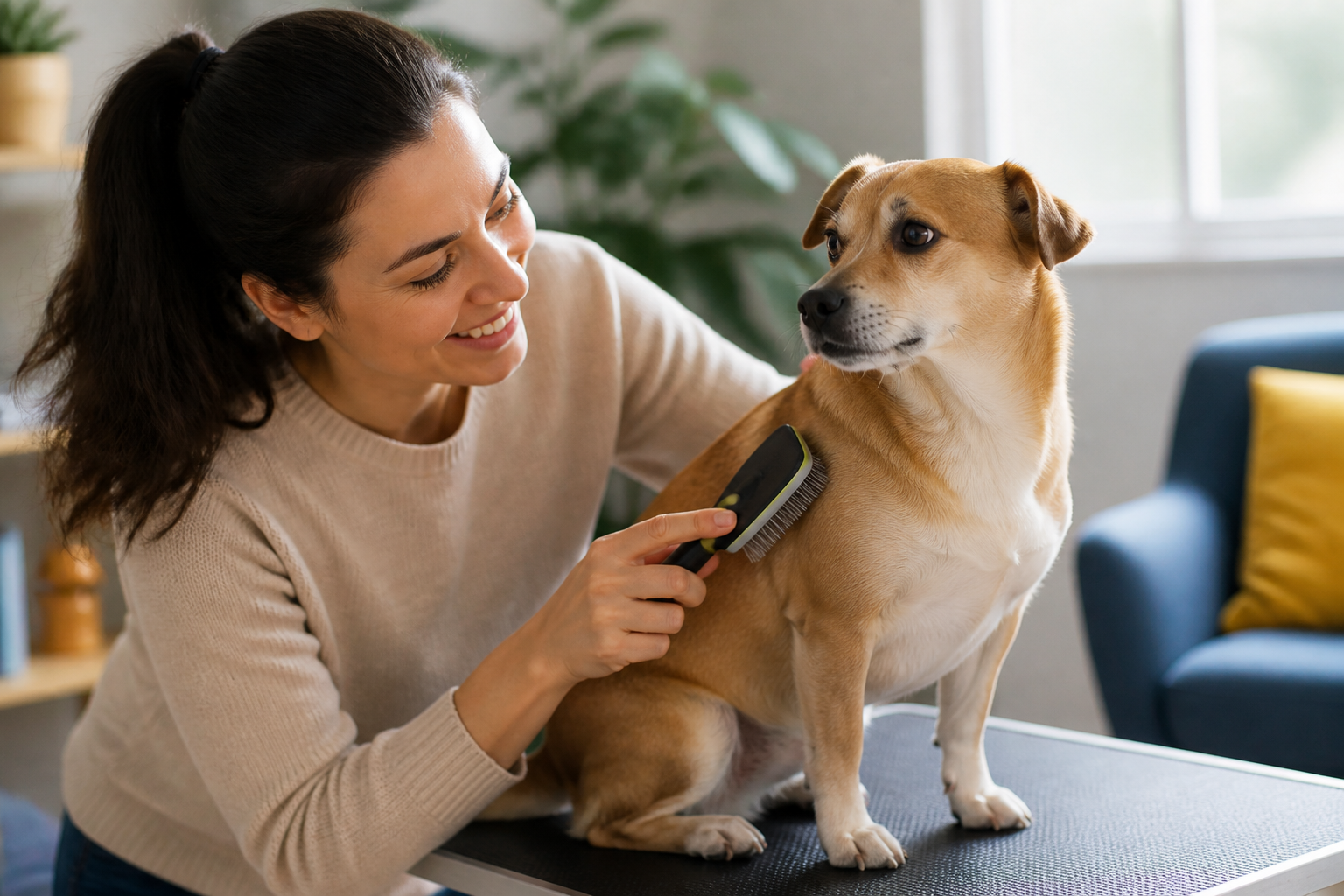
You might think that owning a short-haired dog means you are off the hook for grooming duty. Then you sit on your sofa and realize your favorite navy blue cushions are covered in tiny, needle-like hairs that refuse to budge. Short-haired breeds like Boxers, Beagles, and Labradors may not get tangles or mats. However, they still shed their old fur and dander constantly. Regular brushing is a vital part of keeping your home clean and your dog comfortable.
At BaxterBoo, we know that every coat type requires a specific approach to stay healthy and shiny. Brushing helps distribute natural oils across the skin and removes loose fur before it ends up on your clothes. This post covers the best tools for the job and the techniques you need to master. Brushing your dog is a simple way to support their wellness and spend quality time together.
Why Short-Haired Dogs Still Need Regular Brushing
Many people believe brushing is only for dogs with long, flowing fur. This is a common mistake that can lead to skin irritation and a house full of shedding. Short-haired dogs have a cycle of hair growth just like any other breed. When the hair reaches the end of its life, it falls out. If that hair stays trapped against the skin, it can cause itching or lead to a dull, dusty-looking coat.
Brushing acts as a massage for your pet. It stimulates the skin and increases blood flow to the surface. This helps the sebaceous glands produce the natural oils that give a dog that healthy, glossy sheen. Without regular brushing, these oils can sit near the base of the hair and become greasy.
Quick Answer: Brushing a short-haired dog removes loose fur, distributes skin oils, and reduces dander in your home. Aim to brush your pet at least two to three times per week to keep their coat shiny and healthy.
Another reason to brush regularly is to monitor your dog's health. When you are moving a brush over their body, you are more likely to notice new lumps, bumps, or skin redness. You might spot a flea or a tick before it becomes a major problem. This routine check is especially important for dogs that spend a lot of time outdoors.
Choosing the Best Tools for the Job
You do not need a massive kit to groom a short-haired dog. You do need tools that are gentle on their skin. Because there is not a thick layer of fur to act as a cushion, some brushes can be too scratchy. Look for tools with soft bristles or rubber components. You can compare options in our dog brushes and combs collection.
Rubber Curry Brushes
The rubber curry brush is the most popular choice for short-haired breeds. This tool usually has soft rubber nubs that act like a magnet for loose hair. When you move it in a circular motion, the friction pulls the dead hair out of the coat easily. Brands like Kong make excellent rubber brushes that are easy to hold and very durable.
Soft Bristle Brushes
A bristle brush is perfect for finishing the grooming session. It does not pull out as much hair as a rubber brush, but it is excellent for smoothing the coat. It helps move the natural oils from the skin down the length of the hair shaft. This gives your dog that "just groomed" sparkle. Choose a brush with natural or soft nylon bristles to avoid scratching the skin.
De-Shedding Tools
For breeds with a dense undercoat, like a Labrador or a Pug, a de-shedding tool can be very helpful. These tools are designed to reach past the topcoat to grab loose hair from underneath. You must use these with a light touch. Since the hair is short, it is easy to accidentally scrape the skin if you press too hard. For additional shedding guidance, read our tips for managing seasonal dog shedding.
Grooming Gloves
If your dog is nervous about traditional brushes, grooming gloves are a fantastic alternative. You simply wear the glove and pet your dog as you normally would. The rubber palms and fingers catch the loose hair while your dog thinks they are just getting a long belly rub.
Key Takeaway: The best grooming kit for a short-haired dog includes a rubber curry brush for deep cleaning and a soft bristle brush for adding shine.
A Step-by-Step Guide on How to Brush Short Hair Dogs
Starting a routine is easier when you have a clear plan. Follow these steps to make the process efficient for you and relaxing for your dog.
Step 1: Inspect the skin. / Run your hands over your dog to check for any sores, hot spots, or parasites. Do not brush over any areas that look red or irritated.
Step 2: Use the rubber brush in circles. / Start at the neck and move toward the tail. Use gentle circular motions with your rubber curry brush. This loosens the hair and dirt.
Step 3: Work on the belly and legs. / These areas are more sensitive. Use even lighter pressure here. Most short-haired dogs enjoy the massage on their chest and shoulders.
Step 4: Sweep away the loose fur. / Once you have loosened the hair with the curry brush, use long, sweeping strokes with a bristle brush. This removes the debris you just unearthed.
Step 5: Finish with a wipe down. / Use a damp cloth or a grooming wipe to pick up any remaining stray hairs. This prevents them from falling off the dog and onto your carpet immediately after the session.
Vet Tip: If you notice your dog is scratching excessively or has bald patches, a grooming session is a good time to check for skin issues. Consult your veterinarian to rule out allergies or infections that might require prescription treatment from our pet pharmacy.
Managing Seasonal Shedding Cycles
Many short-haired dogs "blow" their coats twice a year. This usually happens in the spring and the fall. As the weather changes, your dog's body reacts by shedding their current coat to make room for one better suited for the coming temperature.
During these times, you might need to brush your dog every single day. Even a Beagle can produce a surprising amount of fur when the seasons shift. If you stay on top of it, you can catch about eighty percent of that hair in the brush rather than on your furniture.
Consider these tips for heavy shedding seasons:
- Increase brushing frequency to once a day.
- Use a de-shedding tool once a week to help the process along.
- Bathe your dog with a gentle shampoo to help loosen dead hair.
- Ensure they are getting enough Omega-3 fatty acids in their diet.
We carry several supplements, like those from Zesty Paws or Honest Paws, that support skin and coat health. These can help keep the skin hydrated during the dry winter months or the peak of shedding season. You can also explore our dog skin and coat care selection.
Skin Health and the Role of Nutrition
A shiny coat starts from the inside. If your dog's fur looks dull or their skin is flaky, it might be a sign they need better nutrition. High-quality dog foods, such as those from Open Farm or Stella and Chewy's, include the fats and proteins necessary for hair growth.
If your dog has chronic skin issues, they may need a specialized diet. We offer prescription pet foods through our partnership with Pet's Choice. These diets are formulated specifically for dogs with allergies or sensitivities that affect the skin. Our pharmacy carries FDA-approved medications that can help manage these conditions when a regular brush and shampoo are not enough.
Bottom line: A healthy coat requires both external grooming and high-quality internal nutrition.
Using Positive Reinforcement for Stress-Free Grooming
Not every dog loves being brushed right away. If your dog tries to run or hide when they see the brush, you need to change their perspective. Grooming should be a positive experience, not a chore they fear.
Start by letting your dog sniff the brush. Give them a small treat, like a bit of a Greenies chew or a piece of freeze-dried liver. Move the brush over their side once or twice and give another treat. Keep these early sessions very short. You want to stop while the dog is still having a good time.
Over a few weeks, you can slowly increase the time you spend brushing. Eventually, most dogs start to look forward to the session because they associate it with treats and your undivided attention. If your dog is particularly anxious, we carry calming products like Jackson Galaxy solutions or calming chews that can help them settle down during grooming. For more supplement ideas, explore this guide to pet supplements.
Keeping Your Home Clean After Brushing
Even with the best brushing routine, some hair will still escape. Short hairs are notorious for weaving themselves into fabric fibers. To keep your home tidy, consider using a lint roller or a dedicated pet hair vacuum regularly.
Using our Autoship programme for your grooming wipes and cleaning supplies is a great way to make sure you never run out. It also saves you money and ensures your home stays fresh. Many of our customers also find that keeping a specific "grooming towel" helps contain the mess during a session.
Key Takeaway: Consistency is more important than the length of the grooming session. Five minutes of brushing every other day is better than thirty minutes once a month.
Grooming Safety and Skin Awareness
Safety is paramount when using grooming tools. While short-haired dogs do not have the same risk of the brush getting stuck in a mat, they have other risks. Because their skin is so close to the surface, it is easier to cause "brush burn." This is a painful irritation caused by too much pressure or too many passes over the same spot.
Always keep the brush moving. If your dog flinches or pulls away, stop and check the area. They might have a sensitive spot you did not notice. Also, be careful around "bony" areas like the spine, hips, and elbows. There is very little padding there, so use your hand to feel the area as you brush.
The BaxterBoo Difference in Pet Care
We have been helping pet owners since 2006. Our team in Vernon Hills handpicks every product we carry to ensure it meets our standards for quality and safety. Whether you are looking for a basic rubber brush or a specialized supplement for skin health, we have carefully curated our selection from over 500 trusted brands.
Our hybrid model means you get the convenience of online shopping with the expertise of a local pet store. If you are local to Illinois, you can even visit our warehouse for in-store pickup. For those further away, our fast shipping and MVP Rewards programme make it easy to get the supplies you need delivered right to your door.
Our goal is to be a partner in your pet's health. This includes providing access to a real pharmacy for those moments when a skin condition needs more than just a good brushing. By combining expert advice with top-tier products, we help you give your dog the best possible care.
Conclusion
Brushing your short-haired dog is one of the simplest things you can do to support their overall well-being. It keeps their skin healthy, reduces the amount of fur in your home, and gives you a chance to check for any health changes. By choosing the right tools like rubber curry brushes and soft bristle brushes, you can turn a chore into a relaxing bonding moment.
Remember to keep sessions positive with treats and praise. If you notice persistent skin issues or excessive shedding, reach out to your vet to see if a prescription diet or medication is needed.
- Brush at least twice a week.
- Use rubber tools for shedding and bristle brushes for shine.
- Support the coat with high-quality nutrition and Omega-3s.
- Check for skin issues during every session.
Bottom line: Regular grooming is an essential part of responsible pet ownership for every breed, regardless of hair length.
To find the perfect tools for your pup, browse our full collection of dog grooming supplies and brushes.
FAQ
Do short-haired dogs really need to be brushed?
Yes, short-haired dogs need regular brushing to remove dead fur and dander that can irritate the skin. Brushing also distributes natural skin oils, which prevents the coat from becoming dull and keeps it waterproof. Without it, loose hair will simply end up on your furniture and clothing.
What is the best type of brush for a dog with very short, smooth hair?
A rubber curry brush or a grooming glove is usually the best choice for smooth-coated dogs like Dobermans or Greyhounds. These tools are gentle on the skin while effectively pulling away loose hair. You can follow this with a soft bristle brush to add a healthy shine to the coat.
How often should I brush my short-haired dog?
Most short-haired dogs benefit from being brushed two to three times per week. However, during heavy shedding seasons in the spring and fall, you may want to brush them daily to manage the increased volume of loose fur. Consistent brushing helps prevent skin irritation and keeps shedding under control.
Can I use a slicker brush on a short-haired dog?
You can use a slicker brush, but you must be very careful. Slicker brushes have fine wire pins that can scratch the skin if there is not enough fur to cushion them. If your dog has a slightly denser short coat, like a Labrador, a soft slicker brush can work well, but always use very light pressure.






