
 Save 15% on your 1st Autoship learn more

 Email us
 Live Chat
 FAQs
FAQs





Introduction
You reach into the grooming bin and realize the slicker brush is missing. Or maybe your dog sees a plastic handle and immediately hides under the dining room table. Many dogs develop a fear of traditional grooming tools because of previous pulling or skin scraping. Other times, you might be traveling and need a quick way to tidy up a messy coat without your usual gear. At BaxterBoo, we know that grooming is about more than just looks. It is a vital way to check for lumps, pests, and skin changes while strengthening your bond. This post covers effective ways to remove loose fur, manage tangles, and keep a coat shiny using household items and specialized alternatives. You can maintain a healthy dog without ever touching a standard brush.
Quick Answer: You can use grooming gloves, a damp washcloth, or your own hands to groom your dog. Gloves with rubber nubs mimic petting while removing loose fur. A damp cloth helps lift dirt and hair from short coats, while finger-massaging the skin releases natural oils.
Why Some Dogs Prefer Brushless Grooming
Not every dog enjoys the sensation of metal pins or stiff bristles against their skin. Some dogs have very thin coats or sensitive skin that makes traditional brushing uncomfortable. This is especially common in senior dogs with prominent joints or puppies who are still learning to sit still.
Using alternative methods can lower the stress of grooming. If a dog views the brush as a threat, they will struggle and try to escape. Switching to a "brushless" approach often feels like a long petting session rather than a chore. This allows the dog to relax. When a dog is relaxed, you can do a much better job of checking their skin for issues like redness or ticks.
Key Takeaway: Removing the physical "tool" from the equation helps anxious dogs associate grooming with affection rather than discomfort.
The Washcloth Method for Short Coats
A simple washcloth is one of the most effective tools for short-haired breeds like Boxers, Pugs, or Labradors. It works by grabbing loose hair that sits on the surface of the coat. It also helps remove dander and environmental allergens like pollen.
Step 1: Wet a clean washcloth with lukewarm water. / Wring it out thoroughly so it is damp but not dripping.
Step 2: Rub the cloth firmly over your dog's body. / Use long, sweeping motions in the direction of hair growth to catch loose fur.
Step 3: Use circular motions on the neck and shoulders. / This helps loosen hair that is trapped deeper in the coat.
Step 4: Rinse the cloth frequently. / You will be surprised by how much hair and grey dirt the cloth picks up.
This method is also great for cleaning sensitive areas like the face or between paw pads. Since it uses a soft fabric, there is no risk of scratching the skin. It is an excellent way to keep your dog smelling fresh between baths. For more bath-time guidance, read our tips on bathing your dog.
Vet Tip: If you notice your dog scratching excessively or seeing red patches during a cloth grooming session, consult your veterinarian. These could be signs of allergies or skin infections. Our pharmacy carries prescription treatments for various skin conditions through our partnership with Pet's Choice.
Using Grooming Gloves for a Natural Feel
Grooming gloves are the most popular alternative to traditional brushes. They are usually made of fabric with soft rubber nubs on the palms. We have found that many dogs who run from a brush will lean into a grooming glove.
These gloves work because they mimic the weight and sensation of your hand. As you pet your dog, the rubber nubs grab onto dead hair and pull it away from the healthy coat. The hair typically sticks to the glove in a single layer, making it easy to peel off and throw away.
Benefits for Different Coat Types
- Short Hair: The nubs massage the skin and distribute natural oils for a high-gloss shine.
- Medium Hair: The glove reaches through the top layer to pull out loose undercoat.
- Curly Hair: It helps define curls without causing the frizz that sometimes comes from fine-toothed brushes.
Grooming gloves are also excellent for bath time. You can use them to lather shampoo deep into the coat, ensuring you reach the skin where dirt hides. This dual-purpose use makes them a staple in many grooming kits.
Bottom line: Grooming gloves turn a necessary maintenance task into a bonding experience that feels like a massage for your pet.
The Power of Finger Grooming and Massage
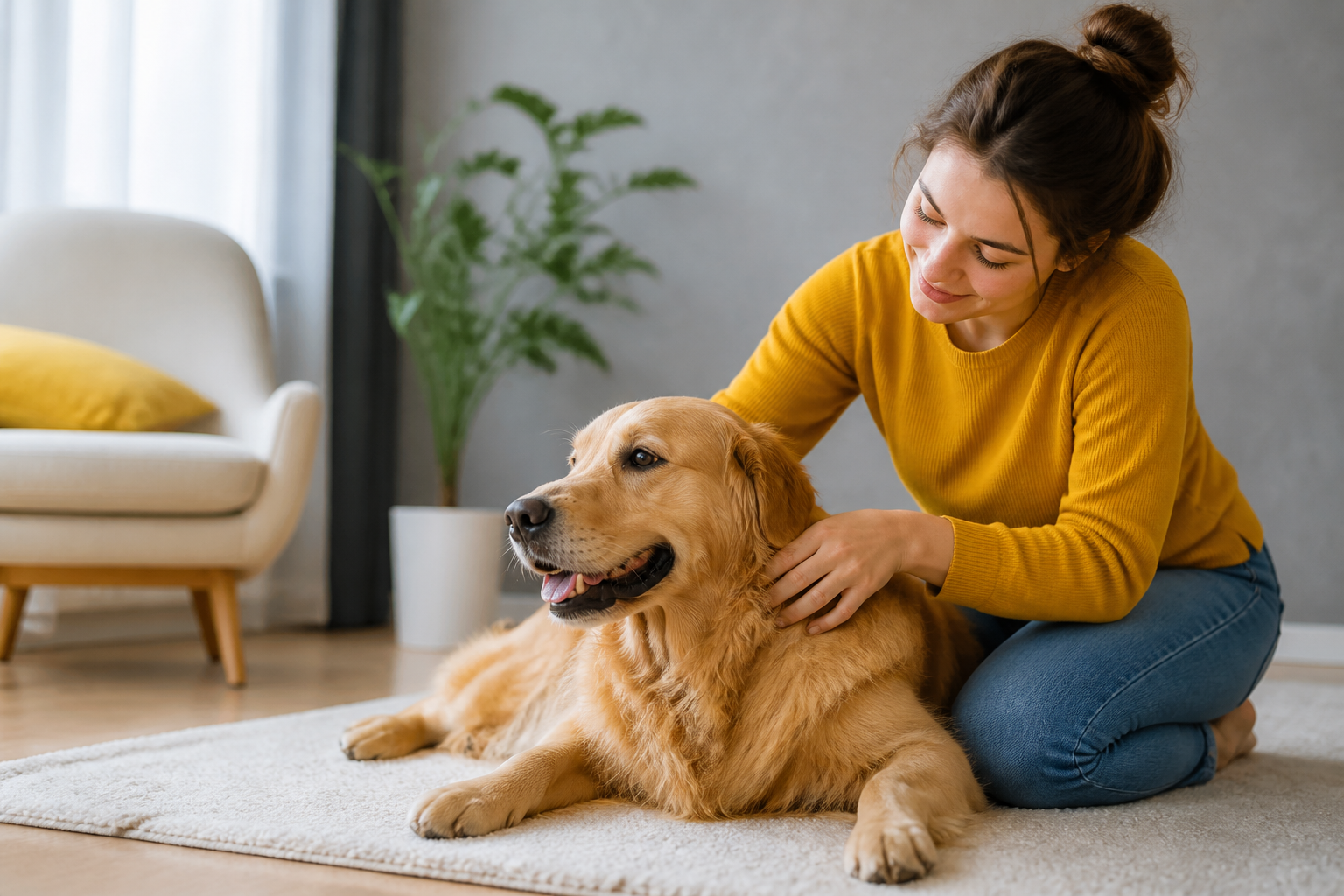
If you have no tools at all, your hands are your best resource. Finger grooming is a technique often used by professional groomers for specific coat types, but it works for any dog in a pinch. By using specific hand movements, you can release a significant amount of loose fur.
Start by using your fingertips to massage your dog's skin in small, circular motions. Start at the neck and move toward the tail. This motion mimics a deshedding tool by wiggling loose hairs out of the follicles. After the massage, run your flat palms down the body with slight pressure. This "petting with purpose" will pull the loosened hair to the surface.
How to Finger-Strip Loose Fur
For dogs with wiry coats or heavy shedding, you can use a "pinch and pull" method. Gently grasp small tufts of hair that look dull or are sticking out. If the hair is dead, it will slide out with zero resistance or pain. This is a common way to maintain the texture of breeds like Terriers without using a harsh metal rake.
- Check for heat or lumps as you go.
- Focus on the "high-shed" areas like the thighs and neck.
- Use a microfiber towel afterward to wipe away the loose fuzz.
Drying and Blowing Out the Coat
Sometimes, the best way to brush a dog is with air. If your dog is blowing their coat (shedding their heavy undercoat), a high-velocity dryer can do the work of an hour-long brushing session in ten minutes. Even a standard household hair dryer on a completely cool setting can help.
Ensure the air is not hot, as dog skin burns easily. Aim the air at the base of the hair. You will see "snowflakes" of fur flying off. This is best done outside or in a garage to avoid a mess in your living room. The air separates the hairs and pushes the dead coat out of the way.
For more information about shedding patterns and coat care, see our guide to how dogs shed.
Note: Never use a high-heat setting on your dog. Their skin is much more sensitive to temperature than human skin. Always keep the dryer moving and check the skin temperature with your hand frequently.
Managing Mats and Tangles Without a Brush
Mats are the biggest challenge when you aren't using a brush. They usually form in high-friction areas like under the collar, behind the ears, or in the armpits. If you find a knot, do not pull on it. Pulling hurts the dog and makes them fear future grooming.
You can often break apart mats using your fingers and a bit of lubricant. Cornstarch is a common household hack for this. Rub a small amount into the mat to help the hairs slide past each other. You can also use a dedicated detangling spray or a tiny drop of pet-safe conditioner.
Step-by-Step Mat Removal
Step 1: Locate the knot. / Gently feel for the base of the mat to see how close it is to the skin.
Step 2: Apply a detangler. / Let the product sit for a minute to penetrate the hair shaft.
Step 3: Tease the edges. / Use your fingers to slowly pull the outer hairs away from the center of the knot.
Step 4: Work from the outside in. / Never try to pull the whole mat apart at once.
Step 5: Reward your dog. / Give a treat after each mat is successfully removed to keep the experience positive.
If a mat is tight against the skin, do not try to cut it out with scissors. It is very easy to accidentally snip the skin. In these cases, a trip to a professional groomer or a vet is the safest choice.
| Method | Best For | Effort Level |
|---|---|---|
| Damp Washcloth | Short coats, face, paws | Low |
| Grooming Glove | All coat types, anxious dogs | Medium |
| Hand Massage | Deshedding, checking health | Low |
| Blow Out (Air) | Heavy shedders, thick undercoats | High |
| Cornstarch/Fingers | Specific tangles and mats | Medium |
For alternatives and maintenance tools, browse our dog grooming tools.
Skin Health and the Role of the Pharmacy
While "brushless" grooming helps the coat look good, the health of the skin underneath is what really matters. Grooming sessions are the perfect time to look for signs of irritation. If you find fleas, ticks, or hot spots, you may need more than just a washcloth.
Our pharmacy at BaxterBoo provides access to FDA-approved medications through Pet's Choice. This includes flea and tick preventatives that require a prescription from your vet. If your dog has a chronic skin condition or severe allergies, your vet might recommend a prescription diet or medicated shampoo. Keeping up with these treatments ensures that your grooming sessions remain easy and pain-free.
For everyday coat and skin maintenance, explore our dog skin and coat care selection.
Vet Tip: Persistent mats can trap moisture against the skin, leading to painful infections called hot spots. If the skin under a mat looks wet, red, or smells bad, please see a veterinarian for treatment.
Grooming as an Everyday Habit
You do not need a specific "grooming day" when you use brushless methods. You can do a quick finger massage while watching TV. You can wipe your dog down with a cloth after a walk. By making these actions part of your daily routine, you prevent the buildup of dead hair and dirt.
This consistency is key for dogs with high-maintenance coats. Even if you eventually plan to use a brush, these "off-day" techniques keep the coat manageable. They also help your dog get used to being touched all over their body. This makes veterinary exams much easier for everyone involved.
- Keep a washcloth by the door for post-walk wipes.
- Use a grooming glove once a day during cuddle time.
- Check "hot spot" areas like armpits every evening.
- Reward calm behavior with high-quality treats.
Key Takeaway: Consistent, gentle touch is often more effective for coat health than one intense, stressful brushing session per week.
The Importance of Professional Guidance
While you can do a lot at home without a brush, some coat types eventually require professional tools or skills. Breeds like Poodles or Bichons have hair that grows continuously and can become felted if not handled correctly. If you find that your "brushless" routine isn't keeping up with the tangles, it is time to consult a professional.
A groomer can show you exactly where your dog's coat is struggling. They can also recommend specific sprays or gloves that work best for your dog's unique hair texture. Remember, the goal is a happy, healthy pet. If the "brushless" way isn't working for a specific area, it is okay to ask for help.
Bottom line: Use these techniques as a bridge to build trust or as a way to maintain health when tools are unavailable.
Conclusion
Brushing without a brush is a practical skill for every dog owner. Whether you are managing an anxious puppy or just forgot your gear on a camping trip, these methods keep your dog comfortable and clean. Using washcloths, grooming gloves, and simple hand massages can replace the stress of a traditional brush with the comfort of a pet. At BaxterBoo, we have seen how these small changes in routine can transform a dog's attitude toward grooming. Regular maintenance keeps the coat shiny and the skin healthy while giving you a chance to spot health issues early.
- Use a damp cloth for a quick surface clean.
- Try grooming gloves for a massage-like experience.
- Use your fingers to gently break up mats with cornstarch.
- Check the skin daily for any changes or pests.
Check out our full selection of dog grooming supplies to find the perfect alternative tools for your dog's needs.
FAQ
Can I use a human brush on my dog instead?
It is generally not recommended to use human brushes on dogs. Human bristles are often too soft to reach a dog's undercoat or too sharp for their sensitive skin. Many human brushes also have small plastic balls on the tips that can snag and pull dog hair painfully. It is better to use a damp cloth or grooming glove if a proper dog brush is not available.
How do I get loose hair off my dog without a brush?
The best way to remove loose hair without a brush is by using a damp washcloth or grooming gloves. The moisture on the cloth or the rubber nubs on the glove will grab the dead fur and lift it away from the coat. You can also use a microfiber towel to "rub down" the dog, which generates enough friction to pull out loose hairs. A cool-air blow dryer is another effective way to push loose fur out of a thick coat.
Is it okay to never brush my dog if I use these other methods?
For short-haired breeds, brushless methods like washcloth wipes and hand massages can be sufficient for their entire lives. However, dogs with long, curly, or double coats usually need some form of deep combing or brushing to prevent painful matting. While these alternative methods are great for maintenance and bonding, they may not replace the need for professional grooming for certain breeds. Always monitor your dog for mats that may require more intensive care.
What should I do if my dog is terrified of all grooming tools?
If your dog is afraid of tools, start with simple hand massages and "petting with purpose." Slowly introduce a soft washcloth, then a grooming glove that looks like your hand. Pair every session with high-value treats and keep the sessions very short, such as 30 seconds at a time. If the fear persists, consult a trainer or a vet to see if anxiety medication or a specialized behavioral plan is needed.






