
 Save 15% on your 1st Autoship learn more

 Email us
 Live Chat
 FAQs





Introduction
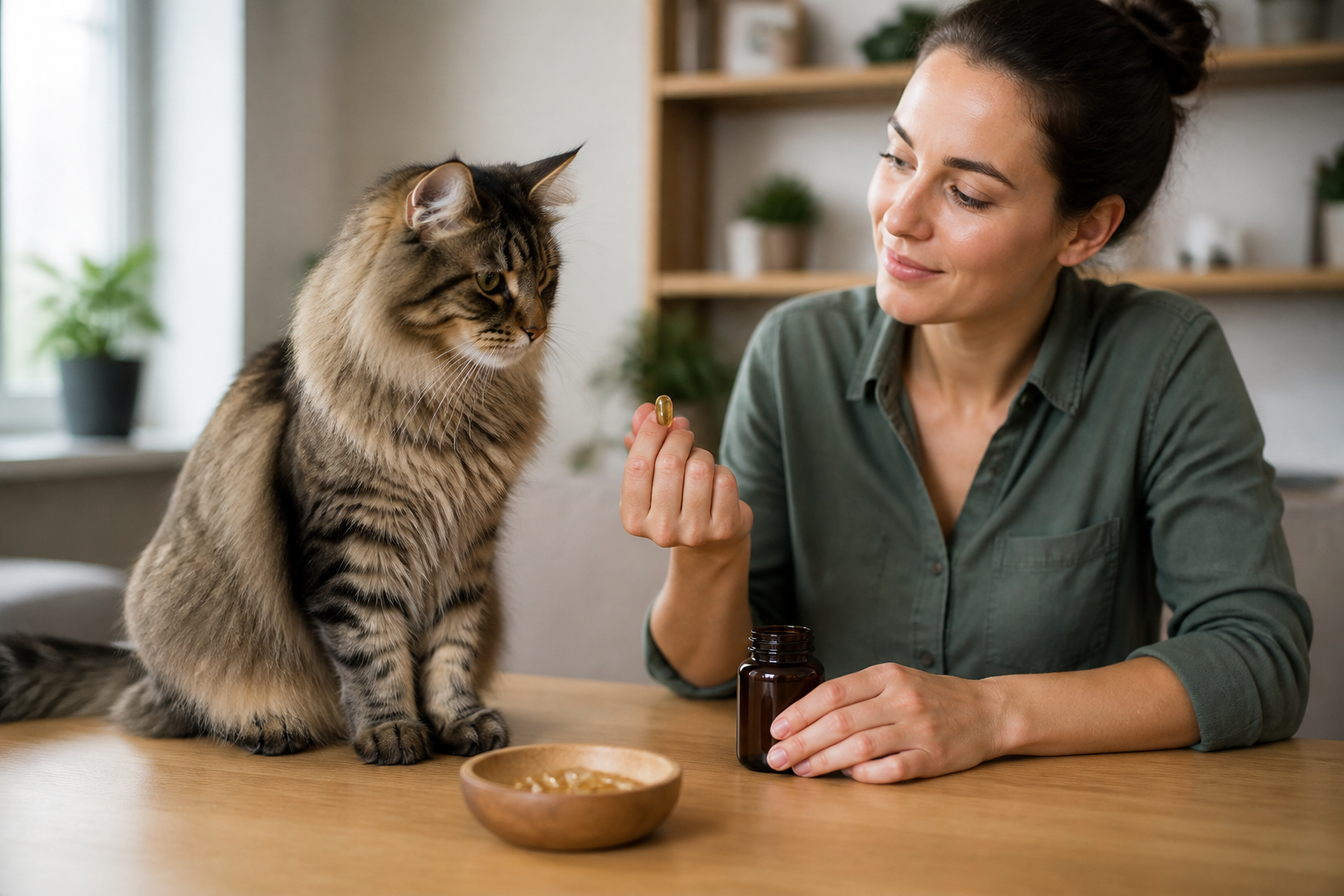
Petting your cat should be a relaxing moment for both of you. But then you see them. Small white flakes scattered across your cat's sleek coat can be frustrating. You might worry if your cat is itchy or if their diet is missing something vital. At BaxterBoo, we know that skin health is more than just a surface issue. It is often a window into your cat's overall wellness. This post covers how to identify the cause of those flakes and how to choose the right cat dandruff supplement. From Omega-3 fatty acids to better grooming tools, we have the practical advice you need to help your cat feel comfortable again. Understanding the root cause of dry skin is the first step toward a shiny, flake-free coat.
Recognizing the Difference Between Dandruff and Dander
Many pet owners use the terms dandruff and dander interchangeably. However, they are quite different. Every cat produces dander. These are microscopic bits of skin that shed naturally as part of the body's renewal process. You cannot see dander with the naked eye. It is the protein in dander that usually triggers allergies in humans.
Dandruff is visible. It consists of larger, white flakes that get trapped in the fur. It often appears when the skin is too dry or too oily. You might see it most clearly on cats with dark fur. If you see these flakes, it means the skin cells are shedding faster than normal. This process is often a sign of irritation or a lack of essential nutrients.
Common Signs Accompanying Dandruff
- Frequent scratching or biting at the skin.
- Red, inflamed patches under the fur.
- Thinning hair or bald spots.
- A greasy or dull texture to the coat.
- Small black specks, which might be flea dirt.
Quick Answer: Cat dandruff is the visible shedding of dead skin cells often caused by dry air, poor nutrition, or underlying health issues. A high-quality cat dandruff supplement containing Omega-3 fatty acids can help restore moisture to the skin and reduce flaking.
Cat Skin & Coat Care













Why Do Cats Get Dandruff?
Before picking a supplement, you need to know why the flakes are appearing. Several factors contribute to skin issues in felines. Some are easy to fix at home. Others require a visit to the veterinarian.
Nutritional Deficiencies
A cat's skin and coat require a lot of protein and healthy fats. In fact, about 30 percent of a cat's daily protein intake goes toward maintaining their skin and fur. If their food is low quality or lacks essential fatty acids, the skin is the first place you will see the impact. Omega-3 and Omega-6 fatty acids are crucial for building a strong skin barrier. Without them, moisture escapes and the skin becomes brittle.
Obesity and Mobility Issues
If a cat is overweight, they may struggle to reach certain spots during grooming. The lower back and the base of the tail are common areas where dandruff builds up. Senior cats with arthritis face a similar challenge. If it hurts to bend, they will stop grooming. This leads to a buildup of dead skin and natural oils.
Environmental Factors
Low humidity is a major cause of dry skin. This is especially true during winter when indoor heaters are running. The dry air strips moisture from your cat's coat. You might notice that the dandruff improves when the weather turns humid.
Medical Conditions
Sometimes dandruff is a symptom of a systemic problem. Conditions like diabetes, hyperthyroidism, and kidney disease can all affect coat quality. Allergies are another common culprit. Whether the allergy is to a specific food ingredient or environmental pollen, the skin often reacts by becoming inflamed and flaky.
Vet Tip: If your cat has dandruff along with changes in appetite, thirst, or litter box habits, schedule a vet visit immediately. These can be signs of metabolic diseases that require professional diagnosis and management.
Key Ingredients to Look for in a Cat Dandruff Supplement
When browsing for a supplement, the ingredient list is your best guide. You want ingredients that support the skin from the inside out. Not all supplements are created equal. Some use high-quality oils, while others may contain fillers. Explore our cat skin and coat supplements when comparing options for your cat.
Omega-3 Fatty Acids
These are the gold standard for skin health. Look for supplements containing fish oil, such as salmon or pollock oil. These provide EPA and DHA. These specific fatty acids help reduce inflammation in the skin. They also help "seal" the skin cells together to prevent moisture loss. Brands like Zesty Paws and Honest Paws offer targeted options for skin support.
Vitamin E
Vitamin E is a powerful antioxidant. It helps protect skin cells from damage. It also works well in combination with Omega-3s to improve the overall texture of the coat. Many high-quality supplements include Vitamin E to keep the oils from going rancid.
Biotin and Zinc
Biotin is a B vitamin that supports keratin production. Keratin is the primary protein in hair and claws. Zinc is a mineral that plays a role in skin cell division. A deficiency in either can lead to crusty skin and hair loss.
Checking for Quality
- Look for "wild-caught" fish oil sources.
- Avoid supplements with artificial colors or heavy preservatives.
- Check for third-party testing for heavy metals like mercury.
- Ensure the product is specifically formulated for cats.
The Role of the BaxterBoo Pharmacy
If your cat's dandruff is caused by parasites or a diagnosed medical condition, supplements alone might not be enough. This is where our cat pharmacy becomes a vital resource. Through our partnership with Pet's Choice, we offer FDA-approved medications and prescription diets.
"Walking dandruff" is a specific condition caused by the Cheyletiella mite. These mites look like moving white flakes. This requires medical treatment, not just a supplement. Our pharmacy carries a range of flea and tick preventives, including Frontline and NexGard. We also stock prescription skin support diets from brands like Royal Canin and Farmina Vet Life. If your vet prescribes a medicated shampoo or an oral medication, we can help you get those essential supplies delivered to your door.
Key Takeaway: Supplements support daily wellness, but prescription medications from our pharmacy are necessary for treating mites, infections, or chronic health conditions that cause skin issues.
How to Introduce a New Supplement
Cats can be picky about changes to their routine. Introducing a cat dandruff supplement should be a gradual process. This helps prevent upset stomachs and ensures your cat actually accepts the new addition.
Step 1: Choose the right format. / Decide between a liquid pump, a soft chew, or a powder. If your cat loves wet food, a liquid oil is often the easiest to hide.
Step 2: Start with a micro-dose. / Give only a tiny fraction of the recommended dose for the first three days. This allows your cat's digestive system to adjust to the increased fat content.
Step 3: Gradually increase. / If there is no diarrhea or vomiting, increase the amount slowly over two weeks. Follow the dosage instructions on the label based on your cat's weight.
Step 4: Monitor the results. / Skin cells take time to turn over. Do not expect the flakes to vanish overnight. It usually takes 4 to 6 weeks of consistent use to see a visible difference in the coat.
For additional guidance, read our pet supplement guide.
Beyond Supplements: Holistic Skin Care
A supplement works best when combined with good husbandry. You cannot out-supplement a poor environment or a lack of grooming.
Brushing and Grooming
Regular brushing is essential. It moves the natural oils from the skin down the hair shaft. This moisturizes the fur and removes dead skin before it can flake. For senior cats or those with limited mobility, you should aim to brush them daily. Use a soft slicker brush or a grooming glove to make it a pleasant experience. Find practical tools in our cat grooming collection.
Hydration is Key
Dehydrated cats have dehydrated skin. Since cats have a low thirst drive, you may need to get creative. Consider adding a water fountain to encourage more drinking. Switching a portion of their diet to wet food from brands like Tiki Cat or Fussie Cat can also significantly increase their daily moisture intake.
Humidity Control
If your home is very dry, a humidifier can help. Place it in the room where your cat spends the most time. This prevents the air from pulling moisture out of their skin and nasal passages.
Bottom line: A combination of high-quality supplements, regular brushing, and proper hydration is the most effective way to eliminate cat dandruff.
Diet Matters: Choosing the Right Food
The foundation of skin health is a balanced diet. If your cat's primary food is lacking, a supplement is only a temporary fix. Look for foods that list a specific animal protein as the first ingredient. Avoid diets with excessive "meat by-products" or high amounts of corn and soy fillers. Browse our cat food selection when evaluating different meal options.
Brands like Stella & Chewy's and Open Farm focus on high-protein, nutrient-dense recipes. Some formulas are specifically designed for skin and coat health. They include extra Omega fatty acids and minerals like Zinc. If you are unsure which food is right for your cat, consult your veterinarian. They may suggest a limited-ingredient diet if food allergies are suspected.
Nutritional Checklist for Skin Health
- Minimum 30% protein for adult cats.
- Guaranteed levels of Omega-3 and Omega-6 fatty acids.
- Added Vitamin A and Vitamin E.
- No artificial flavors or dyes.
- High moisture content (especially for cats prone to dry skin).
Managing "Walking Dandruff" and Parasites
If you see the flakes on your cat's back moving, you are likely dealing with mites. Cheyletiella mites are highly contagious. They can even affect humans and other pets in the house. This is not a simple dry skin issue. It requires a medical intervention.
Our pharmacy provides the necessary flea, tick, and mite preventives to handle these infestations. Regular use of a broad-spectrum preventive can stop these parasites before they start. Products like NexGard or Frontline are trusted options that many vets recommend. Keeping your cat on a year-round preventive schedule is the best way to avoid parasite-related skin problems.
Vet Tip: If you have multiple pets and one is diagnosed with mites or fleas, you must treat every animal in the house. Parasites can easily jump between hosts, leading to a cycle of reinfection.
Senior Cat Care and Mobility
As cats age, they often develop osteoarthritis. This makes it painful to reach their hindquarters. When a cat stops grooming, the skin becomes thick and flaky. If you notice dandruff primarily on the lower back of an older cat, mobility is likely the issue.
In these cases, a joint supplement might actually be the best "dandruff" solution. Ingredients like Glucosamine and Chondroitin can help reduce joint pain. This allows the cat to return to their normal grooming habits. Cosequin is a well-known brand for feline joint support. We also carry mobility aids and ramps to help your senior cat navigate their environment more comfortably. Explore our cat hip and joint care category for mobility-support options.
For more information about senior feline mobility, read our guide to arthritis medicine for cats.
Summary of Solutions
| Cause of Dandruff | Recommended Action | Suggested Product/Ingredient |
|---|---|---|
| Dry Air | Increase Humidity | Room Humidifier |
| Poor Nutrition | Change Diet or Add Supplement | Salmon Oil, Stella & Chewy's |
| Lack of Grooming | Manual Brushing | Slicker Brush, Grooming Glove |
| Parasites | Medical Treatment | Pharmacy-grade Flea/Tick Meds |
| Allergies | Vet Consult / Limited Diet | Prescription Diet, Zesty Paws |
FAQ
Can I give my cat fish oil made for humans?
It is generally better to use a supplement specifically formulated for cats. Human fish oils can sometimes contain flavorings like lemon or xylitol which are toxic to cats. They may also have different concentrations of EPA and DHA that are not ideal for a small feline's body weight.
How long will it take to see an improvement in my cat's skin?
Skin cells take about three to four weeks to regenerate completely. Because of this cycle, you should expect to wait at least a month before seeing a significant reduction in dandruff. Consistency is key, so make sure to give the supplement every day as directed.
Is cat dandruff ever a sign of a serious illness?
Yes, it can be. While it is often just dry skin, dandruff can be a secondary symptom of diabetes, hyperthyroidism, or kidney disease. If your cat is also losing weight, drinking more water than usual, or seems lethargic, you should take them to a veterinarian for blood work.
Should I bathe my cat to get rid of the dandruff?
Bathing a cat too often can actually make dandruff worse by stripping away natural oils. Unless your vet prescribes a specific medicated shampoo for an infection, it is usually better to use grooming wipes or a damp cloth. Regular brushing is much more effective for long-term skin health than frequent bathing.
Conclusion
Managing cat dandruff requires a thoughtful approach to nutrition, grooming, and overall health. A high-quality cat dandruff supplement is a fantastic tool for restoring shine and moisture to your cat's coat. Remember to focus on ingredients like Omega-3 fatty acids and Vitamin E to support the skin barrier. If your cat's skin issues persist or appear alongside other symptoms, our pharmacy is here to provide the prescription support your vet recommends. We want every pet to feel their best from the inside out. For a simple way to stay consistent with your cat's wellness routine, consider our Autoship program to save on your favorite supplements and food.
Key Takeaway: Effective skin care for cats involves a balance of internal supplements, external grooming, and professional veterinary guidance when medical issues arise.






- Site & Contents BaxterBoo.com. BaxterBoo is located in the United States.
- Privacy & Security
- Terms of Use
- Accessibility Statement
