Save 15% on your 1st Autoship learn more

 Email us
 Live Chat
 FAQs
FAQs





Introduction
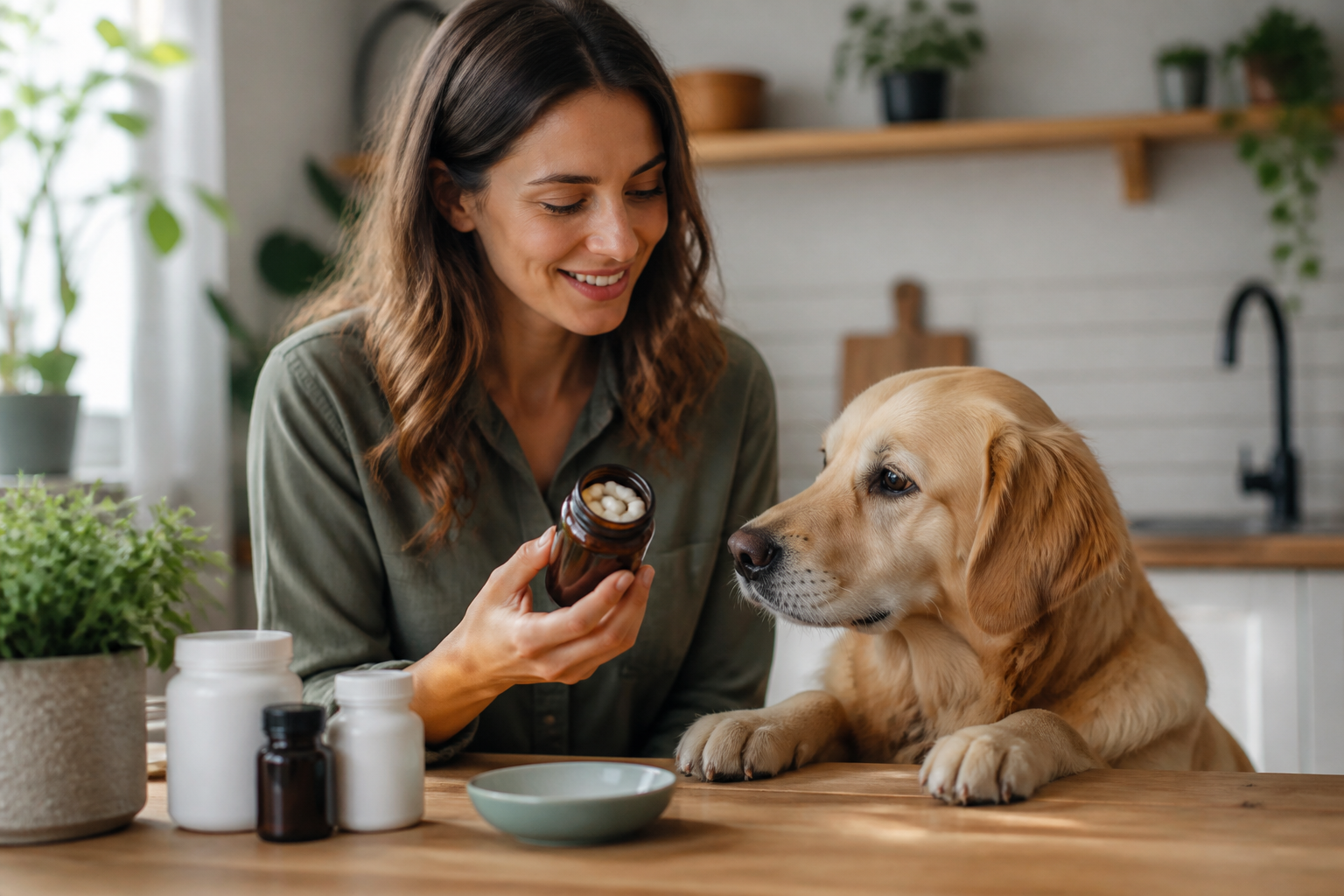
If you have ever walked into a room and been hit by a wall of dog gas, you know how frustrating digestive issues can be. Perhaps you are constantly cleaning up loose stools after a weekend of boarding or a sudden change in kibble. These digestive hurdles are incredibly common for pet owners. At BaxterBoo, we talk to neighbors every day who are looking for ways to settle their dog’s stomach and improve their overall wellness. Probiotics and enzymes are two of the most popular tools for supporting a healthy gut. This article covers how these supplements work, when your pet needs them, and how to choose the best option for your dog. Understanding the gut microbiome is the first step toward a happier and more comfortable companion.
Quick Answer: Dog probiotics are beneficial bacteria that balance the gut, while digestive enzymes are proteins that help break down food into nutrients. Many owners use them together to manage gas, diarrhea, or food sensitivities. Always consult a veterinarian for chronic issues to rule out underlying medical conditions.
The Role of Probiotics in the Canine Gut
Probiotics are often called friendly or beneficial bacteria. They live in the gastrointestinal tract of every dog and play a massive role in their health. These tiny organisms do much more than just help with digestion. They fight off harmful pathogens, produce essential vitamins, and support the immune system. In fact, a huge portion of a dog’s immune system is located right in their gut.
When a dog is healthy, their gut contains a balanced population of these microbes. However, this balance is fragile. Things like stress, poor diet, or illness can wipe out the good bacteria. This allows harmful bacteria to take over, which often leads to symptoms like bloating, gas, and diarrhea. Supplementing with probiotics helps restore the natural balance by introducing live, beneficial cultures back into the system.
Common Probiotic Strains for Dogs
Not all bacteria are the same. When you look at a supplement label, you will see various names in italics. Each strain has a different job. Some of the most common and effective strains include:
- Lactobacillus acidophilus: Supports the immune system and helps with stool consistency.
- Bifidobacterium animalis: Known for helping to reduce the time a dog suffers from diarrhea.
- Enterococcus faecium: Often used to help dogs manage stress-induced digestive upset.
- Lactobacillus plantarum: Supports the intestinal barrier and can help reduce inflammation.
Understanding CFUs
You will also notice the term CFU on many labels. This stands for Colony Forming Units. It tells you how many live, active bacteria are in each serving. Numbers can range from a few million to several billion. While a higher number is not always better for every dog, a therapeutic dose usually requires at least one billion CFUs to be effective.
Key Takeaway: Probiotics are live microorganisms that must survive the acidic environment of the stomach to work in the intestines. Look for products that guarantee live cultures at the time of consumption, not just at the time of manufacture.
Why Digestive Enzymes Matter
While probiotics are living organisms, digestive enzymes are specialized proteins. Their primary job is to break down the food your dog eats into smaller, absorbable pieces. Without enough enzymes, the body cannot extract the nutrients from protein, fats, and carbohydrates. Most dogs produce their own enzymes in the pancreas and mouth, but some may need a little extra help.
There are three main types of enzymes that dogs need for proper digestion:
- Protease: Breaks down proteins into amino acids.
- Amylase: Breaks down carbohydrates and starches into simple sugars.
- Lipase: Breaks down fats into fatty acids.
When Enzymes Become Necessary
Some dogs suffer from a condition called Exocrine Pancreatic Insufficiency, or EPI. This means their pancreas does not produce enough enzymes to digest food. Dogs with EPI often lose weight despite having a huge appetite. They may also have greasy, foul-smelling stools. These dogs require prescription-strength enzyme powders with every meal for the rest of their lives.
Even without a clinical diagnosis like EPI, some dogs benefit from supplemental enzymes. This is especially true for dogs eating highly processed kibble. Cooking food at high temperatures can destroy the natural enzymes found in raw ingredients. Adding a supplement can take the workload off the dog's pancreas and make digestion more efficient.
Vet Tip: If your dog has chronic diarrhea, greasy stools, or is losing weight despite eating well, see your veterinarian immediately. These can be signs of EPI or other serious malabsorption issues that require a professional diagnosis and a specific treatment plan.
The Difference Between Prebiotics and Probiotics
It is easy to get these two terms confused because they sound so similar. However, they have very different roles in your dog's gut. If probiotics are the "good bugs," then prebiotics are the "food" that keeps those bugs alive and thriving.
Prebiotics are a type of fiber that dogs cannot digest on their own. Instead, this fiber travels to the lower digestive tract where the beneficial bacteria fermented it. Common prebiotics found in dog supplements include:
- Inulin: Often sourced from chicory root.
- Fructooligosaccharides (FOS): A common sugar-based prebiotic.
- Mannan-oligosaccharides (MOS): Often derived from yeast cell walls.
Using a supplement that contains both probiotics and prebiotics is often called a synbiotic. This combination ensures that the beneficial bacteria have an immediate food source once they reach the intestines. This helps them colonize more effectively. For additional guidance, explore our dog digestive health category.
When Should You Use These Supplements?
You might wonder if your dog needs a daily supplement or if it should only be used during a crisis. The answer often depends on your dog's lifestyle and health history. There are several specific scenarios where these tools are most effective.
During and After Antibiotic Treatment
Antibiotics are life-saving medications, but they are not selective. They kill off the bad bacteria causing an infection, but they also wipe out the beneficial bacteria in the gut. This is why many dogs get diarrhea while taking antibiotics. Giving a probiotic can help maintain the population of good bacteria. Just be sure to give the probiotic a few hours apart from the antibiotic dose so the medication doesn't kill the supplement immediately.
High-Stress Situations
Stress has a direct impact on the gut. Events like moving to a new home, staying at a boarding kennel, or even a long car ride can cause "stress colitis." This often results in watery or bloody stools. If you know a stressful event is coming up, starting a probiotic a few days in advance can help protect your dog's digestive system.
Transitioning to New Food
Switching your dog's diet too quickly is a recipe for an upset stomach. Even if you transition slowly over a week, their gut needs to adjust to new proteins and fiber levels. A blend of enzymes and probiotics can help the body process the new ingredients more smoothly and reduce the risk of gas or loose stools. For more digestive guidance, read how dry food can affect diarrhea in dogs.
Senior Dog Care
As dogs age, their digestive systems can become less efficient. They may produce fewer natural enzymes and their gut microbiome may become less diverse. Providing a daily supplement can help senior dogs get more nutrition out of their food and maintain a stronger immune system. You can also review our dog vitamins and supplements selection for additional options.
Choosing the Right Format: Chews, Powders, or Capsules
At BaxterBoo, we carry a variety of brands like Zesty Paws, NaturVet, and Honest Paws that offer different ways to give these supplements. The best format depends on your dog's preferences and how you feed them.
Soft Chews
These are the most convenient option for many owners. They look and taste like treats, so most dogs take them readily. They are great for daily wellness and are easy to dose based on weight.
Powders
Powders are often the best choice for dogs who need a high concentration of enzymes. They can be sprinkled over wet food or mixed with a little water to create a gravy. Powders are also highly effective for multi-dog households because you can easily adjust the scoop size.
Capsules
Capsules are ideal for picky eaters who might notice a powder on their food. You can hide a capsule in a pill-hiding treat or a small piece of cheese. Some capsules can also be opened and sprinkled if your dog is not a fan of swallowing pills.
Selecting a Product Checklist
- Check for a variety of probiotic strains rather than just one.
- Look for a guarantee of live CFUs at the time of use.
- Ensure the enzymes include protease, lipase, and amylase.
- Avoid products with excessive artificial fillers or sugars.
- Look for the NASC (National Animal Supplement Council) seal for quality assurance.
Dietary Support and the BaxterBoo Pharmacy
For many dogs, a simple over-the-counter supplement is enough to fix occasional gas. However, dogs with chronic allergies, skin issues, or recurring digestive upset may need more targeted help. In these cases, your veterinarian might recommend a prescription diet.
Brands like Royal Canin and Farmina Vet Life offer specialized formulas designed for sensitive stomachs and malabsorption issues. These foods are often formulated with highly digestible proteins and specific fiber blends that work alongside probiotics.
Our pharmacy offers access to these prescription pet foods and FDA-approved medications through our partnership with Pet's Choice. If your veterinarian determines that your dog needs a therapeutic diet or a prescription-strength enzyme, our dog pharmacy can help you manage that care. This hybrid model allows you to get your favorite toys and treats while also handling your pet's medical needs in one place.
Key Takeaway: Supplements are an excellent tool for wellness, but they do not replace a balanced diet or medical care. If symptoms persist for more than 24 to 48 hours, a vet visit is necessary to ensure there is no infection or parasite issue.
How to Introduce Supplements to Your Dog
When you start any new supplement, it is important to go slow. Even though these are beneficial, adding a large dose of new bacteria or enzymes can actually cause temporary gas if done too quickly.
Step 1: Start with a half dose
Give your dog half of the recommended dose for the first three to five days. This gives their system time to adjust to the new microbes.
Step 2: Monitor stool quality
Watch your dog's bathroom habits. You are looking for firm, well-formed stools. If you notice increased gas or diarrhea, you may be moving too fast.
Step 3: Gradually increase to the full dose
Once your dog is doing well on the half dose, increase it to the full amount recommended on the package.
Step 4: Consistency is key
Probiotics and enzymes work best when given consistently. For enzymes, they must be given with every meal to help with digestion. For probiotics, a daily dose helps maintain a steady population of beneficial bacteria.
Bottom line: Slow and steady introduction is the best way to avoid making a sensitive stomach worse while trying to help.
Common Myths About Dog Probiotics
There is a lot of information available online, and not all of it is accurate. One common myth is that you can just give your dog human yogurt to solve their gut issues. While plain, unsweetened yogurt does contain some live cultures, the concentration is usually too low to have a therapeutic effect on a dog. Additionally, many dogs are lactose intolerant, and the dairy can actually cause more diarrhea.
Another myth is that all probiotics are the same. In reality, some strains that work for humans do not colonize well in the canine gut. It is always better to choose a product formulated specifically for dogs. Canine-specific supplements use strains that are known to survive the unique pH levels of a dog's stomach.
Finally, some people believe that if a little is good, a lot must be better. Overloading a dog with too many probiotics can lead to an imbalance. It is best to follow the weight-based dosing instructions provided by the manufacturer or your vet.
Managing Long-Term Digestive Health
Supplements are just one piece of the puzzle. To keep your dog's gut healthy long-term, you should also look at their overall lifestyle. A high-quality diet is the foundation. Avoid feeding too many table scraps, as fatty or spicy human foods can wreak havoc on a dog's microbiome.
Regular exercise also plays a role in digestion. Moving the body helps keep the digestive tract moving as well. Finally, keep up with regular veterinary checkups. Routine fecal exams can rule out parasites like giardia or roundworms, which often mimic the symptoms of a simple upset stomach.
If you find a supplement that works well for your dog, consider our Autoship programme. This ensures you never run out of the probiotics or enzymes your pet relies on. It also saves you money on recurring orders and includes a free MVP Gold membership for extra rewards.
Conclusion
Managing your dog's digestive health does not have to be a guessing game. Probiotics and enzymes provide a practical way to support your pet through stress, diet changes, and the natural aging process. By focusing on high-quality strains and the right balance of enzymes, you can help your dog feel their best every day.
- Probiotics restore the balance of "good bugs" in the gut.
- Enzymes help the body break down and absorb nutrients from food.
- Prebiotics act as the fuel for beneficial bacteria to grow.
- Consistency and quality are the most important factors for success.
Our goal is to help you navigate these choices with confidence. Whether you are looking for a daily soft chew or a prescription diet through our pet pharmacy, we are here to support your pet’s journey to wellness.
Bottom line: A healthy gut leads to a stronger immune system and a happier dog. Start slow, choose quality brands, and always talk to your vet about chronic digestive concerns.
FAQ
Can I give my dog human probiotics?
While some human probiotics are safe, they are not ideal because the canine gut has different bacterial needs and a different pH level than the human gut. Canine-specific supplements are formulated with strains that are proven to survive and thrive in a dog's digestive tract. Additionally, some human products contain sweeteners like xylitol which are highly toxic to dogs.
How long does it take for dog probiotics to work?
For acute issues like mild diarrhea from a diet change, you might see improvement within 24 to 48 hours. For chronic issues or immune system support, it can take two to four weeks of consistent daily use to see the full benefits. If you are using them for a stressful event, it is best to start giving them three to five days before the event begins.
Do probiotics help with dog skin allergies?
There is a strong link between gut health and skin health. Since a large portion of the immune system lives in the gut, balancing the microbiome can help reduce the systemic inflammation that contributes to itchy skin and allergies. While they are not a cure for all allergies, many owners find that probiotics are a helpful part of a broader allergy management plan.
Can I give my dog enzymes and probiotics at the same time?
Yes, these two supplements work very well together and are often found in the same product. Enzymes help break down the food in the stomach and small intestine, while probiotics support the bacterial balance in the lower intestines. Using them together provides a multi-layered approach to digestive health that covers the entire length of the GI tract.