
 Save 15% on your 1st Autoship learn more

 Email us
 Live Chat
 FAQs
FAQs





Introduction
You lean in for a happy morning nuzzle only to be met with a cloud of breath that could wilt a flower. We have all been there. While "dog breath" is a common joke among pet owners, it often signals a buildup of plaque and bacteria that needs attention. At BaxterBoo, we believe that dental care is a cornerstone of your dog's overall health and longevity. This guide explores effective home remedies and natural methods to keep your dog's teeth sparkling and their gums healthy. We will cover everything from dietary changes to DIY toothpaste recipes and the best natural chews for the job. Regular home care can prevent painful infections and reduce the need for stressful veterinary cleanings. A proactive approach today ensures your dog stays comfortable and healthy for years to come.
Quick Answer: You can clean your dog's teeth at home using natural remedies like coconut oil, seaweed supplements, and raw meaty bones. These methods help soften plaque and reduce bacteria without the use of harsh chemicals.
The Importance of Oral Hygiene
A clean mouth is about much more than fresh breath. When plaque stays on the teeth, it mineralizes into tartar within 24 hours. This hard substance provides a home for bacteria to thrive. Eventually, these bacteria can enter the bloodstream through the gums. This process can lead to systemic issues affecting the heart, liver, and kidneys.
Dental disease is one of the most common health problems in dogs. It often starts as gingivitis, which shows up as red or swollen gums. If you do not catch it early, it can progress to periodontal disease. This stage involves bone loss around the teeth and can be very painful for your pet.
Maintaining oral health is a two way street. Poor dental hygiene can cause organ stress. Conversely, chronic health issues like kidney disease can make oral health worse. By focusing on home remedies, you are protecting your dog's entire body. For more warning signs, read our guide to recognizing bad teeth in dogs.
Key Takeaway: Oral health is directly linked to internal organ function. Keeping the mouth clean prevents bacteria from spreading throughout the body.
Starting with Nutrition
The best way to manage dental health starts in the food bowl. Many people believe that dry kibble cleans teeth by scraping against them. However, most kibble is high in carbohydrates. These starches can actually stick to the teeth and feed the bacteria that cause plaque.
A diet rich in natural proteins and healthy fats is often better for the oral microbiome. Some owners find success with raw diets that include muscle meat and connective tissue. These foods require more chewing, which provides a natural scrubbing action. If you prefer to stick to traditional food, look for high quality options without unnecessary fillers.
We carry over 500 brands that prioritize high quality ingredients. Using our Autoship program can help you stay consistent with a diet that supports your dog's health. Consistency is the secret to a healthy mouth and a happy gut.
The Power of Coconut Oil
Coconut oil is a favorite home remedy for many pet owners. It contains lauric acid, which has natural antibacterial and antifungal properties. Using it is a simple way to combat the bacteria that lead to tooth decay and smelly breath.
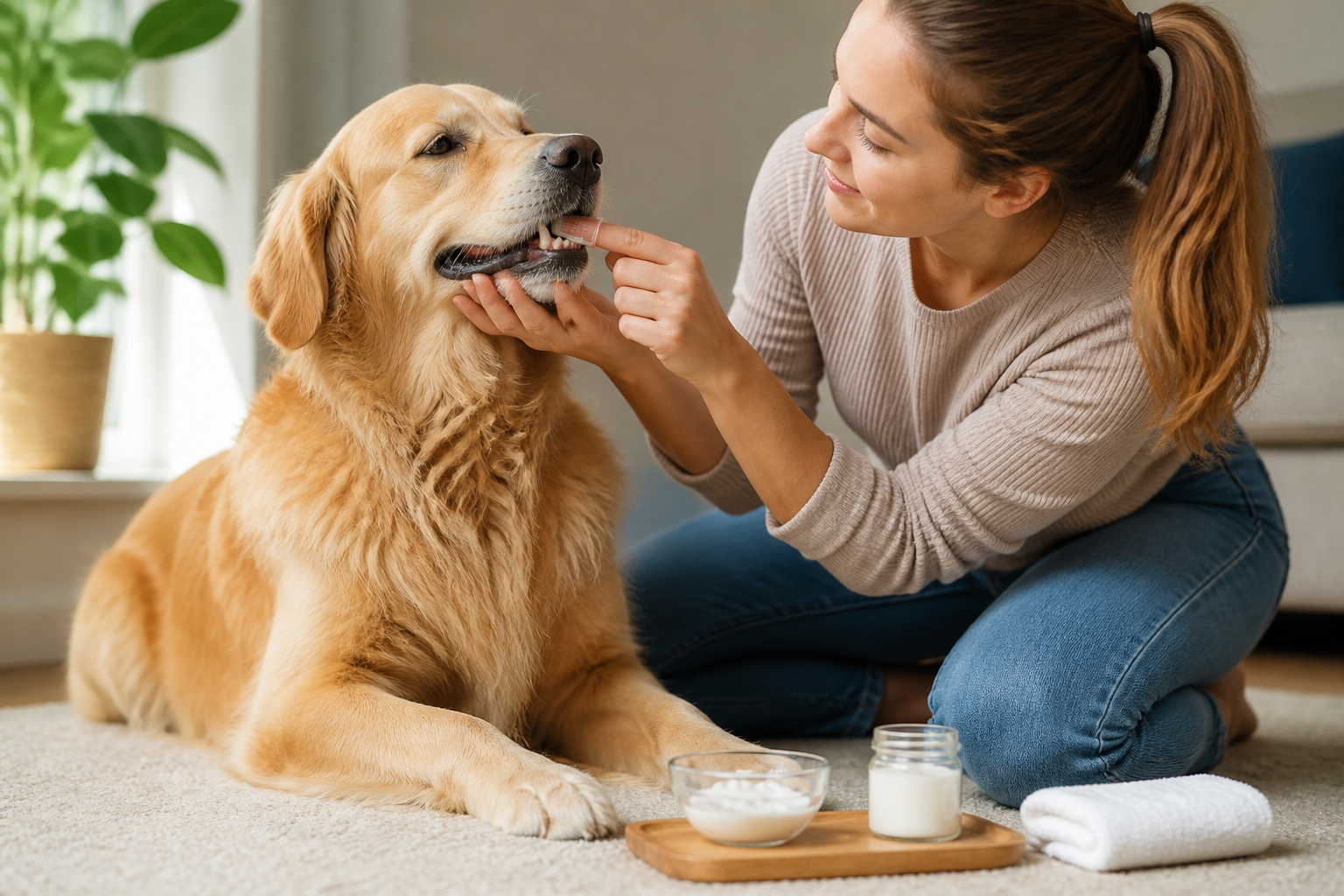
To use coconut oil for dental care, you can simply apply a small amount to a finger brush. Many dogs love the taste, which makes the process much easier. You can also let your dog lick a small spoonful of the oil. This helps coat the mouth and reduce the bacterial load.
How to use coconut oil for teeth
- Choose organic, unrefined coconut oil for the best results.
- Start with a small amount, about a quarter teaspoon for small dogs.
- Gently rub the oil onto the teeth and gums using a soft cloth or brush.
- Allow your dog to lick any extra oil to help freshen their breath.
Vet Tip: If your dog has a history of pancreatitis or is prone to weight gain, consult your veterinarian before adding coconut oil to their routine. The high fat content may not be suitable for every dog.
Seaweed Supplements for Tartar Control
Seaweed is a rising star in the world of canine dental health. Specifically, certain types of brown kelp contain enzymes that help break down the biofilm of plaque. These supplements work systemically through the saliva.
When a dog eats seaweed, the beneficial compounds enter the bloodstream and are released back into the mouth via the salivary glands. This softens existing tartar and prevents new plaque from sticking. It is an excellent option for dogs that do not tolerate manual brushing.
Most seaweed supplements come in a powder form that you can sprinkle over their food. It is rich in minerals and antioxidants that support overall wellness. Over several weeks, you may notice that tartar becomes easier to scrape away or simply falls off during play.
Raw Meaty Bones as Natural Brushes
Gnawing on a raw bone is one of the most effective natural ways to clean teeth. This behavior provides mechanical cleaning as the bone surface rubs against the teeth. It also provides mental stimulation and exercises the jaw and neck muscles.
It is vital to use raw bones rather than cooked ones. Cooked bones become brittle and can splinter, causing internal damage. Raw bones are pliable and much safer for chewing. Choose a size that is appropriate for your dog to prevent choking. You can also explore our dental chews and treats for additional chewing options.
Choosing the right bone
- Select bones that are larger than your dog's mouth to prevent swallowing.
- Avoid weight bearing bones from large animals like cows, as these can crack teeth.
- Always supervise your dog while they are chewing.
- Discard the bone once it becomes small enough to be a choking hazard.
Bottom line: Raw bones act as a natural toothbrush by mechanically scraping away plaque while providing essential minerals.
Probiotics for the Oral Microbiome
The mouth is home to a complex ecosystem of bacteria. When bad bacteria outweigh the good ones, dental disease flourishes. Adding a probiotic supplement can help rebalance this environment.
Specific strains of probiotics are designed to support oral health. They compete with the bacteria that cause plaque and bad breath. This helps create a protective barrier on the teeth and gums. You can find probiotics in powders, chews, or even certain water additives.
A healthy oral microbiome is the first line of defense against infection. By supporting the "good guys," you make it much harder for harmful bacteria to take hold. This is a great long term strategy for dogs prone to chronic dental issues.
DIY Dog Toothpaste Recipes
Making your own toothpaste at home is easy and cost effective. It allows you to control the ingredients and avoid artificial sweeteners or preservatives. Many commercial toothpastes contain ingredients that are not necessary for a clean mouth.
The Remineralizing Blend
This recipe helps strengthen the enamel while cleaning away surface stains.
- 1/4 cup ground eggshells (bake them first to sanitize).
- 1 tablespoon of coconut oil or MCT oil.
- A pinch of dried parsley for fresh breath.
- Mix into a paste and store in a small jar.
The Soothing Calendula Paste
If your dog has slightly red gums, calendula can be very helpful. It is known for its ability to soothe mucous membranes and support healing.
- 1 tablespoon of coconut oil.
- 2 drops of alcohol free calendula tincture.
- 1 teaspoon of baking soda (use sparingly).
- Mix well and apply gently to the gum line.
Note: Never use human toothpaste for your dog. It often contains Xylitol, which is highly toxic to dogs, and foaming agents that can upset their stomachs.
Using Dental Wipes and Pads
Some dogs are very resistant to having a brush in their mouth. In these cases, dental wipes are a great middle ground. You can use a textured wipe to rub the surface of each tooth. This provides enough friction to remove daily plaque buildup.
If you do not have commercial wipes, a piece of clean gauze wrapped around your finger works well. You can dip the gauze into a mixture of water and a tiny bit of baking soda. This allows you to reach the back molars where tartar often accumulates the fastest.
Circular motions are most effective for breaking up plaque. Focus on the outside of the teeth, as this is where the most buildup occurs. Most dogs find the sensation of a finger much less threatening than a plastic brush. For more guidance, review these pet dental care tips.
Bone Broth for Dental Strength
Bone broth is more than just a tasty topper for meals. It is packed with minerals like calcium, magnesium, and phosphorus. These minerals are essential for maintaining strong teeth and a healthy jawbone.
The collagen found in bone broth also supports gum health. Healthy gums provide the necessary foundation for stable teeth. You can make your own broth by simmering marrow bones with a splash of apple cider vinegar for 24 to 48 hours.
Regularly adding bone broth to your dog's diet provides a nutritional boost that supports oral integrity from the inside out. It is also an excellent way to keep senior dogs hydrated if they have trouble eating dry food.
Step-by-Step Guide to Cleaning at Home
Transitioning to a home dental routine should be a slow process. If you rush, your dog may become fearful. The goal is to make it a positive experience that they look forward to every day.
Step 1: Get them used to your touch. Spend a few days just lifting their lips and touching their teeth with your finger. Give them plenty of praise.
Step 2: Introduce the flavor. Let your dog lick some coconut oil or pet safe toothpaste off your finger. This builds a positive association with the cleaning agent.
Step 3: Introduce the tool. Whether you use a brush or gauze, let them sniff it first. Slowly move from touching one tooth to rubbing several in a session.
Step 4: Establish a routine. Consistency is more important than duration. A 30 second session every day is better than a 5 minute session once a month.
Key Takeaway: Patience and positive reinforcement are the keys to a successful home dental routine. Always end the session with a reward.
When Home Remedies Are Not Enough
While home remedies are excellent for prevention, they cannot fix everything. Some dogs are genetically predisposed to dental issues. If your dog already has heavy tartar or loose teeth, a veterinary visit is necessary.
Tartar that has hardened into calculus cannot be brushed away. It requires professional scaling, often under anesthesia. Once the vet has professionally cleaned the teeth, you can use home remedies to keep them that way.
If you notice your dog is dropping food, drooling excessively, or has a swollen face, these are signs of an abscess or infection. These conditions are very painful and require immediate medical attention. Our pet pharmacy can help with medications your veterinarian might prescribe for these issues.
Vet Tip: Check your dog's mouth once a week. Look for bleeding gums, broken teeth, or unusual lumps. Early detection of oral tumors or infections can save your dog's life.
Supporting the Gums Naturally
Healthy gums are pink and firm. If they are red, purple, or bleeding, your dog has inflammation. Aloe vera gel can be used as a topical treatment to soothe irritated gums. Ensure you use pure aloe vera without any additives like alcohol or lidocaine.
Bee propolis is another powerful natural remedy. It is a resinous substance collected by bees that has strong antimicrobial properties. You can apply a small amount of propolis tincture to specific areas of concern in the mouth. It acts like a liquid bandage and helps fight localized infections.
Maintaining the integrity of the gum line is crucial. Once gums recede, they do not grow back. This leaves the sensitive root of the tooth exposed, which leads to pain and further decay. Natural anti-inflammatories can help keep the gum tissue tight and healthy.
Fresh Breath Home Remedies
Bad breath is often the first sign that something is wrong. While you work on the underlying cause, you can use natural breath fresheners. Fresh herbs like parsley and mint are safe for dogs in small amounts.
You can finely chop these herbs and add them to their food. They contain chlorophyll, which helps neutralize odors. Another option is adding a small amount of apple cider vinegar to their water bowl. This can help balance the pH of the mouth and reduce bacterial growth.
If bad breath persists despite these efforts, it may be time to look deeper. Chronic bad breath can sometimes indicate digestive issues or kidney problems. Always keep your vet informed of any changes in your dog's breath or behavior.
Training and Enrichment for Dental Health
Chewing is a natural behavior that serves a functional purpose. Providing appropriate toys can help keep teeth clean between brushings. Look for rubber toys with textures or nubs that massage the gums. Browse our dog toys for options designed for chewing and enrichment.
Interactive toys that you can fill with healthy treats are also beneficial. As the dog works to get the food out, their teeth rub against the toy. This provides a gentle abrasive action that helps keep plaque at bay.
Training your dog to accept oral exams is a vital life skill. Start when they are young if possible, but older dogs can also learn with patience. Making dental care a part of your daily bonding time ensures you never miss a problem.
Conclusion
Caring for your dog's teeth at home is one of the most impactful things you can do for their health. By using natural remedies like coconut oil, seaweed, and raw bones, you can maintain a healthy mouth without stress. Remember that nutrition is the foundation of oral health, and consistency is the key to success. We are here to support you with the best products and advice for every stage of your dog's life.
- Brush or wipe teeth daily for the best results.
- Incorporate natural chews like raw bones or high quality dental treats.
- Use seaweed and probiotics to support the oral microbiome.
- Monitor for signs of pain or infection and consult a vet when needed.
If your dog requires specific care for an infection or a prescription diet for oral health, our dog dental care collection can help you find relevant products.
FAQ
Can I use baking soda to clean my dog's teeth at home?
Yes, you can use a small amount of baking soda mixed with water or coconut oil to clean your dog's teeth. It acts as a mild abrasive to help remove surface stains and plaque. However, be careful not to use too much, as it can upset their stomach if swallowed in large quantities.
How often should I use home remedies for my dog's dental care?
For the best results, you should aim to clean your dog's teeth every day. Natural remedies like seaweed supplements or raw bones can be used several times a week. Consistency is vital because plaque begins to turn into hard tartar within just 24 hours.
Are raw bones safe for all dogs to clean their teeth?
Raw bones are generally safe and very effective, but they must be the right size for your dog. Never give cooked bones, as they can splinter and cause serious injury. Always supervise your dog during chew time to ensure they do not swallow large pieces or hurt their gums.
Why does my dog still have bad breath after cleaning their teeth?
If bad breath persists after cleaning, it could indicate an underlying health issue or an infection deep in the gums. Tartar hidden below the gum line can still harbor bacteria that cause odor. It is best to consult your veterinarian to rule out periodontal disease or internal health problems.






