
 Save 15% on your 1st Autoship learn more

 Email us
 Live Chat
 FAQs
FAQs





Introduction
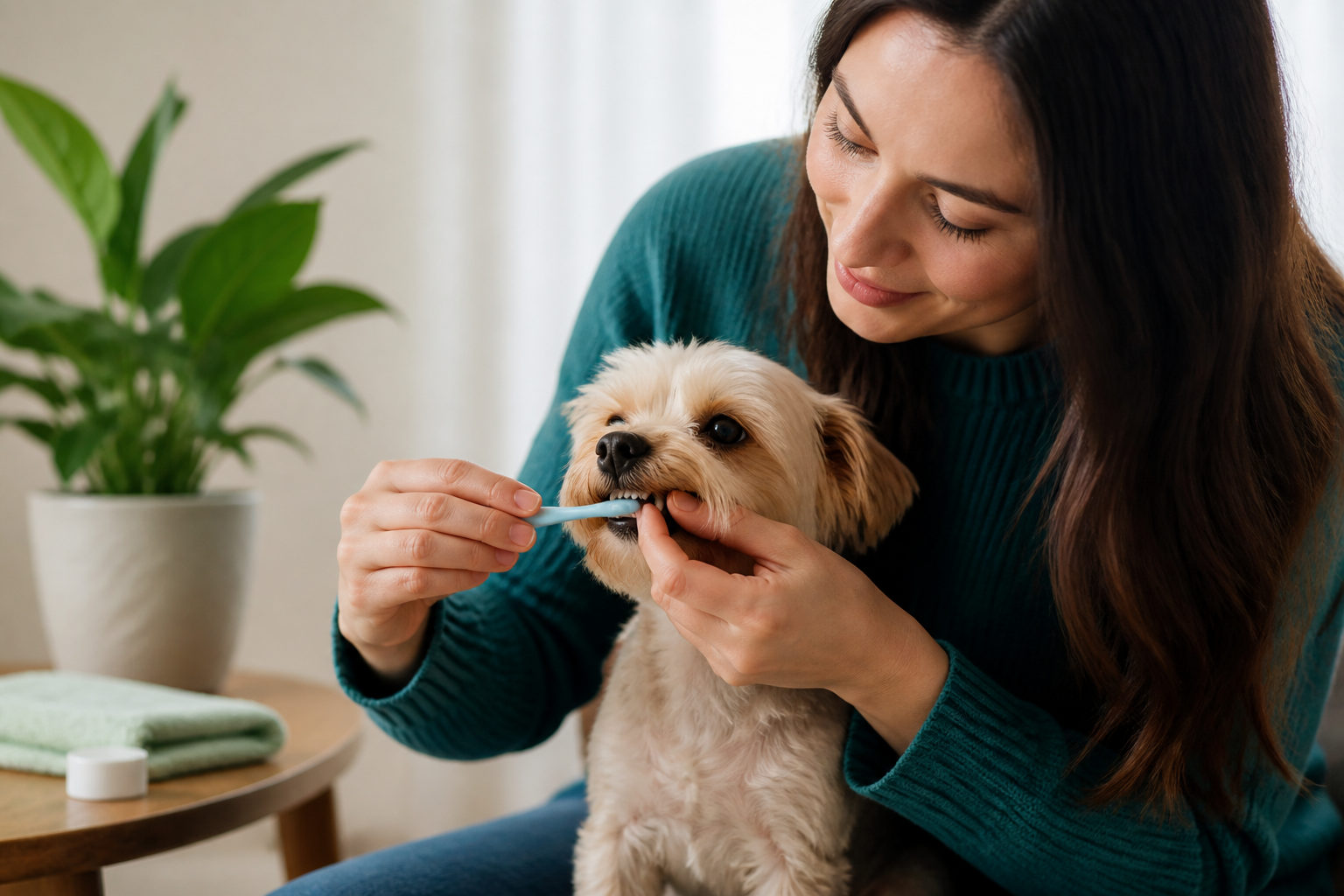
Small dog owners know the struggle of the tiny jaw. You notice that telltale "dog breath" when your Chihuahua or Yorkie gives you a kiss, and you realize it is time to address their dental health. At BaxterBoo, we see many pet parents who feel overwhelmed by the idea of brushing a tiny, wiggly dog's teeth. Because small breeds are prone to crowded teeth and rapid tartar buildup, home care is not just a luxury. It is a necessity for their long term comfort. This post covers everything from choosing the right tools to step by step training for a stress free cleaning session. You will learn how to manage the unique dental challenges of small dogs to keep their smiles bright and healthy.
The Unique Challenges of Small Dog Mouths
Small dogs have a big problem when it comes to their teeth. While they have much smaller jaws than a Labrador or a Golden Retriever, they still have 42 adult teeth. This leads to a situation called crowding. When teeth are packed closely together, there are more nooks and crannies for food particles and bacteria to hide.
Small breeds like Pugs, French Bulldogs, and Cavalier King Charles Spaniels often have misaligned jaws. This is common in flat faced breeds. When the top and bottom teeth do not meet perfectly, the natural cleaning action of chewing is lost. Plaque starts to form within hours of eating. If it is not removed through brushing, it hardens into tartar.
Tartar is a porous substance that traps even more bacteria against the gumline. For a small dog, the distance between the tooth crown and the sensitive root is very short. This means gum disease can progress to bone loss much faster than it does in large dogs. We often see small dogs with significant dental issues by the time they are three years old. For more information about warning signs, read our guide to recognizing bad teeth in dogs.
Gathering Your Supplies
You cannot use human products on your dog. Human toothpaste often contains xylitol, which is a sweetener that is highly toxic to dogs. It also contains fluoride and foaming agents that can upset a dog's stomach. You need a kit specifically designed for canine use. Our dog dental care collection includes brushes, toothpaste, wipes, chews, and other oral care options.
Choosing the Right Toothbrush
For a small dog, a standard pet toothbrush is often too bulky. Look for these options instead:
- Finger Brushes: These are small silicone sleeves that fit over your index finger. They give you excellent control and allow you to feel exactly where you are brushing.
- Dual Headed Brushes: Some brushes have a large end and a tiny end. The tiny end is perfect for reaching the back molars of a toy breed.
- Ultra Soft Bristles: Small dog gums can be sensitive. Soft bristles prevent irritation while still removing plaque. A small-breed Virbac C.E.T. toothbrush is designed for smaller dogs and cats.
Selecting a Toothpaste
Dog toothpaste comes in flavors that appeal to their predatory nature. Poultry, beef, and malt are popular choices. The goal is to make the toothpaste feel like a treat. Enzymatic toothpastes are especially helpful. They contain enzymes that help break down plaque even if you cannot reach every single surface with the brush. Consider a Virbac C.E.T. enzymatic poultry toothpaste made specifically for dogs and cats.
Dental Wipes
If your dog absolutely refuses a brush, dental wipes are a great middle ground. These are textured pads treated with cleaning solution. You wrap one around your finger and rub the surfaces of the teeth. They are less invasive than a brush and can help desensitize a nervous pet.
Quick Answer: Clean a small dog's teeth using a finger brush and enzymatic dog toothpaste. Focus on the outside surfaces of the teeth where plaque builds up fastest. Consistent sessions three times a week can significantly reduce the risk of gum disease.
Preparing Your Dog for Cleaning
You cannot simply grab your dog and start scrubbing. This will lead to a struggle that makes future cleanings impossible. You must build a positive association with mouth handling. This process might take a week or two, but it is worth the patience. These pet dental care tips can help you introduce oral care gradually.
Step 1: Get them used to mouth handling. / Start by gently lifting your dog's lips while they are relaxed in your lap. Touch their teeth and gums with your bare finger for a few seconds. Follow this with a high value treat and praise.
Step 2: Introduce the flavor. / Put a small amount of dog toothpaste on your finger. Let your dog lick it off. Do this for a few days until they get excited when they see the tube.
Step 3: Combine touch and taste. / Put a dab of toothpaste on your finger and rub it gently across their front teeth. This mimics the brushing motion without the vibration or texture of a brush.
Step 4: Introduce the tool. / Let your dog sniff and lick the toothbrush with toothpaste on it. Gently brush just the large canine teeth in the front. Stop before they get restless.
The Brushing Technique
Once your dog is comfortable, you can move to a full cleaning. Position your dog so they feel secure. Many owners find it easiest to sit on the floor with the dog between your legs or to place a small dog on a counter with a non slip mat.
Focus on the outside of the teeth. This is the cheek side. Most plaque and tartar accumulate here. You do not usually need to worry about the inside surfaces. A dog's tongue does a decent job of keeping those areas clean through natural friction.
Use small, circular motions. Aim for the gumline where the tooth meets the soft tissue. You do not need to apply heavy pressure. The goal is to disrupt the sticky film of plaque before it hardens. If your dog gets wiggly, take a break. It is better to do a thorough job on half the mouth today and the other half tomorrow than to force a full session that ends in stress.
Vet Tip: Check your dog's gums during your brushing sessions. Healthy gums should be a consistent pink color. If you notice a thin red line along the teeth or bleeding when you brush, this is a sign of gingivitis. Consult your veterinarian to see if a professional cleaning is required before you continue at home care.
Alternatives to Manual Brushing
We know that some dogs are simply too head shy or aggressive about their mouths for daily brushing. While brushing is the best method, other tools can support oral health.
Dental Chews and Treats
Small dogs love to chew, and the right treats can help scrape away plaque. Look for treats that have the Veterinary Oral Health Council seal of approval. These have been tested for their ability to reduce plaque and tartar. Ensure the chew is the right size for a small breed. If a chew is too large, they might swallow large chunks. If it is too hard, like a real bone or a heavy nylon chew, it can actually fracture their small teeth. Explore our dental chews and treats for small-dog options.
Water Additives
A water additive is like a mouthwash for dogs. You add a small, measured amount to their daily water bowl. These solutions contain ingredients that help kill the bacteria responsible for plaque. This is an excellent "set it and forget it" option for busy owners. For repeat-purchase dental supplies, our Autoship programme can help simplify regular ordering.
Dental Toys
Rubber toys with ridges or nubby textures can help clean teeth during playtime. As the dog gnaws on the toy, the rubber massaged the gums and wipes the teeth. You can even smear a little dog toothpaste into the grooves of the toy to increase the cleaning power.
Key Takeaway: A multi pronged approach is most effective for small breeds. Combine regular brushing with dental chews and water additives to cover all bases of oral hygiene.
Diet and Dental Health
What your dog eats matters for their teeth. Many owners of small dogs prefer wet food because it is easier for tiny mouths to chew. However, wet food provides no abrasive action. It can actually stick to the teeth and accelerate decay.
Kibble is slightly better because the crunch provides a small amount of friction. Some brands offer specific dental diets. These kibbles are larger and have a fibrous texture. Instead of crumbling immediately, the tooth sinks into the kibble, which wipes away plaque.
If your veterinarian recommends a prescription dental diet, we can help. Our pharmacy at BaxterBoo carries a variety of prescription pet foods through our partnership with Pet's Choice. These diets are formulated to address specific health needs, including advanced oral care for dogs prone to rapid tartar buildup. You will need a valid prescription from your vet to order these specialized formulas.
Recognizing the Signs of Dental Disease
Even with the best home care, small dogs may eventually develop dental issues. You should perform a "breath check" and a visual inspection once a week.
Signs of trouble include:
- Foul breath that smells like rotting food or ammonia.
- Yellow or brown crust near the gumline.
- Loose or missing teeth.
- Red, swollen, or bleeding gums.
- Pawing at the mouth or face.
- Dropping food while eating or refusing hard kibble.
If you notice these signs, it is time for a professional exam. A veterinarian can perform a cleaning under anesthesia. This is the only way to clean beneath the gumline and take X-rays to check for hidden abscesses or bone loss. At home cleaning is a preventive measure. It cannot "cure" existing tartar or infected teeth.
Making Dental Care a Routine
Consistency is the secret to success. Plaque hardens into tartar in about 48 to 72 hours. This means brushing once a month does very little. Aim for at least three times a week. Daily is even better.
Link the cleaning to an existing habit. Perhaps you brush their teeth right after you come home from your evening walk. Or you do it right before you brush your own teeth at night. When it becomes part of the daily flow, your dog will come to expect it. Always end the session on a high note. A favorite toy or a quick game of fetch makes the experience something they look forward to rather than something they fear.
Bottom line: Regular at-home dental care for small dogs is the best way to prevent expensive veterinary surgeries and ensure your pet lives a pain free life.
Training Your Small Dog to Accept Brushing
Training a small dog requires a gentle touch. Because they are small, it is easy for humans to accidentally use too much force. Always be mindful of their delicate neck and jaw.
If your dog is very small, do not loom over them. This can be intimidating. Sit on their level. Use a calm, quiet voice. If they pull away, do not chase them. Let them go and try again in an hour with a better treat. You want them to choose to participate.
The "Two Minute Rule" is helpful here. Never let a dental session last longer than two minutes. This keeps the stress levels low for both you and your dog. Even sixty seconds of effective brushing is better than five minutes of struggling.
- Keep sessions under two minutes.
- Use a high value treat as a "jackpot" at the end.
- Stay calm and patient.
- Work on one section of the mouth at a time.
Advanced At Home Care Tools
For owners who want to go the extra mile, there are ultrasonic toothbrushes designed for pets. These do not vibrate or make noise, which is great for nervous small dogs. They use ultrasound waves to kill bacteria and break up plaque. These are more expensive than a manual brush, but they can be very effective for dogs that do not tolerate the scrubbing motion of a traditional brush.
Another option is dental gels. These are similar to toothpaste but are designed to be applied to the gums and left there. They move around the mouth through the dog's saliva. These are excellent for dogs with very crowded mouths where a brush simply cannot reach the gaps between the teeth.
Conclusion
Cleaning a small dog's teeth at home is one of the most impactful things you can do for their health. While it may feel daunting at first, starting slowly and using the right supplies makes it manageable. Focus on consistency rather than perfection. Even a quick wipe with a dental pad is better than no care at all. By monitoring their oral health and using a combination of brushing and dental aids, you can prevent the pain of tooth loss and systemic infections.
Key Takeaways:
- Small dogs have crowded teeth that trap plaque quickly.
- Always use dog specific toothpaste and soft brushes.
- Start slow with mouth handling before introducing a brush.
- Combine brushing with chews and water additives for the best results.
- Consult your vet if you see red gums or heavy tartar buildup.
Visit our dog dental care collection to find the perfect tools for your small dog's unique needs.
FAQ
Can I use a human toothbrush for my small dog?
It is generally better to use a brush designed for pets. Human toothbrushes are often too large for small dog mouths and the bristles may be too stiff for their sensitive gums. A finger brush or a specialized small breed toothbrush provides much better control and comfort. If you must use a human brush, choose a very soft, child sized version.
How often do I really need to brush my dog's teeth?
Ideally, you should brush your dog's teeth every day. Plaque begins to mineralize into hard tartar within 48 to 72 hours. If you cannot manage a daily routine, aim for at least three times per week. Consistent, frequent sessions are the only way to effectively prevent the buildup that leads to periodontal disease.
My dog's gums bleed when I brush. Should I stop?
Minor bleeding can be a sign of early gingivitis, similar to when humans start flossing after a long break. However, it can also indicate more serious gum disease. You should stop and consult your veterinarian for an exam. They can determine if your dog needs a professional cleaning to resolve the inflammation before you continue with home care.
What if my dog hates the toothbrush?
If your dog refuses a brush, do not force the issue. Try using dental wipes or a piece of soft gauze wrapped around your finger. You can also rely more heavily on dental water additives and VOHC approved dental chews. The goal is to reduce bacteria and plaque using whatever method your dog will tolerate without becoming stressed or aggressive.






