
 Save 15% on your 1st Autoship learn more

 Email us
 Live Chat
 FAQs
FAQs





Introduction
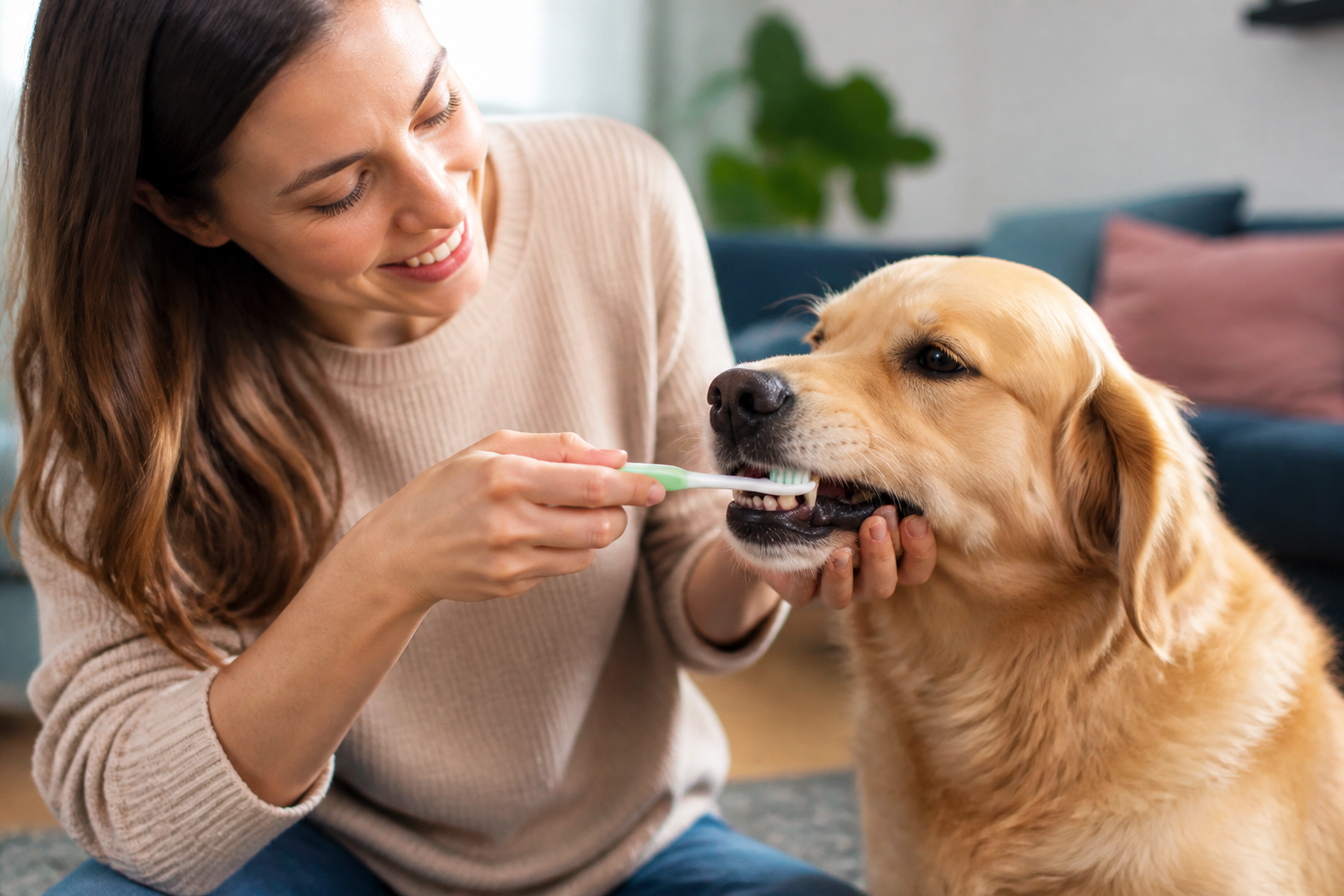
You are relaxing on the couch when your dog leans in for a lick, and the smell is enough to make you recoil. You lift their lip and see a hard, brown crust cemented along the gumline that does not budge when you rub it. This is tartar. Once it sets in, it takes more than a quick brush to fix. At BaxterBoo, we know that dental health is often the most overlooked part of pet care. This post covers how to safely soften tartar at home, the best tools for the job, and how to tell when a professional cleaning is the only safe option. Understanding the difference between plaque and tartar is the first step toward a healthier mouth and a longer life for your dog.
Quick Answer: You can help clean tartar by using enzymatic toothpaste, dental wipes, and specific chews that soften the mineralized buildup. While daily brushing removes plaque, established tartar often requires a professional veterinary cleaning to safely remove it from below the gumline.
Understanding Plaque Versus Tartar
To clean your dog's teeth effectively, you must first understand what you are fighting. Plaque is a colorless, sticky film of bacteria and food particles that forms on the teeth within hours of eating. At this stage, plaque is soft. You can easily remove it with a toothbrush or even a soft cloth.
If plaque stays on the teeth for more than 24 to 48 hours, it begins to mix with the minerals in your dog's saliva. This process causes the plaque to harden, turning it into tartar, which is also known as dental calculus. Tartar is porous and provides a perfect surface for more plaque to latch onto, creating a cycle of buildup.
Tartar is easy to spot. It usually appears as yellow, tan, or brown stains near the gumline. Unlike plaque, you cannot simply brush tartar away with a standard toothbrush. It is physically bonded to the tooth enamel. Because it is so hard, trying to scrape it off with metal tools at home can lead to cracked enamel or deep cuts in the gums.
Key Takeaway: Plaque turns into rock-hard tartar in less than two days. Consistency is more important than intensity when it comes to home dental care.
The Real Health Risks of Tartar Buildup
Tartar is more than just a cosmetic issue or the cause of bad breath. When tartar builds up, it starts to creep under the gumline. This creates a gap between the tooth and the gum where bacteria can thrive. This leads to gingivitis, which you will recognize as a thin red line or swelling along the edge of the gums.
If left untreated, gingivitis progresses to periodontal disease. This is an infection that destroys the bone and tissue holding the teeth in place. It is a leading cause of tooth loss in adult dogs. The pain of periodontal disease can be intense, but dogs are experts at hiding oral discomfort. They may continue to eat even while suffering from a significant infection.
The danger also goes beyond the mouth. The mouth is highly vascular. When gums are inflamed and infected, bacteria can enter the bloodstream every time your dog chews. These bacteria can travel to vital organs. Studies have linked chronic oral infections to heart valve disease, liver issues, and kidney failure.
For additional warning signs, read about common signs of bad teeth in dogs.
Vet Tip: If your dog has red, bleeding gums or seems to drop food while eating, stop home cleaning attempts and see a vet. These are signs of advanced dental disease that require professional medical intervention.
Natural Ways to Soften Tartar at Home
While you cannot "brush" tartar away, you can use certain substances to soften it. This makes it easier for mechanical actions, like chewing, to break the tartar down over time.
Brushing With Coconut Oil
Coconut oil is a popular home remedy for a reason. It contains lauric acid, which has natural antibacterial and antifungal properties. When you brush with coconut oil, it helps reduce the bacterial load in the mouth. The oil also acts as a mild lubricant that may help loosen the edges of tartar buildup over time.
To use it, apply a small amount of organic, unrefined coconut oil to a finger brush. Gently rub it onto the teeth and gums. Most dogs love the taste, which makes it an excellent "starter" paste for dogs who are afraid of the toothbrush.
Using Enzymatic Toothpaste
Enzymatic toothpaste is the gold standard for home care. Unlike human toothpaste, which contains foaming agents like SLS and sweeteners like xylitol that are toxic to dogs, pet-safe toothpaste uses enzymes. These enzymes, such as glucose oxidase, work to break down the proteins that allow plaque and tartar to stick to the teeth.
You do not necessarily have to scrub vigorously for enzymatic toothpaste to work. The mere presence of the enzymes in the mouth helps slow down the mineralization of plaque. We recommend using a poultry or beef-flavored paste to make the experience a treat rather than a chore. Explore our dog dental care collection for toothpaste, brushes, wipes, and other oral-care supplies.
Seaweed Supplements
Certain types of brown seaweed, specifically Ascophyllum nodosum, have been shown to improve oral health in dogs. When ingested, the compounds in the seaweed are absorbed into the blood and then released back into the saliva. This change in saliva composition helps soften existing tartar and prevents new plaque from sticking. This is a "passive" way to clean teeth, which is helpful for dogs that refuse to have their mouths handled.
Mechanical Tools for Tartar Removal
Once you have used enzymes or oils to soften the buildup, you need mechanical action to help knock it off. There are several tools designed for different comfort levels.
Selecting the Right Toothbrush
The type of brush you choose depends on your dog's size and temperament.
- Finger Brushes: These are small rubber caps that fit over your index finger. They are great for puppies or small dogs because they allow for precise control.
- Long-Handled Brushes: These often have dual heads with different sizes. They are necessary for reaching the large molars in the back of a big dog's mouth.
- 360-Degree Brushes: These have bristles all the way around the head, ensuring you hit every surface of the tooth even if the dog is wiggling.
You can also browse our dog grooming supplies for pet toothbrushes and other grooming tools.
Dental Wipes and Pads
If your dog is terrified of a brush, dental wipes are an excellent middle ground. They are pre-moistened with cleaning agents and are textured to provide a bit of scrubbing power. You simply wrap the wipe around your finger and rub the surface of each tooth. This is particularly effective for removing the "slime" layer of plaque before it hardens.
Step-by-Step: Introducing the Brush
Step 1: The taste test / Let your dog lick a small amount of flavored toothpaste off your finger for several days. Do not try to touch their mouth yet.
Step 2: The lip lift / While they lick the paste, gently lift their upper lip to expose the canine teeth. Praise them and give a high-value treat.
Step 3: The finger rub / Put some toothpaste on your finger and gently rub the outer surface of the teeth in a circular motion.
Step 4: The brush introduction / Put the paste on the brush and let them lick it. Then, try two or three gentle strokes on the front teeth.
Step 5: Full mouth cleaning / Gradually increase the number of teeth you brush. Focus on the outside surfaces, as this is where the most tartar accumulates.
The Role of Dental Chews and Treats
Chewing is a dog's natural way of keeping their teeth clean. However, not all chews are created equal. To help remove tartar, a chew must be hard enough to provide resistance but flexible enough that the tooth sinks into it. This allows the chew to "scrub" the tooth all the way down to the gumline.
Look for products that carry the VOHC (Veterinary Oral Health Council) seal. This seal means the product has been scientifically tested and proven to reduce plaque and tartar by a certain percentage. Popular options include Greenies and Oravet Dental Hygiene Chews. Oravet is unique because it contains delmopinol, which creates a barrier that prevents bacteria from attaching to the teeth.
For more ideas, explore our selection of dental chews and treats and read about dental chews for dogs.
Bottom line: Dental chews are a supplement to brushing, not a replacement for it. They work best on the chewing surfaces of the back molars but often miss the front incisors.
Using Raw Bones and Toys
Raw bones can be highly effective at "knocking" tartar off the teeth. The act of gnawing on a hard, porous surface provides intense mechanical cleaning. However, safety is a major concern here.
- Never give cooked bones. Cooking makes bones brittle, leading to splinters that can puncture the digestive tract.
- Choose the right size. The bone should be large enough that the dog cannot swallow it whole.
- Monitor the chewing. If your dog is an "aggressive" chewer, they may crack a tooth on a hard bone.
If you prefer to avoid bones, hard rubber toys with nubs or ridges can also help. Some toys are designed to have toothpaste squeezed into the grooves, so the dog brushes their own teeth while they play.
Prescription Diets and the BaxterBoo Pharmacy
For dogs with a high genetic predisposition to tartar, a standard kibble may not be enough. Some dogs simply have "crowded" mouths or different saliva pH levels that make tartar form faster. In these cases, a prescription dental diet can be a literal lifesaver.
Prescription dental foods, like those from Royal Canin or Farmina Vet Life, have a specific kibble structure. The pieces are much larger than normal and are designed not to shatter when the dog bites down. Instead, the tooth sinks into the kibble, which wipes away plaque. These diets also contain calcium-binding agents that prevent tartar from hardening.
Because these diets are formulated for specific health needs, they require a prescription from your veterinarian. Our pet pharmacy for dogs carries prescription diets and medications. If your vet recommends a professional-grade dental solution, you can easily manage those orders through us to ensure your dog never misses a meal.
When Home Care is Not Enough
There is a limit to what you can do at home. If your dog already has thick, dark brown tartar covering most of their teeth, brushing will not fix the problem. At this stage, the tartar is likely causing inflammation under the gums that you cannot see.
A professional veterinary dental cleaning is the only way to remove sub-gingival tartar. This procedure is done under general anesthesia. This is necessary because it allows the vet to use ultrasonic scalers to remove tartar safely. It also allows them to take dental X-rays to check for bone loss or root abscesses.
Many owners worry about anesthesia, but the risk of untreated dental infection is often much higher than the risk of a monitored medical procedure. Modern veterinary medicine uses advanced monitoring to keep your pet safe throughout the process.
Key Takeaway: Home care is about prevention and maintenance. Professional cleaning is about treatment and restoration. Both are necessary for a healthy pet.
Managing Costs and Regular Care
Maintaining your dog's teeth is an investment that saves you money in the long run. A bottle of toothpaste and a pack of chews costs very little compared to the price of multiple tooth extractions and oral surgery.
To make regular care easier on your budget, we offer several programs at BaxterBoo. Our Autoship program is perfect for dental supplies. You can set your favorite enzymatic toothpaste, dental wipes, and VOHC-approved chews to arrive on a recurring schedule. This ensures you never run out and provides a discount on every order. Plus, you get a free MVP Gold membership, which helps you earn rewards on every purchase.
Common Mistakes to Avoid
- Using Human Toothpaste: As mentioned, the xylitol and foaming agents are dangerous. Always use a pet-specific product.
- Starting Too Fast: If you jam a brush into a dog's mouth without warning, they will learn to fear the process. Take weeks, not days, to introduce the habit.
- Ignoring the Back Teeth: Most owners only brush the front teeth because they are easy to see. However, the heavy tartar buildup usually happens on the large upper premolars in the back.
- Skipping Days: Consistency is everything. If you only brush once a week, the plaque has already turned into tartar, and your brushing will have very little effect.
Vet Tip: Check your dog's mouth once a week. Look for "the three B's": Bad breath, Bleeding gums, and Brown buildup. If you see these, it is time for a vet visit.
Summary of Home Care Strategies
To keep your dog's mouth healthy, use a multi-pronged approach. No single tool will do all the work. Combine chemical cleaning with mechanical action for the best results.
- Daily: Brush with enzymatic toothpaste or use a dental wipe.
- Daily: Give one VOHC-approved dental chew or a dental-friendly toy.
- Weekly: Check for signs of redness or new tartar spots.
- Monthly: Restock your supplies using your rewards to keep costs down.
- Yearly: Have a professional oral exam performed by your veterinarian.
Conclusion
Cleaning tartar from your dog's teeth requires patience and the right tools. While you can significantly reduce buildup with enzymatic pastes, coconut oil, and mechanical chews, remember that established tartar is a physical barrier that often requires professional help. Keeping a consistent routine will not only freshen your dog's breath but also protect their heart, kidneys, and overall quality of life. We are here to support your pet's wellness journey with a curated selection of the best dental brands. For prescription needs or specialized dental diets, our pharmacy is ready to help.
Bottom line: Start your dental routine today with a simple finger brush and tasty paste to prevent painful dental disease tomorrow.
FAQ
Can I scrape tartar off my dog's teeth with a metal tool at home?
You should never use metal dental scrapers on your dog at home. It is very easy to slip and cause deep gouges in the gum tissue or accidentally chip the tooth enamel. Furthermore, scraping the visible tartar does nothing for the bacteria hiding under the gumline, which is where the real damage occurs.
How often should I brush my dog's teeth to prevent tartar?
Veterinary dentists recommend brushing every single day. Plaque can begin to mineralize into tartar in as little as 24 to 48 hours. If daily brushing is not possible, aim for at least three times per week to significantly reduce the rate of buildup and keep the gums healthy.
Do dental water additives actually work for tartar?
Water additives can be a helpful supplement, especially for dogs that do not allow brushing. They contain enzymes or zinc gluconate that help kill oral bacteria and freshen breath. However, they lack the mechanical "scrubbing" action needed to remove existing plaque, so they work best when used alongside chews or brushing.
Is bad breath in dogs always a sign of tartar?
While tartar and gum disease are the most common causes of bad breath, it can sometimes indicate other health issues. Persistently foul breath can be a symptom of kidney disease, liver problems, or digestive upsets. If your dog has bad breath despite having clean teeth, you should consult your veterinarian for a full health check.






