
 Save 15% on your 1st Autoship learn more

 Email us
 Live Chat
 FAQs
FAQs





Introduction
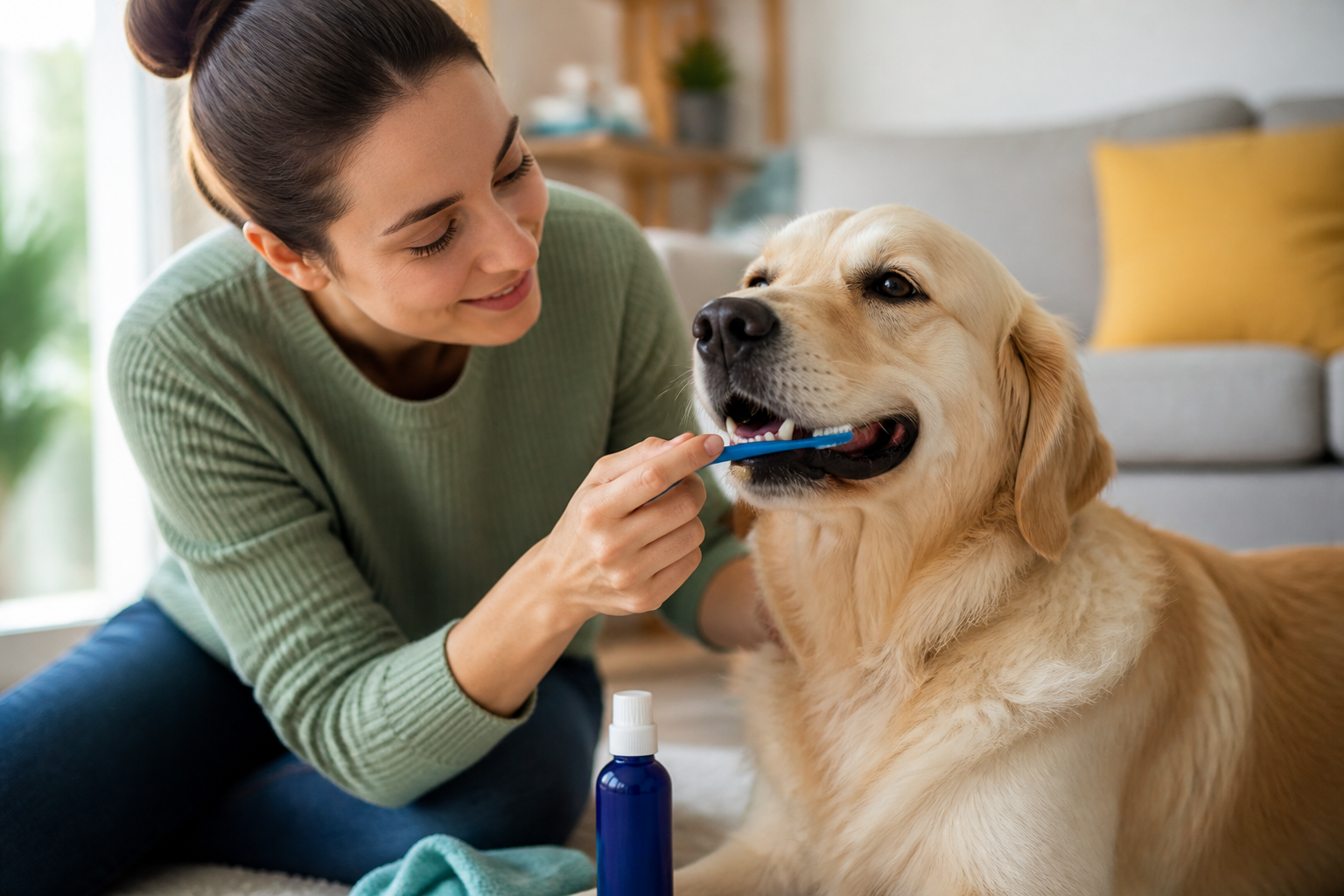
You lean in for a warm greeting from your dog and notice something unpleasant. Their breath is suddenly much stronger than usual. When you lift their lip, you see a thick layer of yellow or brown buildup along the gumline. Many pet owners feel a rush of concern in this moment. You want to fix the problem, but you might worry about the risks or costs associated with traditional dental cleanings that require sedation. At BaxterBoo, we understand that you want effective ways to manage your dog's oral health without unnecessary stress. This guide covers how to clean your dog's teeth without anesthesia by using daily at-home habits and professional maintenance options. Providing consistent care is the most reliable way to protect your pet's overall wellness while keeping their smile bright.
Quick Answer: You can clean your dog's teeth without anesthesia by combining daily brushing with enzymatic toothpaste, dental wipes, and water additives. While these methods remove surface plaque, they do not replace a veterinarian's ability to treat disease below the gumline.
The Reality of Non-Anesthetic Dental Care
When people talk about cleaning teeth without anesthesia, they usually mean one of two things. The first is at-home maintenance that you perform every day. The second is a professional service often called non-anesthetic dentistry. It is important to understand the difference between these two approaches. At-home care is about prevention. It stops plaque from turning into hard tartar. Professional non-anesthetic cleaning is a cosmetic procedure where a technician scrapes visible tartar off the teeth while the dog is awake.
The professional version is often appealing to owners of senior dogs or pets with heart conditions. These pets may face higher risks under general anesthesia. However, these cleanings have limitations. A dog who is awake will not allow a technician to scrape deep under the gums. This is where the most dangerous bacteria live. If your dog has loose teeth or bleeding gums, a non-anesthetic cleaning might actually cause them pain. It is a helpful tool for keeping healthy teeth looking white, but it is not a cure for established dental disease.
Key Takeaway: Anesthesia-free cleanings are excellent for cosmetic upkeep and surface plaque removal. They work best for calm dogs with mild buildup rather than those with advanced gum disease.
Essential Tools for Your At-Home Dental Kit
To keep your dog's teeth clean without a trip to the hospital, you need the right supplies. You cannot use products designed for humans. Human toothpaste often contains xylitol or fluoride. Both of these ingredients are toxic to dogs. Instead, look for enzymatic toothpastes made specifically for pets. These pastes contain enzymes that break down food particles and bacteria even if you do not scrub every single surface perfectly. Our dog dental care collection includes toothpaste, brushes, wipes, and other oral-care options.
The type of brush you choose matters just as much as the paste. For beginners, a finger brush is usually the best choice. This is a small silicone cap that fits over your index finger. It allows you to feel exactly where you are cleaning. For larger dogs or those who are used to the process, a double-headed toothbrush can reach the inner and outer surfaces of the teeth at the same time. We carry several trusted brands like KONG that offer durable dental toys and cleaning tools to help make this process easier for you and your pet.
Choosing Your Supplies
- Enzymatic Toothpaste: Look for flavors like poultry or beef to make the experience a treat.
- Finger Brushes: Best for small mouths and puppies.
- Long-Handled Brushes: Ideal for reaching the back molars in large breeds.
- Dental Wipes: A great alternative for dogs who are afraid of the brush.
A Step-By-Step Guide to Brushing Without Stress
Brushing a dog's teeth is a skill that requires patience. If you rush the process, your dog may become fearful. This makes future cleanings much harder. The goal is to make the session feel like a positive bonding moment rather than a chore. Start by finding a quiet area where your dog feels relaxed.
Step 1: Introduce the flavor. / Put a small dab of dog-safe toothpaste on your finger. Let your dog lick it off. Do this for a few days until they get excited when they see the tube.
Step 2: Touch the mouth. / Gently lift your dog's lip and rub your bare finger along their gums. Give them a high-value treat immediately after. This teaches them that having their mouth handled leads to good things.
Step 3: Introduce the brush. / Put toothpaste on the brush and let your dog lick it. Slowly move the brush against one or two of the front teeth in a circular motion.
Step 4: Focus on the gumline. / Once your dog is comfortable, aim for the area where the tooth meets the gum. This is where plaque collects. You do not need to worry about the inside of the teeth as much because the tongue helps keep those surfaces clean.
Step 5: Increase the time. / Start with ten seconds per side. Gradually work your way up to a full minute of brushing. Always end the session with praise or a dental-safe treat.
Vet Tip: If you notice your dog's gums bleeding significantly during brushing, stop and call your veterinarian. While minor redness can happen, heavy bleeding often indicates gingivitis or periodontal disease that requires professional medical treatment.
Using Dental Wipes and Water Additives
Not every dog will tolerate a toothbrush. If your dog has a strong flight response when the brush comes out, you have other effective options. Dental wipes are pre-moistened pads that you wrap around your finger. They are textured to help scrub away film and bacteria. Many owners find these much easier to use because they feel more natural to the dog than a plastic brush.
Water additives are another excellent tool for anesthesia-free care. These are tasteless liquids that you add to your dog's daily water bowl. They contain ingredients that help kill oral bacteria and freshen breath. While a water additive will not scrub away hard tartar, it is a great "passive" way to maintain hygiene. It works throughout the day every time your dog takes a drink. Using these products together creates a multi-layered defense against dental decay. For an example, consider a dog dental water additive.
The Power of Dental Chews and Enrichment
Dogs naturally clean their teeth by chewing. In the wild, the act of gnawing on bone or cartilage helps scrape away debris. You can replicate this at home with specially designed dental chews. Brands like Greenies or dental-specific treats from Redbarn are shaped with ridges and nubs. As your dog bites down, the chew acts like a squeegee for the tooth surface.
It is important to choose the right size chew for your dog. If the chew is too small, your dog might swallow it whole, which provides no dental benefit and poses a choking risk. If it is too hard, it could fracture a tooth. A good dental chew should be firm but have some "give" when pressed with a thumbnail. In addition to treats, rubber toys with deep grooves can be smeared with enzymatic toothpaste. This encourages your dog to brush their own teeth while they play.
Bottom line: Combining mechanical scrubbing from chews with the chemical action of toothpaste provides the most thorough cleaning possible at home.
For additional ideas, explore this guide to dental chews for dogs.
Diet and Its Impact on Oral Health
What your dog eats plays a significant role in how fast tartar builds up. There is a common belief that all dry kibble cleans teeth. This is not always true. Most standard kibble is small and shatters easily when a dog bites it. To get a real cleaning effect, some dogs benefit from a prescription dental diet. These kibbles are larger and have a specific fiber matrix that does not crumble. The tooth actually sinks into the kibble, which wipes the surface clean.
Our pharmacy at BaxterBoo offers a variety of prescription pet foods through our partnership with Pet's Choice. If your veterinarian recommends a specific dental diet like Royal Canin Dental or Farmina Vet Life, you can easily manage those needs through our service. These diets are formulated to be nutritionally complete while focusing heavily on oral hygiene. They are often a great choice for breeds that are prone to dental issues, such as Chihuahuas, Yorkies, and Greyhounds.
Recognizing When Anesthesia is Necessary
Even with the best at-home routine, there are times when you cannot avoid a professional veterinary cleaning. At-home methods are preventative. They cannot fix a tooth that is already rotting or a gum pocket that is filled with infection. If your dog is losing weight because it is painful to eat, or if you see a bump on the gum that looks like an abscess, you must see a vet. For more warning signs, read about how to recognize hidden dental problems in dogs.
A veterinarian uses anesthesia because it allows them to perform dental X-rays. More than half of a dog's tooth structure is hidden below the gumline. You cannot see bone loss or root infections just by looking at the mouth. Anesthesia also allows the vet to use an ultrasonic scaler. This tool uses high-speed vibrations to shatter tartar without damaging the enamel. While the fear of anesthesia is real, modern protocols are very safe. Your vet will perform blood work first to ensure your dog's organs can handle the procedure.
Key Takeaway: Think of at-home cleaning as your daily tooth brushing and a veterinary cleaning as the deep work needed to save a tooth or stop a systemic infection.
Managing Senior Dogs and High-Risk Pets
If your dog is considered high-risk for anesthesia, your strategy must be aggressive at-home care. For these dogs, every little bit of prevention counts. You might use a combination of daily brushing, twice-daily water additives, and evening dental wipes. Keeping the bacterial load in the mouth low helps prevent those bacteria from entering the bloodstream and affecting the heart or kidneys.
You should also maintain a close relationship with your vet. They can perform regular "awake" exams to monitor the speed of tartar buildup. If your dog's dental health is declining rapidly, your vet might suggest a plan through our pharmacy partnership to manage inflammation or infection. This might include oral rinses or specific medications that help keep the mouth as healthy as possible without the need for surgery.
Long-Term Benefits of Dental Hygiene
Investing time into your dog's teeth does more than just save you money on vet bills. It significantly improves their quality of life. Oral pain is one of the most common "silent" pains in dogs. Many owners report that their senior dogs act like puppies again after their dental issues are resolved. They have more energy and a better appetite when their mouth is not a source of constant discomfort.
Consistency is the secret to success. Brushing once a month does very little. Brushing three to four times a week can change the course of your dog's health. By making dental care a standard part of your routine, you are giving your pet the best chance at a long and happy life. Whether you use a brush, a wipe, or a special diet, the effort you put in today will pay off for years to come. If dental supplies are part of your regular routine, consider our Autoship programme for recurring orders.
Conclusion
Cleaning your dog's teeth without anesthesia is a goal that requires a dedicated daily routine. By using the right enzymatic pastes, textured wipes, and dental chews, you can significantly reduce the need for invasive procedures. Remember that while at-home care is powerful, it works best as a preventative measure. Always keep an eye out for signs of pain or advanced decay that might require a professional's help. Our team at BaxterBoo is here to support you with the best tools and supplies to keep your dog healthy. For everything from daily treats to prescription dental diets through our pharmacy, we have the resources you need to maintain that beautiful pup smile.
Key Takeaway: A proactive dental routine is the best way to avoid the risks of anesthesia while ensuring your dog lives a pain-free life.
FAQ
Can I use baking soda to clean my dog's teeth? It is best to avoid using straight baking soda for your dog. While it is not strictly toxic in tiny amounts, the high alkaline content can upset a dog's stomach if swallowed. Furthermore, dogs generally hate the salty taste, which can make them resist future brushing sessions.
How often do I really need to brush my dog's teeth? Ideally, you should brush your dog's teeth every single day. Plaque can turn into hard tartar in as little as 36 to 48 hours. If daily brushing is not possible, aiming for at least three times a week will still provide a significant benefit over not brushing at all.
My dog's teeth are already brown. Will brushing help? Brushing is most effective at removing soft plaque before it hardens. If the teeth are already covered in hard, brown tartar, brushing will not remove it. However, starting a brushing routine now can prevent the buildup from getting worse and help keep the gums healthier until you can seek professional advice.
Are dental water additives safe for long-term use? Most high-quality water additives are very safe for daily, long-term use. They are designed to be used in every bowl of water your dog drinks. Always check the label for a seal of approval from the Veterinary Oral Health Council to ensure the product is both safe and effective.






