
 Save 15% on your 1st Autoship learn more

 Email us
 Live Chat
 FAQs
FAQs





Introduction
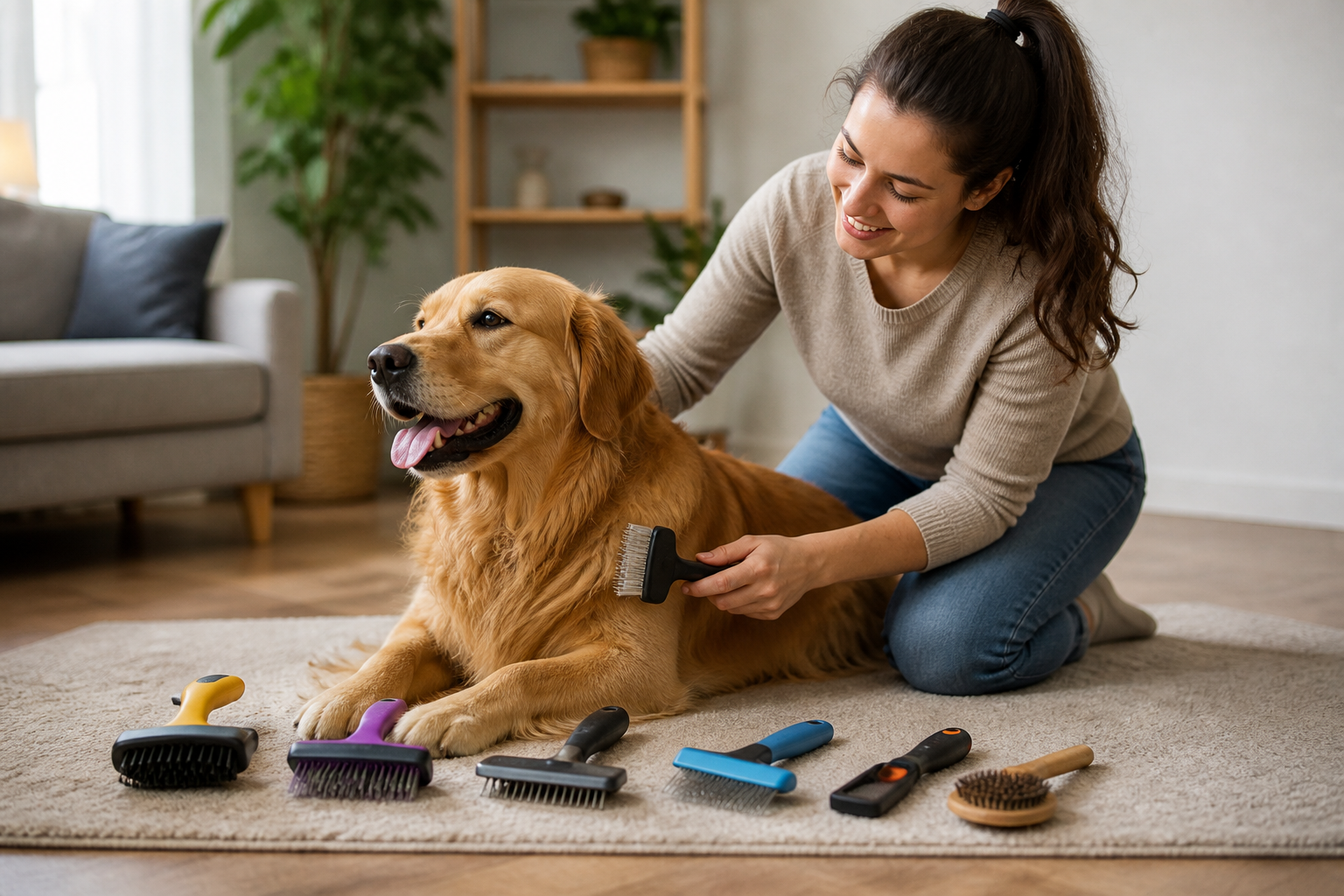
You are likely familiar with the sight of a stray clump of fur drifting across your hardwood floor or the feeling of a hard, stubborn mat behind your dog's ears. Perhaps your dog tenses up when they see the grooming bag come out of the closet. These moments often mean you are using a tool that does not quite match your pet's specific coat needs. At BaxterBoo, we know that the right brush can turn a stressful chore into a bonding experience that keeps your pet comfortable and your home cleaner. This guide will walk you through the various types of brushes and which ones work best for different breeds. Selecting the correct tool is the first step toward maintaining healthy skin and a vibrant coat for your dog.
Understanding Your Dog’s Coat Type
Before you can choose a brush, you must understand exactly what you are brushing. Every dog has a unique coat that serves as their first line of defense against the elements. If you use a tool designed for a short-haired Pug on a thick-coated Alaskan Malamute, you will likely leave behind the dead undercoat that causes mats.
Short and Smooth Coats
Dogs like Boxers, Beagles, and Great Danes have hair that stays close to the skin. These coats do not mat, but they do shed. The goal here is to remove loose hair and skin dander while distributing natural oils.
Medium to Long Coats
Golden Retrievers and Cocker Spaniels fall into this category. These dogs have longer "feathers" on their legs and tails. They are prone to tangles and require tools that can reach through the top layer of hair without pulling the skin.
Curly and Wire Coats
Poodles, Bichon Frises, and many Terrier breeds have hair that grows continuously or has a rough texture. Curly hair traps shed fur within the coat, which quickly leads to painful mats if not brushed daily. Wire coats require specific textures to remove dead hair without damaging the healthy coat.
Double Coats
Breeds like German Shepherds, Huskies, and Labradors have a harsh outer coat and a soft, dense undercoat. This undercoat is what usually ends up on your furniture. You need a tool that can penetrate the top layer to reach the "fuzz" underneath.
Key Takeaway: Matching the brush to the coat type prevents skin irritation and ensures you are actually removing the hair that causes shedding and matting.
The Slicker Brush: The Universal Workhorse
The slicker brush is perhaps the most recognizable tool in the grooming aisle. It features a flat or slightly curved head covered in tiny, fine wire pins. These pins are usually angled slightly to help them grab loose hair and debris.
This brush is the go-to choice for dogs with medium to long hair or curly coats. It is exceptionally good at breaking up small tangles before they become major mats. If you have a Poodle or a Golden Retriever, this will likely be your most-used tool. You can compare options in our dog brushes and combs collection.
When using a slicker brush, you must use a light hand. The wire pins are effective but can cause "brush burn" if you press too hard against the skin. We recommend testing the brush on the back of your own hand first. If it feels scratchy or painful to you, it is too much pressure for your dog.
When to Use a Slicker Brush
- Removing mats from long-haired breeds.
- Getting rid of loose hair in curly coats.
- Fluffing the coat after a bath.
- Daily maintenance for dogs prone to tangling.
Vet Tip: If you encounter a large mat, do not pull it with the slicker brush. Instead, use your fingers to separate the hair as much as possible, then gently pick at the edges of the brush with the corner of the brush.
Bristle and Rubber Brushes for Short Coats
If your dog has short, sleek hair, a wire slicker brush might be too harsh. For these pets, bristle brushes and rubber grooming tools are much better options.
Bristle brushes use clusters of natural or synthetic bristles. They are designed to sit close together to catch fine, loose hairs. They are excellent for breeds like Greyhounds or Pugs. Because the bristles are soft, they also act as a polisher. They spread the natural oils from the skin across the hair shaft, giving your dog a healthy shine.
Rubber brushes, often called curry combs or grooming mitts, are made of flexible rubber with short nubs. These are fantastic for dogs who are nervous about grooming. The rubber nubs provide a massage-like sensation while pulling away dead hair.
The Benefits of Rubber Brushes
- They can be used in the bath to scrub in shampoo.
- They are very gentle on sensitive areas like the belly and legs.
- They stimulate blood flow to the skin.
- They are easy to clean by simply rinsing with water.
For a short-coat option from a familiar grooming brand, browse our selection of BASS Brushes.
Undercoat Rakes for Heavy Shedders
Owners of double-coated breeds often feel like they are losing a battle against the fur in their homes. An undercoat rake is the solution for this specific problem. Unlike a standard brush, a rake has one or two rows of long metal pins.
These pins are designed to go past the long outer guard hairs and reach deep into the thick, downy undercoat. The rake pulls out the dead "fluff" that has already detached from the skin but is trapped by the topcoat.
When you use a rake, you should look for one with pins that match your dog's hair length. If the pins are too short, they will not reach the undercoat. If they are too long, they may scrape the skin. Use long, slow strokes and let the weight of the tool do the work.
For more guidance on managing a thick, shedding coat, read about how regular grooming can help with dog shedding.
Quick Answer: For heavy shedders like Huskies or Labs, an undercoat rake is the best tool. It pulls out the dead undercoat before it can fall off onto your furniture or form mats.
Pin Brushes and Finishing Touches
Pin brushes look very similar to the hairbrushes humans use. They have wire pins with rounded tips, usually set into a flexible rubber base. While they are common, they are actually the least effective at removing large amounts of shed hair.
However, pin brushes have a specific purpose. They are ideal for dogs with long, silky coats like Silky Terriers or Maltese. The rounded tips prevent the hair from breaking, which is important if you want your dog to maintain a long, flowing coat. They are also great for finishing a grooming session to ensure every hair is in place.
Why Use a Pin Brush?
- To detangle fine, silky hair without breakage.
- To provide a gentle brushing for dogs with very thin coats.
- To smooth the coat after using a more intensive tool like a rake.
Specialty Tools and the BaxterBoo Pharmacy
Sometimes a standard brush is not enough to handle specific health or hygiene needs. This is where specialty tools like flea combs and deshedding blades come into play.
A flea comb has teeth that are spaced extremely close together. This tool is designed to trap fleas, their eggs, and "flea dirt" so you can identify an infestation early. If you notice your dog scratching more than usual, a quick pass with a flea comb can give you the answer.
If you find fleas, it is important to act quickly. Our dog flea and tick pharmacy offers a range of flea and tick preventives. You can find both over-the-counter options and prescription-strength medications to protect your pet and your home.
Using a Deshedding Tool
Specific deshedding tools, like those from brands such as Kong or specialized metal blades, can reduce shedding by up to 90 percent. These tools usually have a very fine, comb-like edge that grabs the tiniest loose hairs. These should be used sparingly, usually once a week, to avoid thinning the coat too much.
Vet Tip: If you notice your dog has red, flaky skin or bald patches while brushing, please consult your veterinarian. These can be signs of allergies, parasites, or underlying health conditions that require professional diagnosis and treatment.
Step-by-Step Guide to a Better Grooming Routine
Knowing which brush to use is only half the battle. How you use it determines how much your dog will cooperate. Following a consistent routine makes the process predictable and less frightening for your pet.
Step 1: Inspect the coat. / Run your hands over your dog's entire body to check for mats, lumps, or sore spots.
Step 2: Choose your primary tool. / Select the rake or slicker brush based on the coat types we discussed earlier.
Step 3: Brush in the direction of growth. / Start at the head and move toward the tail. Never brush against the way the hair naturally lays.
Step 4: Tackle the "trouble zones." / Pay extra attention to the armpits, behind the ears, and the base of the tail where mats form most often.
Step 5: Finish with a soft brush. / Use a bristle brush or pin brush to smooth the coat and add shine.
Step 6: Reward your pet. / Give a high-value treat to ensure they associate grooming with a positive experience.
Grooming Checklist
- Check for mats before getting the dog wet.
- Keep a firm but gentle grip on the brush handle.
- Use a detangling spray for long hair to reduce pulling.
- Clean your brushes after every use to prevent the spread of bacteria.
Bottom line: A systematic approach to brushing saves time and prevents you from missing hidden tangles that can lead to skin infections.
Monitoring Skin and Coat Health
Brushing is the perfect time to perform a "home health check." Because you are moving through the hair and seeing the skin up close, you may notice things that are otherwise hidden.
Healthy skin should be pink or black, depending on the breed, and should be free of flakes and redness. The coat should feel soft and look vibrant, not brittle or greasy. If you find that your dog's coat is suddenly dull or they are shedding excessively out of season, it might be time to look at their nutrition.
We carry premium brands like Farmina, Royal Canin, and The Honest Kitchen that provide the essential fatty acids needed for skin health. You can even set these up on our Autoship programme to ensure you never run out of the food that keeps your dog's coat looking its best. Our Autoship program even includes a free MVP Gold membership for additional savings.
Red Flags to Watch For
- Dark brown or black specks (flea dirt).
- Hot spots or areas of intense redness.
- Strong odors coming from the skin.
- Ticks or unusual bumps.
Grooming for Different Life Stages
Your choice of brush might change as your dog ages. Puppies have very soft, fluffy coats that do not shed much. For them, the goal is simply to get them used to the sensation of being handled. Use a very soft bristle brush or a rubber mitt during this stage.
As your dog reaches their senior years, their skin may become thinner and more sensitive. They may also develop fatty lipomas or arthritis that makes certain positions uncomfortable. You might need to switch from a firm slicker brush to a softer pin brush or a rubber grooming glove to keep them comfortable during their golden years.
Key Takeaway: Adapt your grooming tools as your dog’s coat texture and skin sensitivity change over their lifetime.
Conclusion
Choosing the right brush for your dog is an investment in their comfort and your home's cleanliness. Whether you need a slicker brush for a Poodle, a rake for a Husky, or a rubber mitt for a Boxer, using the correct tool makes all the difference. Regular grooming allows you to monitor your pet's health and maintain a strong bond through physical touch. We invite you to explore our full selection of dog grooming supplies to find the perfect match for your pet. If you are managing a skin condition or need flea protection, remember that our pharmacy is here to provide the medical support your dog needs.
Bottom line: Proper grooming starts with the right tool and ends with a happy, healthy dog.
FAQ
How often should I brush my dog?
Most dogs benefit from being brushed at least two to three times a week. However, long-haired breeds or those prone to heavy shedding may require daily brushing to prevent mats and keep hair off your furniture. Short-haired breeds can often go a week between sessions, but frequent brushing still helps keep their skin healthy.
Can I use a human hairbrush on my dog?
It is generally not recommended to use human brushes on pets. Dog brushes are specifically designed to penetrate various types of fur and handle the density of a canine coat without causing breakage. Human brushes often lack the necessary pin strength or bristle density to effectively remove a dog's dead undercoat.
My dog hates being brushed. What should I do?
Start with very short sessions, lasting only a minute or two, and use a very soft tool like a rubber grooming mitt. Pair the experience with high-value treats and praise to create a positive association. Gradually increase the time and introduce the correct brush for their coat type once they are comfortable being handled.
What is the difference between a rake and a slicker brush?
A slicker brush has many fine, closely spaced wire pins designed to remove surface tangles and loose hair from the topcoat and medium layers. A rake has longer, thicker pins designed specifically to reach through the topcoat and pull out the dense, shed undercoat of double-coated breeds. Use a rake for heavy shedding and a slicker for general detangling.






