
 Save 15% on your 1st Autoship learn more

 Email us
 Live Chat
 FAQs
FAQs





Introduction
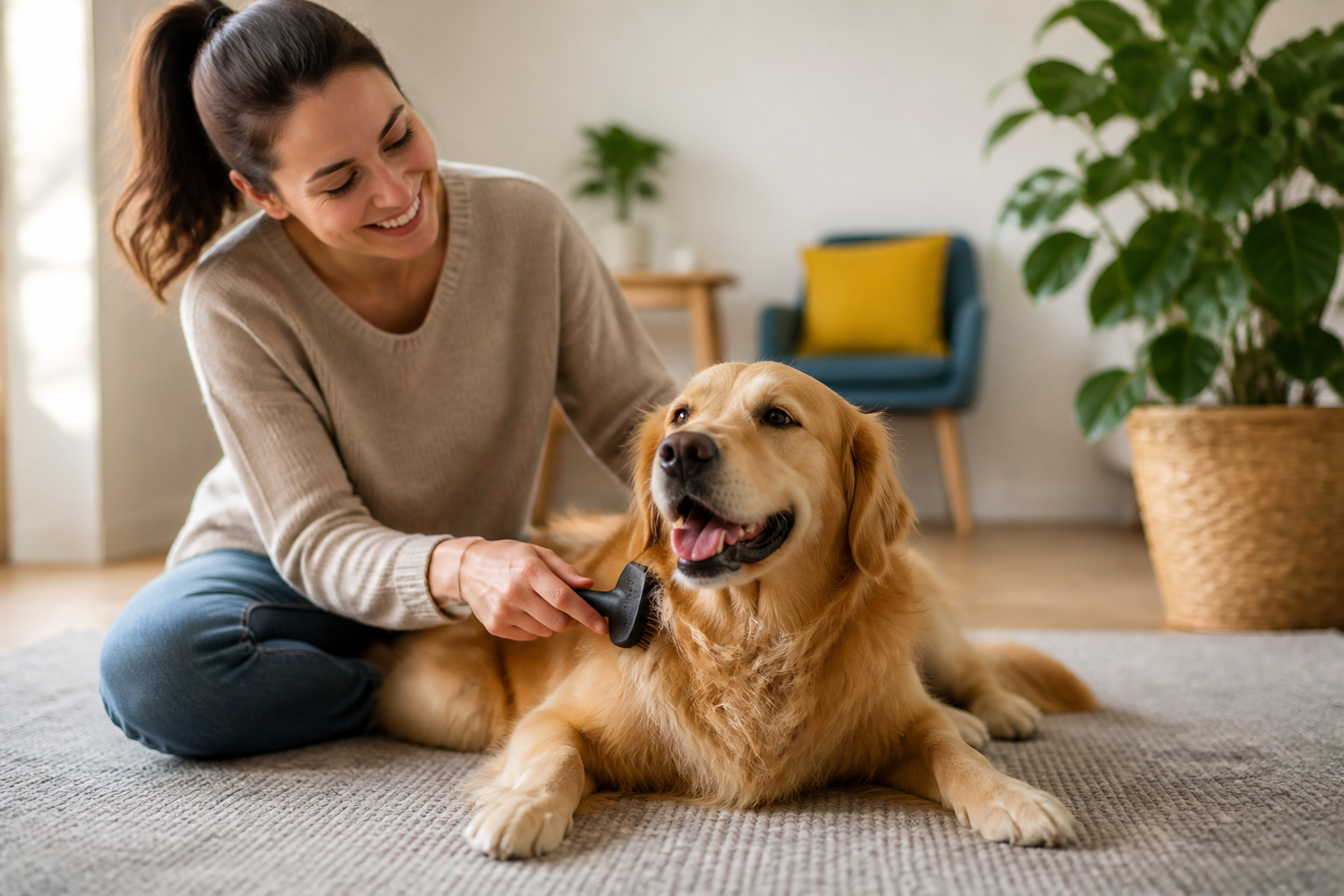
You pull the brush out of the drawer and your dog immediately vanishes under the dining room table. Maybe they start the "alligator roll" the moment the bristles touch their fur. Perhaps they simply hide their face in the sofa cushions. We have all been there. Grooming is a necessary part of dog ownership, but it often feels like a battle of wills. At BaxterBoo, we know that a stressful grooming session is hard on both you and your pet. This post covers how to identify why your dog resists the brush and how to use positive reinforcement to change their mind. You will learn about the right tools, distraction techniques, and when to seek professional help. Our goal is to help you turn a chore into a calm bonding experience.
Quick Answer: Use high-value treats and short sessions to build a positive association with the brush. Start by letting your dog sniff the tool and reward them for staying calm. Gradually increase the number of strokes as their comfort grows over several days.
Why Some Dogs Resist Brushing
Understanding why your dog runs away is the first step toward a solution. Dogs often have very logical reasons for their behavior. They might be remembering a time when a brush pulled on a painful mat. If a previous grooming session was rushed or aggressive, they may associate the brush with discomfort. Puppies often resist because they simply have too much energy to sit still. To them, the brush looks like a toy to be chewed rather than a tool for hygiene.
Sensitive skin is another common factor. Some breeds have thinner skin that is easily irritated by stiff bristles. If you are using a brush that is too sharp for their coat type, every stroke might feel like a scratch. Anxiety also plays a major role. A dog that is generally nervous may view the brush as a strange, threatening object. They do not understand that you are trying to help them. Instead, they see a human coming at them with a foreign tool.
Key Takeaway: Resistance is usually based on fear, pain, or a lack of patience. Identifying the root cause helps you choose the right training method.
Creating a Calm Grooming Environment
The setting of your grooming session matters just as much as the brush itself. If you try to brush your dog in a high-traffic area with kids running around, they will be distracted. Choose a quiet corner of the house where your dog already feels safe. Placing a soft towel or a non-slip mat on the floor can help them feel more secure. If your dog is small, you might use a stable table or counter. Be sure to sit on the floor with larger dogs so you are not looming over them.
Keep all your supplies within arm's reach before you start. You do not want to stop mid-session to hunt for treats or a comb. This keeps the momentum going and prevents your dog from thinking the session is over before it is. Try to schedule these sessions after a long walk or a vigorous play session. A tired dog is much more likely to settle down and tolerate being handled.
Choosing the Right Tools for the Job
Using the wrong brush can make grooming painful. A slicker brush is excellent for removing loose fur from thick coats, but it can be too abrasive for short-haired dogs. Pin brushes are better for general grooming on many coat types. For dogs with very sensitive skin, a grooming glove is often the best starting point. These gloves fit over your hand and allow you to brush the dog while you pet them. This feels much more natural to a fearful pet.
We carry a wide variety of grooming supplies at BaxterBoo that cater to different coat needs. Explore our dog grooming collection for brushes, combs, conditioners, and other grooming essentials. If your dog has a long, flowing coat, a high-quality metal comb is essential for finding hidden mats. For dogs that shed heavily, a de-shedding tool can save your furniture and your sanity. Always check the tips of your brushes. If the protective nubs have worn off a pin brush, it is time to replace it. Scratched skin will only make your dog hate the process more.
Key Takeaway: Match the tool to your dog's coat type and sensitivity level. A grooming glove is the gentlest way to introduce a dog to the sensation of brushing.
The Step-by-Step Introduction Process
You cannot expect a fearful dog to enjoy a full-body grooming session on day one. You must break the process down into tiny, manageable steps. This builds trust and ensures your dog never feels overwhelmed.
Step 1: Introduce the brush.
Place the brush on the floor and let your dog sniff it. Every time they investigate the brush, give them a high-value treat. Do this for several minutes until they are bored with the object.
Step 2: Touch without brushing.
Hold the brush in your hand and gently touch your dog’s shoulder with the back of the brush. Do not use the bristles yet. Give a treat immediately after the touch. Repeat this until they stay relaxed when they see the brush moving toward them.
Step 3: The first stroke.
Turn the brush over and do one very gentle stroke on their shoulder or back. These are usually the least sensitive areas. Follow the stroke with a treat and lots of praise.
Step 4: Gradually increase the duration.
If your dog stays calm, do two strokes. Then three. If they show signs of tension, stop and go back to a simpler step. Your goal is to end every session on a positive note before the dog gets upset.
Step 5: Move to sensitive areas.
Once they are comfortable with their back being brushed, slowly move toward the legs, belly, and tail. These areas are often more sensitive, so move slowly and use extra treats.
Bottom line: Patience is your most important tool during the introduction phase.
Using Distraction Techniques
Sometimes a little distraction goes a long way. If your dog is too focused on the brush, give them something better to think about. Lick mats are a fantastic tool for this. You can spread peanut butter or plain yogurt on the mat and stick it to the floor or a wall. While your dog is busy licking, they will be less likely to notice the brushing. This creates a powerful positive association between grooming and a favorite snack.
Puzzle toys or long-lasting chews can also work. A Kong filled with frozen treats provides a steady distraction that keeps a dog occupied for ten to fifteen minutes. This is often long enough to get through a basic grooming session. Talk to your dog in a calm, soothing voice while you work. Your tone helps regulate their emotional state. If you stay relaxed, they are more likely to follow your lead.
Pre-Grooming Checklist
- A high-value distraction toy (lick mat or stuffed toy).
- Small, soft treats that can be eaten quickly.
- The correct brush for your dog’s coat.
- A quiet, low-distraction environment.
- A spray-on conditioner or detangler to reduce pulling.
Managing Mats and Tangles
Mats are a major reason why dogs learn to hate the brush. When a brush catches on a knot, it pulls the skin and causes sharp pain. If your dog is already matted, you must be extremely careful. Never try to pull a mat out with a brush. Instead, use your fingers to gently tease the hair apart. A detangling spray can help the hair slide more easily.
For additional guidance, read these tips for handling dog mats and tangles. If a mat is too tight to pull apart, you may need to use a specialized mat-splitting tool or electric clippers. Be very careful with scissors. Dog skin is incredibly thin and moves easily. It is very easy to accidentally cut your pet while trying to trim a mat. If the matting is close to the skin, it is often safer to let a professional groomer handle it. Once the mats are gone, regular brushing will prevent them from returning.
Vet Tip: If your dog has severe matting down to the skin, consult your veterinarian or a professional groomer. Tight mats can cause skin infections and restrict blood flow, which may require medical attention.
Recognizing Stress Signals
To keep the experience positive, you must learn to read your dog’s body language. Dogs often give subtle signs that they are getting stressed before they try to run or nip. Watching for these signals allows you to stop the session before it becomes a negative memory.
Common signs of stress include:
- Lip licking when no food is present.
- Yawning excessively.
- Turning the head away from you or the brush.
- Showing the whites of their eyes (whale eye).
- Tucking the tail tightly against the body.
- Low growling or baring teeth.
For more context on interpreting vocal and physical cues, see this guide to understanding dog noises. If you see these signs, take a break. Forcing a dog through a session when they are clearly stressed will only make the next session harder. You want your dog to feel like they have a choice. If they know they can walk away, they will often feel more comfortable staying.
Health Concerns and Professional Help
Sometimes, resistance to brushing is a sign of an underlying health issue. A senior dog may have arthritis that makes certain positions painful. If your dog suddenly starts snapping when you brush their hips or back, they might be in physical pain. It is important to rule out medical issues before assuming it is a behavioral problem.
In some cases, a dog’s anxiety is too high for simple training to work. If your dog becomes aggressive or extremely panicked, talk to your veterinarian. Our dog pharmacy offers FDA-approved medications and calming aids through our partnership with Pet's Choice. These products can help take the edge off a dog's anxiety so that training can be more effective. A veterinarian can help determine if a prescription calming aid is appropriate for your dog’s grooming needs.
Key Takeaway: If your dog’s behavior changes suddenly or they show signs of extreme distress, a vet visit is the best next step to rule out pain or severe anxiety.
Consistency and Frequency
The more often you brush your dog, the easier it becomes. When you brush daily, you only have to deal with a small amount of loose fur. This prevents mats from forming in the first place. It also turns grooming into a predictable part of the daily routine. Most dogs thrive on routine and feel more comfortable when they know what to expect.
Even a thirty-second session every day is better than a thirty-minute session once a month. Short, frequent sessions keep the stakes low. You are not trying to get the whole dog done at once. You are just doing a quick maintenance check. Over time, your dog will realize that brushing is just a normal, quick part of their day that ends with a treat.
For dogs with longer or curlier coats, this curly-coat grooming guide offers additional brushing and detangling ideas.
Conclusion
Getting your dog to enjoy brushing is a journey that requires patience and empathy. By choosing the right tools and moving at your dog's pace, you can remove the fear from the process. Remember to use high-value distractions and always watch for signs of stress. If your dog struggles with deep-seated anxiety or physical pain, do not hesitate to consult your veterinarian about options from our pharmacy. Consistency is the key to long-term success.
- Start with very short sessions.
- Use high-value treats to create positive associations.
- Invest in the right brushes for your dog's specific coat.
- Watch for body language cues to prevent overstimulation.
To find the perfect tools for your next session, browse our dog brushes and combs. You can even set up an Autoship order for your favorite grooming wipes and treats so you never run out during training.
FAQ
What should I do if my dog tries to bite the brush?
If your dog nips at the brush, it usually means they are afraid or overstimulated. Stop the session immediately and give them space. You may need to go back to the very beginning of the training process, rewarding them just for looking at the brush without reacting. If the biting behavior continues, consider working with a professional trainer to ensure everyone stays safe.
How often do I really need to brush my dog?
The frequency depends on your dog’s coat type, but most dogs benefit from being brushed at least two to three times a week. Long-haired or double-coated breeds often need daily attention to prevent mats. Regular brushing also helps you spot skin issues, ticks, or lumps early. It is better to do very short sessions frequently than one long session occasionally.
Can I use human hairbrushes on my dog?
It is generally not recommended to use human brushes on pets. Human brushes are designed for human hair and scalps, which are different from a dog’s fur and skin. Dog brushes, like slickers or undercoat rakes, are specifically engineered to reach through thick fur to the skin without causing irritation. Using the wrong tool can lead to skin scratches or ineffective grooming.
What if my dog is already covered in mats?
If your dog has significant matting, do not try to brush them out all at once, as this is very painful. Use a detangling spray and try to work the mats apart with your fingers first. If the mats are tight against the skin, it is safest to take your dog to a professional groomer. Once the mats are removed, start a daily brushing routine to keep the coat healthy and prevent future knots.






