
 Save 15% on your 1st Autoship learn more

 Email us
 Live Chat
 FAQs
FAQs





Introduction
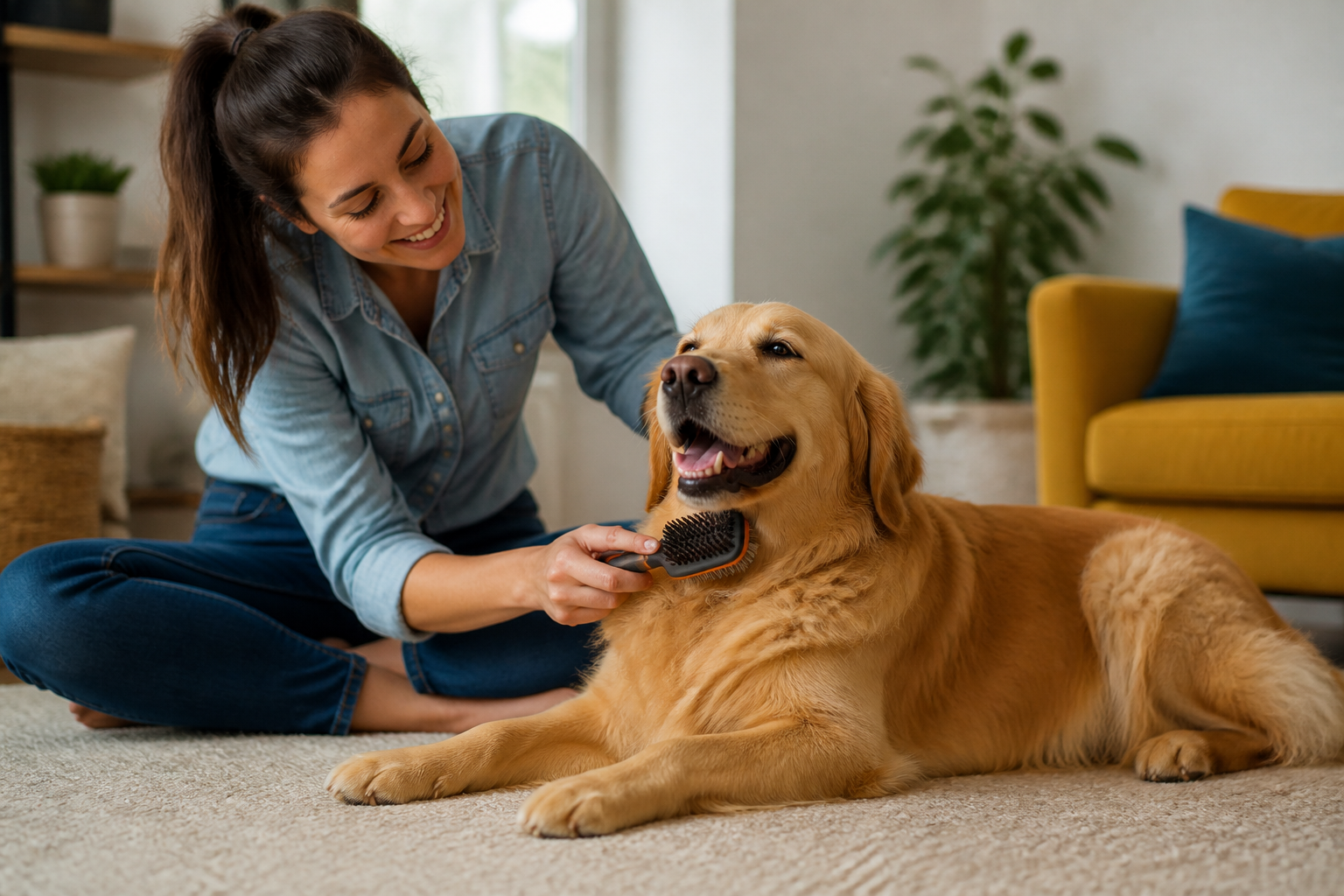
You reach for the grooming kit and your dog suddenly remembers they have a very important appointment in the other room. Perhaps they hide under the dining table or let out a low groan as soon as the bristles touch their coat. This common struggle can make a simple hygiene task feel like a battle of wills. At BaxterBoo, we know that grooming is about more than just looking good. It is a vital part of keeping your dog healthy and comfortable. We want to help you turn those stressful minutes into a time of calm bonding. This guide covers how to understand your dog’s fear, choose the right tools, and use positive reinforcement to change their perspective. By the end, you will have a clear plan to help your dog actually enjoy their grooming sessions.
Why Some Dogs Resist the Brush
Before you can change how your dog feels about grooming, you have to understand where their hesitation comes from. Dogs are excellent at remembering sensations. If they had a past experience where a brush pulled on a painful mat or scratched their sensitive skin, they will naturally want to avoid repeating that discomfort. Some dogs are simply sensitive to being touched in specific areas, such as the paws, tail, or belly.
For other dogs, the issue is not pain but a lack of control. Being held still while a strange object moves over their body can be intimidating. If you only bring the brush out when the dog is already matted or dirty, they may associate the tool with a long, frustrating session. Understanding the "why" behind their behavior allows you to approach the problem with the patience and empathy required for a successful transition.
Quick Answer: Dogs usually dislike brushing because of past pain from mats, sensitivity to touch, or simple fear of the grooming tools. To change this, you must use very short sessions, high-value rewards, and a gradual introduction to the brush.
Choosing the Right Grooming Tools
The wrong tool can make grooming a chore for both of you. If you use a stiff slicker brush on a dog with thin hair and sensitive skin, it can feel like being scratched. Conversely, a soft bristle brush might not do anything for a thick-coated breed, leading to more pulling and tugging. You can explore our dog grooming supplies to compare brushes, combs, clippers, and other grooming essentials.
Consider the following options based on your dog's specific coat type:
- Slicker Brushes: These have fine, short wires close together. They are great for removing mats and tangles in medium to long-haired dogs but must be used with a light touch.
- Pin Brushes: These look similar to human hairbrushes and are ideal for dogs with long, silky coats.
- Bristle Brushes: These are best for short-haired dogs or as a finishing tool to add shine to the coat.
- Grooming Gloves: These are excellent for dogs that are terrified of traditional brushes. Since it feels like you are just petting them, it is a great starting point for fearful pets.
- De-shedding Tools: Brands like Kong make rubber brushes that massage the skin while pulling away loose fur, which many dogs find more relaxing than metal teeth.
Key Takeaway: Matching the brush to your dog's coat type and sensitivity level is the first step in making the process comfortable. A tool that feels good on their skin will drastically reduce their urge to run away.
Creating a Calm Grooming Environment
Where you brush your dog matters as much as how you brush them. If you try to groom your dog in a high-traffic area of the house where they feel exposed, their anxiety might spike. Instead, choose a quiet corner where they feel secure.
For smaller dogs, a counter or table with a non-slip mat can work well. This gets them at your level so you aren't looming over them, which can be scary. For larger dogs, a soft rug or their favorite bed can provide a sense of security. Try to schedule grooming after a long walk or a vigorous play session. A tired dog is much more likely to settle down and tolerate being handled than one with a lot of pent-up energy.
The Power of Desensitization
Desensitization is the process of slowly getting your dog used to the brush without actually using it yet. This is where most owners go wrong by trying to do too much too fast. If your dog runs when they see the brush, start by simply leaving the brush on the floor near their food bowl. Let them sniff it and give them a treat for showing curiosity.
Once they are comfortable being near the tool, move to the next stage. Pick up the brush and immediately give them a high-value treat, then put the brush away. You want them to think that the appearance of the brush predicts something amazing is about to happen. Gradually move the brush closer to their body, rewarding them at every step. If they pull away, you have moved too fast. Go back to the last step where they were comfortable and stay there for a few more days.
Step 1: Place the brush on the floor. Allow your dog to sniff it. Reward them with a treat every time they interact with it calmly.
Step 2: Hold the brush in your hand. Give your dog a treat just for looking at it while you hold it.
Step 3: Touch the back of the brush (the non-bristle side) to your dog's shoulder. Reward immediately.
Step 4: Use the bristles for one single, very light stroke. Follow up with their favorite snack.
For additional coat-care guidance, read how to groom a dog with curly hair.
The Brush, Treat, Brush Method
This technique focuses on constant positive reinforcement. You want your dog to be so focused on the treats that they barely notice the brushing. Use something your dog absolutely loves, such as small pieces of plain cooked chicken or specialized training treats from our selection of Stella & Chewy's products or Zuke's.
Start by giving a treat, then doing one or two gentle strokes with the brush. Give another treat immediately. Repeat this process for only a minute or two. The goal is to end the session while the dog is still happy and engaged. If you wait until they get grumpy or try to leave, you have ended on a negative note. Ending on a high note ensures they will be more willing to participate the next time.
Vet Tip: If your dog becomes aggressive, growls, or tries to bite during grooming, stop immediately. These can be signs of deep-seated fear or hidden physical pain. Consult with a professional trainer or your veterinarian to rule out medical issues and develop a safety plan.
Using Distractions Effectively
Sometimes the best way to get a job done is to make sure your dog is looking the other way. Lick mats are a fantastic tool for this. You can smear a bit of dog-safe peanut butter or plain yogurt on the mat and stick it to a wall or the floor. While your dog is busy working to get every last bit of the treat, you can gently brush their coat.
Puzzle toys, such as a Kong filled with frozen treats, also work well for longer grooming sessions. This keeps their brain occupied and their mouth busy. This is particularly helpful for dogs that like to mouth the brush or your hands while you are working. By providing an appropriate outlet for their mouth, you can focus on the grooming without the constant nipping.
Addressing Mats and Tangles
Nothing ruins a grooming session faster than hitting a painful mat. When a brush catches on a knot, it pulls directly on the skin, which can cause an instant negative reaction. If your dog has significant matting, do not try to brush it all out in one sitting.
Focus on one small area at a time. Use your fingers to gently pull the mat apart as much as possible before using a tool. A detangling spray can also help the brush slide through the hair more easily. If a mat is too tight and close to the skin, it is often kinder to use safety clippers to remove it rather than pulling on it. Once the mats are gone, regular brushing will prevent them from returning, making future sessions much more pleasant.
For more guidance on handling knots safely, see these tips for bathing and brushing your dog.
Health Considerations and Senior Pets
As dogs age, they may develop conditions that make grooming physically uncomfortable. Arthritis can make it painful for a dog to stand for long periods or have their limbs lifted and moved. Skin becomes thinner and more sensitive in senior pets, making traditional brushes feel harsher.
If your senior dog has suddenly started hating the brush, it might be time to look at their overall comfort. Our dog healthcare category includes options for joint and mobility support. A dog that feels physically better will be much more patient during their grooming routine.
Key Takeaway: Sudden changes in grooming behavior often point to underlying health issues. Supporting your dog's mobility and comfort through proper veterinary care can make a world of difference in their tolerance for being handled.
Handling Sensitive Areas
Most dogs have "no-go" zones where they are particularly sensitive. This usually includes the paws, the tail, the ears, and the face. When working on these areas, you must be even more patient. Start by just touching these areas with your hand and rewarding. Once they accept your touch, introduce the brush very slowly.
For the face, consider using a damp washcloth or a very soft toothbrush instead of a large grooming brush. This feels less invasive. For the paws, make sure you aren't squeezing too hard, which can be uncomfortable for dogs with joint issues or long nails. If your dog absolutely refuses to let you touch a specific area, it is okay to leave it for another day or seek help from a professional groomer who has experience with fearful pets.
The Role of Professional Groomers
There is no shame in admitting that your dog's grooming needs are more than you can handle at home. Professional groomers have specialized equipment and experience in handling different temperaments. If your dog is severely matted or has extreme anxiety, a professional can often get the job done safely and quickly.
You can still work on desensitization at home between professional visits. Tell your groomer about your dog's fears so they can take extra care. Many groomers offer "happy visits" where your dog can come in, get a treat, and leave without any actual grooming taking place. This helps build a positive association with the grooming salon.
Maintaining Consistency with Autoship
The secret to a dog that likes being brushed is frequency. When you brush your dog every day or every other day, the sessions are short because there are no mats to deal with. This keeps the experience light and easy. To ensure you never run out of the treats or detangling sprays that make this possible, you might consider our Autoship program.
By setting up recurring deliveries for your favorite grooming supplies and treats, you save money on your orders and ensure you always have what you need on hand. This consistency helps you stick to the routine, which is exactly what your dog needs to feel secure. Regular sessions also give you a chance to check for lumps, bumps, or skin irritations that might need a vet's attention.
Conclusion
Getting your dog to enjoy being brushed is a journey that requires patience, the right tools, and plenty of rewards. By starting slowly and focusing on positive associations, you can transform a stressful chore into a relaxing bonding activity. Remember to keep sessions short and always end on a positive note. If your dog's resistance seems linked to pain or extreme anxiety, don't hesitate to consult your veterinarian about potential health solutions. We carry a wide range of grooming tools and calming aids at our Vernon Hills warehouse and online to support you and your pet.
Bottom line: Patience and high-value rewards are the keys to changing your dog's mind about the brush.
Step 1: Evaluate your current tools and ensure they match your dog's coat type and sensitivity.
Step 2: Begin a daily desensitization routine, starting with just having the brush present during mealtime.
Step 3: Use high-value treats and distractions like lick mats to build a positive association with the act of brushing.
Step 4: Gradually increase the duration of grooming as your dog becomes more comfortable.
For more support on your dog's health journey, check out our pet pharmacy for joint and anxiety support.
FAQ
How long will it take for my dog to like being brushed?
Every dog is different, but most will show improvement within two to four weeks of consistent, positive sessions. The key is to never force the process, as one bad experience can set your progress back significantly. Stick to short, daily sessions rather than one long weekly session to build a habit.
What if my dog tries to bite the brush while I am using it?
Biting the brush is often a sign of playfulness in puppies or defensiveness in older dogs. If your dog is being playful, redirect them with a toy or a lick mat to keep their mouth busy. If the biting seems aggressive or fearful, stop the session immediately and consult a professional trainer to ensure everyone stays safe.
Is it okay to use human hair products on my dog to help with mats?
You should avoid using human shampoos or detanglers because dogs have a different skin pH than humans. Human products can cause irritation, dryness, and itching, which will only make your dog hate grooming more. Always use products specifically formulated for dogs, as these are designed to be safe if the dog licks their fur.
My dog has very short hair, do I still need to brush them?
Yes, even short-haired dogs benefit from regular brushing. It helps distribute natural skin oils, removes dead hair before it ends up on your furniture, and stimulates blood flow to the skin. For short-haired breeds, a soft bristle brush or a rubber grooming mitt is usually the most comfortable and effective choice.






