
 Save 15% on your 1st Autoship learn more

 Email us
 Live Chat
 FAQs





Introduction
You are relaxing on the sofa with your cat when you notice small white specks scattered across their glossy fur. At first, you might think it is just a bit of dust. When you look closer, you realize these are flakes of skin. Seeing these flakes can be frustrating. You want your cat to feel comfortable and look their best.
At BaxterBoo, we know that a flaky coat is often the first sign that something in your cat's environment or health needs a little extra attention. This guide covers the common causes of feline skin flakes and provides practical steps to clear them up. We will look at grooming habits, dietary changes, and when it is time to seek professional medical help. By the end of this article, you will have a clear plan to help your cat regain a smooth and flake-free coat.
Quick Answer: To get rid of cat dandruff, start by increasing the frequency of gentle brushing to remove dead skin and distribute natural oils. Ensure your cat stays hydrated with wet food and consider adding an Omega-3 fatty acid supplement to their diet. If flakes persist or the skin looks red and irritated, consult your veterinarian to rule out underlying health issues.
Understanding the Difference Between Dandruff and Dander
Many pet owners use the terms dandruff and dander interchangeably. They are actually two different things. It is helpful to know which one you are dealing with so you can take the right steps.
Dander is a normal and healthy part of having a cat. It consists of microscopic skin cells that all cats shed naturally. You generally cannot see dander with the naked eye. It is the protein found in this dander and cat saliva that often triggers allergies in humans. Because dander is a standard biological process, you cannot really get rid of it entirely.
Dandruff is different because it is visible. These are larger flakes of dead skin that have clumped together. While dander is healthy, dandruff is usually a sign that the skin is too dry, too oily, or that the cat is not grooming effectively. All cats have dander, but not all cats should have dandruff.
Identifying Flea Dirt and Parasites
Before you assume the flakes are just dry skin, look closely at the color and shape. White flakes are typically dandruff. If you see tiny black or dark brown specks that look like cracked pepper, you might be looking at flea dirt. Flea dirt is actually flea waste. You can test this by placing the specks on a wet white paper towel. If they turn reddish-brown, it is flea dirt.
There is also a specific parasite known as Cheyletiella mites. These are often called walking dandruff. They look like large white flakes, but if you watch closely, the flakes appear to move. This is a medical condition that requires specific treatment from a veterinarian.
Key Takeaway: Normal dander is invisible to the human eye, while dandruff appears as visible white flakes. Always check for movement or dark specks to rule out parasites like mites or fleas before starting home treatments.
Cat Skin & Coat Care









Common Causes of Feline Skin Flakes
To get rid of the flakes, you must understand why they are appearing. Several factors can cause a cat's skin to become dry or irritated. Some are simple environmental fixes, while others involve the cat's internal health.
Environmental Factors and Low Humidity
The air inside your home plays a large role in skin health. During the winter, heaters run constantly and pull moisture out of the air. This dry environment can sap the moisture from your cat's skin. This is a very common cause of seasonal dandruff. If you notice your own skin feeling tighter or itchier during the colder months, your cat is likely feeling the same way.
Inability to Groom Properly
Cats are famous for their grooming habits. They usually spend hours every day cleaning their fur and removing dead skin cells. If a cat stops grooming, those skin cells build up and turn into dandruff. This often happens in specific areas like the lower back or the base of the tail.
Obesity is a major reason cats stop grooming. If a cat is overweight, they simply cannot reach certain parts of their body. Arthritis is another factor. Senior cats may find it painful to twist and reach their back or hindquarters. If you see flakes primarily in hard-to-reach spots, your cat likely needs help with their daily hygiene.
Dietary Deficiencies and Hydration
Skin health starts from the inside. If a cat’s diet is low in essential fatty acids, their skin barrier can weaken. This leads to moisture loss and flaking. Additionally, many cats live in a state of mild dehydration. Cats have a low thirst drive and traditionally get most of their water from their prey. A diet consisting only of dry kibble can leave them lacking the hydration necessary for supple skin.
Practical Steps to Remove Dandruff at Home
Once you have ruled out major medical issues, you can begin a routine to clear up the flakes. Consistency is the most important part of this process.
Establish a Gentle Brushing Routine
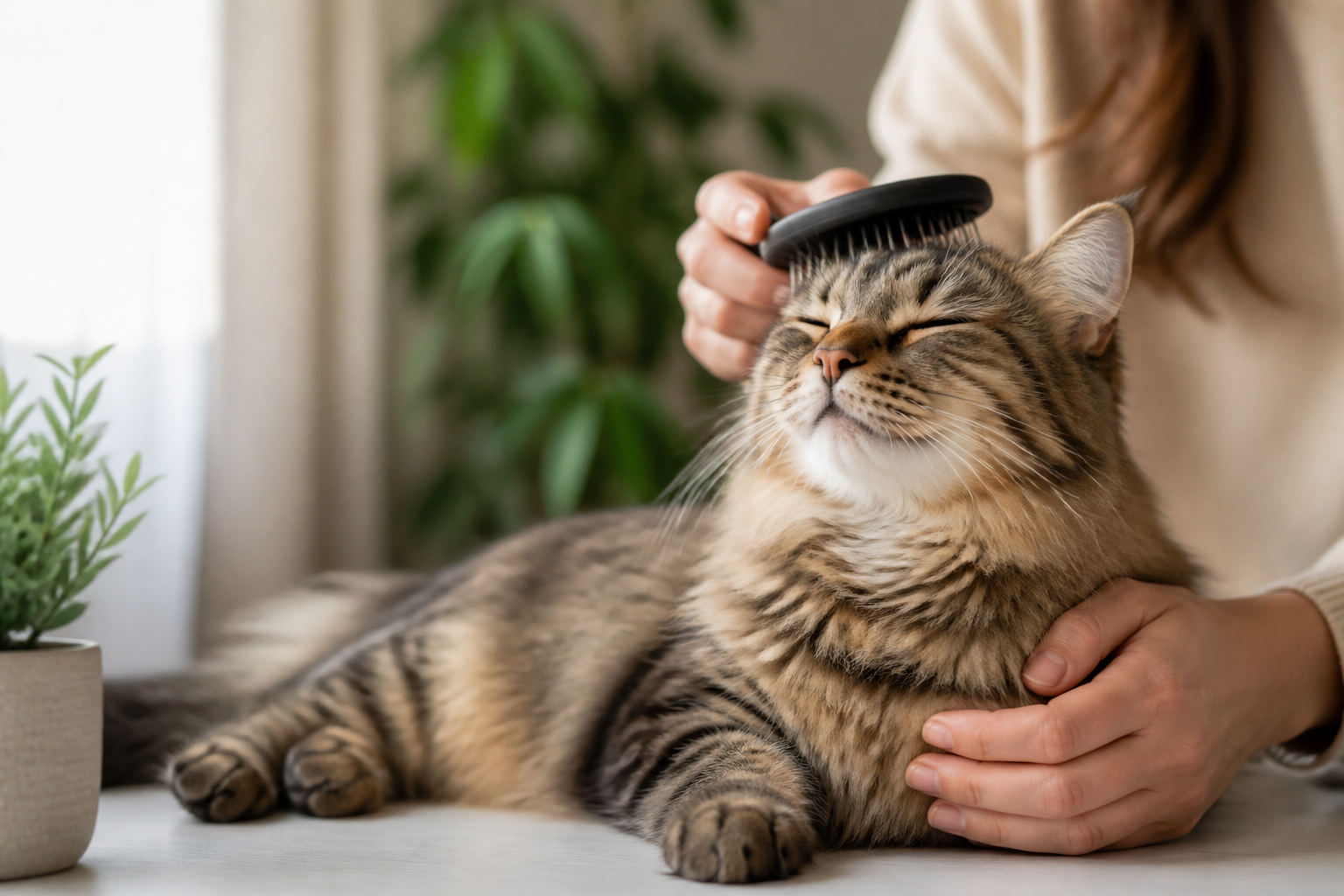
Brushing is the most effective way to manage dandruff manually. It serves two purposes. First, it physically removes the dead skin cells before they can clump and fall off. Second, it stimulates the skin and helps spread natural oils across the entire coat.
For cats with dandruff, a soft slicker brush or a rubber grooming mitt is often best. These tools are gentle on irritated skin. You should aim to brush your cat for at least five to ten minutes every other day. If your cat has long hair, you may need to do this daily to prevent mats from trapping the dandruff against the skin. Browse our cat grooming collection for brushes, combs, wipes, and coat-care supplies.
Step-by-Step: Introducing a New Grooming Routine
- Step 1: Choose a quiet time when your cat is relaxed. Let them sniff the brush first to feel comfortable with the new tool.
- Step 2: Start brushing in areas where your cat enjoys being touched, such as the chin or cheeks. This builds trust.
- Step 3: Gradually move toward the areas with the most dandruff, like the lower back. Use short, gentle strokes.
- Step 4: Reward your cat with a healthy treat after the session. This creates a positive association with grooming.
Improve Indoor Air Quality
If dry air is the culprit, a humidifier can make a massive difference. Place a humidifier in the room where your cat spends the most time. Keeping the humidity level between 40% and 50% helps keep their skin and nasal passages hydrated. This is especially helpful during the peak of winter or if you live in a desert climate.
Focus on Hydration
Increasing your cat's water intake is one of the best things you can do for their skin. Many owners find success by adding a bit of water or plain, unsalted bone broth to their cat's food. Switching at least one meal a day to high-quality wet food can also provide a significant boost in moisture.
You might also consider a pet water fountain. Many cats prefer running water over standing water in a bowl. A fountain encourages them to drink more frequently, which supports overall organ health and skin elasticity. For more everyday feline-care ideas, read how to clean a litter box.
The Role of Specialized Nutrition
What you put in the food bowl matters just as much as what you do with a brush. Specific nutrients act as the building blocks for healthy skin and fur.
Essential Fatty Acids
Omega-3 and Omega-6 fatty acids are vital for feline skin health. These fats help maintain the skin's moisture barrier and reduce inflammation. If your cat’s food is lacking these, you might notice a dull coat and plenty of flakes. We carry several brands like Zesty Paws and Honest Paws that offer targeted supplements. You can easily pump a measured amount of salmon oil or pollock oil directly onto your cat's food. One option is Zesty Paws Wild Alaskan Salmon Oil Skin & Coat Supplement.
High-Quality Proteins
The skin and coat consume a large portion of a cat's daily protein intake. If the protein in their food is low quality or difficult to digest, the coat is often the first thing to suffer. Look for foods that list a specific animal protein as the first ingredient. Brands like Farmina, Orijen, and Acana focus on high-protein recipes that support overall wellness and skin integrity. Explore our dry cat food selection when comparing food options.
Vet Tip: If you decide to add a supplement or change your cat's diet, do it gradually. A sudden change can cause digestive upset. It can also take four to six weeks to see a visible improvement in the skin and coat after a nutritional change. Consult your vet before starting supplements if your cat is on other medications.
When to Use Topical Treatments
Sometimes, a cat needs a little extra help from the outside. While most cats do not enjoy baths, there are other ways to apply beneficial ingredients to their skin.
Waterless Shampoos and Mousses
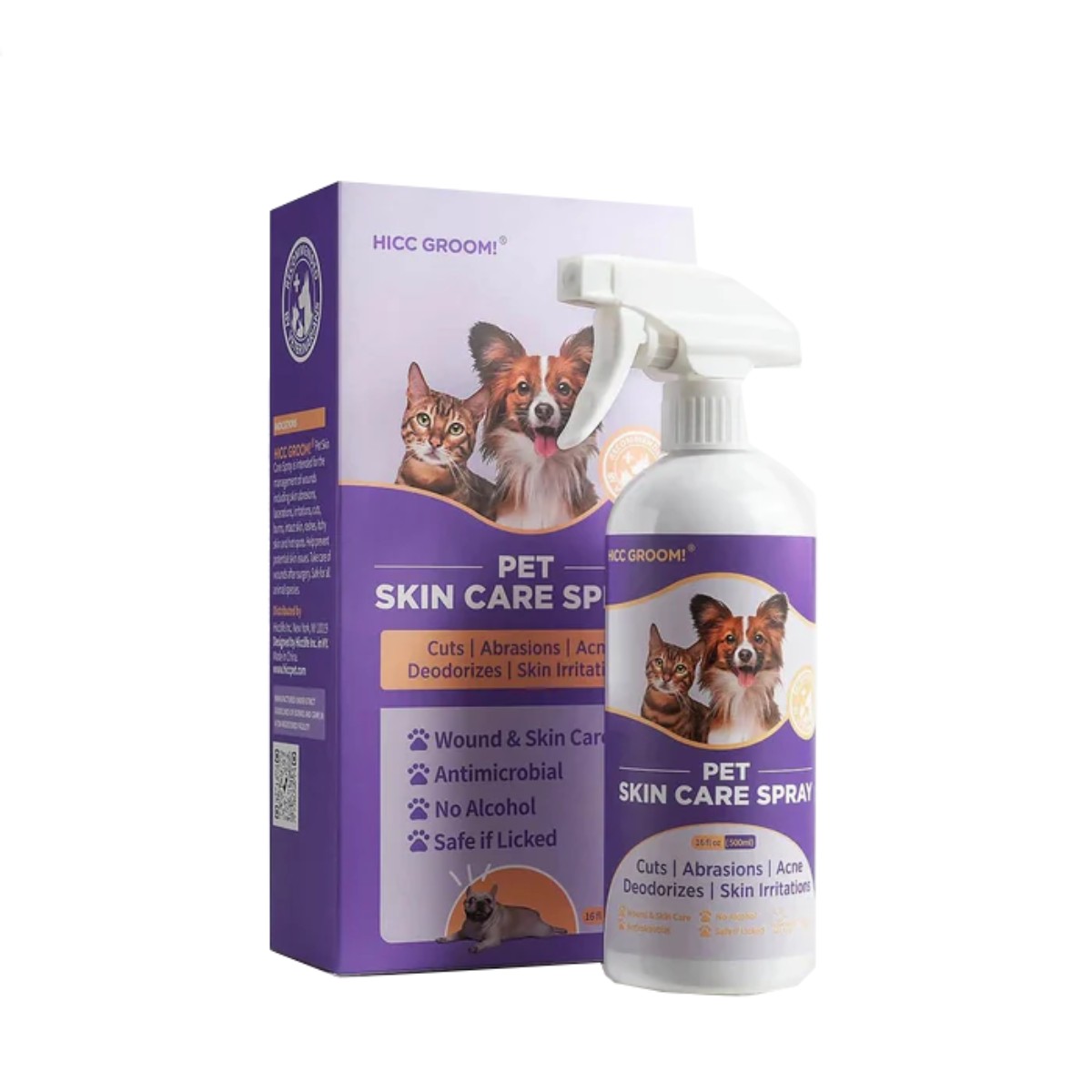
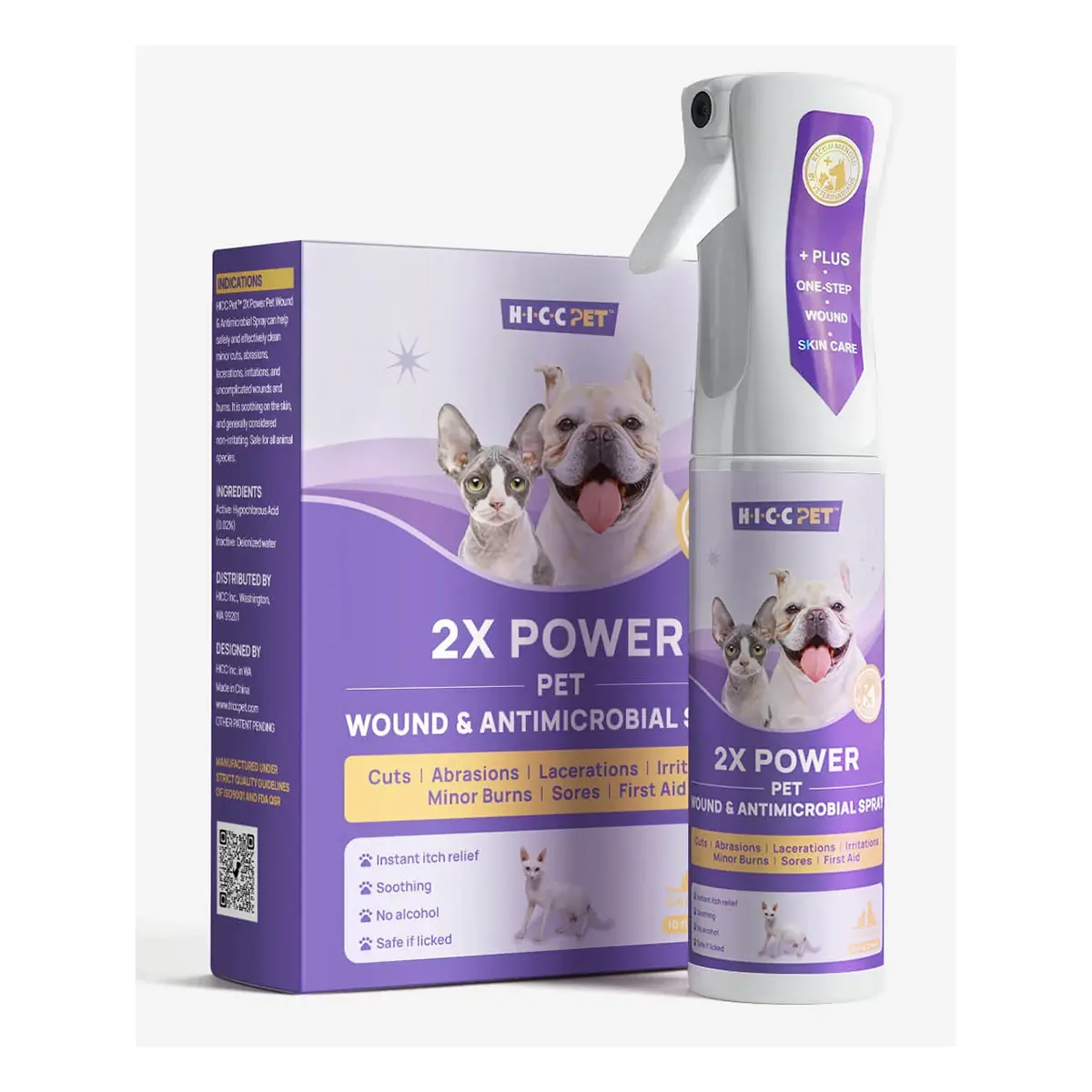
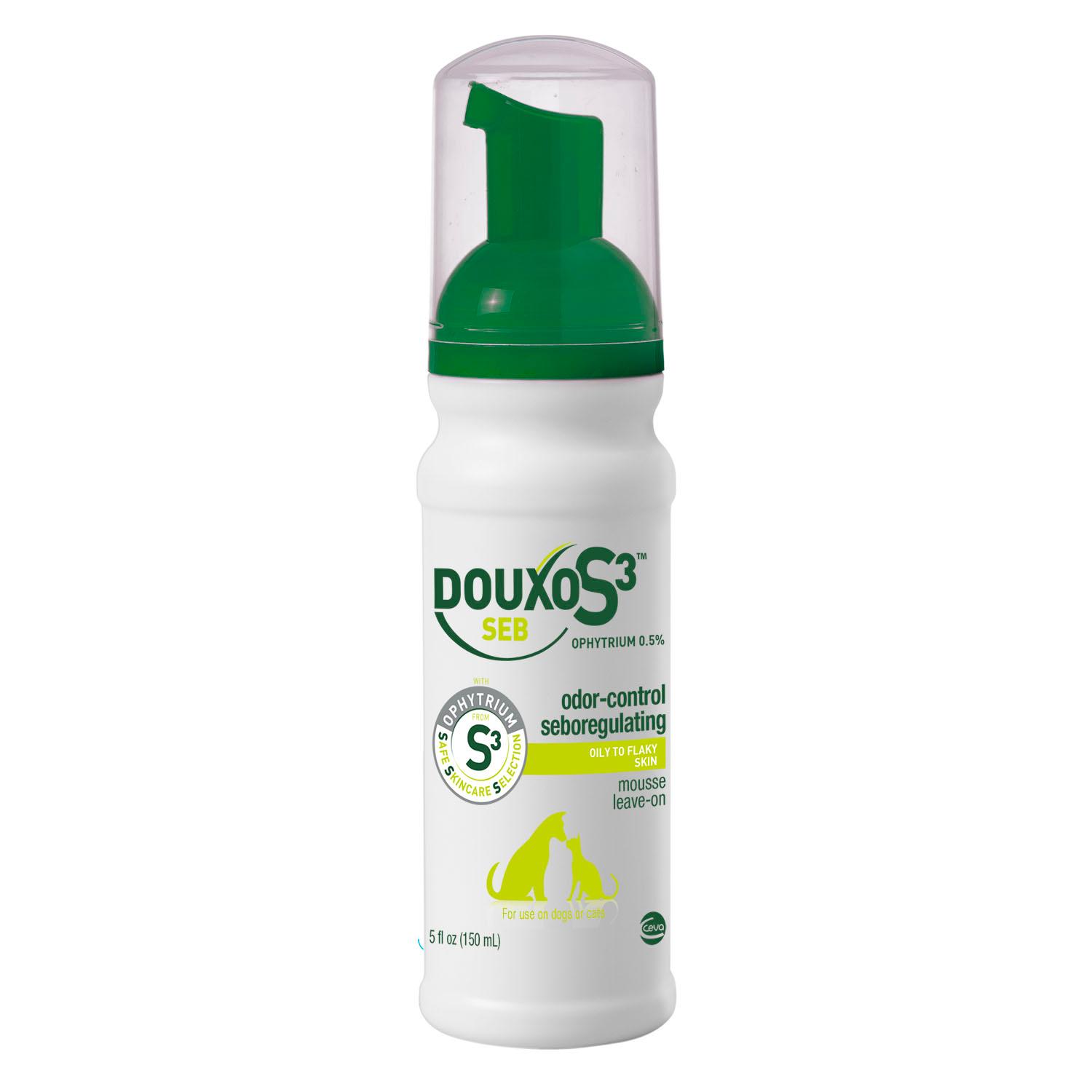
Waterless shampoos or grooming mousses are excellent for cats. You apply the foam to your hands and massage it into the cat's fur. This avoids the stress of a full bath while still delivering moisturizing ingredients like aloe, oatmeal, or vitamin E. It helps break down the oils that cause flakes to stick to the hair. For a no-rinse option, browse our waterless cat grooming products.
Medicated Shampoos
If your veterinarian determines that the dandruff is caused by a fungal or bacterial infection, they may prescribe a medicated shampoo. These products often contain ingredients like ketoconazole or salicylic acid. Always follow your vet's instructions for these products. They usually require a specific "soak time" where the suds must sit on the skin for several minutes to be effective.
Managing Dandruff in Senior and Overweight Cats
If your cat is older or carrying extra weight, their dandruff is likely a symptom of physical limitations. You will need to take a more active role in their care.
Weight Management for Better Grooming
Helping your cat reach a healthy weight is a long-term solution for dandruff. When a cat loses weight, they regain the flexibility needed to groom their entire body. This removes dead skin naturally. We offer weight management formulas from brands like Farmina Vet Life that can help. Our pharmacy also carries prescription weight management diets if your vet recommends a more clinical approach.
Supportive Care for Arthritis
If your cat has arthritis, they may want to groom but find it too painful to reach their back. Providing a soft, heated bed can help soothe stiff joints. You can also talk to your vet about joint supplements like Cosequin. Keeping them comfortable makes it easier for them to maintain their own hygiene. In the meantime, you should plan to brush the areas they cannot reach at least once a day.
Medical Conditions That Look Like Dandruff
Sometimes, getting rid of the flakes requires more than just a brush and some fish oil. Several medical conditions manifest as flaky skin.
Allergies and Sensitivities
Cats can be allergic to things in their environment, such as dust or pollen. They can also have food sensitivities. These allergies often cause the skin to become inflamed and itchy. A cat that is constantly scratching will create more flakes and may even develop bald spots. If you notice your cat is itching excessively, it is time for a vet visit to identify the allergen.
Systemic Health Issues
Certain internal health problems can affect the quality of a cat's skin. Conditions like hyperthyroidism or diabetes can change the way a cat’s body processes nutrients and hydrates itself. This often leads to a greasy or very dry coat with significant flaking. If your cat’s dandruff is accompanied by changes in thirst, appetite, or litter box habits, seek veterinary care immediately.
Parasite Prevention
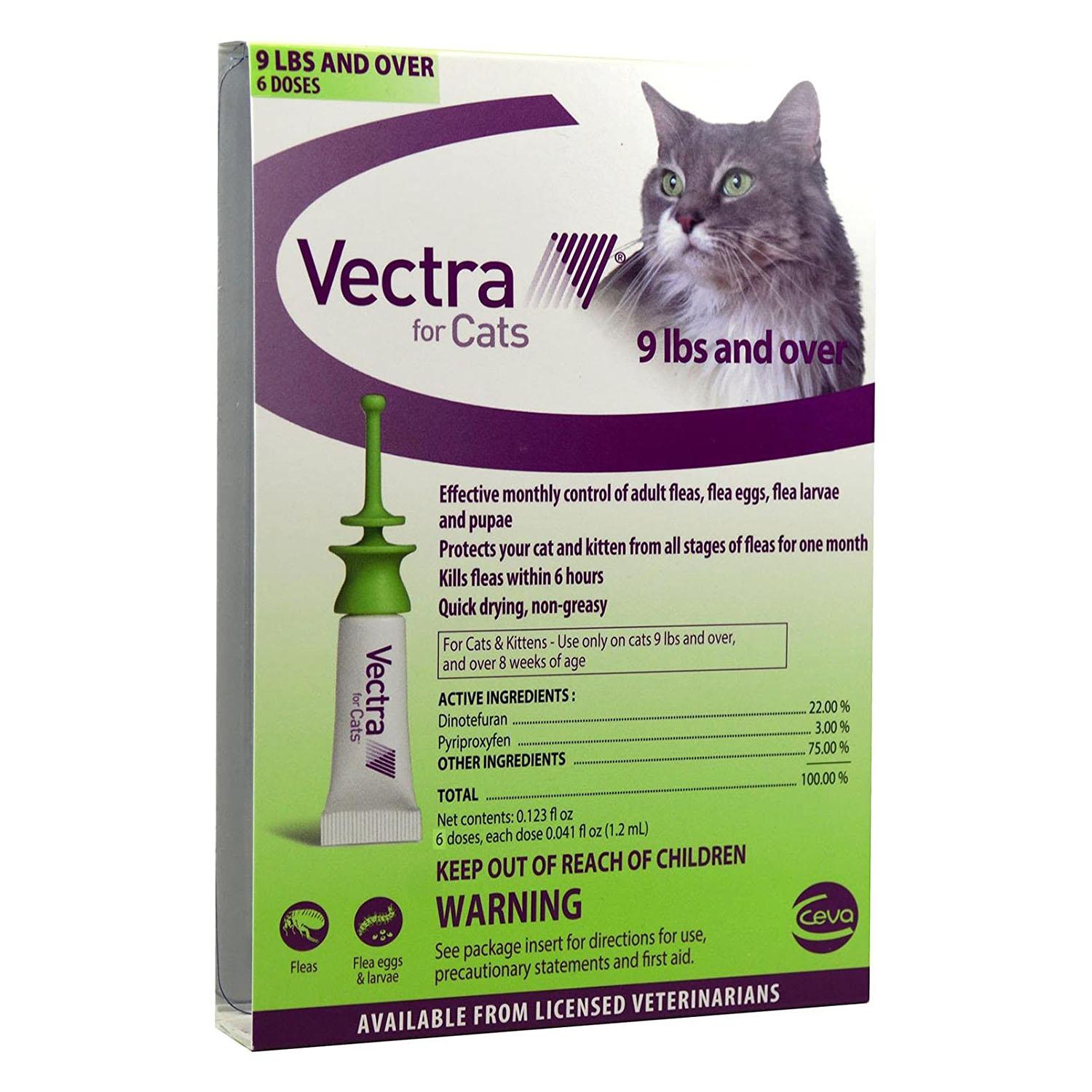
External parasites are a common cause of skin irritation. Fleas, mites, and lice can all lead to scaling and flakes. Maintaining a strict flea and tick prevention schedule is essential. Our pharmacy offers a wide range of preventatives from trusted brands like Frontline and NexGard. These are available through our partnership with Pet's Choice and can be delivered right to your door via our Autoship programme.
For additional guidance, read our guide to flea and tick prevention products.
Vet Tip: If your cat's skin is red, has open sores, or smells unusual, do not attempt to treat it with over-the-counter shampoos. These are signs of a potential infection that needs a professional diagnosis and possibly prescription antibiotics or antifungals.
Creating a Long-Term Maintenance Plan
Getting rid of dandruff is not a one-time task. It is about creating a lifestyle that supports healthy skin.
- Weekly Brushing: Make it a habit. Even when you do not see flakes, brushing keeps the coat healthy.
- Fresh Water Access: Clean the water bowl daily or use a fountain to encourage drinking.
- Regular Weight Checks: Monitor your cat's shape to ensure they can stay flexible.
- Quality Food: Stick to high-quality proteins and healthy fats.
- Preventative Meds: Keep up with flea and tick treatments year-round.
By following these steps, you are doing more than just cleaning up white flakes. You are improving your cat's overall quality of life. A healthy coat is a reflection of a healthy cat.
Bottom line: Success in treating cat dandruff comes from a combination of regular grooming, proper hydration, and addressing any underlying medical or weight issues with the help of your veterinarian.
Conclusion
Managing cat dandruff requires a thoughtful approach to grooming, diet, and environment. Most cases can be resolved with increased brushing, better hydration, and the addition of skin-supporting supplements. However, it is vital to remember that persistent or irritated skin flakes can signal a deeper health issue. Always consult your veterinarian if you notice signs of discomfort, hair loss, or redness.
BaxterBoo is here to support you through every stage of your cat's wellness journey. Whether you need a high-quality slicker brush, a specialized Omega-3 supplement, or prescription treatments through our cat pharmacy, we have the tools you need. By staying consistent with your care routine, you can help your cat enjoy a comfortable, shiny, and flake-free coat for years to come.
FAQ
Is cat dandruff the same as human dandruff?
While both involve visible flakes of dead skin, the causes are different. Human dandruff is often linked to a specific fungus on the scalp, whereas cat dandruff is usually a symptom of dry skin, poor grooming, or environmental factors. You should never use human dandruff shampoos on a cat, as the ingredients can be toxic to them.
Can I use coconut oil to get rid of my cat's dandruff?
You can apply a very small amount of food-grade coconut oil topically to dry patches, but it is often better to add healthy fats to their diet instead. Cats will likely lick the oil off their fur, which is generally safe but can lead to an upset stomach if they consume too much. Always check with your vet before using oils as a topical treatment.
Why does my cat only have dandruff at the base of their tail?
The base of the tail is one of the hardest places for a cat to reach, especially if they have limited mobility or are overweight. When a cat cannot groom that area, dead skin cells and natural oils build up, leading to concentrated dandruff. Regular brushing in that specific spot can help clear the flakes.
When should I be worried about my cat's dandruff?
You should make a veterinary appointment if the dandruff is accompanied by intense itching, redness, or patches of hair loss. Other warning signs include a change in appetite, lethargy, or if the flakes look like they are moving. These symptoms suggest an underlying medical condition or a parasite infestation rather than simple dry skin.





- Site & Contents BaxterBoo.com. BaxterBoo is located in the United States.
- Privacy & Security
- Terms of Use
- Accessibility Statement
