
 Save 15% on your 1st Autoship learn more

 Email us
 Live Chat
 FAQs





Introduction
You are relaxing on the sofa with your cat when you notice a dusting of white specks across their sleek fur. It looks a bit like salt or tiny flakes of paper scattered along their lower back. This is cat dandruff. It is a common sight for many pet owners. While it might seem like a simple cosmetic issue, those flakes often tell a story about your cat's internal health or daily environment. At BaxterBoo, we see these concerns often and know how frustrating it can be to keep your pet's coat looking its best. This guide explains the root causes of feline skin flakes and provides actionable steps to clear them up. You will learn about grooming techniques, nutritional shifts, and when it is time to call the vet. Managing skin health is a vital part of everyday feline care.
Quick Answer: Getting rid of cat dandruff requires a combination of regular brushing to distribute skin oils and improving hydration through wet food or fountains. If the flakes persist, it may indicate an underlying health issue or a need for parasite prevention from a veterinarian.
Understanding Feline Dandruff vs Dander
It is important to understand what you are actually seeing on your cat's coat. All cats produce dander. Dander consists of microscopic skin cells that shed naturally as part of the normal skin renewal process. You usually cannot see dander with the naked eye. It is the material that often triggers allergies in humans because it carries proteins from the cat's saliva.
Dandruff is different. These are visible white or grey flakes that clump together. When your cat's skin becomes too dry or too oily, the skin cells shed prematurely or in larger groups. This creates the visible "snow" effect on the fur. If you see these flakes, it means the normal shedding cycle is out of balance.
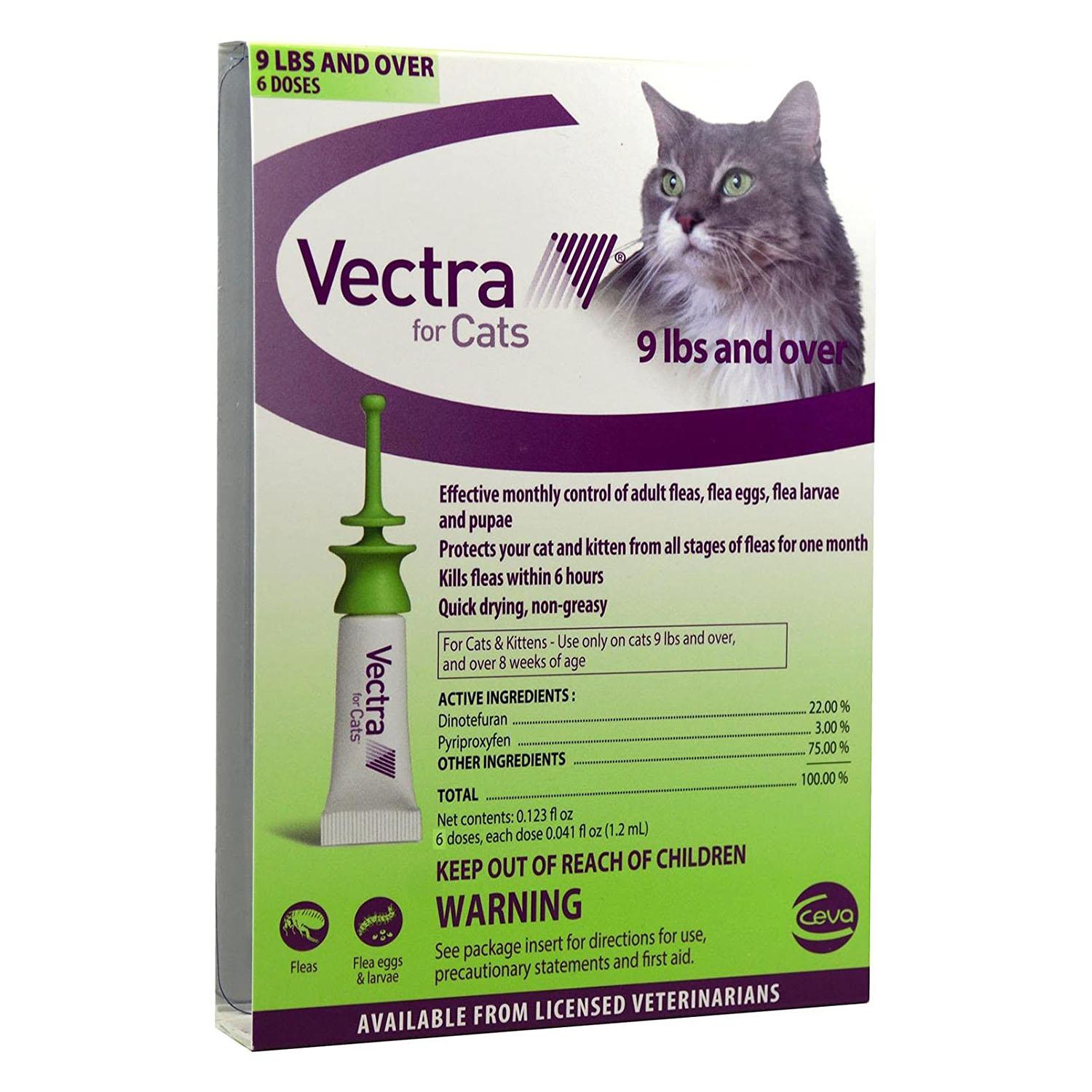
You should also look closely to ensure you are not seeing flea dirt. Flea dirt looks like tiny specks of black pepper. If you see white flakes, it is likely dandruff. If the specks are dark and turn red when placed on a wet paper towel, you are dealing with a flea problem. Our cat flea and tick collection includes products for parasite prevention.
Cat Skin & Coat Care









Why Does My Cat Have Dandruff?
Several factors contribute to a flaky coat. Identifying the cause is the first step toward a solution.
Physical Limitations and Obesity
One of the most common reasons for dandruff is a cat's inability to reach certain spots. Cats are meticulous groomers. If a cat is overweight, they often cannot reach the base of their tail or the middle of their back. The skin cells in those areas build up and eventually flake off. Arthritis in senior cats can also make the twisting and turning of grooming painful. This leads to a dull, flaky coat in the areas they can no longer reach.
Environmental Factors
Low humidity is a major culprit in many US homes, especially during the winter. Forced air heating strips moisture from the environment. This dries out your cat's skin just like it dries out your own. If you notice the dandruff only appears when the heater turns on for the season, the environment is likely to blame.
Nutritional Deficiencies
Skin health starts from the inside. Cats need specific fatty acids to maintain a supple skin barrier. If their food is low in Omega-3 or Omega-6 fatty acids, the skin can become brittle. Poor quality proteins can also lead to a lackluster coat. We carry premium brands like Farmina and Royal Canin in our cat food collection that focus on high-quality ingredients to support overall wellness.
Key Takeaway: Dandruff is a symptom of an underlying issue such as poor grooming, dry air, or nutritional gaps rather than a standalone disease.
The Role of Hydration and Diet
Many cats live in a state of mild, chronic dehydration. This directly impacts their skin elasticity. Cats have a low thirst drive because their ancestors obtained most of their moisture from prey. If your cat eats only dry kibble, they may not be getting enough water to keep their skin hydrated.
Switching to Wet Food
Adding wet food to your cat's routine is one of the easiest ways to improve skin health. Brands like Tiki Cat or Fussie Cat offer high moisture content that mimics a natural diet. Even replacing one meal a day with wet food can make a visible difference in the quality of the coat. Explore our wet cat food selection when comparing options.
Using Water Fountains
Cats often prefer running water over standing water in a bowl. A fountain encourages more frequent drinking. This increased intake helps flush toxins and keeps the skin cells hydrated from the inside out.
Omega-3 Supplements
If a diet change is not enough, supplements can provide a boost. Fish oil is a powerhouse for skin health. Products from Zesty Paws or Honest Paws contain concentrated fatty acids that support the skin's moisture barrier. Always check with your vet before starting a new supplement to ensure it is the right fit for your cat's specific needs.
Improving Your Grooming Routine
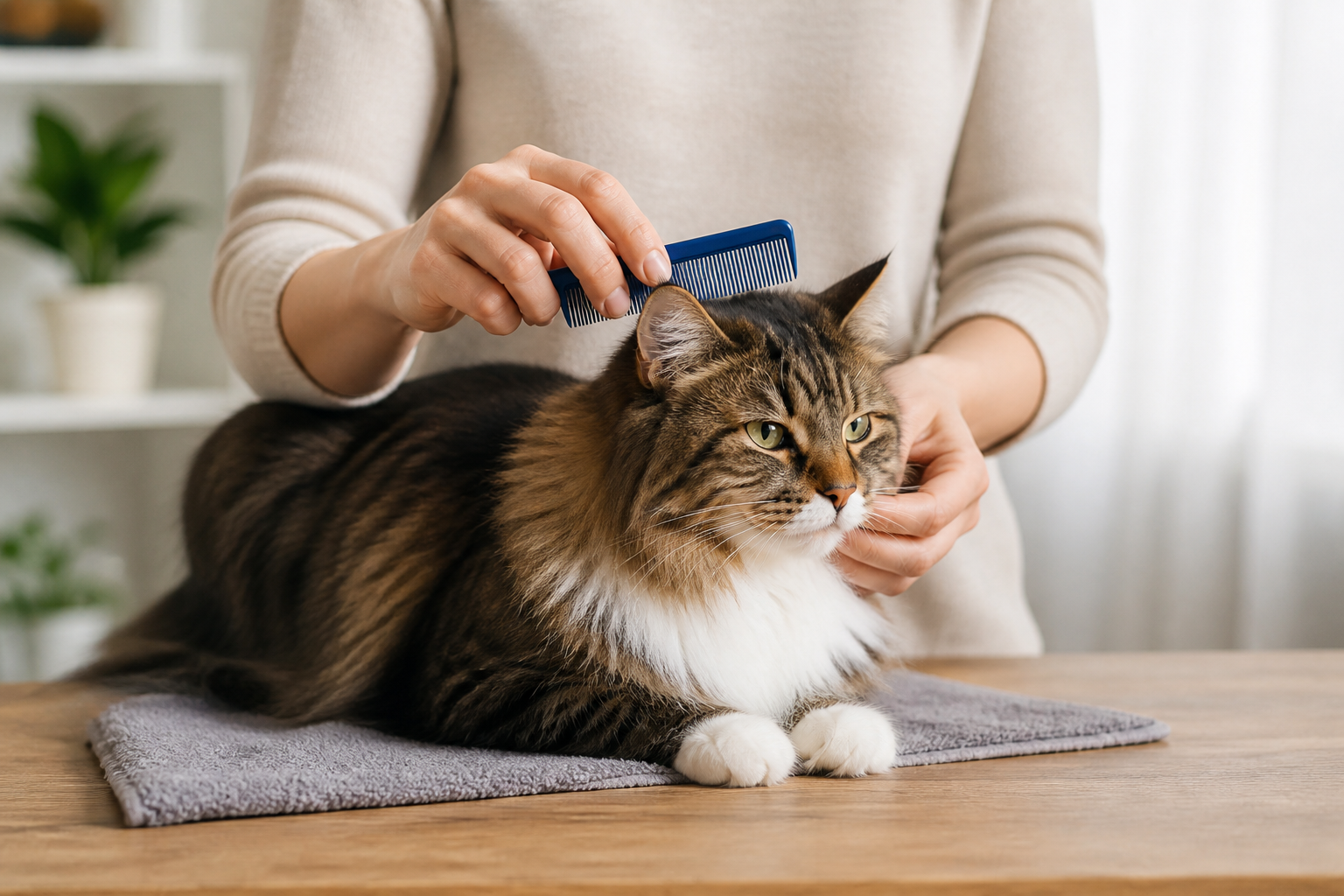
Regular grooming is essential for a flake-free cat. Even if your cat is a good self-groomer, they can benefit from your help. Brushing does more than just remove loose fur. It stimulates the skin and helps distribute natural oils across the entire body. Our cat grooming supplies include brushes, combs, shampoos, and other tools.
Step 1: Choose the right tool. / For cats with thick undercoats, a slicker brush or a de-shedding tool is best. For short-haired cats, a soft bristle brush or a rubber grooming mitt works well.
Step 2: Brush in the direction of hair growth. / Use long, gentle strokes. Pay extra attention to the lower back and the base of the tail where dandruff tends to congregate.
Step 3: Massage the skin. / Gentle brushing acts as a massage. This increases blood flow to the skin surface, which promotes healthy cell turnover.
Step 4: Use grooming wipes. / If your cat has a lot of visible flakes, a quick wipe with a cat-safe grooming cloth can remove them without the stress of a full bath.
Vet Tip: If your cat is older or has mobility issues, they rely on you for grooming. Daily brushing sessions are a great way to bond while keeping their skin healthy.
When to Consider a Bath
Most cats do not need regular baths. In fact, bathing a cat too often can strip away natural oils and make dandruff worse. However, if your cat has a greasy form of dandruff or has become very dirty, a bath might be necessary.
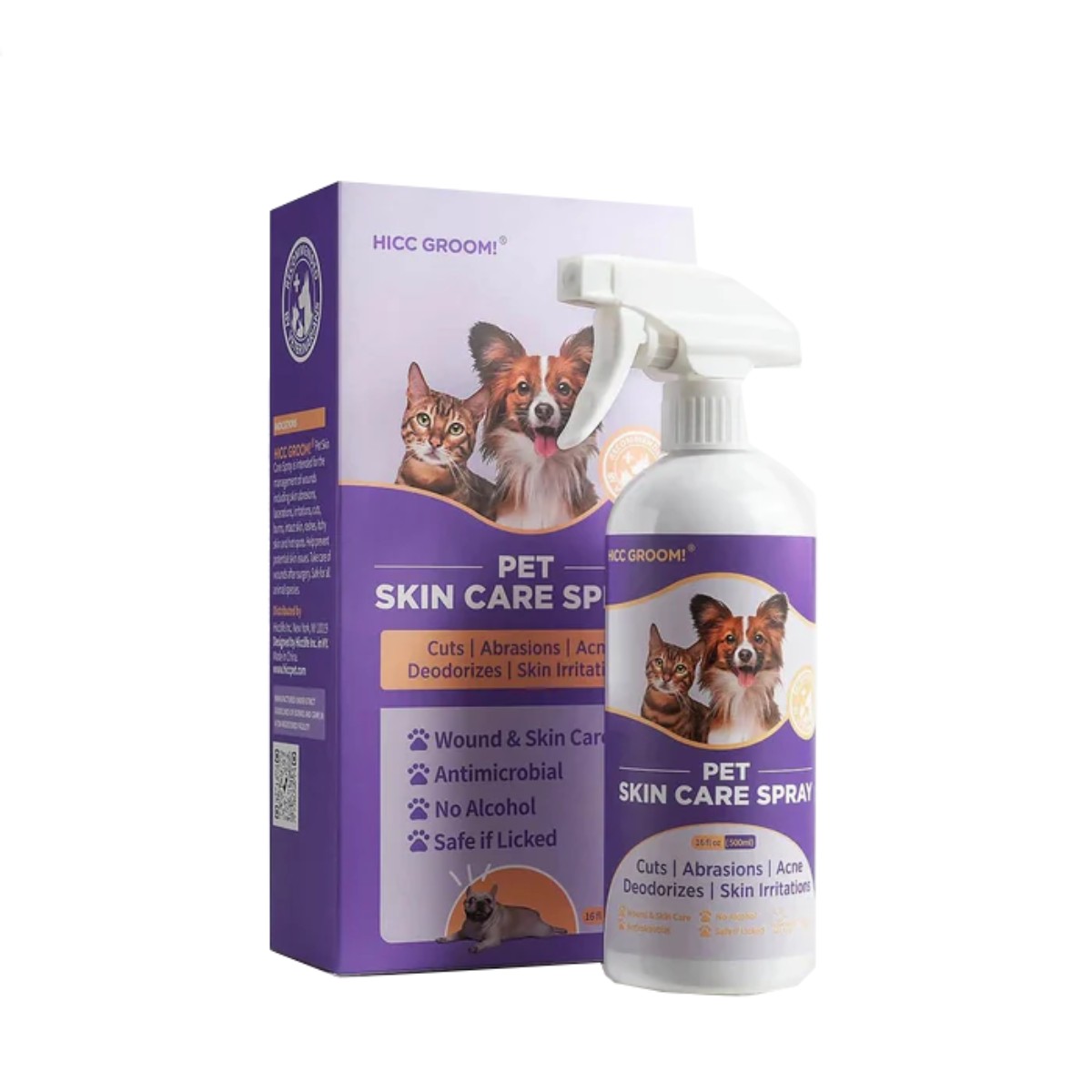
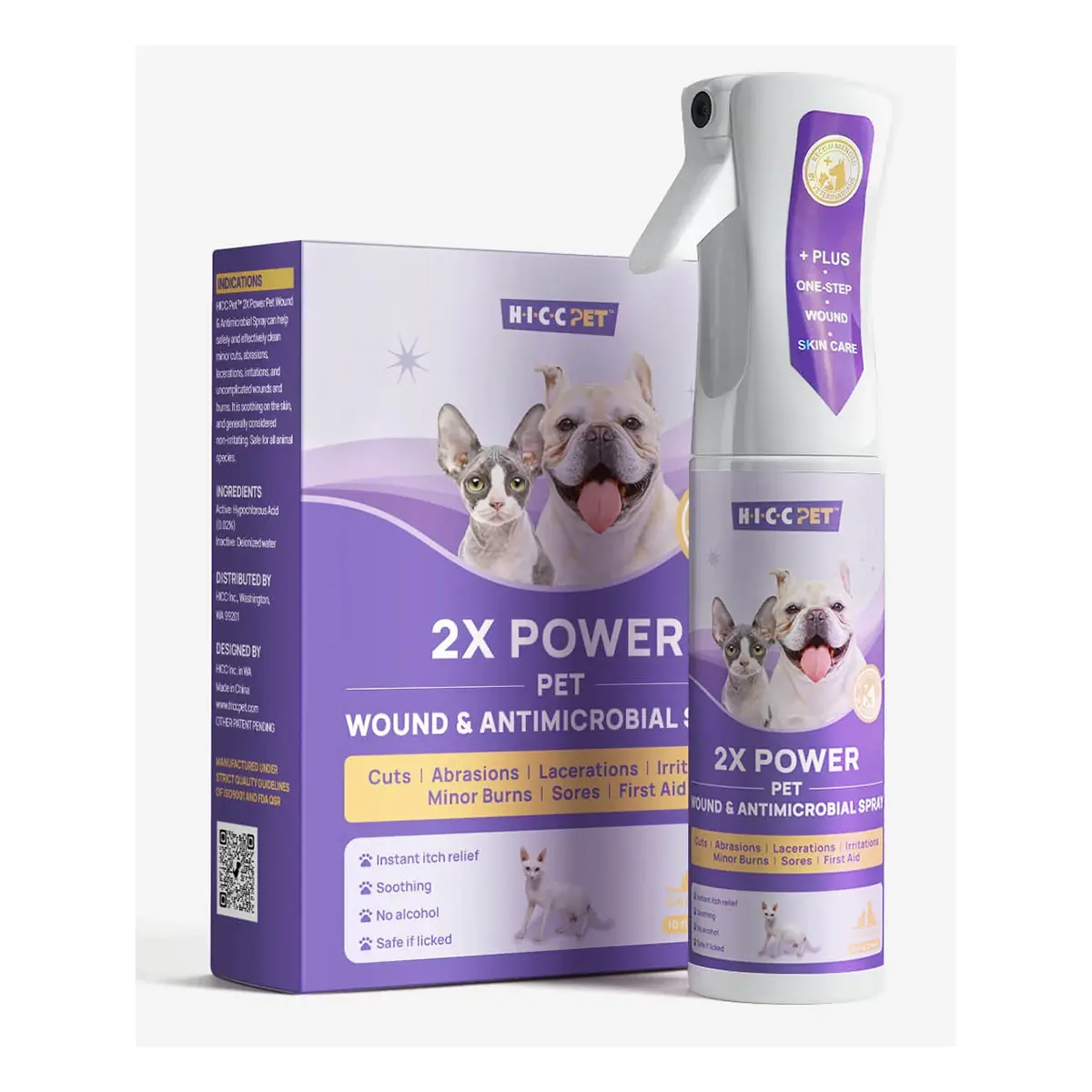
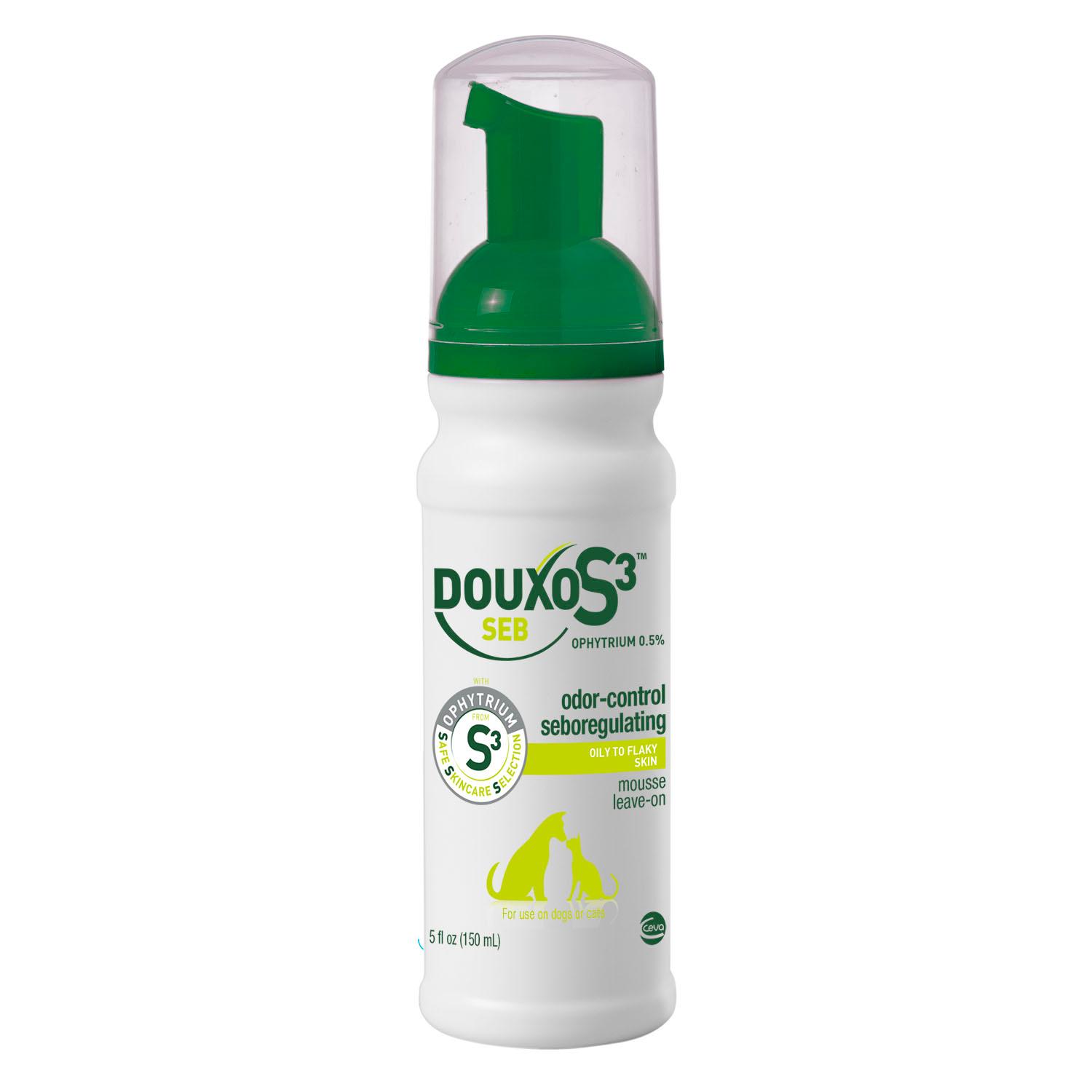
If you must bathe your cat, use a shampoo specifically formulated for felines. Human shampoos have a different pH balance and can cause severe irritation. Look for soothing ingredients like oatmeal or aloe vera. Ensure you rinse the coat thoroughly. Any soap residue left on the skin will cause itching and more flaking.
BaxterBoo offers a variety of gentle grooming supplies designed for sensitive feline skin. We recommend keeping bath sessions short and positive to minimize stress. If your cat is terrified of water, consider using a waterless foam shampoo instead.
Parasites and Health Conditions
Sometimes dandruff is a sign of a more serious medical problem. Parasites like Cheyletiella mites are often called "walking dandruff" because the tiny mites move under the flakes, making the skin look like it is crawling. These require specific medical treatment. For additional parasite-prevention guidance, read our guide to flea and tick prevention products.
Common Medical Causes
- Allergies: Cats can be allergic to dust, pollen, or specific ingredients in their food. This often manifests as itchy, flaky skin.
- Fungal Infections: Ringworm is a common fungal infection that causes circular patches of hair loss and heavy scaling.
- Systemic Illness: Conditions like diabetes, hyperthyroidism, or kidney disease can affect the coat quality. If your cat is drinking more water than usual or losing weight alongside the dandruff, see a vet.
- Stress: High levels of stress can cause a cat to over-groom or stop grooming entirely, both of which lead to skin issues.
Our cat pharmacy provides access to prescription diets and medications for chronic conditions. If your vet prescribes a medicated shampoo or a specific flea treatment, you can often find those through our pharmacy services.
Environmental Adjustments for Skin Health
The air inside your home plays a major role in your cat's comfort. If the air is bone-dry, their skin will be too.
Use a Humidifier
Placing a humidifier in the room where your cat spends most of their time can help. Maintaining a humidity level between 40% and 50% is generally ideal for both humans and pets. This prevents the skin from losing moisture to the dry air.
Reduce Stress
Cats are sensitive to changes in their environment. A new pet, a move, or even a change in your work schedule can cause stress. Stress-induced dandruff is real. Using calming pheromone diffusers like those from Jackson Galaxy can help create a more relaxed atmosphere. A relaxed cat is more likely to maintain their own grooming routine. If fleas may be contributing to skin irritation, this overview of flea collars explains how they work.
| Action | Benefit | Difficulty |
|---|---|---|
| Daily Brushing | Distributes oils and removes flakes | Low |
| Adding Wet Food | Increases internal hydration | Low |
| Using a Humidifier | Prevents skin from drying out | Medium |
| Veterinary Visit | Diagnoses underlying health issues | High |
Essential Supplies for a Healthy Coat
Having the right tools on hand makes managing dandruff much easier. At BaxterBoo, we curate our selection to ensure you have access to high-quality products that actually work.
- Brushes and Combs: A metal comb is excellent for reaching the skin on long-haired cats, while a slicker brush is great for general maintenance.
- Water Fountains: These encourage hydration and are a simple way to improve skin health from within.
- Supplements: Look for products containing Wild Alaskan Salmon Oil or other high-quality fish oils.
- High-Protein Food: Feeding a diet rich in animal proteins helps provide the building blocks for healthy skin.
For a versatile option, the U-Groom Combo Brush for Dogs and Cats features stainless-steel pins and boar bristles for everyday grooming.
Key Takeaway: A multi-faceted approach involving better tools, better food, and a better environment is the most effective way to eliminate dandruff.
Dealing with Severe Flaking
If you have tried brushing and diet changes but the flakes are getting worse, do not wait to seek help. Severe dandruff that is accompanied by redness, sores, or intense itching needs professional attention. Your vet can perform a skin scraping to look for mites or bacteria under a microscope.
In some cases, your cat might need a prescription-strength topical treatment. These are formulated to kill parasites or treat fungal infections that over-the-counter products cannot handle. Through our pharmacy services, the BaxterBoo pharmacy can help fulfill these prescriptions efficiently.
Vet Tip: Never use human dandruff medications on a cat. Ingredients like zinc pyrithione or coal tar can be toxic if your cat licks them off their fur.
Setting Up a Long-Term Care Plan
Once you get the dandruff under control, the goal is to keep it from coming back. Consistency is the secret to a beautiful feline coat.
- Schedule regular brushing: Even five minutes a day makes a massive difference.
- Monitor weight: Keep your cat at a healthy weight so they can reach their entire body for grooming. Use a puzzle feeder or a weight management food like Farmina Vet Life if necessary.
- Stay current on preventives: Fleas and mites can trigger skin issues quickly. Use a year-round preventive to keep these pests away.
- Watch for changes: Keep an eye on your cat's coat. A sudden appearance of flakes is often the first sign that something is off with their health.
We recommend our Autoship program for items you use regularly, like food and flea preventives. This ensures you never run out of the supplies needed to maintain your cat's health. Plus, you save on your orders and get a free MVP Gold membership.
Bottom line: Consistent grooming and high-quality nutrition are the best defenses against a flaky feline coat.
Conclusion
Getting rid of dandruff on your cat is a process that involves looking at their whole lifestyle. It is rarely just about the flakes themselves. By improving their diet, encouraging hydration, and helping them with a regular grooming routine, you can restore their coat to its natural shine. Remember to check for underlying medical issues if the dandruff is persistent or if your cat seems uncomfortable. We are here to help you every step of the way with expert-curated products and professional pharmacy services. For ongoing support, check out our selection of feline skin and coat supplements or talk to your vet about a prescription diet.
FAQ
Can I use human dandruff shampoo on my cat?
No, you should never use human dandruff products on a cat. Many contain ingredients that are toxic to felines if ingested during grooming. Cats have a different skin pH than humans, and these products can cause severe chemical burns or irritation. Always use a shampoo specifically formulated for cats.
Does my cat's weight affect their dandruff?
Yes, obesity is a leading cause of feline dandruff. If a cat is overweight, they lose the flexibility needed to reach the base of their tail and their lower back. This leads to a buildup of dead skin and oils in those areas. Helping your cat reach a healthy weight often clears up these "hard to reach" flakes.
How often should I brush my cat to stop dandruff?
For most cats, a thorough brushing two to three times a week is sufficient to manage flakes. However, if your cat has a very thick coat or is a senior with mobility issues, daily brushing may be necessary. Regular brushing helps distribute the natural oils that keep the skin moisturized.
When should I take my cat to the vet for dandruff?
You should see a vet if the dandruff is accompanied by hair loss, redness, or intense itching. If you notice your cat is lethargic, losing weight, or has a change in appetite, the dandruff might be a symptom of a systemic illness. A vet can rule out parasites like mites or medical conditions like hyperthyroidism.





- Site & Contents BaxterBoo.com. BaxterBoo is located in the United States.
- Privacy & Security
- Terms of Use
- Accessibility Statement
