
 Save 15% on your 1st Autoship learn more

 Email us
 Live Chat
 FAQs
FAQs





Introduction
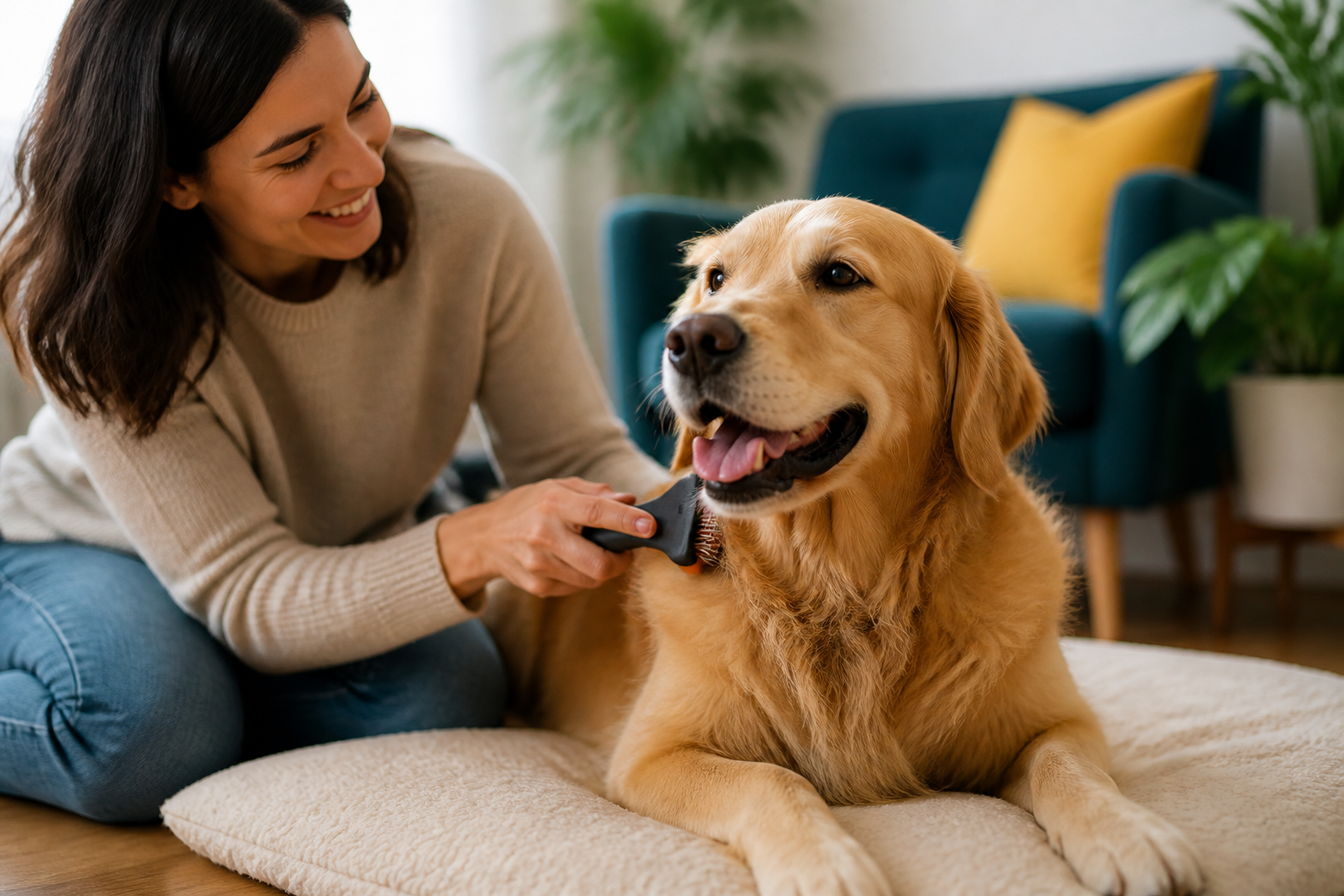
You pull the brush out of the drawer and suddenly the room is empty. You hear the frantic click-clack of paws on the hardwood as your dog retreats to the farthest corner of the house or dives under the bed. This "brush-off" is a common struggle for many pet owners. Whether your dog has long, flowing locks or a short, wiry coat, grooming is an essential part of their health and comfort. At BaxterBoo, we have helped thousands of owners find the right gear and techniques to turn grooming from a wrestling match into a bonding session. This post covers why dogs resist grooming and how you can use positive reinforcement to change their perspective. By the end of this guide, you will have a clear plan to help your dog relax and even enjoy their time in the grooming chair.
Quick Answer: To get your dog to like brushing, you must pair the tool with high-value rewards while moving at their pace. Start by letting them sniff the brush and offer a treat, then progress to touching them with the back of the brush before attempting actual strokes.
Understanding Why Your Dog Avoids the Brush
To solve the problem, we first have to understand why it is happening. Dogs do not typically act out of spite. If they are running away or growling at a brush, they are communicating a feeling. This feeling is usually rooted in fear, discomfort, or simple impatience.
Many dogs have sensitive skin. If you have ever accidentally pulled a tangle too hard, your dog remembers that sharp pinch. One bad experience can color their perception of grooming for years. This is especially true for rescue dogs who may have arrived with severe matting that required painful removal. They associate the sight of grooming tools with that past trauma.
In other cases, the issue is sensory. Some brushes have stiff wire bristles that can feel scratchy or sharp if the wrong technique is used. The sound of a metal comb clinking or the smell of a scented grooming spray can also be overwhelming for a dog with a sensitive nose.
Finally, some dogs are just busy. They have energy to burn and do not see the point of sitting still for twenty minutes while you work on their coat. For these high-energy pups, the restriction of movement is the primary stressor. Identifying which category your dog falls into will help you tailor your training approach.
Key Takeaway: Resistance is a form of communication. Your dog is likely feeling physical discomfort, fear from a past event, or sensory overload.
Choosing the Right Grooming Tools for the Job
Using the wrong tool is like trying to comb your own hair with a garden rake. It is not going to end well. We carry over 500 trusted brands at BaxterBoo, and choosing the right one depends entirely on your dog's specific coat type. Start by exploring our dog grooming collection, including brushes, combs, shampoos, and other grooming supplies.
Slicker Brushes
A slicker brush has fine, short wires close together on a flat or curved surface. These are the workhorses of the grooming world. They are excellent for removing loose hair and breaking up small tangles. However, you must be careful not to apply too much pressure. "Brush burn" occurs when the wire bristles scrape against the skin repeatedly.
Pin Brushes and Bristle Brushes
Pin brushes look similar to human hairbrushes and are best for long-haired breeds with single coats. They provide a gentle touch that is less likely to pull. Bristle brushes are ideal for short-haired dogs like Pugs or Labs. They help distribute natural oils across the skin and remove surface dust without any risk of scratching.
Grooming Gloves and Rubber Brushes
If your dog is terrified of traditional brushes, a grooming glove is a fantastic bridge. These fit over your hand like a mitten. Your dog thinks they are just getting a long petting session, but the rubber nubs are actually pulling away dead fur. Kong makes excellent rubber brushes that are soft on the skin and can even be used during bath time.
The Greyhound Comb
Every dog owner should have a metal comb. These are often called Greyhound combs. They have two sides with different spacing between the teeth. You use the comb after you have finished brushing. If the comb slides through the fur without snagging, you know you have removed all the hidden knots.
Bottom line: Matching the tool to your dog’s coat type reduces the risk of skin irritation and makes the process more comfortable for everyone.
The Step by Step Guide to Stress Free Brushing
Training your dog to love grooming is a marathon, not a sprint. You cannot expect to brush their entire body on day one. We recommend a process called desensitization and counter-conditioning. This means you are slowly getting them used to the tool while teaching them that the tool brings great things.
Step 1: The Introduction
Do not even try to brush your dog yet. Simply place the brush on the floor. When your dog walks over to sniff it, give them a high-value treat immediately. We are talking about something special, like a small piece of plain chicken or a freeze-dried liver treat. Do this several times until your dog sees the brush and wagging their tail in anticipation of a snack.
Step 2: The Scent and Touch
Pick up the brush and hold it in one hand. Use your other hand to pet your dog. While you are petting them, touch them gently with the back of the brush. You are not using the bristles yet. You are just getting them used to the feeling of the tool against their body. Again, follow every touch with a reward.
Step 3: The First Stroke
Now, flip the brush over. Find a spot where your dog is least sensitive. For most dogs, this is the shoulder or the side of the ribcage. Avoid the tail, paws, and face for now. Give one very short, gentle stroke. Immediately give a treat. If your dog stays calm, do a second stroke. If they move away, stop the session. You always want to end on a positive note.
Step 4: Building Duration
Slowly increase the number of strokes before giving a treat. You might do three strokes, then a treat. Then five strokes, then a treat. Eventually, you can brush an entire section of their body before rewarding them.
Step 5: Tackling Sensitive Areas
The belly, tail, ears, and paws are high-sensitivity zones. Save these for the very end of your training journey. When you do reach these areas, go back to the "one stroke, one treat" rule. Use your highest-value rewards for these tricky spots.
Vet Tip: If your dog's skin appears red, bumpy, or flaky during brushing, they may be dealing with underlying allergies. Our pharmacy offers various allergy treatments and medicated shampoos through our partnership with Pet's Choice.
Managing Sensitive Areas and Tough Mats
Mats are more than just an eyesore. They pull on the skin every time your dog moves, which can cause constant, low-grade pain. If you find a hard mat, do not try to pull it out with a brush. This is the fastest way to make a dog hate grooming.
Instead, hold the mat at the base, close to the skin. This prevents the hair from pulling on the sensory nerves while you work. Use a metal comb or a specific dematting tool to gently pick at the edges of the mat. If the mat is tight against the skin, it is often safer to have a professional groomer or vet shave it off. For additional guidance, read these tips for avoiding painful mats and tangles.
Never use regular kitchen scissors to cut out a mat. A dog's skin is incredibly thin and moves easily. It is very common for owners to accidentally snip the skin while trying to cut through a knot. This results in a painful injury that will definitely make your dog fear the grooming process.
Checklist for Safe Mat Removal:
- Identify the mat early by using a metal comb daily.
- Apply a detangling spray to lubricate the hair fibers.
- Hold the hair at the base to prevent pulling the skin.
- Work from the outside of the knot toward the center.
- Know when to stop and call a professional if the mat is too close to the skin.
Bottom line: Never trade your dog's trust for a single knot. If a mat is too difficult to remove gently, seek professional help.
Senior Dogs and Brushing Challenges
As dogs age, their grooming needs change. Senior dogs often develop arthritis or general joint stiffness. Standing for a long grooming session can be physically exhausting or even painful for them. If your older dog has suddenly started snapping at the brush, it might be because the way you are holding them is putting pressure on a sore hip or shoulder.
For these dogs, we recommend "floor grooming." Let them lie down on a soft, supportive bed while you work. You can brush one side, let them rest, and finish the other side later in the day. Keep the sessions very short.
Seniors also tend to have thinner skin. You may need to switch to a softer bristle brush or a grooming glove to avoid irritation. Watch for new lumps, bumps, or skin tags that often appear on aging dogs. You do not want to accidentally snag a skin tag with a slicker brush.
If your senior dog is struggling with mobility, specialized supplements can help. We carry options like Cosequin and other joint supports that help keep them comfortable during daily activities, including grooming.
Vet Tip: Sudden changes in grooming behavior in senior dogs often indicate physical pain. Consult your veterinarian to rule out arthritis or dental issues that might make them feel defensive. Our pharmacy carries FDA-approved medications for chronic pain management through Pet's Choice.
Building a Long Term Grooming Routine
Consistency is the secret to success. Brushing should not be an "event" that happens once a month. It should be a quiet, predictable part of your daily life. When you brush your dog every day, you prevent mats from ever forming. This means the sessions are always pain-free.
Try to pick the same time every day. Many owners find that brushing after a long walk is best because the dog is naturally tired and more likely to settle down. Use a specific rug or towel for grooming so your dog learns that being on that mat means it is time to relax and earn some treats.
If you have a puppy, start this process immediately. Even if they do not have much fur yet, getting them used to the sensation of the brush is vital for their future. Use the "handling" technique where you touch their ears, paws, and tail every day so they become desensitized to being touched in those areas.
To keep your grooming supplies stocked without the hassle, you can use our Autoship program. This ensures you always have the treats, shampoos, and wipes you need delivered right to your door. Plus, you get savings on your first order and a free MVP Gold membership.
Key Takeaway: A five minute daily session is much more effective and less stressful than a one hour session once a week.
Tips for High-Energy and Distracted Dogs
Some dogs simply cannot sit still. For these pups, you need to engage their brain so their body stays quiet. Lick mats are a fantastic tool for this. You can spread a bit of dog-safe peanut butter or plain yogurt on the mat and stick it to a wall or the floor. While your dog is focused on licking every last bit of food, you can work on their coat.
The repetitive licking motion is also naturally calming for dogs. It lowers their cortisol levels and helps them associate the brush with a soothing, tasty activity. This is particularly helpful for dogs that are "mouthy" and try to bite the brush as a game.
Another tip is to work in short bursts. Brush for thirty seconds, then throw a ball or do a quick trick. This allows the dog to release some energy before asking them to be still again. Over time, you can increase the "still time" and decrease the "play time."
Quick Strategy for Wiggly Dogs:
- Use a lick mat with high-value spreadable treats.
- Groom in a confined area where they cannot easily wander off.
- Keep sessions under two minutes for the first week.
- Use a "release word" like "All done!" to tell them when they are free to go.
Bottom line: Using food as a distraction is not "cheating." It is a smart way to help a high-energy dog learn that being still leads to great rewards.
Maintaining the Bond
Grooming is one of the best ways to stay connected to your dog’s health. As you brush, you are checking for fleas, ticks, unusual lumps, or sensitive spots that might need a vet's attention. Operating since 2006, we have seen how a dedicated grooming routine can catch health issues early.
When you approach grooming with patience and the right tools from BaxterBoo, you are telling your dog that they can trust you. You are building a relationship where they feel safe even when you are doing something they might find a little strange. For a gentle option, the U-Groom Combo Brush for Dogs and Cats offers both pin and bristle sides for everyday grooming.
If you ever feel overwhelmed, remember that it is okay to take a break. If both you and your dog are frustrated, put the brush away and try again tomorrow. The goal is a lifetime of comfort, and that is worth the extra time it takes to do it right.
FAQ
How long will it take for my dog to like being brushed?
Every dog is different, but most owners see a significant change in two to four weeks with daily practice. The key is to never push the dog past their comfort zone. If you move slowly and use high-value rewards, the positive association will eventually outweigh the fear.
Can I use a human hairbrush on my dog?
While it won't necessarily harm them, human brushes are not designed for dog coats. Dog fur is often much denser or has a different texture than human hair. Using a brush specifically designed for their coat type, like a slicker or bristle brush, will be more effective and much more comfortable for the dog.
What should I do if my dog tries to bite the brush?
If your dog is snapping or biting, they are likely very afraid or in pain. Stop the session immediately and consult a professional trainer or your veterinarian. In the meantime, try using a grooming glove or a lick mat distraction to see if a softer approach reduces their defensiveness.
Does my short-haired dog really need to be brushed?
Yes, even short-haired dogs benefit from regular brushing. It helps remove dead hair that would otherwise end up on your furniture and stimulates the skin to produce healthy oils. Brushing also allows you to check for skin issues or parasites like fleas and ticks that might be hidden in the coat.






