
 Save 15% on your 1st Autoship learn more

 Email us
 Live Chat
 FAQs
FAQs





Introduction
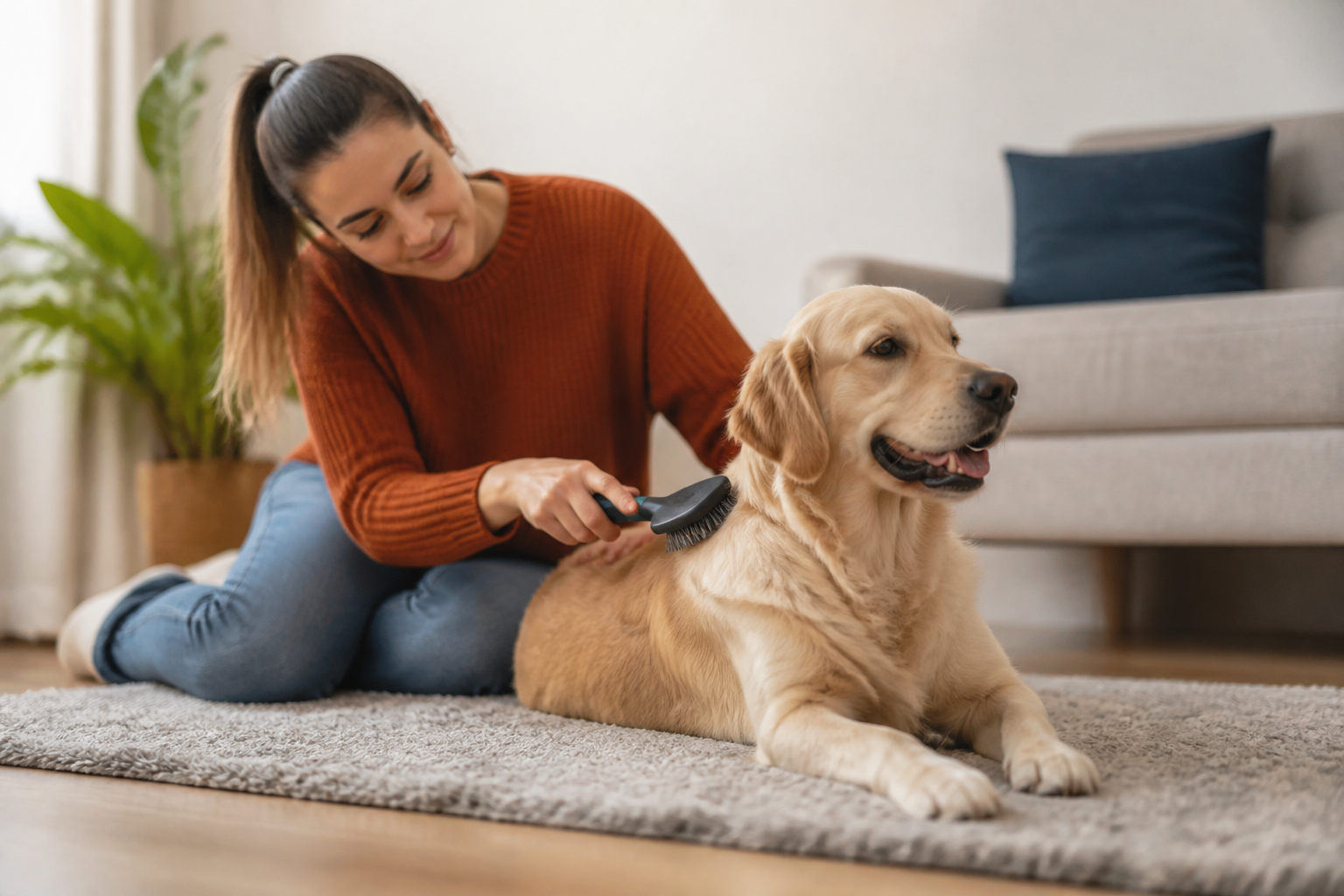
You reach for the grooming kit and the room suddenly goes empty. Your dog has already spotted the metal bristles and vanished under the dining room table or behind the sofa. This is a common scene for many pet owners who want to keep their companions looking sharp but face a wall of resistance. At BaxterBoo, we know that grooming is about more than just aesthetics. It is a vital check-up on skin health and a chance to catch small issues before they become big problems. Getting a reluctant dog to accept a brush takes patience and the right approach. This post covers how to change your dog's perspective on grooming through positive reinforcement and the proper tools. We will show you how to turn a stressful struggle into a bonding moment that your dog actually anticipates.
Understanding Why Your Dog Resists the Brush
Before you can fix the behavior, you must understand the cause. Many dogs develop a fear of brushing because of a previous painful experience. If a brush once caught a deep mat and pulled on the skin, your dog remembers that sharp pinch. They see the brush as a tool of discomfort rather than a massage. Other dogs are simply sensitive to being touched in specific areas. The paws, ears, and belly are vulnerable spots where many animals feel defensive.
Sensitivity can also be a sign of underlying issues. Older dogs might have stiff joints that ache when you move their limbs to reach the undercarriage. Younger puppies often have too much energy to sit still and view the brush as a toy to be chewed. By identifying whether your dog is fearful, painful, or just bored, you can tailor your training to their specific needs.
Quick Answer: The best way to get a dog used to brushing is through desensitization. Start by letting them sniff the brush while offering high-value treats. Gradually move to touching them with the back of the brush before attempting a single, gentle stroke.
Selecting the Right Grooming Tools
Using the wrong brush can make grooming feel like scratching a sunburn. Different coat types require different textures to be effective without causing irritation. We carry a wide variety of our dog grooming supplies that cater to every type of fur from short and sleek to long and double-coated.
Bristle Brushes and Pin Brushes
Bristle brushes are excellent for short-haired breeds. They help distribute natural oils and remove surface debris without digging into the skin. Pin brushes are better for dogs with longer, silkier hair. They have rounded tips that prevent scratching. If your dog is particularly fearful, starting with a very soft bristle brush can help them get used to the sensation of being touched.
Slicker Brushes
Slicker brushes are the workhorses of the grooming world. They have fine wire bristles that are slightly hooked. They are fantastic for removing loose undercoat and breaking up small tangles. However, they can be abrasive if you press too hard. Always test a slicker brush against your own forearm. If it feels scratchy to you, it will likely feel scratchy to your dog. You can compare different options in our dog brushes and combs category.
Grooming Gloves
For the most fearful dogs, a grooming glove is often the best starting point. These fit over your hand like a mitten and have rubber nubs on the palm. Your dog thinks they are just getting a long petting session. This removes the "scary tool" element from the equation while still helping to remove loose hair. Gentle grooming gloves can be a useful starting point for dogs that dislike traditional brushes.
Key Takeaway: Matching the tool to your dog’s coat type and sensitivity level is the first step in reducing grooming anxiety.
The Step-by-Step Desensitization Process
Desensitization means slowly increasing your dog's exposure to the brush until they no longer react. This process cannot be rushed. It may take several days or even weeks depending on how deep the fear runs.
Step 1: Introduction. / Place the brush on the floor next to a handful of high-value treats. Let your dog investigate the brush at their own pace. Every time they sniff it, give them a treat and offer verbal praise.
Step 2: The First Touch. / Hold the brush in your hand. Instead of using the bristles, touch your dog with the smooth back of the brush. Reward them immediately for staying calm. This teaches them that the object itself is not a threat.
Step 3: A Single Stroke. / Turn the brush over. Use very light pressure to make one single stroke along their back or shoulder. Follow this instantly with a treat. Stop after just one stroke. You want to end the session while they are still happy.
Step 4: Increasing Duration. / Gradually increase to two or three strokes. If your dog shows signs of tension, such as a stiff tail or whites of the eyes showing, go back to Step 2. Keep these early sessions under two minutes.
Using High-Value Distractions
Sometimes the best way to get a job done is to make sure your dog is looking the other way. High-value distractions provide a mental focal point that outweighs the sensation of the brush. This is particularly helpful for dogs that are impatient or easily bored.
Lick mats are one of the most effective tools for this. You can spread a bit of dog-safe peanut butter or plain yogurt on the mat and stick it to a wall or the floor. While your dog is focused on getting every last bit of the treat, you can work on their coat. The act of licking is also naturally calming for dogs, which helps lower their overall stress levels.
Puzzle toys like those from Kong are another great option. Stuff a toy with frozen treats to make it last longer. If your dog is busy working for their food, they are less likely to notice you brushing their hind legs or tail. Explore interactive dog toys for food-focused play for another way to keep grooming sessions engaging.
- Use peanut butter that is free from Xylitol.
- Try frozen canned food on a lick mat for a longer-lasting distraction.
- Offer small, pea-sized treats every few seconds if not using a lick mat.
- Keep the most "special" treats specifically for grooming sessions.
Managing Mats and Tangles Humanely
Mats are not just a cosmetic problem. They pull on the skin and can cause sores or trap moisture that leads to infections. However, trying to brush out a tight mat is the fastest way to make a dog hate grooming. If the hair is truly knotted down to the skin, do not try to brush it out.
Use a pair of safety shears or grooming clippers to carefully remove the mat. If you use scissors, always place a comb between the skin and the blades to prevent accidental nicks. If your dog has extensive matting, it is best to see a professional groomer. They can safely shave the mats away and give you a fresh start for your at-home brushing routine. For tools designed for knots, browse our dematting and detangling options.
Vet Tip: If your dog has chronic skin irritation or persistent mats that cause redness, consult your veterinarian. They can check for underlying allergies or skin conditions that might make your dog’s skin extra sensitive to touch.
Addressing Health and Comfort Issues
Sometimes a dog's refusal to be brushed is a medical signal. If your dog was previously fine with grooming but has recently become reactive, they may be in pain. Senior dogs often suffer from arthritis. Being asked to stand on a hard floor or lift a leg can be physically taxing for them.
Skin health also plays a role. If your dog has seasonal allergies, their skin might be inflamed and tender. Our pet pharmacy for dogs offers prescription medications through our pharmacy service. This includes treatments for allergies and joint support that can make the grooming process much more comfortable. If you notice your dog flinching in specific areas, have your vet rule out any physical discomfort before continuing with a training plan.
Key Takeaway: A dog that suddenly resists grooming may be communicating physical pain or skin discomfort that requires a professional medical evaluation.
Creating the Ideal Grooming Environment
Where you brush your dog is just as important as how you brush them. If the floor is slippery, your dog will feel unstable and anxious. Place a non-slip rug or a yoga mat down to give them a secure footing. This is especially important for larger breeds and seniors who need the extra grip.
Choose a quiet time of day when the household is calm. If you try to brush your dog while dinner is being prepared or children are playing nearby, they will be too distracted to relax. Many owners find that brushing after a long walk is the best time. A tired dog is a much more cooperative dog.
- Use a non-slip surface for stability.
- Ensure the lighting is bright so you can see the skin clearly.
- Keep your voice low and soothing throughout the process.
- Have all your tools and treats within arm's reach before you start.
Dealing with Fear and Aggression
If your dog growls, snaps, or bites during brushing, stop immediately. This is a clear sign that the dog has reached their threshold of fear or pain. Forcing the issue will only lead to an injury for you and a deeper trauma for them.
In these cases, you may need to work with a professional positive-reinforcement trainer. They can help you identify the specific triggers and create a safe plan for counter-conditioning. You can also consult your veterinarian about calming supplements or medications that can take the edge off their anxiety while you work on the training.
Vet Tip: Never punish a dog for growling during grooming. The growl is a warning. If you punish the warning, the dog may learn to skip it and go straight to a bite next time. Instead, take a step back and reassess their comfort level.
Maintaining the Routine Long-Term
Consistency is the secret to grooming success. Brushing your dog once a month will always feel like a major event. Brushing them for five minutes every day makes it a mundane part of the schedule. Frequent brushing prevents mats from forming in the first place, which means the sessions stay painless. For regularly used supplies, our Autoship programme can help you maintain a consistent routine.
As your dog becomes more comfortable, you can move from "Touch, Treat, Brush" to longer sessions. Eventually, many dogs grow to enjoy the sensation of the brush and the undivided attention of their owner. By making it a daily habit, you also stay intimately familiar with your dog's body. You will notice new lumps, bumps, or ticks much faster than someone who only brushes their dog occasionally.
Bottom line: Daily five-minute sessions are far more effective and less stressful than one long monthly grooming marathon.
Conclusion
Getting your dog used to being brushed is a journey that requires empathy and consistency. By choosing the right tools, using high-value distractions, and moving at your dog's pace, you can remove the fear from the grooming process. Remember that the goal is a healthy coat and a happy dog. We are here to help you every step of the way at BaxterBoo. Our wide selection of brushes and grooming gloves ensures you have the right gear for the job.
- Start slow and prioritize treats over results.
- Match your brush to your dog's specific coat type.
- Address any underlying pain or skin issues with your vet.
- Keep sessions short and positive.
The best next step for your grooming routine is to check out our Medical and Mobility section if your senior dog needs extra support during grooming, or explore the MVP Rewards programme to earn points on every new brush or lick mat you pick up.
FAQ
What should I do if my dog tries to bite the brush while I am using it?
This usually means your dog thinks the brush is a toy or they are trying to stop a sensation they dislike. Stop the motion immediately and redirect them to a high-value treat or a chew toy. You can also try using a grooming glove to see if the removal of the physical brush helps calm their reaction.
How often do I really need to brush my dog?
For most short-haired dogs, once or twice a week is enough to remove loose hair. Long-haired or double-coated breeds often need daily brushing to prevent mats from forming near the skin. Regular sessions also help reduce the amount of fur that ends up on your furniture and floors.
Can I use human hairbrushes on my dog?
It is generally not recommended. Human brushes are designed for human hair and scalps, which are different from a dog's skin and fur. Dog brushes are built to reach through thick coats or pull away loose undercoat without causing irritation. Using a tool designed for pets will provide better results and a more comfortable experience for your dog.
Why does my dog only hate being brushed in certain spots?
Most dogs have "hot spots" like the belly, tail, or paws where they feel more vulnerable or sensitive. These areas may also have thinner skin or more sensitive nerve endings. Focus your early training on the areas they enjoy, like their back, and very slowly work your way toward the more sensitive regions using plenty of rewards.






