Save 15% on your 1st Autoship learn more

 Email us
 Live Chat
 FAQs
FAQs





Introduction
You hear that familiar gurgle from your dog's stomach. Perhaps the morning walk involved another round of loose stools or excessive gas. You want to help your pup feel better fast. Many owners turn to probiotics to balance digestive health and support the immune system. Giving these supplements correctly is just as important as choosing the right brand. At BaxterBoo, we have helped pet parents navigate wellness choices since 2006. We know that every dog has different preferences when it comes to taking supplements. This post covers the various forms of probiotics available and the best ways to administer them. We will also discuss timing and how to handle doses during antibiotic treatment. Our goal is to help you build a routine that supports your dog's long term wellness.
Choosing the Right Probiotic Form
Before you can give a probiotic, you must choose a format that fits your dog's personality. Some dogs eat anything you put in their bowl. Others act like amateur detectives when they sense a pill. Choosing the right form makes the daily routine much easier for both of you.
Soft Chews and Treats
Soft chews are the most popular option for many owners. Brands like Zesty Paws offer flavored chews that dogs often view as a reward rather than a supplement. These are ideal for dogs who are food motivated. You simply offer the chew as you would any other treat. Because they are premeasured, you do not have to worry about scoops or scales.
Probiotic Powders
Powders offer great flexibility for picky eaters. You can sprinkle them over dry kibble or mix them into wet food. Brands such as NutriSource and Purina FortiFlora are well known for their highly palatable powders. Many of these powders have an animal protein flavor that actually encourages dogs to finish their meals.
Capsules and Tablets
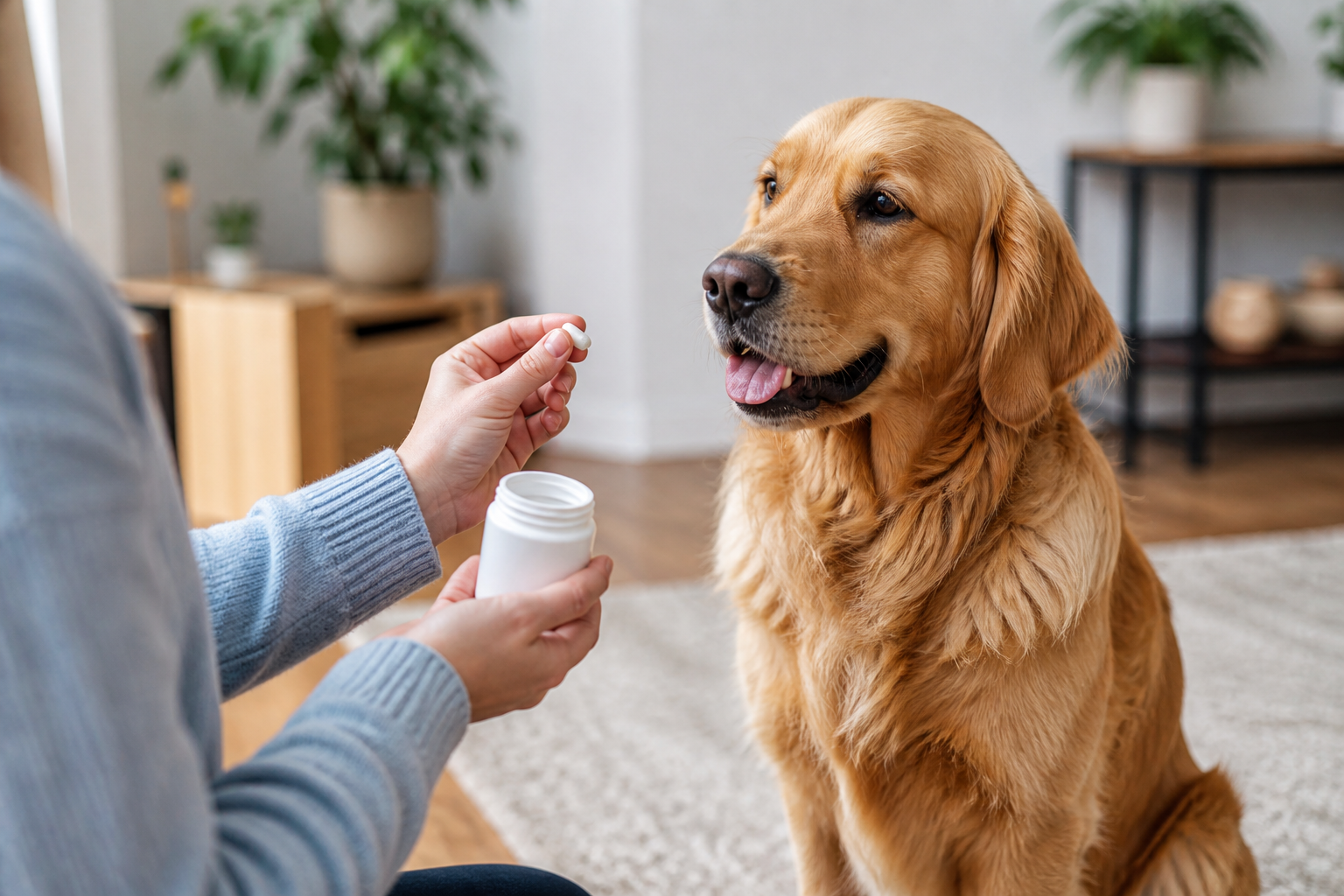
Capsules provide a precise dose and are often the most shelf stable. If your dog is easy to pill, you can place the capsule directly at the back of the throat. If they are more sensitive, you can hide the capsule in a piece of cheese or a specialized pill pocket. Some capsules can be opened and sprinkled onto food, but you must check the label first. Some bacteria are protected by the capsule shell to survive stomach acid.
Liquid and Paste Formulas
Liquids can be pumped directly onto food or into a water bowl if the label allows it. Pastes are often used for acute issues like sudden diarrhea. They usually come in a dial-a-dose syringe. You can place the paste directly into the dog's mouth or smear it on a paw for them to lick off.
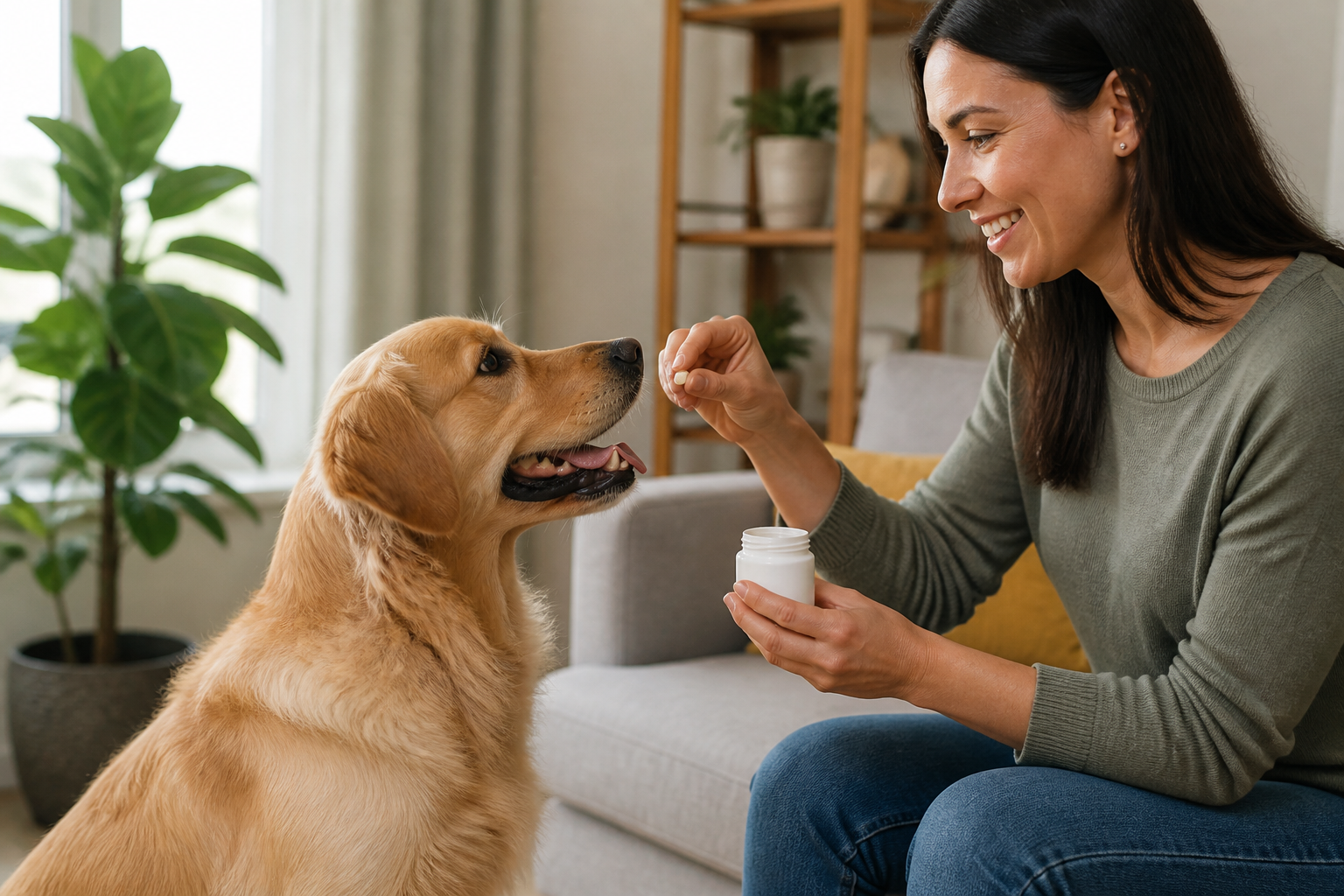
Quick Answer: The best way to give a dog a probiotic depends on the product form. Most powders and chews should be given with a meal to improve taste and consistency. If using capsules, you can hide them in a treat or place them directly in the dog's mouth.
Step-by-Step: How to Give Dog Probiotics
Success with probiotics starts with a calm environment and a clear plan. If you are nervous, your dog will be too. Follow these steps to ensure your dog gets their full dose every time.
Step 1: Read the full product label. / Check for storage requirements like refrigeration and confirm the correct dosage for your dog's weight.
Step 2: Prepare a small portion of food. / If you are mixing in a powder or liquid, use a tablespoon of wet food or a small amount of kibble first. This ensures the dog eats the entire dose before they get full.
Step 3: Administer the probiotic. / Offer the chew as a treat or mix the supplement thoroughly into the small food portion. Avoid using very hot food as high temperatures can kill the live bacteria.
Step 4: Provide the rest of the meal. / Once the dog finishes the portion with the probiotic, give them the remainder of their breakfast or dinner.
Step 5: Observe and record. / Watch your dog for 30 minutes after the dose to ensure they do not vomit or show signs of discomfort. Keep a log of their stool quality and energy levels.
Timing and Consistency
When you give a probiotic is often just as important as how you give it. Consistency helps the beneficial bacteria colonize the gut effectively. Most experts suggest giving the supplement at the same time every day. This creates a predictable environment in the digestive tract.
Morning Versus Evening
There is no definitive proof that morning is better than evening for all dogs. The best time is the one you can remember every single day. If your dog has a sensitive stomach in the morning, a breakfast dose might be best. If they tend to have gas at night, a dinner dose might help. Choose a time and stick to it for at least three to four weeks to see results.
With Food or on an Empty Stomach
Most veterinary guidance suggests giving probiotics with a meal. Food acts as a buffer against stomach acid. This helps more of the live bacteria reach the intestines where they are needed. However, some specific strains or encapsulated products may work differently. Always defer to the instructions on the package.
Vet Tip: If your dog has a history of severe digestive issues or chronic illness, consult your veterinarian before starting a probiotic. They can help you determine the best strain and dose for your dog's specific health needs.
Giving Probiotics During Antibiotic Treatment
Antibiotics are lifesavers, but they are not selective. They kill harmful bacteria along with the good bacteria in the gut. This often leads to antibiotic-associated diarrhea. Using a probiotic can help maintain balance during this time.
You should not give the antibiotic and the probiotic at the exact same moment. If you do, the antibiotic may kill the beneficial bacteria in the supplement before they can do any good. A common rule is to wait at least two hours between the two. For example, if your dog takes their medicine at 8:00 AM, wait until at least 10:00 AM to give the probiotic.
Our pharmacy provides access to FDA-approved medications and prescription diets through our partnership with Pet's Choice. If your dog is on a long-term antibiotic or needs a prescription gut health diet like Farmina Vet Life, our pet pharmacy can help manage those needs. Always follow the specific timing instructions provided by your vet when combining supplements and prescriptions.
Key Takeaway: Always separate antibiotics and probiotics by at least two hours. This prevents the medication from neutralizing the beneficial bacteria in the supplement.
Understanding Probiotic Labels
Not all probiotics are created equal. When you browse the selection at BaxterBoo, you will see various terms on the labels. Understanding these terms helps you give the product more effectively.
- CFUs (Colony Forming Units): This tells you how many live, active bacteria are in each dose. Most dogs need between 1 billion and 10 billion CFUs daily.
- Strains: Look for specific names like Enterococcus faecium or Lactobacillus acidophilus. Different strains help with different issues.
- Expiration Date: Probiotics are living organisms. Using them past the expiration date means you are likely giving dead bacteria that will not help.
- Guaranteed Analysis: This ensures the count of live bacteria is accurate through the end of the shelf life.
Storage Matters
How you store the product affects how you give it. If a probiotic requires refrigeration, you cannot leave it on the counter. Heat and moisture are the enemies of live cultures. Keep the container tightly sealed. If you are using a powder, make sure your hands and measuring scoops are completely dry before touching the product.
Related Reading
For a broader look at when supplements may be useful, read our guide to pet supplements and life-stage nutrition.
Managing Picky Eaters
Some dogs are experts at eating the food and leaving the pill at the bottom of the bowl. If your dog is a master of avoidance, you may need to get creative.
Try using a high-value topper. A small amount of plain, unsweetened canned pumpkin or a spoonful of low-sodium chicken broth can mask the scent of a supplement. For capsules, a small piece of a sardine or a bit of plain cream cheese often works wonders.
If your dog still refuses, consider switching to a different format. A dog that hates pills might love a soft chew from a brand like Honest Paws or Zesty Paws. If they dislike the texture of powder on their dry food, mixing it into a small amount of wet food usually solves the problem.
Bottom line: Success with picky eaters often requires switching to a highly palatable chew or using a strong-smelling food topper to mask the supplement.
Benefits Beyond Digestion
While most people give probiotics for diarrhea or gas, the benefits can reach much further. About 70 percent of a dog's immune system is located in the gut. By keeping the microbiome healthy, you are supporting their overall ability to fight off illness.
Some specific strains have even been linked to mental health. The bacterium Bifidobacterium longum has shown promise in helping dogs with anxiety. It can reduce behaviors like excessive barking or pacing. If you are giving a probiotic for anxiety, you might need to give it for several weeks before you notice a change in behavior.
Probiotics can also support skin and coat health. Dogs with environmental allergies often have an imbalanced microbiome. Adding a daily supplement can sometimes reduce itching and improve the shine of the coat.
Related Reading
For more information about choosing supplements, explore our pet supplement guide.
What to Expect After Starting
Probiotics are not always an instant fix. While some dogs show improvement in stool quality within 24 to 48 hours, others may take longer. It is common to see a slight increase in gas or very mild stomach upset during the first few days. This is usually just the gut adjusting to the new bacterial balance.
If these minor symptoms persist for more than a week, or if your dog develops severe vomiting or diarrhea, stop the supplement. This is the time to call your veterinarian. They can check for underlying issues or suggest a different strain that might be more compatible with your dog's system.
For additional digestive support options, browse our dog digestive health collection.
Summary
Giving your dog probiotics is a simple way to support their digestive and immune health. The key is choosing a form your dog enjoys and staying consistent with the daily routine. Whether you choose a flavored chew or a versatile powder, make sure to give it with food to help the bacteria survive. Remember to separate probiotics from antibiotics by at least two hours.
Monitor your dog's progress by keeping a simple log of their digestion and energy. Most dogs benefit from a daily routine that supports a balanced gut. For any ongoing health concerns or prescription needs, we encourage you to visit our probiotic selection. We are here to provide the tools and guidance you need for a happy, healthy pet.
Key Takeaway: Consistency and correct timing are the foundations of successful probiotic use. Choose a palatable form and stick to a daily schedule for at least a month to see the full benefits.
FAQ
Can I give my dog human probiotics like yogurt?
You can give plain, unsweetened yogurt in small amounts, but it may not be the best choice. Human probiotics often contain different bacterial strains than what dogs need. Additionally, many dogs are lactose intolerant, and some human yogurts contain dangerous sweeteners like xylitol.
How long does it take for probiotics to work?
The timeline depends on the condition you are treating. For acute diarrhea, you might see results in two or three days. For chronic issues like skin allergies or anxiety support, it can take four to six weeks of daily use to see a noticeable difference.
Should I give my dog probiotics every day?
For most dogs, daily use is safe and provides the most benefit. It helps maintain a stable population of good bacteria in the gut. If your dog is healthy and has no digestive issues, your vet might suggest using them only during times of stress or diet changes.
What happens if I miss a dose?
If you miss a dose, give it as soon as you remember. If it is almost time for the next dose, skip the missed one and return to your regular schedule. Do not give two doses at once unless your veterinarian specifically instructs you to do so.