
 Save 15% on your 1st Autoship learn more

 Email us
 Live Chat
 FAQs





Introduction
You are petting your cat when you notice small white flakes scattered across their fur. It might look like a dusting of flour or salt, especially if your cat has a dark coat. While a few flakes are common, a sudden increase in dandruff can leave your cat feeling itchy and uncomfortable. At BaxterBoo, we see this often and know that flaky skin is usually a signal that your cat needs a little extra support. This article explains why these flakes happen and provides practical steps to clear them up. We will look at grooming habits, diet changes, and when it is time to call the veterinarian. By understanding the root cause, you can help your cat regain a soft, healthy, and flake-free coat.
Quick Answer: Help a cat with dandruff by increasing brushing to distribute skin oils, adding omega-3 fatty acids to their diet, and ensuring they stay hydrated with wet food. If the dandruff is accompanied by redness or hair loss, a veterinary visit is necessary to rule out parasites or underlying health conditions.
Understanding the Difference Between Dander and Dandruff
It is easy to confuse cat dander with cat dandruff. However, they are not the same thing. Every cat has dander. It consists of microscopic skin cells that shed naturally as part of the normal skin renewal process. Because these particles are so small, you usually cannot see them with the naked eye. Dander is the primary cause of allergies in humans, but it is a sign of a healthy, functioning body for the cat.
Dandruff is different because it involves visible flakes. When dead skin cells clump together, they become large enough to see on the surface of the fur or on your furniture. While dander is healthy, dandruff is a sign that something is slightly off with the skin's moisture balance or the cat's ability to clean themselves.
Key Takeaway: Dander is a natural, invisible process for all cats. Dandruff consists of visible white flakes that indicate dry skin or a lack of proper grooming.
Cat Skin & Coat Care












Common Causes of Feline Flakes
Identifying why your cat has dandruff is the first step toward fixing it. Several factors can cause the skin to become dry and irritated.
Environmental Factors
Low humidity is one of the most common reasons for dry skin. This is especially true during the winter months when heaters run constantly. Indoor heating strips moisture from the air, which in turn dries out your cat's skin. If you notice the flakes only appear when the temperature drops, the environment is likely the culprit.
Poor Grooming Habits
Cats are famous for their cleanliness. If a cat stops grooming effectively, dead skin cells and natural oils build up on the surface. This often happens in older cats or those with health challenges.
- Obesity: Overweight cats often cannot reach their back or the base of their tail. This is why you frequently see dandruff concentrated in those specific spots.
- Arthritis: If it hurts to bend and twist, a senior cat will stop grooming hard to reach areas.
- Dental Pain: A cat with sore gums or teeth may find the act of licking their fur too painful to continue.
Nutritional Deficiencies
The skin is the largest organ of the body. It requires specific nutrients to stay supple. If a cat’s diet is low in essential fatty acids, the skin barrier weakens. This leads to moisture loss and flaking. Additionally, cats that eat only dry kibble may be slightly dehydrated. Since cats have a low thirst drive, they rely on food for much of their water intake. You can compare moisture-rich options in our cat food category.
Parasites and Infections
External parasites can cause significant skin irritation. Fleas are the usual suspects, but there is also a specific mite called Cheyletiella. This mite is often called walking dandruff because the mites move under the skin flakes, making the flakes appear to move on their own. Fungal infections like ringworm can also cause scaling and hair loss.
Vet Tip: If you see "walking" dandruff or your cat is scratching to the point of breaking the skin, consult your veterinarian immediately. They can perform a skin scraping to identify specific mites or fungi that require prescription treatment through our pet pharmacy.
How to Improve Your Cat’s Grooming Routine
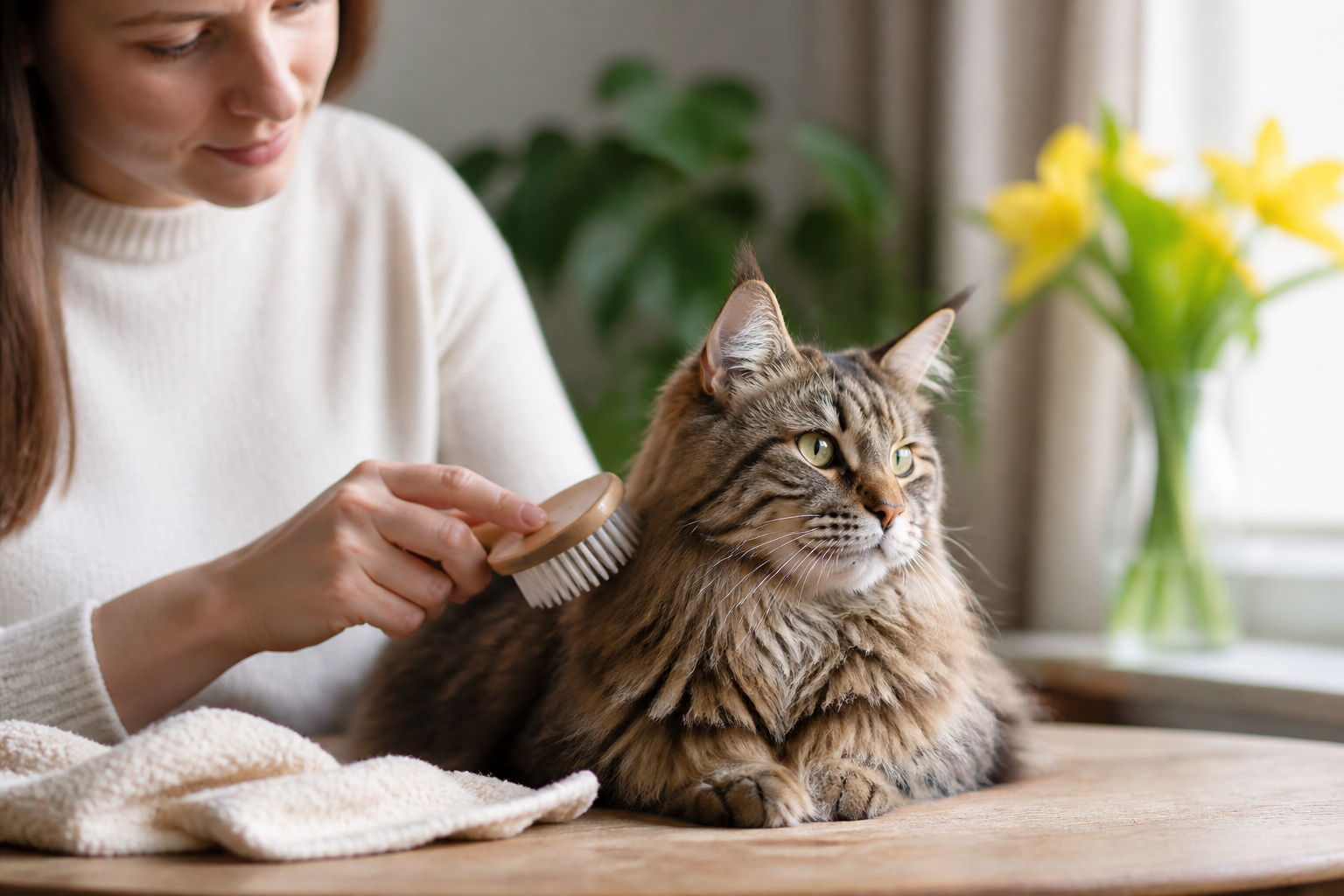
The most immediate way to help a cat with dandruff is to step in and assist with their grooming. Regular brushing does more than just remove loose hair. It stimulates the skin and helps spread natural oils across the entire coat. Our cat grooming supplies include brushes, combs, wipes, and shampoos for different coat-care needs.
Step 1: Choose the right tool. / Use a soft bristle brush or a grooming glove for cats with sensitive skin. For long-haired cats, use a stainless steel comb to reach the undercoat where flakes often hide.
Step 2: Brush in the direction of hair growth. / This feels like a massage and is less likely to irritate the skin. Start with short sessions to help your cat get used to the feeling.
Step 3: Target the hard to reach spots. / Focus on the lower back and the base of the tail. These are the areas where cats often struggle to groom themselves.
Step 4: Wipe away existing flakes. / Use a damp, warm cloth or cat-specific grooming wipes to gently lift flakes off the surface of the fur after brushing.
Regular brushing should happen at least two to three times a week. For senior cats or those with long hair, daily brushing is even better. This routine prevents the buildup of dead skin and allows you to monitor the skin for any redness or sores.
Nutritional Solutions for Healthy Skin
What goes into your cat is just as important as what you do to their fur. A coat that is dull and flaky often needs a boost from the inside. For additional ideas about moisture and specialized formulas, read this guide to veterinary diet food.
The Role of Omega-3 Fatty Acids
Omega-3 fatty acids, specifically EPA and DHA, are vital for skin health. These fats help reduce inflammation and strengthen the skin’s natural moisture barrier. Most high quality cat foods include these, but some cats benefit from a concentrated supplement. Fish oil or krill oil are excellent sources. Options such as skin and coat health supplements can help you compare available products.
Transitioning to Wet Food
Hydration is a major factor in skin elasticity. Many cats live in a state of mild dehydration because they do not drink enough water from a bowl. Mixing wet food into their diet or switching to an all-wet diet can provide the moisture their skin needs. Wet food is typically about 75 percent water, whereas dry kibble is only about 10 percent. Browse our wet cat food selection when looking for moisture-rich meal options.
High Quality Protein
Skin and hair are made primarily of protein. If a cat is not getting enough high quality, animal-based protein, their body will prioritize internal organs over the coat. Look for foods where a specific meat, like chicken or salmon, is the first ingredient. Brands like Farmina and Royal Canin offer specialized formulas that target skin and coat health.
Bottom line: A diet rich in moisture and omega fatty acids is the most effective long term solution for chronic dry skin in cats.
Hydration Strategies Beyond the Bowl
Since dehydration leads to dry skin, getting your cat to drink more is a priority. Cats are naturally suspicious of standing water because, in the wild, still water is often unsafe.
- Try a Water Fountain: The sound and movement of running water entice cats to drink more. Fountains also keep the water filtered and fresh.
- Add "Tuna Juice": A small splash of water from a can of tuna (packed in water, not oil) can make a plain bowl of water much more appealing.
- Multiple Water Stations: Place water bowls in different rooms. Some cats prefer to drink away from their food bowl, as this mimics their natural hunting instincts.
If your cat continues to show signs of dehydration despite these efforts, it could indicate an underlying issue like kidney disease. Our pharmacy carries prescription diets through Pet's Choice that are specifically formulated to support kidney function and hydration levels.
Managing the Home Environment
If the dandruff is caused by dry air, you need to address the atmosphere in your home. This is a common issue in colder climates where indoor heating is used for several months.
Using a humidifier in the rooms where your cat spends the most time can make a massive difference. Aim for a humidity level between 40 and 50 percent. Not only will this help your cat's skin, but it can also reduce static electricity in their fur, which makes petting a more pleasant experience for both of you.
You should also be mindful of the cleaning products you use. Harsh chemicals on floors or bedding can cause contact dermatitis, leading to flaking and redness. We recommend using pet-safe, non-toxic cleaners and scent-free laundry detergents for any blankets your cat uses.
When to Seek Veterinary Care
While most cases of dandruff are related to dry skin or grooming, some require medical intervention. It is important to know when home remedies are not enough.
You should schedule a vet visit if you notice:
- Patches of total hair loss or thinning fur.
- Red, inflamed, or bloody spots on the skin.
- The cat is scratching or biting themselves excessively.
- A foul odor coming from the skin or coat.
- The dandruff is accompanied by weight loss or lethargy.
A veterinarian can perform tests to see if the dandruff is a symptom of a larger problem. For example, hyperthyroidism and diabetes can both cause changes in skin quality. If a medical condition is diagnosed, you can conveniently fill any necessary prescriptions through our cat pharmacy. Working with our partners at Pet's Choice, we provide access to FDA-approved medications and therapeutic diets that require a veterinarian's authorization.
Vet Tip: Never use human dandruff shampoos on a cat. These products often contain ingredients like zinc pyrithione or selenium sulfide, which are toxic to cats if ingested during grooming. Always use products specifically formulated for felines.
Bathing a Cat with Dandruff: Is It Necessary?
Most cats do not need regular baths. In fact, bathing a cat too often can strip away the natural oils they need, making the dandruff worse. However, if your cat has a greasy form of dandruff or has stopped grooming entirely, a therapeutic bath might help.
If you must bathe your cat, use a gentle, soap-free oatmeal shampoo. Oatmeal is excellent for soothing itchy skin and locking in moisture. Ensure you rinse the cat thoroughly. Any soap residue left on the skin will cause further irritation and flaking once it dries. If your cat finds water terrifying, consider using waterless foam shampoos that you can massage into the coat and towel off.
The Role of Parasite Prevention
Even indoor cats are at risk for parasites that cause skin issues. Fleas can hitch a ride into your home on your clothes or other pets. A single flea bite can cause an allergic reaction known as flea allergy dermatitis, which results in intense itching and flaky skin.
Consistency is the most important part of parasite control. Using a monthly preventive ensures that your cat's skin barrier isn't constantly under attack from biting insects. We carry a variety of flea and tick solutions, including topicals and collars. Explore our cat flea and tick collection for available prevention options.
For more guidance on choosing a preventive, read our flea and tick prevention guide. For prescription-strength preventives, our pharmacy can coordinate with your vet to get your cat the protection they need.
Helping Your Senior Cat Stay Flake-Free
Aging brings changes to a cat's skin and coat. Senior cats often have thinner skin that produces less oil. They may also have mobility issues that prevent them from reaching their back.
To help a senior cat:
- Use a very soft brush to avoid hurting their thinner skin.
- Provide heated beds to help soothe arthritic joints, making it easier for them to move and groom.
- Place food and water bowls in easily accessible areas so they do not have to travel far or climb stairs.
- Consider joint supplements like Cosequin or Honest Paws to improve their flexibility.
When a senior cat feels better physically, they are more likely to keep up with their own grooming. If they still struggle, a professional grooming session every few months can help manage the undercoat and keep the skin healthy.
Summary of Action Steps
Managing cat dandruff is a multi-step process that involves looking at the environment, the bowl, and the brush. By making small changes, you can see a significant improvement in your cat's coat quality within a few weeks.
- Increase Brushing: Assist your cat by brushing two to three times weekly.
- Boost Omegas: Add a high quality fish oil supplement to their daily meal.
- Hydrate: Incorporate wet food and ensure fresh water is always available via a fountain.
- Control the Air: Use a humidifier during the dry winter months.
- Prevent Parasites: Stay consistent with flea and tick prevention year-round.
- Consult the Vet: If you see sores, hair loss, or if the dandruff persists despite home care.
Key Takeaway: Feline dandruff is usually a manageable condition caused by dry air or a lack of grooming, but it requires a consistent routine to resolve.
Conclusion
Helping a cat with dandruff is a rewarding way to improve your pet's daily comfort. Whether the flakes are caused by a dry winter or a senior cat's struggle to reach their back, the solutions are often simple and effective. By focusing on regular grooming, proper hydration, and high-quality nutrition, you can restore that healthy shine to your cat's fur. At BaxterBoo, we are committed to helping you find the right tools, from specialty brushes to omega-3 supplements. If your cat’s skin issues require a more clinical approach, our pharmacy and Pet's Choice partnership are here to provide the prescription diets and medications your veterinarian recommends. Don't forget to sign up for our MVP Rewards programme to earn points on every purchase as you care for your cat's health.
FAQ
Can I use human lotion on my cat's dry skin?
No, you should never use human lotions or moisturizers on your cat. Many of these products contain chemicals, fragrances, or essential oils that are toxic to cats if they lick them off. If your cat needs topical moisture, use a product specifically designed for feline skin or consult your vet about safe options like pure coconut oil in very small amounts.
How long does it take for cat dandruff to go away?
If the cause is environmental or nutritional, you should see an improvement within two to four weeks of starting a new routine. Skin cells take time to regenerate, and supplements like omega-3s need time to build up in the system. If you do not see a change after a month of consistent care, it is time to visit the vet to check for underlying health issues.
Is cat dandruff contagious to humans?
Standard dandruff caused by dry skin is not contagious. However, if the "dandruff" is actually caused by parasites like Cheyletiella mites (walking dandruff) or a fungal infection like ringworm, these can be passed to humans and other pets. If you or other family members develop itchy red spots at the same time your cat has flakes, seek medical and veterinary advice immediately.
Does brushing my cat more often make dandruff worse?
Brushing actually helps by removing dead skin and spreading natural oils. However, if you use a brush that is too stiff or if you scrub too hard, you can irritate the skin and cause more flaking. Always use a gentle touch and the correct type of brush for your cat's coat length to ensure the experience is helpful rather than harmful.






- Site & Contents BaxterBoo.com. BaxterBoo is located in the United States.
- Privacy & Security
- Terms of Use
- Accessibility Statement
