Save 15% on your 1st Autoship learn more

 Email us
 Live Chat
 FAQs
FAQs





Introduction
You are relaxing on the sofa with your cat when you notice a dusting of white specks along their lower back. As you run your hand down their fur, more flakes appear. It looks like a miniature snowstorm has settled on your pet. This is a common sight for many cat owners, but it can be frustrating to manage. While a few flakes might seem like a simple grooming issue, they often signal something deeper about your cat's skin health or internal wellness.
At BaxterBoo, we talk to cat owners every day who are looking for ways to keep their pets comfortable and their coats shiny. Managing feline dandruff requires a mix of the right tools, proper nutrition, and sometimes a bit of medical insight. This post covers why these flakes happen and what you can do at home to help. We will also discuss when it is time to move beyond the brush and consult a professional.
Quick Answer: Help your cat with dandruff by increasing grooming frequency, adding Omega-3 fatty acids to their diet, and using a humidifier in dry weather. If flakes are accompanied by redness, itching, or weight loss, a veterinary visit is necessary to rule out underlying health conditions.
Understanding Feline Dandruff versus Dander
Many people use the terms dander and dandruff interchangeably. However, they are not the same thing. Every cat produces dander. It consists of microscopic skin cells that shed naturally as part of the skin's renewal process. You cannot see dander with the naked eye, but it is the primary carrier for the proteins that cause human allergies.
Dandruff is different because it is visible. These are larger clumps of dead skin cells that have scaled off the surface. If you see white flakes on your cat's fur, you are looking at dandruff. This usually happens when the skin is too dry or too oily. It can also occur when the natural shedding process is interrupted by illness or environmental stress.
There is also a specific parasite known as Cheyletiella mites. These are often called walking dandruff. These tiny white mites move around under the skin scales, making the dandruff appear to move on its own. This is a highly contagious condition that requires specific medical treatment.
Key Takeaway: Normal dander is invisible to the human eye. Visible white flakes are dandruff and often indicate a need for changes in grooming, diet, or medical care.
Common Causes of Flaky Skin in Cats
The first step in helping your cat is identifying why the flakes are appearing. Several factors can disrupt the health of a cat's skin.
Poor Grooming Habits
Cats are famous for their cleanliness. They spend a large portion of their waking hours grooming. This process removes dead skin and distributes natural oils across the coat. If a cat stops grooming, dandruff builds up quickly.
This lack of grooming often happens in senior cats. Arthritis can make it painful for them to twist and reach their lower back or the base of their tail. Obesity is another major factor. If a cat is overweight, they simply cannot reach certain areas of their body. You will often see a thick strip of dandruff and matted fur right down the center of an overweight cat's back.
Environmental Factors
The air inside your home plays a huge role in skin health. During the winter, indoor heating systems strip moisture from the air. This dry environment causes the skin to lose hydration. The skin becomes brittle and starts to flake. This is especially common in cats that spend a lot of time lounging near heat vents or radiators.
Nutritional Deficiencies
Healthy skin requires specific building blocks. If a cat's diet is low in essential fatty acids, their skin barrier weakens. Omega-3 and Omega-6 fatty acids are crucial for maintaining moisture. We often see dandruff in cats that are fed low-quality kibble or diets that are not properly balanced for their life stage.
Medical Conditions
Sometimes dandruff is a secondary symptom of a systemic health issue. Conditions like hyperthyroidism, diabetes, and kidney disease can all affect the quality of a cat's coat. Allergic reactions to food or environmental triggers like pollen can also cause skin inflammation and flaking.
Vet Tip: If your cat has dandruff along with a change in thirst, appetite, or litter box habits, schedule a checkup. These can be signs of metabolic issues like diabetes or hyperthyroidism that require professional diagnosis.
The Role of Hydration and Diet
Skin health starts from the inside out. If your cat is chronically dehydrated, their skin will be one of the first places you notice the effects. Cats have a low thirst drive. In the wild, they get most of their moisture from their prey.
If your cat eats only dry kibble, they may not be drinking enough water to compensate. You can help by adding wet food to their daily routine. This provides a significant boost in hydration. Some cats are also picky about their water source. Using a circulating water fountain can encourage them to drink more frequently than a stagnant bowl.
Essential Supplements
If a balanced diet is not enough, supplements can make a big difference. Omega-3 fatty acids from fish oil are excellent for skin health. These fats help to calm inflammation and strengthen the skin's moisture barrier. Brands like Zesty Paws or Honest Paws offer targeted supplements that are easy to mix into food.
When choosing a supplement, look for high-quality sources of EPA and DHA. These are the specific types of Omega-3s that cats can use most effectively. Always start with a small amount to ensure it does not upset your cat's stomach.
Managing Weight for Better Grooming
As we mentioned, obesity is a leading cause of dandruff because it prevents self-grooming. If your cat is carrying extra weight, helping them slim down is a long-term solution for their skin. We carry specialized weight management formulas at BaxterBoo, such as the Farmina Vet Life range. These diets are designed to keep cats feeling full while reducing their calorie intake.
For additional guidance, read our tips for helping an indoor cat lose weight.
Practical Grooming Techniques
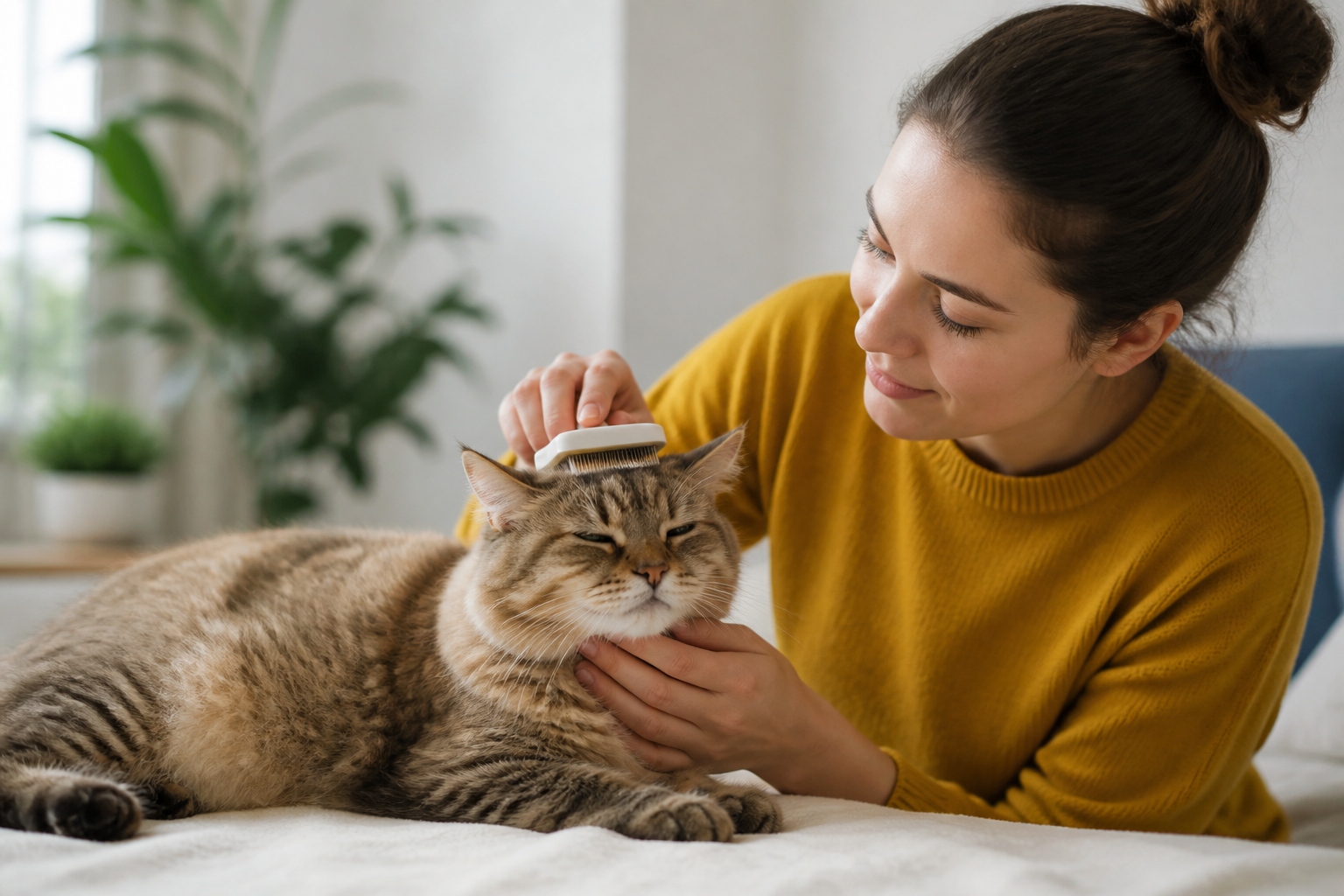
When your cat cannot manage the flakes on their own, you need to step in. A regular grooming routine does more than just remove flakes. It stimulates blood flow to the skin and helps spread the natural oils that protect the fur.
Choosing the Right Tools
Not all brushes are created equal. For dandruff, you want a tool that can reach through the fur to the skin without being abrasive. Our cat grooming collection includes brushes, combs, wipes, and other coat-care supplies.
- Slicker Brushes: These have fine wire bristles. They are excellent for removing loose undercoat and breaking up small mats.
- Rubber Curry Brushes: These are great for cats with short hair. The rubber nubs massage the skin and grab onto loose flakes and fur.
- Fine-Toothed Combs: A metal greyhound comb or a flea comb is perfect for lifting dandruff away from the skin surface once it has been loosened.
How to Brush for Dandruff Removal
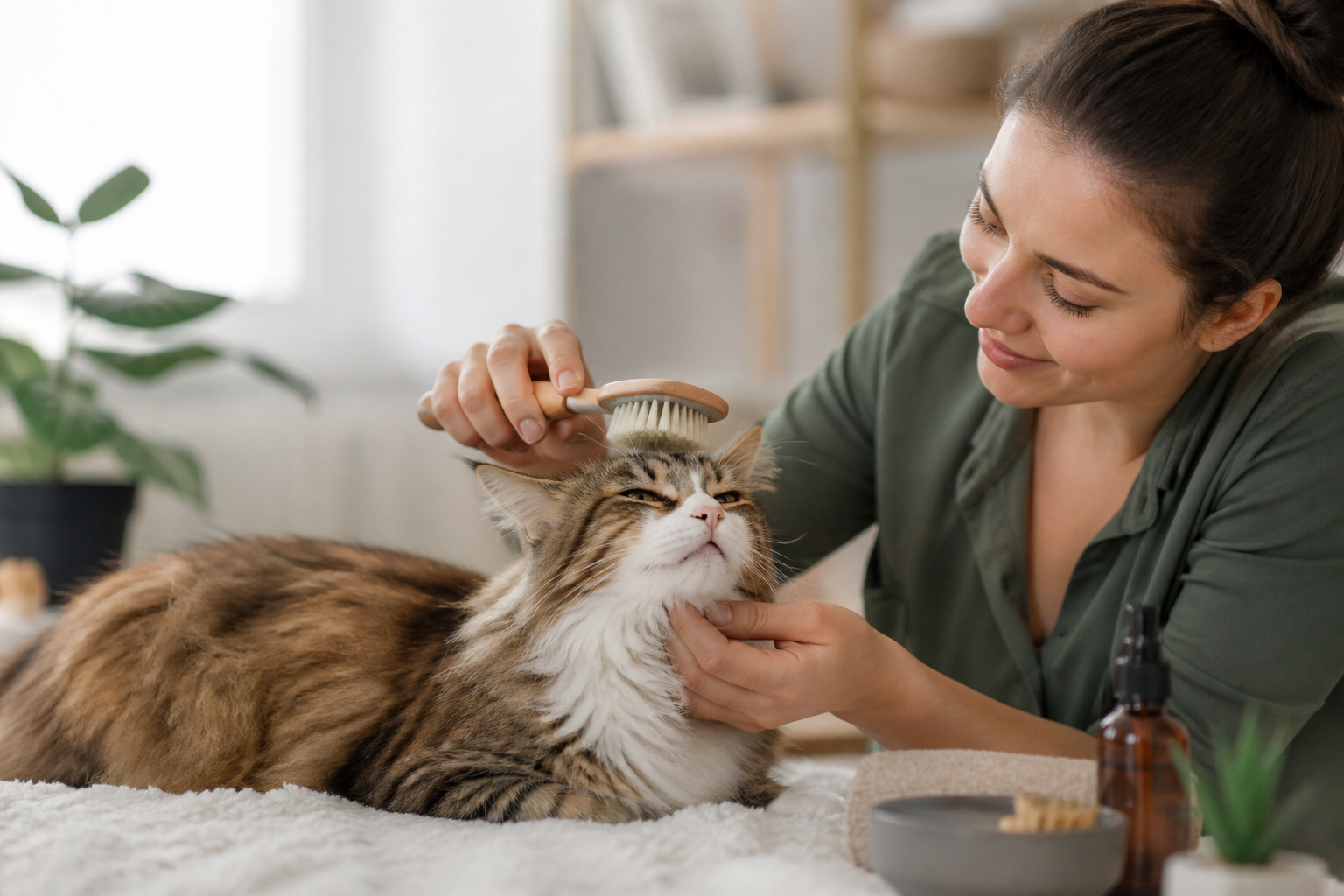
Step 1: Start with a gentle massage. Use your hands or a rubber brush to loosen the hair and skin. Focus on the areas where flakes are most visible.
Step 2: Use a slicker brush or comb in the direction of hair growth. Work in short, gentle strokes. Do not press too hard against the skin.
Step 3: Pay special attention to the base of the tail and the lower back. These are the "high-flake" zones for most cats.
Step 4: Wipe the coat down with a damp cloth or a pet-safe grooming wipe. This picks up the loose flakes you have brought to the surface.
Key Takeaway: Consistency is more important than duration. Brushing for five minutes every day is much more effective for dandruff control than one long session once a month.
For more coat-care ideas, see this guide to grooming cats and managing shedding.
Environmental Adjustments
If your home feels like a desert, your cat's skin will feel it too. You can combat dry air by using a humidifier. Placing a small humidifier in the room where your cat spends the most time can significantly improve their skin hydration. Aim for a humidity level between 40% and 50%.
You should also keep an eye on where your cat sleeps. If they love the warm air from a vent, try moving their bed a few feet away. This allows them to stay warm without the direct flow of dry air hitting their skin and fur.
Flea and Tick Prevention
External parasites are a common cause of skin irritation. Fleas are the most frequent culprit. Even if you do not see fleas, your cat could have a flea bite allergy. A single bite can cause a massive inflammatory response, leading to scratching, hair loss, and dandruff.
It is a common myth that indoor cats do not need flea protection. Fleas can hitch a ride into your home on your clothes or other pets. Using a consistent monthly preventative is essential for skin health. Our cat flea and tick collection includes products designed to help protect cats from these pests.
Vet Tip: Check for "flea dirt" while brushing. These are small black specks that turn red when placed on a wet paper towel. If you find flea dirt, your cat needs a flea treatment regardless of whether you see live bugs.
The Role of Professional Care and the Pharmacy
Sometimes, home remedies are not enough. If your cat's dandruff is persistent, it might be tied to a condition that requires medication or a prescription diet. This is where our partnership with Pet's Choice comes in.
The BaxterBoo Pharmacy provides access to FDA-approved medications and prescription pet foods. If your veterinarian determines that your cat's skin issues are caused by an underlying illness like hyperthyroidism or a severe allergy, they may prescribe a specific treatment plan.
Prescription Diets
In cases of severe food allergies, a limited ingredient or hydrolyzed protein diet might be necessary. These foods are formulated to prevent the immune system from overreacting. Prescription diets from brands like Royal Canin or Farmina Vet Life are often the gold standard for managing chronic skin conditions.
Medical Treatments
For issues like walking dandruff (mites) or fungal infections like ringworm, over-the-counter shampoos will not work. These require anti-parasitic or anti-fungal medications. You can easily fulfill these prescriptions through our pharmacy. We focus on making it simple to get the medications your cat needs to feel better.
Bottom line: Persistent or severe dandruff often requires a veterinary diagnosis and may be managed through prescription diets or medications from a trusted pharmacy.
Should You Bathe a Cat with Dandruff?
The short answer for most cats is no. Unless your veterinarian has prescribed a medicated bath for a specific infection, bathing usually does more harm than good. Water and shampoo can strip away the very oils your cat's skin needs to stay hydrated.
Furthermore, the stress of a bath can actually make dandruff worse. Stress causes a physiological response in cats that often leads to a sudden "shedding" of skin cells. If your cat is greasy as well as flaky, waterless grooming products are a much better option. These products allow you to clean the fur and skin without the stress of a full bath.
When a Bath is Necessary
If a bath is required, follow these steps to minimize skin irritation:
- Use lukewarm water, never hot.
- Select a moisturizing, soap-free shampoo specifically for cats.
- Never use human dandruff shampoo. These contain chemicals like zinc pyrithione which can be toxic to cats if they lick their fur.
- Rinse the coat thoroughly. Any leftover soap residue will cause more itching and flaking.
Managing Stress-Related Dandruff
Cats are sensitive creatures. Changes in their environment can lead to stress, which often manifests physically. A move to a new house, the addition of a new pet, or even a change in your work schedule can trigger skin issues.
When a cat is stressed, their body's resources are diverted away from "non-essential" functions like skin maintenance. You might notice a sudden flare-up of dandruff during a vet visit or when visitors are in the house. This is sometimes called "stress flaking."
You can help manage this by providing a stable environment. Use Feliway calming products to create a calming atmosphere. Ensure your cat has plenty of vertical space and quiet hiding spots. If the stress is chronic, consult your vet about calming supplements or medications available through our pharmacy.
Monitoring Progress and Next Steps
Once you start a new routine, be patient. Skin cells take time to turn over. You likely will not see a total disappearance of flakes overnight. It usually takes three to four weeks of consistent brushing and improved nutrition to see a visible change in the coat.
Keep a log of any changes you notice. Is the dandruff moving to different parts of the body? Is your cat scratching more or less? This information is incredibly helpful if you eventually need to visit the vet.
Checklist for Success
- Brush your cat for 5 minutes daily.
- Add a high-quality Omega-3 supplement to their meals.
- Switch to a water fountain to increase hydration.
- Run a humidifier during the winter months.
- Keep up with monthly flea and tick preventatives.
Key Takeaway: Improving cat dandruff is a marathon, not a sprint. Consistency in grooming and nutrition is the most effective way to see long-term results.
Summary of Care
Dealing with cat dandruff is about more than just aesthetics. It is about making sure your cat feels comfortable in their own skin. By addressing the root causes—whether they are environmental, nutritional, or medical—you can help your feline friend return to their glossy, flake-free self.
Start by assessing your cat's current diet and grooming access. If they are struggling to reach certain spots, help them out with a high-quality brush. If the skin seems dry, consider adding a supplement. Most importantly, do not ignore the signs of a larger problem. If the flakes do not go away or if your cat seems unwell, your veterinarian is your best resource for a path forward.
At BaxterBoo, we are here to support you through every stage of your pet's life. From grooming tools to the specialized support of our pharmacy and Pet's Choice partnership, we have the resources you need to keep your cat healthy.
Bottom line: Most cases of cat dandruff can be managed with better grooming and nutrition, but always consult a vet for persistent or severe skin issues.
FAQ
Is cat dandruff the same as human dandruff?
While both involve flaking skin, the causes and treatments differ significantly. Human dandruff is often caused by a yeast-like fungus, whereas cat dandruff is usually tied to grooming habits, diet, or environmental dryness. You should never use human dandruff shampoos on a cat, as they often contain ingredients that are toxic to felines.
Can I use coconut oil on my cat's dandruff?
You can use a tiny amount of organic, cold-pressed coconut oil as a topical treatment or a food topper, but it is not a cure-all. When applied to the fur, it may actually cause the cat to groom excessively, which can irritate the skin further. It is generally more effective to address the issue from the inside out with Omega-3 supplements.
Why does my cat only have dandruff at the base of their tail?
The base of the tail and the lower back are the most common spots for dandruff because they are the hardest areas for a cat to reach. If a cat has any mobility issues, such as arthritis or being overweight, they will stop grooming these areas first. This leads to a buildup of dead skin cells and natural oils that eventually flake off.
When should I be worried about my cat's dandruff?
You should consult a veterinarian if the dandruff is accompanied by red skin, open sores, or intense itching. Additionally, if your cat is losing hair in patches or showing changes in their behavior—like lethargy or a loss of appetite—the dandruff could be a sign of a more serious internal health condition. Regular checkups help catch these issues early.