Save 15% on your 1st Autoship learn more

 Email us
 Live Chat
 FAQs
FAQs





Introduction
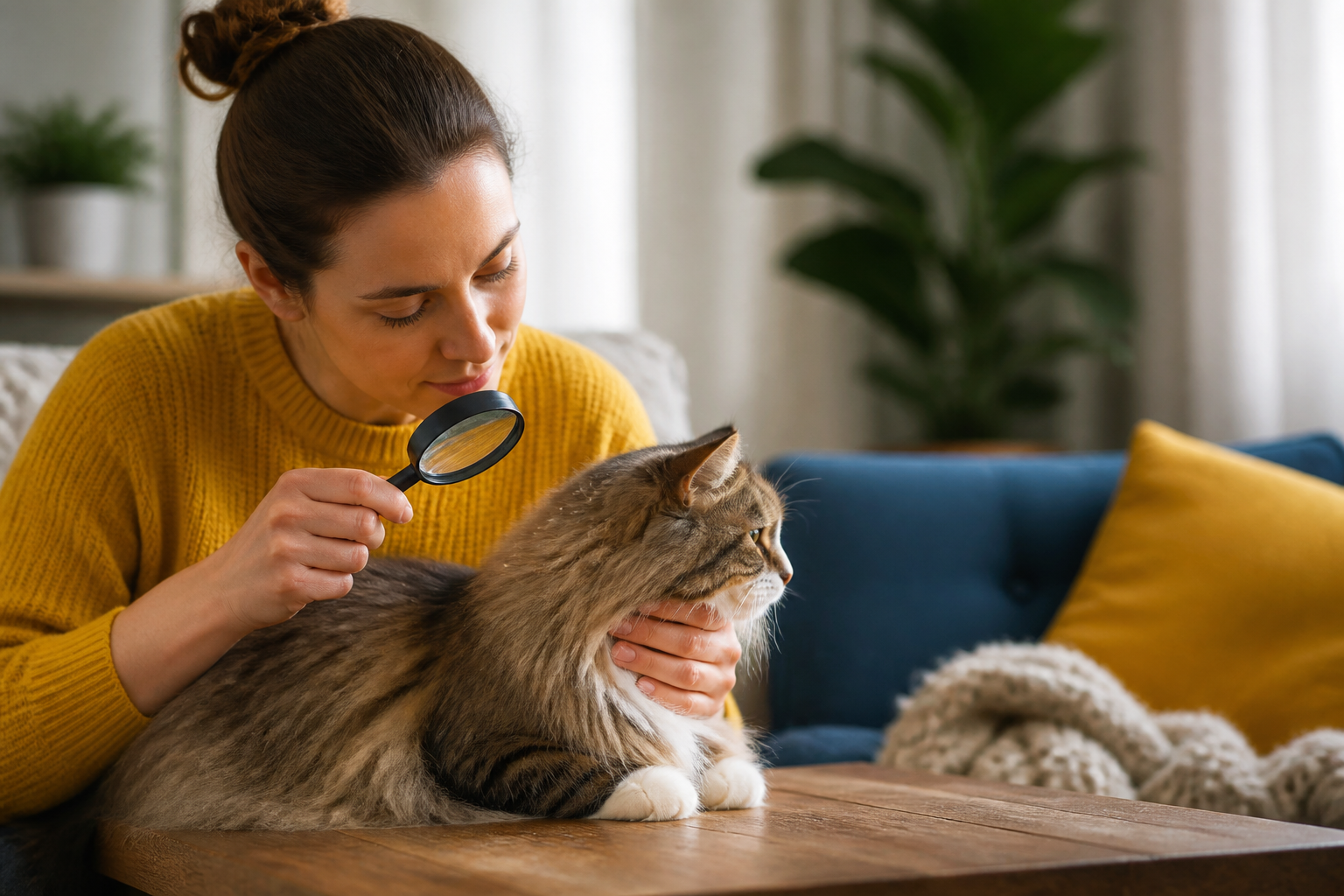
You are relaxing on the sofa with your favorite feline when you notice something unusual. As you stroke their glossy coat, a scattering of white, flaky specks appears along their lower back. It looks like a dusting of powdered sugar, but it does not brush away easily. This is a common sight for many pet owners, yet it often leads to questions about skin health and comfort. At BaxterBoo, we know that a healthy coat is more than just a cosmetic concern. It is a reflection of your cat's internal wellness. While a few flakes might seem minor, they can signal anything from dry winter air to underlying medical conditions. This article will help you identify the causes of cat hair dandruff, explain when a vet visit is necessary, and offer practical steps to restore your cat's skin health.
Quick Answer: Cat hair dandruff consists of visible skin flakes caused by dead skin cells accumulating on the fur. It is often triggered by environmental dryness, poor nutrition, or health issues like obesity and arthritis that prevent proper grooming.
Understanding Cat Hair Dandruff
The medical term for flaky skin is seborrhea. In cats, this condition occurs when the sebaceous glands produce too much oil or when the skin cells turn over too quickly. These dead cells clump together and become visible to the naked eye. You will most often see these flakes near the base of the tail or along the spine. These are the areas where it is hardest for a cat to reach during their daily cleaning routine.
It is important to distinguish between different types of flakes. Some cats have dry seborrhea, which results in the classic white, dusty flakes. Others may have oily seborrhea. This version looks like greasy, yellowish scales that might have a slight odor. Both types indicate that the skin barrier is not functioning as it should.
Dandruff vs. Dander
Many people use these terms interchangeably, but they are different. Dander consists of microscopic skin cells that all healthy cats shed naturally. You cannot see dander without a microscope. It is the protein in dander and saliva that typically triggers human allergies.
Dandruff is a different story. It is visible, larger, and usually indicates a disruption in skin health. While every cat has dander, not every cat should have dandruff. If you can see the flakes, it is time to look closer at their environment and health.
Common Causes of Flaky Skin in Cats
Finding flakes in the fur is a symptom, not a specific disease. To clear up the skin, you must identify what is causing the irritation.
Environmental Factors
Low humidity is a frequent culprit, especially during the winter months. When you turn on the heater, the air inside your home becomes very dry. This saps moisture from your cat's skin. Over time, the skin becomes brittle and starts to flake off. This is why many owners notice a seasonal spike in cat hair dandruff.
Nutritional Deficiencies
A cat's skin and coat require specific nutrients to stay supple. Omega-3 and omega-6 fatty acids are essential for maintaining the moisture barrier of the skin. If a diet is low in high-quality fats or proteins, the coat is often the first thing to suffer. We carry several brands like Stella and Chewy's or The Honest Kitchen that focus on nutrient-dense ingredients to support overall skin health.
Difficulty Grooming
Cats are meticulous groomers. They spend a large portion of their day cleaning themselves. If a cat stops grooming, dead skin cells and loose hair build up quickly. This often happens in senior cats who suffer from arthritis. The pain of twisting and reaching makes it hard for them to clean their back. Obesity is another major factor. If a cat is overweight, they simply cannot reach certain parts of their body.
Key Takeaway: Cat hair dandruff is a visible sign of skin irritation or a lack of grooming. Environmental dryness and poor nutrition are the most common non-medical triggers.
When Cat Hair Dandruff Signals a Medical Issue
While dry air is a common cause, dandruff can also be a red flag for more serious health problems. It is vital to monitor your cat for other symptoms that might accompany the flakes.
Parasites and Fungal Infections
Fleas and mites can cause significant skin irritation. One specific parasite, the Cheyletiella mite, is often called walking dandruff. These mites are large enough to be seen with a magnifying glass. As they move under the skin scales, it looks like the dandruff itself is moving. This requires specific medical treatment to eliminate the infestation.
Ringworm is another possibility. This is a fungal infection that causes circular patches of hair loss and flaky skin. Because ringworm is zoonotic, meaning it can spread to humans, it requires immediate veterinary attention.
Systemic Health Conditions
Internal health often shows up on the outside. Conditions like hyperthyroidism, diabetes, and kidney disease can all change the texture of a cat's skin. These diseases often lead to dehydration or changes in metabolism that result in a dull, flaky coat.
Vet Tip: If your cat's dandruff is accompanied by increased thirst, changes in appetite, hair loss, or lethargy, please schedule a veterinary exam. These can be signs of systemic issues like diabetes or thyroid disease that require a professional diagnosis.
How Our Pharmacy Supports Skin Health
When a veterinarian determines that your cat's dandruff is caused by a medical condition, they may prescribe specialized treatments. Our BaxterBoo pharmacy offers a convenient way to access these essential medications through our partnership with Pet's Choice.
We carry FDA-approved medications for a variety of conditions that impact the skin. This includes treatments for allergies, hormonal imbalances, and persistent skin infections. We also offer prescription pet foods like Farmina Vet Life, which are specifically formulated to manage health conditions that might manifest as skin problems. Having access to a real pharmacy ensures you get the exact medication your vet recommended with the convenience of home delivery.
Prescription Diets
In cases of severe food allergies or sensitivities, a vet may recommend a hydrolyzed protein diet or a novel protein source. These diets reduce the immune system's reaction, which in turn calms the skin. Our pharmacy allows you to fulfill these prescriptions easily, ensuring your cat stays on their required nutritional path.
Practical Steps for Managing Dandruff at Home
If your vet has ruled out serious illness, you can take several steps to improve your cat's skin quality at home. These methods focus on adding moisture and helping with the grooming process.
Improve the Environment
Adding moisture to the air is a simple but effective fix for seasonal dandruff. A humidifier in the room where your cat spends the most time can prevent their skin from drying out. You should also ensure your cat stays hydrated. Some cats prefer running water, so a pet fountain can encourage them to drink more. Adding wet food to their diet is another great way to increase their daily water intake.
For more ideas about encouraging cats to drink, explore these cat hydration tips.
Step-by-Step Grooming Routine
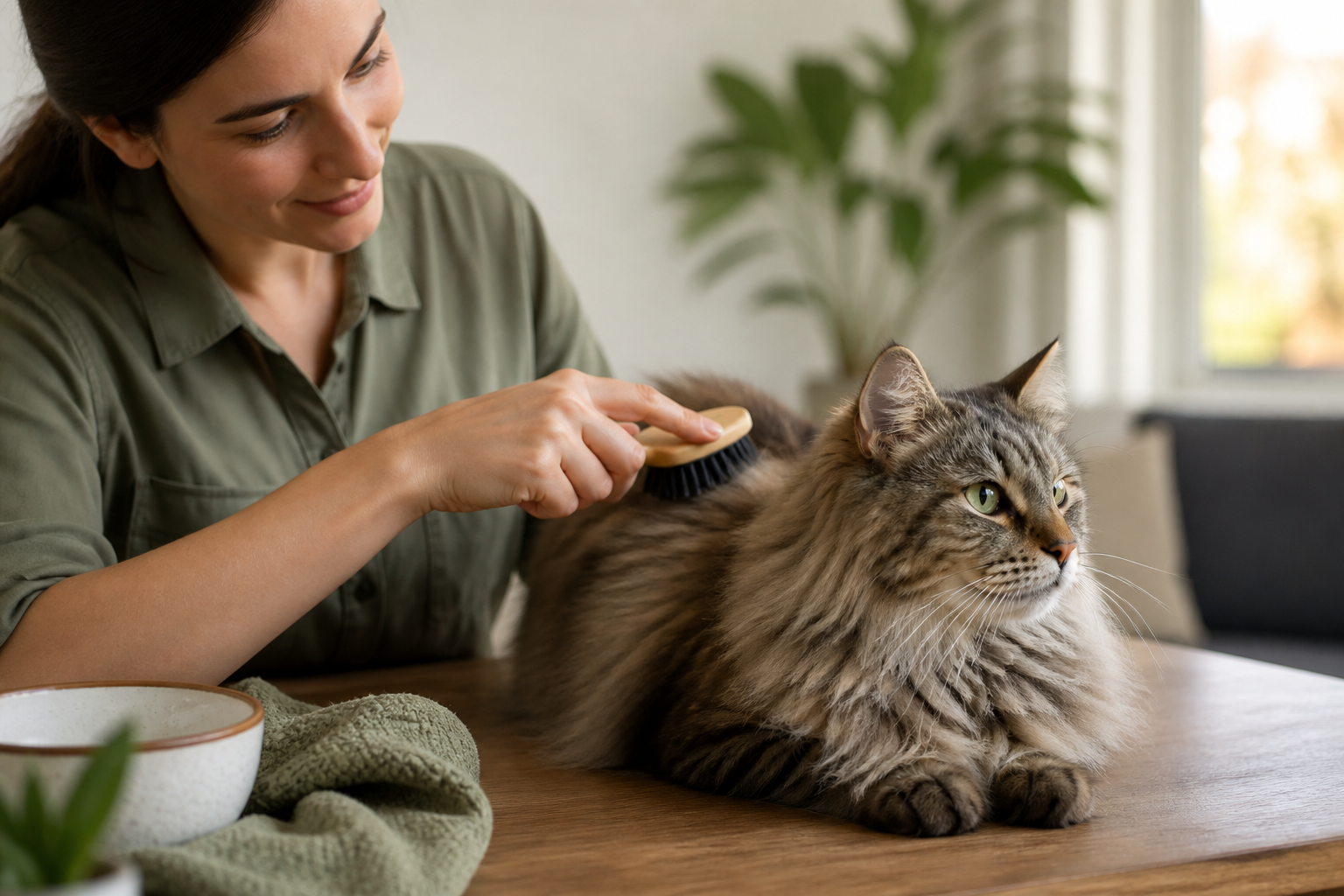
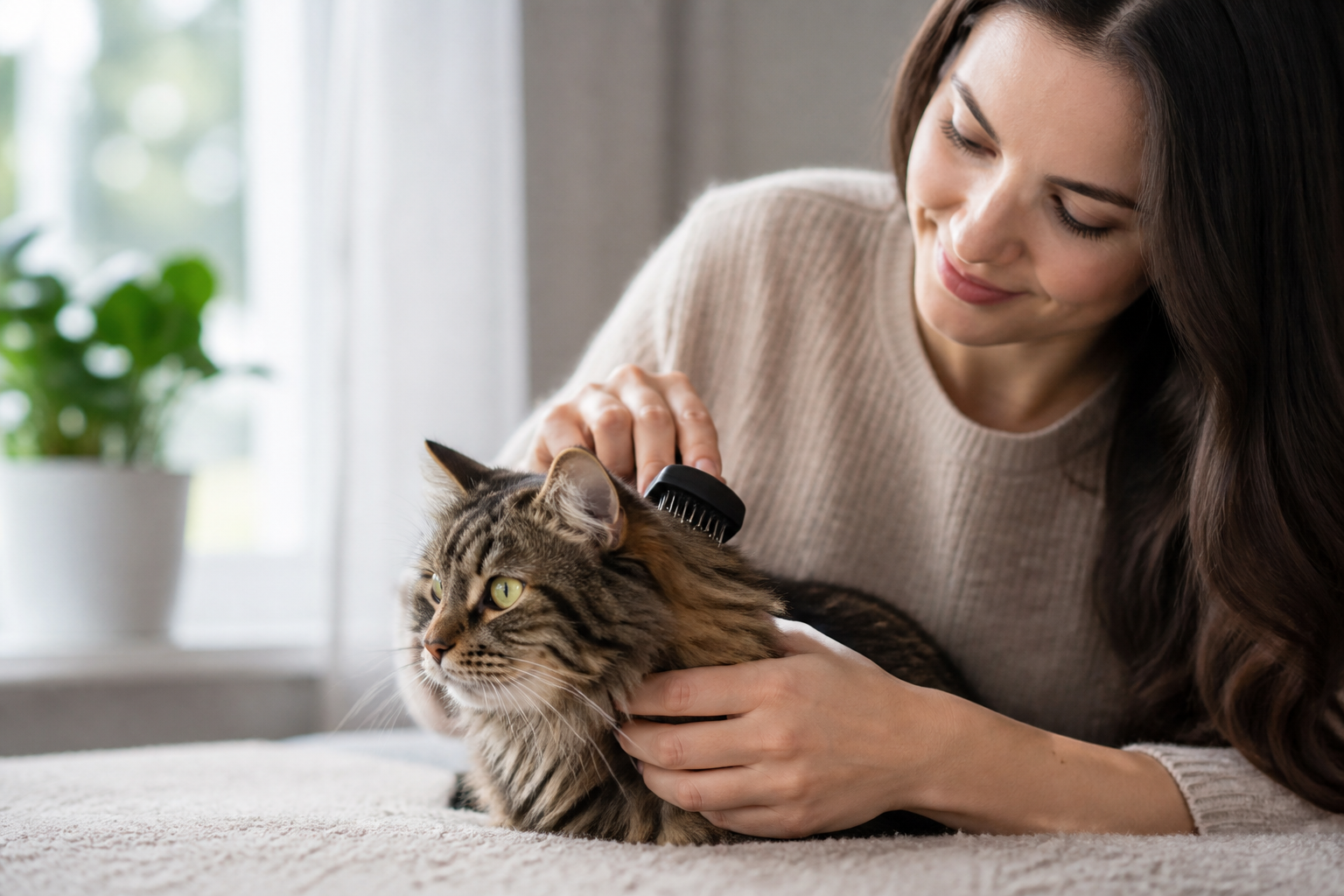
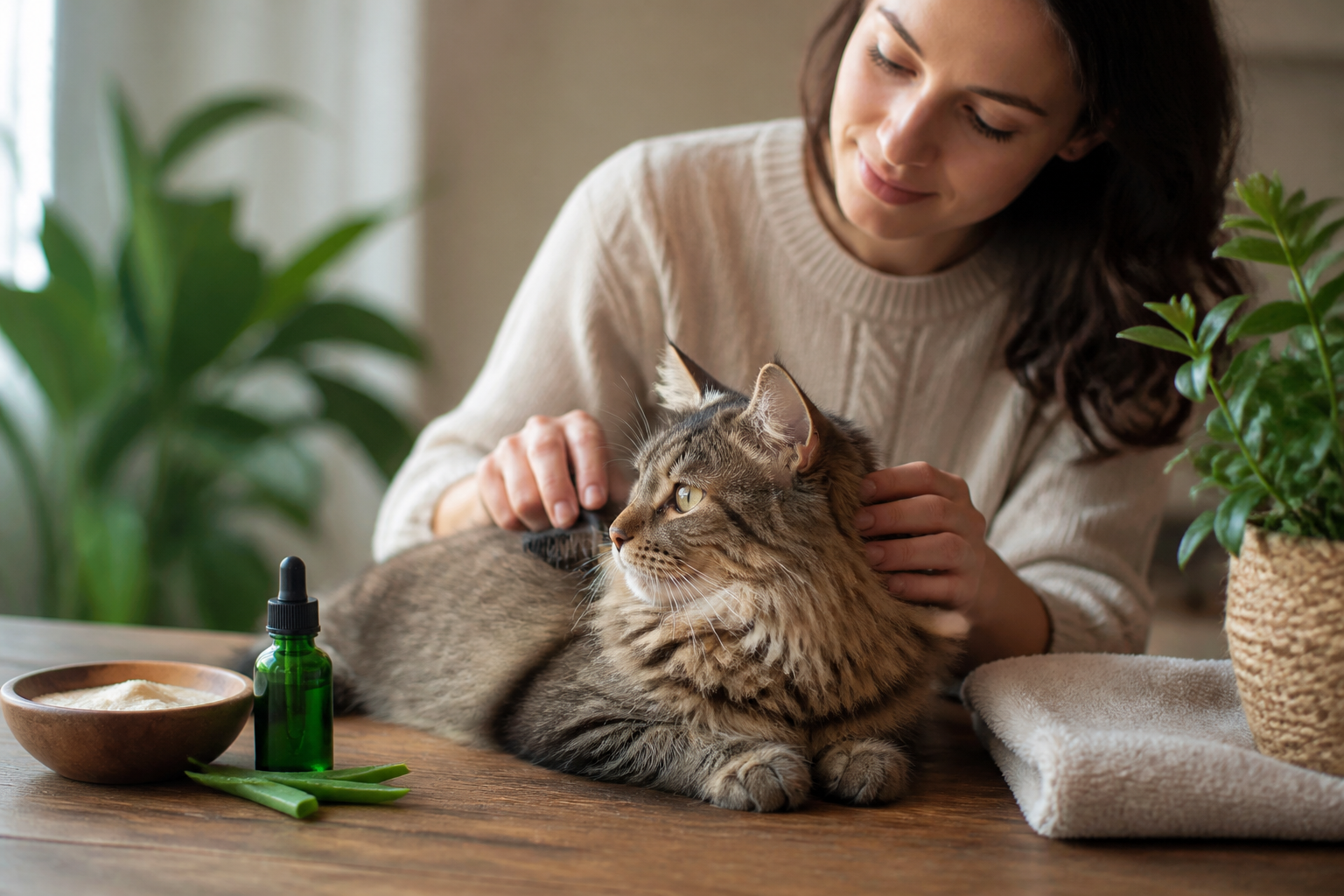
Regular brushing is the best way to manage dandruff caused by poor grooming. It manually removes dead skin cells and distributes natural oils across the coat. You can find suitable tools in our cat grooming collection.
- Step 1: Choose the right tool. / Use a soft-bristled brush for short-haired cats or a slicker brush for long-haired breeds to reach the undercoat.
- Step 2: Start slowly. / Brushing should be a bonding experience. Start with the areas they enjoy, like the chin or cheeks.
- Step 3: Focus on problem areas. / Gently brush the lower back and base of the tail where flakes tend to accumulate.
- Step 4: Use a damp cloth. / If your cat has a lot of flakes, wipe them down with a warm, damp microfiber cloth to pick up loose debris.
Supplements and Topicals
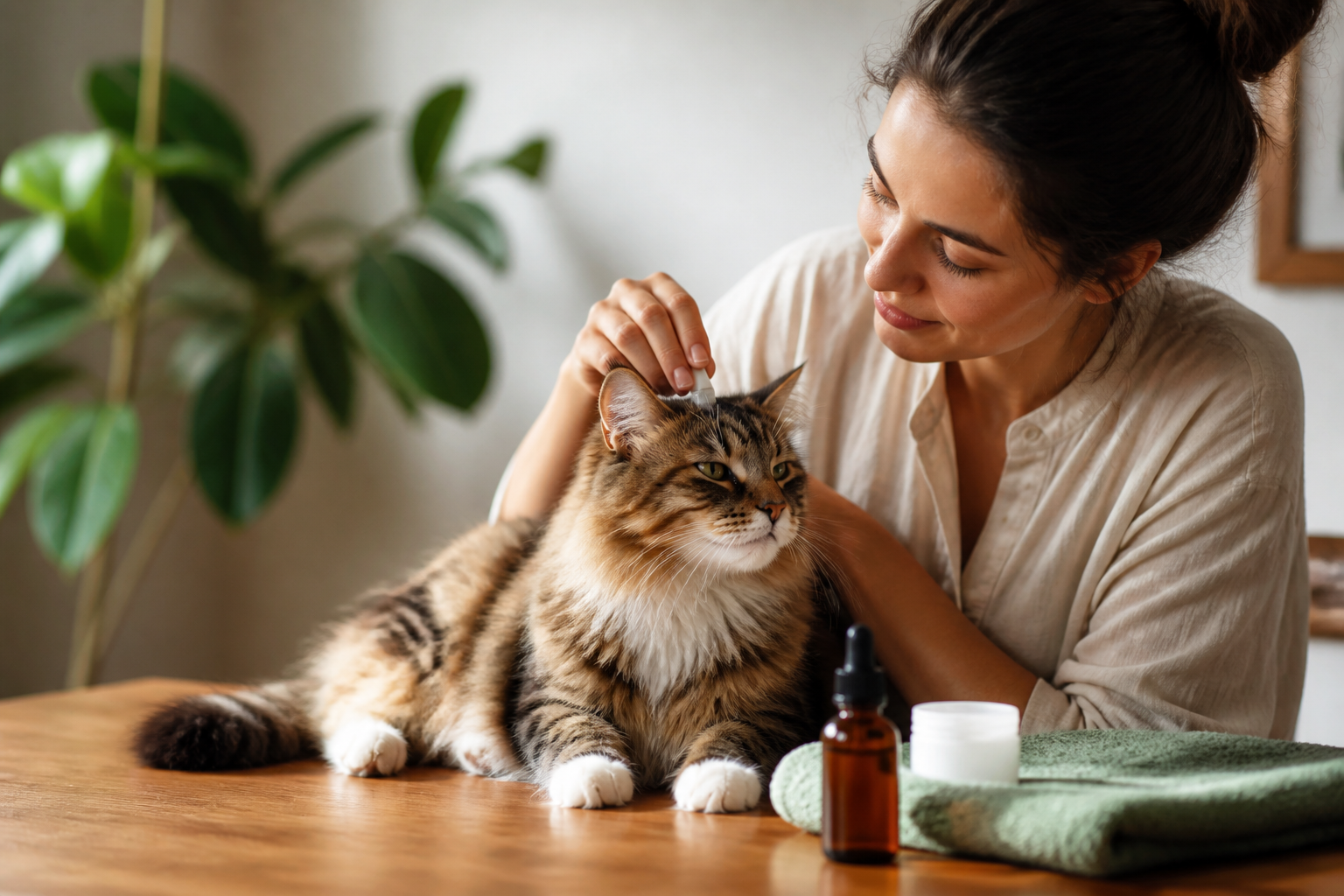
Omega fatty acid supplements can make a significant difference in skin elasticity. Brands like Zesty Paws or Honest Paws offer feline-friendly options that are easy to administer. You might also consider waterless shampoos or foam cleansers. These allow you to clean the coat and moisturize the skin without the stress of a traditional bath.
Our cat skin and coat health selection includes supplements, cleansers, and other products for routine coat care.
Selecting the Right Nutrition
The foundation of a healthy coat is a balanced diet. Look for foods that list a specific animal protein as the first ingredient. Avoid fillers that provide little nutritional value.
Essential Ingredients for Skin Health
- Omega-3 Fatty Acids: Found in fish oils, these reduce inflammation.
- Omega-6 Fatty Acids: These help maintain the skin's moisture barrier.
- Vitamin E: A powerful antioxidant that protects skin cells from damage.
- Biotin: A B-vitamin that supports healthy hair growth.
Many of the premium brands we carry, such as NutriSource or Open Farm, include these essential nutrients in their standard formulas. If your cat is a senior or has mobility issues, a diet that also includes joint support can indirectly help with dandruff. When a cat feels more flexible, they are more likely to keep up with their own grooming.
For additional guidance on feline nutrition and wellness, read about building a strong feline immune system.
Key Takeaway: Nutrition is the most effective long-term solution for non-medical dandruff. High-quality fats and proteins help the skin maintain its natural moisture.
Summary of Management Strategies
Managing cat hair dandruff requires a consistent approach. You cannot fix dry skin overnight, but regular care will yield results over several weeks.
| Strategy | Action Step | Goal |
|---|---|---|
| Grooming | Daily brushing with appropriate tools | Remove dead cells and distribute oils |
| Hydration | Use a fountain and add wet food | Support skin moisture from the inside |
| Environment | Use a humidifier during winter | Prevent skin from drying out due to air |
| Nutrition | Add Omega supplements or high-quality food | Strengthen the skin's natural barrier |
| Medical | Consult a vet for persistent flakes | Rule out parasites or systemic disease |
Long-Term Skin Health and Prevention
Prevention is always easier than cure. Once you get your cat's skin back in top shape, maintain the routine to keep it that way. Regular wellness checks with your veterinarian are the best way to catch potential health issues before they affect the skin.
For items you use frequently, like skin supplements, specialty foods, or flea preventives, our Autoship program is a helpful tool. It ensures you never run out of the supplies your cat needs to stay comfortable. Plus, it qualifies you for a free MVP Gold membership, which adds extra value to every purchase.
You can also explore practical ways to maximize pet-care value with the MVP Rewards program.
Managing cat hair dandruff is about more than just aesthetics. It is about making sure your cat feels comfortable in their own skin. By combining expert-curated products, professional pharmacy access, and a consistent grooming routine, you can keep your feline friend flaky-free and happy.
Bottom line: Consistent grooming, proper hydration, and high-quality nutrition are the keys to ending cat hair dandruff and maintaining a healthy coat.
FAQ
Why does my cat only have dandruff on their lower back?
The lower back and the base of the tail are the most common spots for dandruff because they are the hardest areas for a cat to reach. If a cat is slightly overweight or has a bit of joint stiffness, they may stop grooming these spots entirely. This leads to a buildup of dead skin cells and loose fur that eventually becomes visible flakes.
Can I use human dandruff shampoo on my cat?
No, you should never use human dandruff shampoo on a cat. These products are formulated for the pH level of human skin, which is much more acidic than a cat's skin. Additionally, many human shampoos contain ingredients like zinc pyrithione or selenium sulfide which can be toxic to cats if they lick their fur after a bath. Always use a product specifically labeled for feline use or consult your vet for a medicated recommendation.
Is cat dandruff contagious to humans or other pets?
Simple dandruff caused by dry skin or poor grooming is not contagious. However, if the flakes are caused by an underlying issue like ringworm or Cheyletiella mites (walking dandruff), those can definitely spread to other pets and even humans. If you notice other people or animals in the house getting itchy or developing skin lesions, see a veterinarian immediately to check for parasites or fungus.
How long does it take for cat dandruff to go away?
If the cause is environmental or nutritional, you should see an improvement within three to four weeks of starting a new routine. Skin cells take time to regenerate, and it takes a few weeks for supplements like fish oil to build up in the system. If you have been consistent with grooming and nutrition for a month and see no change, it is a sign that a veterinary visit is needed to look for internal causes.