
 Save 15% on your 1st Autoship learn more

 Email us
 Live Chat
 FAQs
FAQs





Introduction
Many pet owners know the struggle of the toothbrush battle. You approach with a flavored paste and a soft brush, but your dog ducks, weaves, or hides under the dining table. While dental hygiene is vital for their health, the reality is that many dogs simply will not tolerate a traditional brushing routine. At BaxterBoo, we have spent years helping owners find practical solutions that work for their specific pets.
Maintaining oral health does not have to be a daily wrestling match. By using the right combination of dental chews, water additives, and specialized diets, you can significantly reduce plaque and tartar buildup. This guide explains how to keep your dog's mouth fresh and healthy using proven alternatives to the toothbrush. Consistent home care combined with professional guidance is the best way to ensure your dog stays comfortable and pain free.
Why Oral Health Matters Beyond Fresh Breath
Bad breath is often the first sign that something is wrong in a dog's mouth. However, the issues usually go deeper than a smelly greeting. When food particles and bacteria sit on the teeth, they form a sticky film called plaque. If this plaque is not removed within a couple of days, it hardens into tartar. Tartar is much harder to remove and provides a perfect surface for more bacteria to grow.
This bacteria can lead to gingivitis and periodontal disease. Over time, the infection can enter the bloodstream and affect major organs. Veterinary experts have linked poor oral health to issues in the heart, liver, and kidneys. Maintaining a clean mouth is one of the most effective ways to support your dog's longevity and quality of life.
Vet Tip: If your dog has red gums, bleeding, or a sudden change in eating habits, consult your veterinarian immediately. These can be signs of advanced dental disease that require professional treatment rather than just at-home maintenance.
For additional warning signs, read about how to recognize hidden dental problems in dogs.
The Power of Dental Powders and Food Toppers
One of the easiest ways to clean teeth without any mouth handling is using a dental powder. These are typically flavored supplements that you sprinkle directly onto your dog’s meals. Many high quality powders use a specific type of seaweed called Ascophyllum nodosum. This natural ingredient works through the digestive system and eventually reaches the saliva.
Once in the saliva, the compounds help break down existing tartar and prevent new plaque from sticking to the teeth. It is a passive way to improve oral health that requires zero effort from the dog. Brands like ProDen PlaqueOff have undergone clinical trials to prove their effectiveness. This makes them a reliable choice for dogs that are particularly head shy or resistant to touch.
Benefits of Using Dental Powders
- Requires no direct contact with the mouth or gums.
- Easy to administer for dogs on a dry, wet, or raw diet.
- Works continuously throughout the day via the saliva.
- Helps soften existing tartar over several weeks of use.
Key Takeaway: Dental powders are the most effective passive cleaning method for dogs that refuse to let you touch their teeth or gums.
You can compare powder, gel, and other options in our dog dental and breath care category.
Using Dental Chews and Treats Effectively
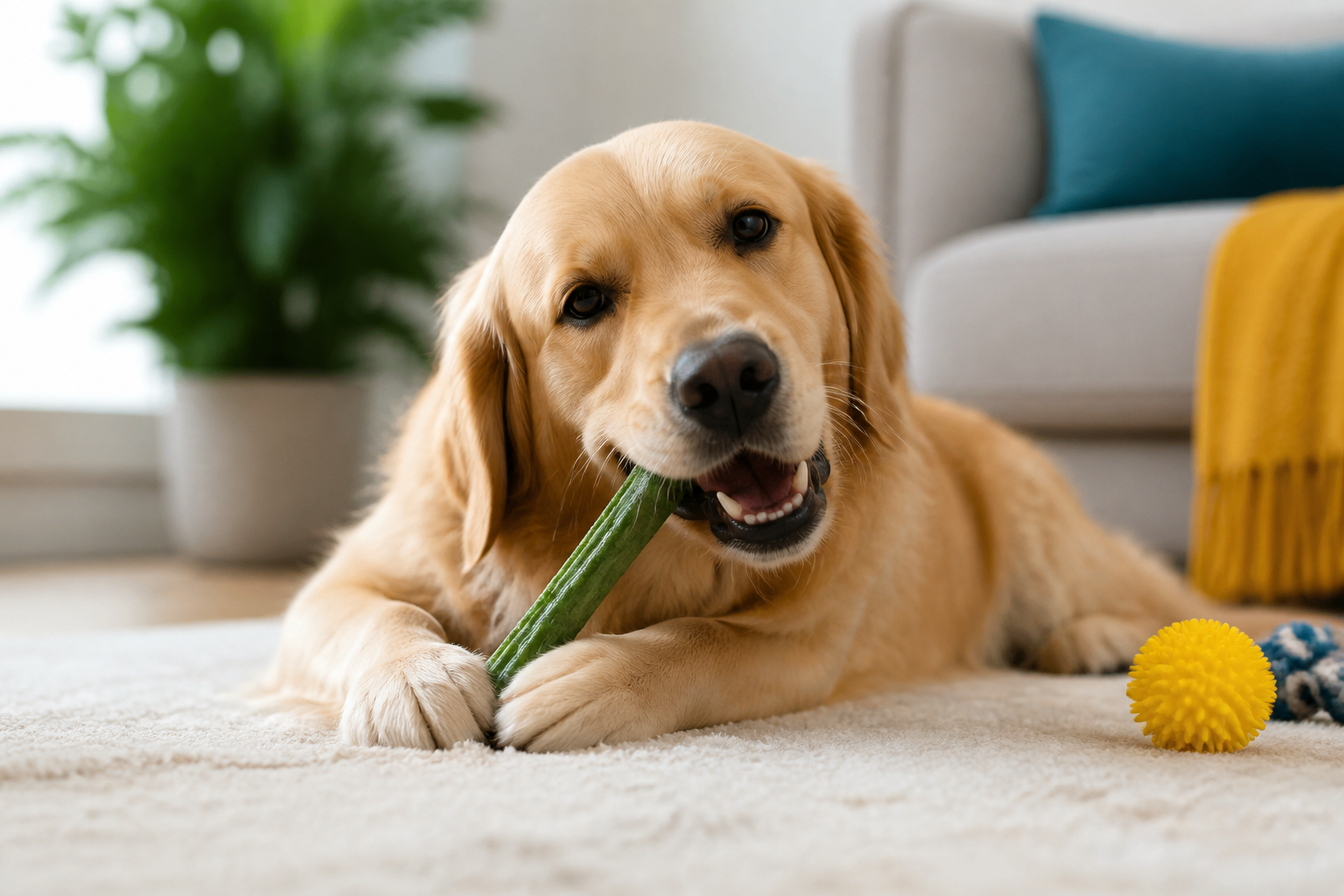
Dental chews are perhaps the most popular alternative to brushing. They work through mechanical abrasion. As your dog bites down on the chew, the texture scrapes against the surface of the tooth. This action helps rub away plaque before it has a chance to mineralize into tartar. Many chews are also formulated with enzymes that help kill oral bacteria.
At BaxterBoo, we recommend looking for treats that carry the Veterinary Oral Health Council (VOHC) seal. This seal confirms that the product has been tested and proven to reduce plaque or tartar by at least 20 percent. Brands like Greenies, Zesty Paws, and RedBarn offer various textures and sizes tailored to different life stages.
For more ideas, explore our dental chews for dogs.
Choosing the Right Chew for Your Dog
Step 1: Match the size. A chew that is too small can be swallowed whole, which is a choking hazard and provides no cleaning benefit.
Step 2: Check the hardness. You should be able to indent the chew with your thumbnail. Anything harder than a tooth can cause painful fractures.
Step 3: Monitor the calories. Dental treats are still treats. Adjust your dog's daily meal portions to account for the extra calories in their dental chew.
Note: While dental chews are helpful, they are not a complete replacement for a total oral care routine. They work best when paired with other methods like water additives or powders.
For a broader comparison of sizes, textures, and styles, see these dental chew options for dogs.
Water Additives as a Simple Mouthwash
Water additives are a liquid solution you pour into your dog’s daily water bowl. Think of them as a drinkable mouthwash for pets. They usually contain enzymes or antibacterial agents that help neutralize the bacteria responsible for bad breath and plaque. Because they are typically odorless and tasteless, most dogs will drink them without any hesitation.
This is an excellent supplemental tool for multi dog households. You simply add the directed amount to the shared water fountain or bowl. It ensures every pet gets a bit of oral support every time they take a drink. While additives are not powerful enough to remove heavy tartar, they are great at maintaining the results of a professional cleaning.
Bottom line: Water additives provide a low effort way to freshen breath and kill surface bacteria throughout the day.
You can find water additives alongside other options in our dog dental care collection.
Specialized Prescription Dental Diets
Sometimes, standard kibble is not enough to keep teeth clean. Prescription dental diets are formulated with a specific kibble structure. Unlike regular food that crumbles immediately when bitten, dental kibble is designed to stay together longer. This forces the tooth to sink into the kibble, creating a scrubbing effect as the dog chews.
These diets are often available through our pharmacy partnership with Pet's Choice. Prescription brands like Royal Canin or Farmina Vet Life offer specialized formulas for dogs prone to rapid tartar buildup. These foods also contain calcium chelators. These ingredients bind to the calcium in the saliva, preventing it from mineralizing into hard tartar on the teeth.
When to Consider a Dental Diet
- Small breed dogs that have crowded teeth.
- Dogs with a history of frequent professional cleanings.
- Pets that are prone to heavy plaque formation despite other home care.
- Owners who prefer a "set it and forget it" approach to dental health.
Vet Tip: Prescription dental diets require a recommendation and approval from your veterinarian. Our pharmacy can help fulfill these orders once your vet has provided a valid prescription.
For prescription medication and veterinary products, visit our pet pharmacy.
Interactive Toys for Natural Cleaning
Playtime can also double as a cleaning session. Certain toys are specifically designed with ridges, nubs, and grooves that massage the gums and scrape the teeth. Rubber toys from brands like Kong or RC Pets are durable and effective. Some of these toys are designed to be used with a bit of pet safe toothpaste or dental gel inside the grooves.
As your dog chews and gnaws on the toy, the gel is distributed across the teeth. This is a great way to introduce the benefits of enzymatic toothpaste without the stress of a brush. It turns a chore into a rewarding game of fetch or a quiet chewing session.
Features to Look for in Dental Toys
- Textured surfaces like nubs or soft spikes.
- Durable but flexible material that gives slightly under pressure.
- Specific shapes that encourage side to side chewing to reach the back molars.
- Easy to clean or dishwasher safe materials to prevent bacterial growth on the toy.
Browse our dental dog toys to find textured options for supervised chewing.
For more toy-selection guidance, read our guide to choosing toys for senior dogs.
Dental Wipes and Finger Brushes
If your dog is okay with you touching their muzzle but hates the long handle of a toothbrush, dental wipes might be the answer. These are pre moistened pads that you wrap around your finger. You then rub the pad along the outside of the teeth and the gumline. This provides more control than a brush and feels more natural to many dogs.
Finger brushes are another bridge between brushing and no brush methods. These are small, silicone caps with soft bristles that fit over your fingertip. They allow you to feel exactly where you are cleaning, which reduces the chance of accidentally poking the dog’s gums.
Quick Answer: If you cannot brush, the best approach is a combination of VOHC-accepted dental chews and a daily dental powder. Adding a water additive to the bowl provides an extra layer of protection against the bacteria that cause bad breath and plaque.
For more foundational advice, review these pet dental care tips.
Natural Food Options for Dental Support
Some common vegetables can act as a natural scrub for a dog's teeth. Raw carrots are a popular choice because they are crunchy and firm. Chewing on a large carrot can help rub away some surface debris. Sliced apples, without the seeds or core, can also provide a mild cleaning benefit due to their fibrous texture.
However, it is important to remember that these are supplements and not cures. They do not contain the active enzymes found in professional dental products. Always supervise your dog when they are eating raw vegetables to prevent choking. Use these as a healthy, low calorie snack that happens to help a little bit with their teeth.
The Importance of Professional Veterinary Exams
No matter how many chews or powders you use at home, they cannot replace the expertise of a veterinarian. Even with perfect home care, some tartar can still form under the gumline where you cannot see it. This subgingival plaque is what typically leads to tooth loss and systemic health issues.
We recommend an annual dental exam as part of your dog's regular wellness checkup. Your vet can identify cracked teeth, oral tumors, or early signs of gum disease that might be missed at home. They will also let you know when it is time for a professional cleaning. Our warehouse in Vernon Hills often sees owners who are diligent about home care, but even the best routines need a professional touch once in a while.
Key Takeaway: Professional cleanings are the only way to remove tartar from beneath the gumline. Use home care to extend the time between these professional visits.
Creating a Consistent Dental Care Schedule
Consistency is the most important factor in keeping teeth clean without brushing. Plaque begins to reform within hours of a meal. If you only give a dental chew once a week, it will not be effective. You need a daily routine that attacks plaque from multiple angles.
A sample routine might look like this:
- Morning: Add dental powder to their breakfast bowl.
- Mid-day: Provide a textured dental toy for 20 minutes of chewing.
- Evening: Give a VOHC-approved dental chew after their final meal.
- Daily: Refresh their water bowl with a water additive.
By layering these methods, you ensure that plaque is being disrupted throughout the day. This multi-faceted approach is much more effective than relying on a single treat or supplement.
For repeat-purchase items, our Autoship programme can help you maintain a regular supply.
Common Mistakes to Avoid in Dog Dental Care
Many owners accidentally use products that can do more harm than good. One of the biggest mistakes is giving dogs hard items like antlers, hooves, or real bones. While these are often marketed as dental aids, they are frequently too hard for the teeth. They can lead to painful slab fractures that require expensive extractions.
Another common mistake is using human toothpaste. Human products often contain xylitol, which is highly toxic to dogs even in small amounts. They also contain fluoride, which can be harmful if swallowed. Always use products specifically formulated for pets.
Vet Tip: Avoid any chew toy or treat that is so hard you could use it to drive a nail into wood. If it doesn't have any "give," it is a risk to your dog's dental enamel.
Managing Senior Dog Dental Needs
As dogs age, their dental needs become more complex. Senior dogs are more likely to have existing gum disease or missing teeth. This can make hard chews painful or difficult to manage. For older pets, we often recommend softer options like dental gels or water additives.
Our pharmacy through Pet's Choice carries various medications that can help manage oral pain or infections in senior dogs. If your older dog has stopped eating or seems to be dropping food, it is a sign that they may have dental pain. In these cases, a soft food diet might be necessary until a veterinarian can assess the situation.
For additional age-appropriate toy guidance, explore dental dog toys for senior pets.
How BaxterBoo Supports Your Journey
Since 2006, we have been committed to providing pet owners with the best products for their animals. We carry over 500 trusted brands, ensuring you have access to high quality dental care tools. Whether you are looking for a specific enzymatic treat or a prescription diet, our team is here to help.
Our MVP Rewards program allows you to earn points on every dental purchase, making it more affordable to maintain a consistent routine. We also offer an Autoship program, so you never run out of the chews or powders your dog needs. This ensures there are no gaps in their oral hygiene schedule.
Learn more about the MVP Rewards programme before stocking up on dental essentials.
Conclusion
Keeping your dog's teeth clean without brushing is entirely possible with the right tools and a bit of consistency. By using a combination of dental powders, VOHC-approved chews, and specialized diets, you can protect your dog from the dangers of periodontal disease. Remember that bad breath is not just a nuisance; it is a sign that your pet needs help. Start a daily routine today and consult your veterinarian for regular checkups to keep those pearly whites in top shape.
Bottom line: A consistent daily routine using dental powders and chews is the best alternative for dogs that will not tolerate brushing.
FAQ
Can dental chews really replace brushing for my dog?
While dental chews are excellent at removing plaque from the surfaces of the teeth, they are not a perfect replacement for brushing. Brushing allows you to reach the tiny crevices and the space just under the gumline more effectively. However, a daily high-quality dental chew is significantly better than no dental care at all and can help maintain a healthy mouth.
Are water additives safe for every dog in a multi-pet home?
Most water additives are safe for both dogs and cats, making them ideal for shared water bowls. However, you should always check the label for specific age or health restrictions. If you have a pet with a specific medical condition like kidney or liver disease, it is best to ask your vet before adding any supplements to their water.
How long does it take to see results from no-brush dental products?
You will likely notice an improvement in your dog's breath within the first week or two of using additives or powders. Physical changes, such as the softening of tartar or a reduction in plaque, usually take four to eight weeks of daily use. Consistency is key, as stopping the routine will allow plaque to begin building up again almost immediately.
Can I give my dog raw bones to clean their teeth?
Raw bones can provide some mechanical cleaning, but they come with risks like choking, intestinal blockages, or broken teeth. Cooked bones should never be given as they can splinter and cause internal damage. Many veterinarians prefer VOHC-approved dental chews because they are designed to dissolve and are much safer for the average dog to consume.






