
 Save 15% on your 1st Autoship learn more

 Email us
 Live Chat
 FAQs
FAQs





Introduction
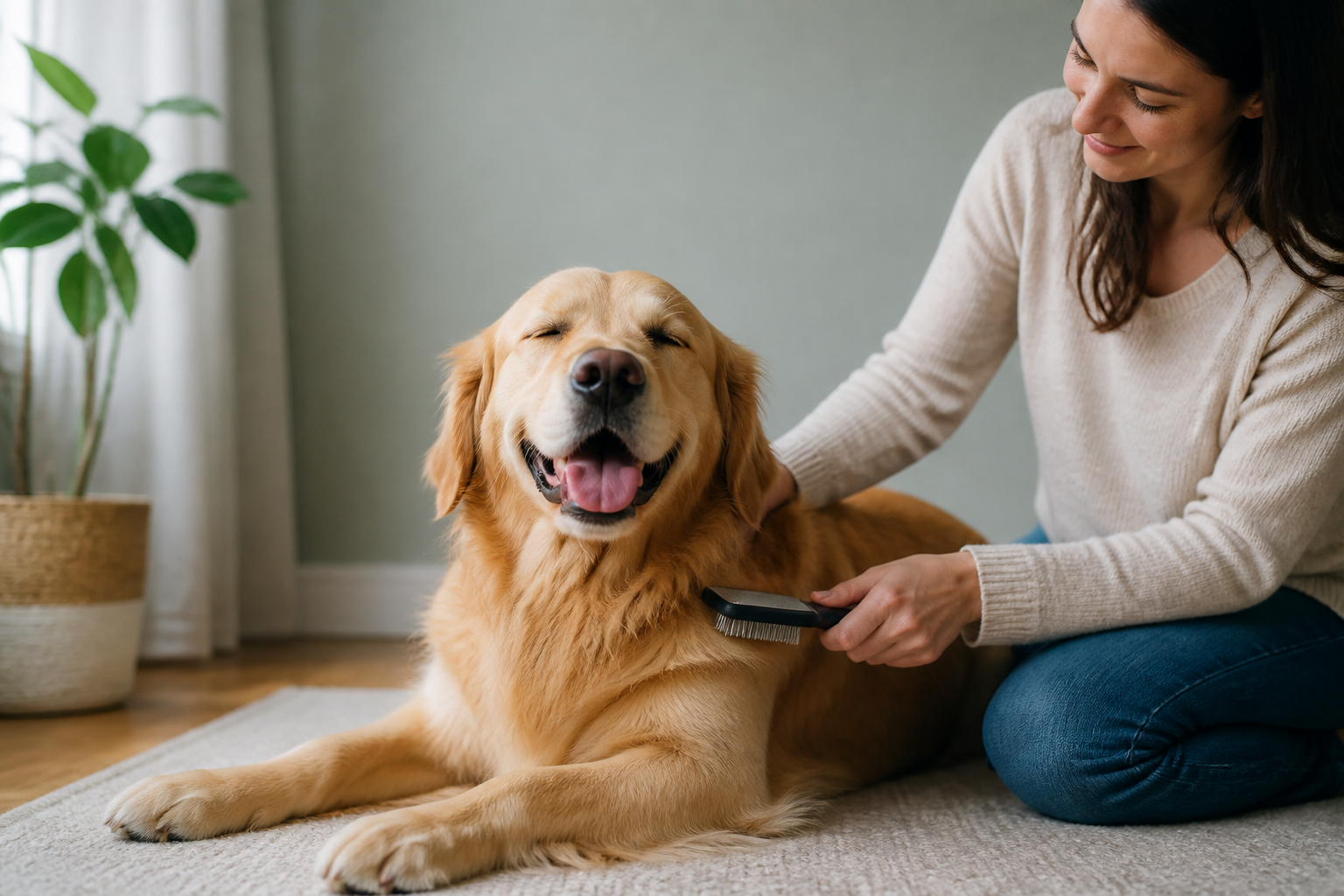
You are sitting on the floor with your dog. A pile of fur that looks like a second pet is growing next to you. You have been brushing for twenty minutes. Every time you run the rake through their coat, more hair comes out. You might start to wonder if your dog will have any fur left if you keep going. It is a common frustration for many pet owners. At BaxterBoo, we talk to owners every day who feel like they are in a never-ending battle with shedding. Knowing when to stop is a balance between removing dead hair and protecting the skin. This guide will help you recognize the signs that your grooming session is finished. We will cover coat types, tool safety, and how to keep your dog comfortable.
The Reality of the Never-Ending Shed
Dogs are constantly growing new hair. This means they are also constantly losing old hair. If you use a deshedding tool, you could technically pull hair out for hours. Most of that hair is at the end of its life cycle. However, some tools can eventually start pulling out healthy, attached fur if you overdo it.
The goal is not to remove every single loose hair. That is impossible. The goal is to remove the "bulk" of the dead undercoat and any tangles. This allows the skin to breathe. It also prevents painful mats from forming. When the brush starts to meet very little resistance, you are likely done.
Quick Answer: Stop brushing when the brush or comb passes through the coat without catching on tangles. You should also stop if you see any skin redness or if the volume of hair being removed drops by about 75 percent.
The Comb Test for Finishing
The best way to tell if you are done is the comb test. After using a slicker brush or a deshedding rake, grab a stainless steel greyhound comb. These have long, thin teeth that reach all the way to the skin. You can compare options in our dog brushes and combs category.
Step 1: Choose a section of the coat you have already brushed. / Gently insert the comb at the base of the hair near the skin.
Step 2: Pull the comb through to the ends. / If the comb glides through without snagging, that section is finished.
Step 3: Repeat in "high-traffic" areas. / Focus on the armpits, behind the ears, and the base of the tail where mats hide.
If the comb catches, there is still dead hair or a small knot that needs attention. Once the comb moves freely across the entire body, you have reached a logical stopping point.
Key Takeaway: A metal comb is the ultimate truth-teller in grooming. If it glides, you are done.
Monitoring Your Dog's Skin
Over-brushing is a real concern. It is often called "brush burn." This happens when the bristles or pins of a brush scrape against the skin too many times in one spot. It causes irritation, redness, and can even lead to hot spots or infections.
Check the skin frequently during your session. Part the hair and look at the color of the skin. It should be a healthy pink or white. If you see bright red skin or any signs of scraping, stop immediately. Do not brush that area again for several days.
Vet Tip: If your dog develops a red, raw patch after grooming, it may be brush burn. Keep the area clean and dry. Consult your veterinarian if the spot starts to ooze, smell, or if your dog will not stop licking it. Our dog pharmacy offers prescription products for pets when recommended by your veterinarian.
Stop Signs Based on Dog Behavior
Your dog will often tell you when they have had enough. Grooming should be a bonding experience, not a chore they dread. If your dog starts showing signs of stress, it is time to wrap it up. Even if you are not "finished" by technical standards, the session should end on a positive note.
Watch for these behavioral cues:
- Constant squirming or trying to walk away.
- Licking their lips or yawning frequently.
- Whining or low growling.
- Tucking their tail tightly.
- Pulling their paws away.
If your dog is getting restless, stop for the day. You can always finish the other half of the dog tomorrow. We recommend keeping sessions to 15 or 20 minutes for most pets.
Bottom line: A happy dog who is half-brushed is better than a stressed dog who is perfectly groomed.
Understanding Different Coat Types
How long it takes to finish depends heavily on the coat type. Some coats give up their dead hair easily. Others require more patience. We carry over 500 brands to help you find the right tool for these specific needs.
| Coat Type | Common Breeds | When to Stop |
|---|---|---|
| Smooth | Boxer, Beagle, Pointer | When the coat shines and very few hairs are in the rubber brush. |
| Double | Husky, German Shepherd, Samoyed | When the heavy "clumps" of undercoat stop coming out in the rake. |
| Curly | Poodle, Bichon Frise | When the slicker brush and comb move through every curl without snagging. |
| Drop | Yorkie, Maltese, Shih Tzu | When all tangles are gone and the hair lays flat and silky. |
| Wire | Schnauzer, Airedale Terrier | After you have removed the loose surface hair and cleared the beard of debris. |
Smooth and Short Coats
These dogs are the easiest to over-brush. Because their hair is short, the brush is always in contact with the skin. Use a rubber curry brush or a soft bristle brush. Once the coat has a nice sheen and you aren't seeing clouds of hair, you are finished. This usually takes less than five minutes.
Double Coats and Heavy Coats
These are the dogs that seem to shed forever. During "blowing coat" season, you could brush a Samoyed for an hour and still get hair. For these dogs, stop when the volume of hair coming out decreases significantly. If you started with giant handfuls and now you are getting just a few strands, you have done enough for one day.
Curly and Wire Coats
The focus here is on prevention. These dogs do not shed much, so you aren't looking for a pile of fur. You are looking for "pathway" clarity. When your tools can travel from the neck to the tail without hitting a "speed bump" of a knot, you are done. For more guidance, see our guide to grooming curly-haired dogs.
The Role of Grooming Tools
The tool you choose dictates how long you should use it. Some tools are more aggressive than others. Using the wrong tool can make you think you need to keep brushing when you actually need to change your approach.
Slicker Brushes
These have fine wire bristles. They are great for fluffing and removing loose hair. They are generally safe for longer sessions. However, you should still avoid pressing too hard against the skin.
Deshedding Tools
Tools like the Furminator or shedding blades are very effective. They should be used with caution. We suggest using these for no more than 10 to 15 minutes total. Do not go over the same spot more than two or three times. These tools can cut the hair or irritate the skin if used excessively.
Pin Brushes
These look like human hairbrushes but with specialized tips. They are best for finishing and adding shine. Once you have used a more heavy-duty tool to remove the undercoat, a quick pass with a pin brush is a great way to signal the end of the session.
Key Takeaway: Switch to a softer brush as you near the end of the session to protect the skin and give the coat a finished look.
Managing Excessive Shedding
Sometimes, the reason you feel like you can't stop brushing is that your dog is shedding more than normal. This could be due to seasonal changes. It can also be a sign of an underlying health issue.
If your dog is losing hair in patches or has very dry, flaky skin, brushing will not solve the problem. Issues like allergies, thyroid imbalances, or poor nutrition can cause excessive shedding. In these cases, more brushing can actually make the skin more sensitive.
Our pharmacy carries prescription diets and supplements that support skin and coat health. If the shedding seems extreme or is accompanied by itching, talk to your vet. They can help determine if a prescription food or a specific supplement is necessary.
Bottom line: Brushing manages shedding, but internal health controls it.
Tips for a Faster Finish
If you want to spend less time brushing, focus on the prep work. This makes the dead hair come out much faster. For additional bathing guidance, read these tips for bathing your dog.
- Use a detangling spray. This helps the brush glide and prevents hair breakage.
- Bathe the dog first. A warm bath loosens dead undercoat. Make sure the dog is completely dry before using a deshedding tool.
- Brush in the direction of hair growth. Going against the grain can be painful and less effective.
- Use the "line brushing" technique. Work in small horizontal sections from the bottom up. This ensures you do not miss any spots or over-work one area.
Conclusion
Knowing when to stop brushing is about paying attention to the brush, the skin, and your dog's mood. When the metal comb glides through and the skin looks healthy, you have done your job. Remember that you do not need to get every single hair in one sitting. Frequent, short sessions are always better than one long, exhausting marathon. Regular grooming is a great time to check for lumps, bumps, or parasites. If you notice your dog's skin seems irritated or the shedding is excessive, we recommend a visit to your veterinarian for a checkup. You can find all the brushes, combs, and skin-support supplements you need in our dog grooming collection. For those with dogs on a regular grooming schedule, our Autoship programme is a great way to save on shampoos and treats to reward your pup after their session.
FAQ
Can I brush my dog too much?
Yes, over-brushing can cause brush burn, which is skin irritation and redness from repeated scraping. It can also lead to hair breakage or thinning if you use aggressive deshedding tools too frequently on the same area. It is best to keep sessions short and check the skin often for any signs of sensitivity.
Why does my dog keep shedding even after I brush them?
Dogs are in a constant state of hair growth and loss, so they will always have some loose fur. If the shedding seems endless, it might be "shedding season" where they are blowing their undercoat, or it could be related to diet or health. Using a high-quality comb after brushing will help remove the most stubborn loose hairs.
How do I know if I have removed all the mats?
The most reliable way to check for mats is to use a metal "greyhound" comb and run it from the skin to the ends of the hair. If the comb snags or stops, there is a mat or a tangle that still needs to be worked out. If the comb glides through the entire coat, your dog is mat-free.
What should I do if my dog hates being brushed?
Start with very short sessions, lasting only a minute or two, and use plenty of high-value treats to create a positive association. Use a softer brush initially to ensure it does not pull on their skin or hair. Gradually increase the time as your dog becomes more comfortable with the process.






