Save 15% on your 1st Autoship learn more

 Email us
 Live Chat
 FAQs
FAQs





Introduction
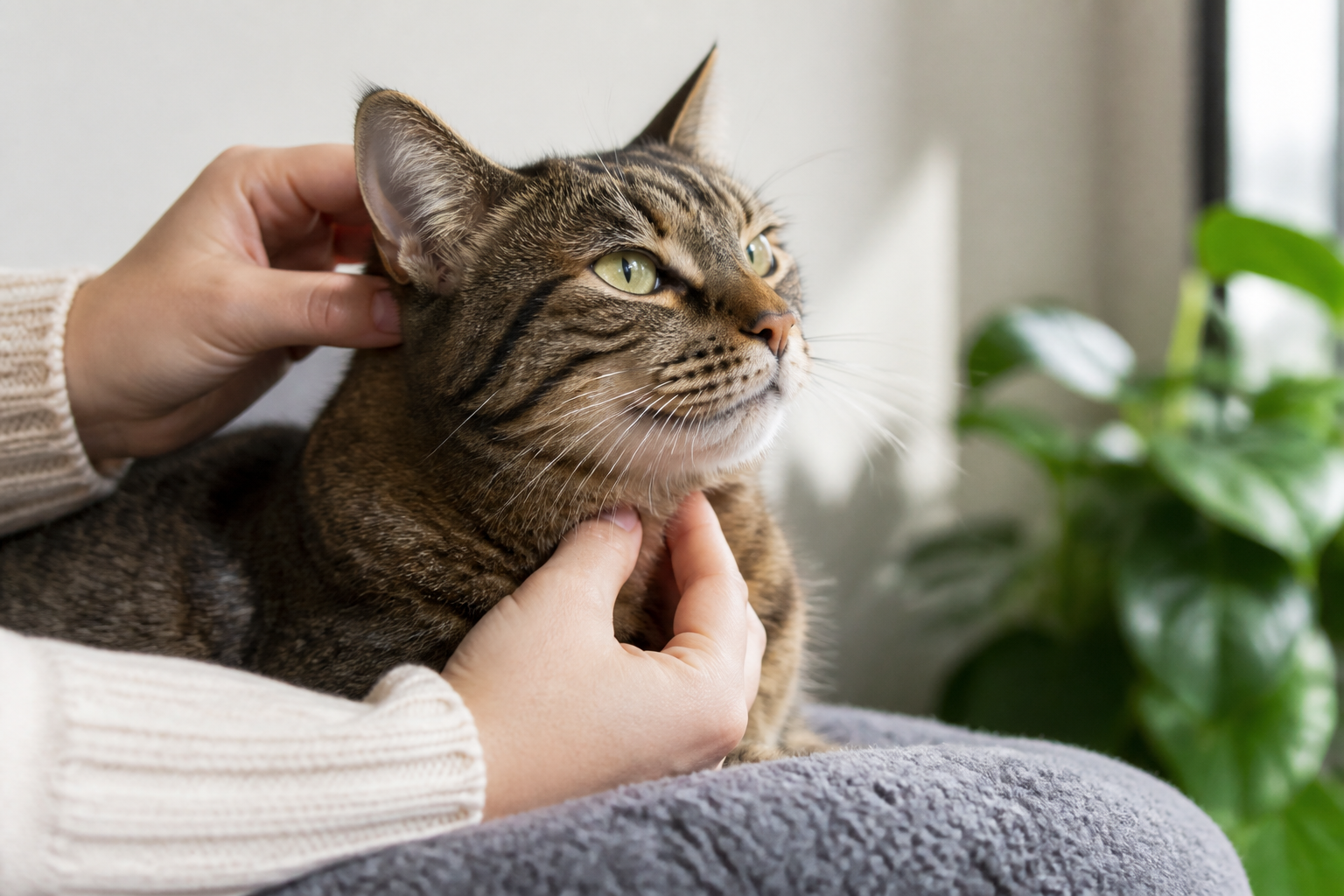
You are relaxing on the sofa with your cat when you notice small white specks scattered across their fur. It looks a bit like salt has been sprinkled over their lower back. When you try to brush the flakes away, you realize they are coming from the skin itself. At BaxterBoo, we see this often and know it can be a frustrating sight for any pet owner. This guide explains why these flakes appear and how you can help your cat regain a sleek, healthy coat. We will look at everything from hydration and grooming habits to underlying health concerns that might require a closer look. By following a few practical steps, you can manage cat dandruff and keep your feline friend comfortable and flake-free.
Quick Answer: Cat dandruff is usually caused by dry skin, poor grooming, or a lack of moisture in the diet. You can manage it by increasing hydration, using a high-quality brush, and adding omega-3 supplements to their meals.
Understanding the Difference Between Dandruff and Dander
It is easy to confuse cat dandruff with dander, but they are not the same thing. Every cat produces dander. These are microscopic bits of skin that shed naturally as cells regenerate. Because dander is so small, you cannot see it with the naked eye. It is the protein found on this dander that often triggers allergies in humans.
Dandruff is a different story. These are larger, visible flakes of dead skin that have clumped together. While a few tiny flakes might show up occasionally during seasonal changes, a coat full of white specks is a sign that the skin is out of balance. If you see these flakes, it means the skin is either too dry or too oily.
You should also be able to tell the difference between dandruff and flea evidence. Flea eggs are white and oval, but they do not flake off like skin. Flea dirt looks like tiny grains of black pepper. If you see black specks, it is actually flea waste. Dandruff will always be white or very light grey and flat in shape.
Common Reasons for Flaky Cat Skin
Identifying the root cause is the first step in clearing up the flakes. Many factors can lead to skin irritation. Some are simple environmental issues, while others might involve the way your cat is able to care for themselves.
Lack of Self-Grooming
Cats are famous for their cleanliness. They usually spend hours every day licking their fur to remove loose hair and dead skin. If a cat stops grooming effectively, dandruff builds up quickly. This often happens in older cats who have stiff joints from arthritis. They may find it painful to reach their lower back or the base of their tail.
Obesity is another major factor. If a cat is overweight, they simply cannot reach certain parts of their body. You will often see dandruff, mats, and greasy fur concentrated on the spine and rear. In these cases, the dandruff is a secondary symptom of a mobility or weight issue.
Environmental Dryness
Low humidity is a very common culprit, especially during the winter months. When you turn on the heater in your home, it strips moisture from the air. This dries out your cat's skin just as it does your own. Without enough moisture in the atmosphere, the skin becomes brittle and starts to flake.
Parasites and Walking Dandruff
External parasites can wreak havoc on skin health. While fleas are the most common, there is a specific mite called Cheyletiella. This mite is often called walking dandruff because it looks like a moving white flake. These mites are highly contagious and cause intense itching and scaling. For additional support, explore our cat skin and coat care collection.
Key Takeaway: Visible white flakes are a sign of skin imbalance, while microscopic dander is a normal part of every cat's life.
The Role of Nutrition and Hydration
What goes into your cat's body shows up on their skin and coat. If their diet lacks specific nutrients, the skin is often the first place to show signs of trouble. Cats are obligate carnivores, and they need specific fats to keep their moisture barrier intact.
The Importance of Omega Fatty Acids
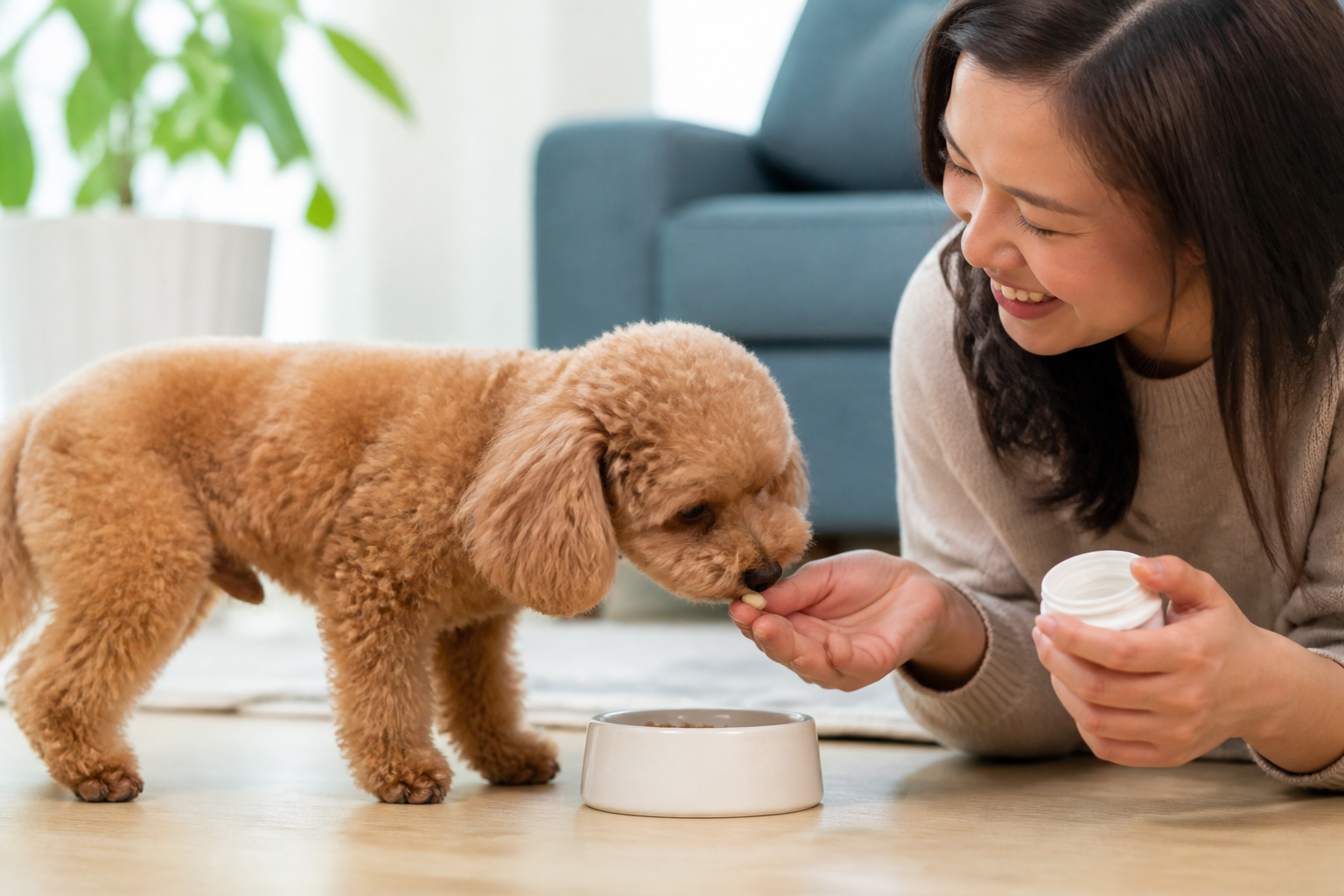
Omega-3 and Omega-6 fatty acids act as natural moisturizers for the skin. Many standard dry kibbles are processed at high heat, which can degrade these sensitive fats. If your cat has chronic dandruff, they may need a boost. Supplements like fish oil or krill oil can help calm skin inflammation from the inside out.
Brands like Zesty Paws or Honest Paws offer targeted skin and coat supplements that are easy to mix into food. These oils help the skin cells stay plump and hydrated. This prevents them from dying off and flaking away prematurely.
Hydration and Wet Food
Cats have a low thirst drive. In the wild, they get most of their water from their prey. If a cat eats only dry kibble, they may live in a state of mild, chronic dehydration. This leads to dry, inelastic skin.
To boost hydration, try these steps:
- Mix a little warm water or tuna water into their meals.
- Switch at least one meal a day to wet cat food like Tiki Cat or Fussie Cat.
- Use a pet water fountain rather than a still bowl to encourage more frequent drinking.
Vet Tip: If your cat has sudden, severe dandruff along with increased thirst or changes in urination, consult your veterinarian. This can sometimes be a sign of internal issues like diabetes or hyperthyroidism that affect skin health.
Grooming Strategies to Remove Flakes
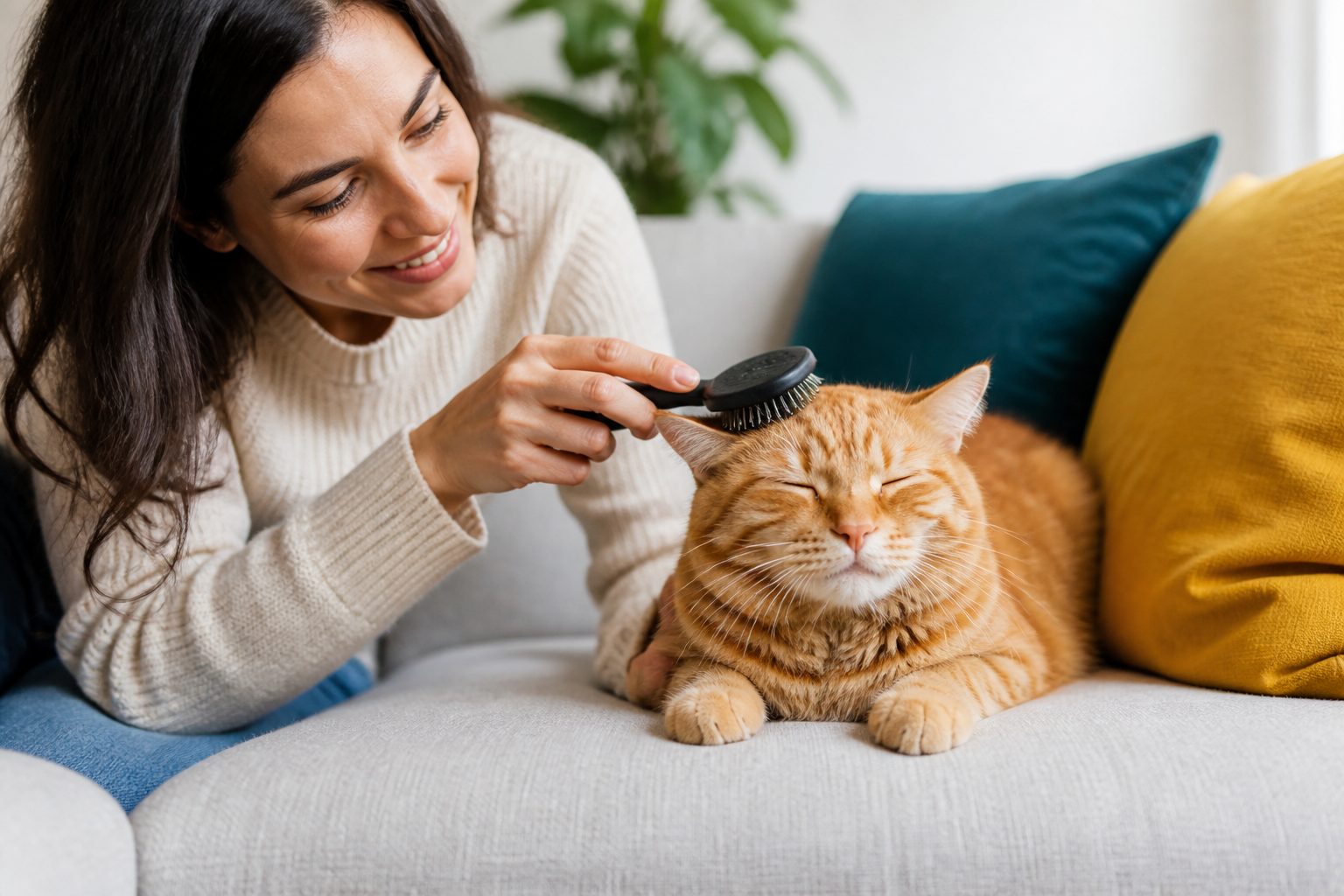
While your cat handles most of the grooming, they might need your help when dandruff appears. Regular brushing is the most effective way to manage flakes at home. It does more than just move the hair. Brushing stimulates the skin and helps distribute natural oils across the entire coat.
Choosing the Right Tools
The type of brush you use depends on your cat's coat length. For short-haired cats, a soft rubber curry brush is excellent. It massages the skin and pulls up loose flakes without being abrasive. For long-haired cats, a stainless steel comb or a slicker brush is necessary to get through the undercoat.
At BaxterBoo, we recommend grooming your cat at least two to three times a week if they have dandruff. If they are older or overweight, you may need to do this daily. Focus on the areas they cannot reach, such as the base of the tail and the middle of the back. Our cat grooming supplies can help you build a consistent brushing routine.
Should You Bathe a Cat with Dandruff?
Most cats find baths very stressful. Since stress can actually make skin conditions worse, a full bath is usually not the first choice. However, if the skin is very greasy or if your vet recommends a medicated shampoo, a bath might be necessary.
If you must bathe them, use a soap-free, moisturizing shampoo specifically formulated for cats. Never use human dandruff shampoo. These products are far too harsh and have the wrong pH balance for feline skin. For a less stressful option, try waterless foam shampoos or grooming wipes. These allow you to clean the fur and moisturize the skin without the drama of the bathtub.
Bottom line: Regular brushing with the right tools distributes natural skin oils and prevents the buildup of dead skin cells.
When Dandruff Requires Medical Attention
Most cases of cat dandruff are minor and react well to home care. However, skin flakes can sometimes be a signal of a more serious health condition. You should look for "red flag" symptoms that suggest a vet visit is needed.
Signs of Infection or Illness
If the skin under the dandruff looks red, raw, or irritated, there may be a fungal or bacterial infection. Ringworm, for example, often starts as flaky skin before progressing to circular bald patches. If your cat is scratching obsessively or biting at their skin, they are likely in discomfort.
Weight loss, lethargy, or a dull coat that feels "staring" or unkempt can indicate metabolic problems. Conditions like kidney disease or dental pain can stop your cat from feeling well enough to groom. In these cases, the dandruff is just a small part of a larger picture.
The BaxterBoo Pharmacy and Prescription Needs
If your vet determines that the dandruff is caused by an underlying medical issue, they may prescribe specific treatments. Our pharmacy offers a wide range of FDA-approved medications through our partnership with Pet's Choice. This includes prescription flea and mite treatments that are much stronger than over-the-counter options.
If your cat is diagnosed with a food allergy that causes skin flaking, your vet might recommend a prescription diet. We carry brands like Farmina Vet Life that are formulated for specific health needs. Having access to a pharmacy that understands pet health makes it easier to manage chronic conditions that affect the skin.
Step 1: Observe the flakes. / Check if they are oily or dry and look for any redness on the skin.
Step 2: Consult your vet. / Get a professional diagnosis to rule out parasites or internal illness.
Step 3: Upload your prescription. / Use our pharmacy service to get the specific medications or diets your vet recommends.
Step 4: Maintain the routine. / Follow the treatment plan consistently to see long-term results.
Environmental Adjustments at Home
Sometimes the fix is as simple as changing the environment. If the air in your home is too dry, no amount of brushing will completely solve the problem. Using a humidifier in the room where your cat spends the most time can make a massive difference.
You should also look at the cleaning products you use. Harsh chemicals on floors or laundry detergents used on cat beds can cause contact dermatitis. This irritation leads to scratching and flaking. Switching to plant-based, non-toxic cleaners can help soothe a sensitive cat's skin.
Managing Stress-Related Skin Issues
Cats are sensitive creatures. Changes in the household, like a new pet, a move, or even a change in your work schedule, can cause stress. Stress often manifests physically in cats. Some cats will over-groom until they have bald spots, while others stop grooming entirely.
Anxious cats may benefit from calming aids. Pheromone diffusers can create a more relaxing environment. When a cat feels safe, their cortisol levels drop, which allows their body to focus on maintaining healthy skin and fur. If you notice the dandruff appeared during a period of change, stress is a likely factor.
Summary of Success Tips
Managing dandruff is a multi-step process. It requires looking at the cat's environment, their food bowl, and their physical ability to groom. Most cats will see an improvement within three to four weeks of making these changes.
- Increase moisture by adding wet food or a water fountain.
- Add an Omega-3 supplement to support the skin's moisture barrier.
- Help your cat groom by brushing them several times a week.
- Use a humidifier during the winter to prevent environmental dryness.
- Treat any parasites immediately with veterinarian-approved products.
Key Takeaway: Effective dandruff management combines internal nutrition, consistent grooming, and a moisture-rich environment.
Conclusion
Cat dandruff is a common issue, but it is one that you can usually manage with consistent care. By paying attention to your cat's coat, you are staying in tune with their overall wellness. Whether the solution is as simple as more brushing or as involved as a prescription diet from the BaxterBoo pharmacy, taking action helps your cat feel their best. Remember that skin takes time to heal, so be patient as you try new routines. A flake-free coat is more than just a cosmetic win; it is a sign that your cat is hydrated, well-nourished, and comfortable. For all your grooming and nutritional needs, explore our full range of cat supplies to find the right match for your pet's skin health.
FAQ
Is it normal for cats to have a little bit of dandruff?
A few small flakes can be normal, especially during seasonal transitions when the weather changes. However, if the dandruff is persistent, covers a large area, or is accompanied by itching, it usually indicates an underlying issue like dry skin or poor grooming.
Can I use my own dandruff shampoo on my cat?
No, you should never use human dandruff shampoo on a cat. Human skin has a different pH balance than feline skin, and many human medications are toxic to cats if they lick their fur after a bath. Always use a soap-free shampoo specifically formulated for cats.
How can I tell if my cat has "walking dandruff"?
Walking dandruff is caused by the Cheyletiella mite and looks like dandruff that actually moves across the fur. It is usually accompanied by intense itching and crusty skin. If you suspect your cat has mites, see a vet immediately as this condition is highly contagious to other pets and humans.
Does switching to wet food really help with dry skin?
Yes, switching to wet food can significantly help because many cats live in a state of mild dehydration on a dry-kibble-only diet. The extra moisture in wet food hydrates the body from the inside out, which directly improves the elasticity and health of the skin.