Save 15% on your 1st Autoship learn more

 Email us
 Live Chat
 FAQs
FAQs





Introduction
You are relaxing on the sofa with your cat when you notice a dusting of white flakes across their glossy coat. This is a common sight for many cat owners, especially along the lower back and the base of the tail. While a few flakes might seem like a simple cosmetic issue, they often signal that your cat needs a little extra help with their skin health or grooming routine. At BaxterBoo, we know that a healthy coat starts from the inside out and requires the right external care. This guide will walk you through the common causes of feline flakes and provide practical steps to clear them away. We will cover grooming techniques, nutritional support, and when it is time to call the veterinarian. Understanding these signs helps you keep your feline friend comfortable and flake free.
Quick Answer: To remove cat dandruff, start by gently brushing your cat daily to distribute natural oils and remove dead skin. Ensure they are eating a high-quality diet rich in omega-3 fatty acids and consider using a humidifier in dry environments. If the dandruff is heavy or accompanied by itching, consult a vet to rule out parasites or underlying health conditions.
Understanding Cat Dandruff versus Dander
It is easy to get cat dandruff and dander confused because the words sound so similar. However, they are two very different things. Dander is microscopic. It consists of tiny skin cells that all cats shed naturally as part of their normal biology. You cannot see dander with the naked eye, but it is often what triggers allergies in humans.
Dandruff is visible. These are the larger white flakes you see sitting on top of the fur or stuck deep in the undercoat. While dander is a normal sign of a healthy body, visible dandruff is usually a sign that the skin is too dry, too oily, or that the cat is not grooming effectively.
You should also be able to tell the difference between dandruff and flea dirt. Flea dirt looks like small specks of black pepper. If you place those black specks on a wet paper towel and they turn red, you are dealing with flea waste rather than dry skin. Dandruff will always remain white or yellowish and will not change color when wet.
Why Cats Struggle with Flaky Skin
The most common reason for dandruff is a breakdown in the grooming process. Cats are famously clean animals that spend hours every day licking their fur. This action does more than just clean the surface. It stimulates the skin and spreads natural oils across the hair shafts. When a cat stops grooming, those oils build up or the skin becomes excessively dry, leading to flakes.
Obesity and Mobility Issues
If your cat is carrying extra weight, they might have trouble reaching specific parts of their body. The lower back and the base of the tail are the most common spots for dandruff in overweight cats. They simply cannot reach those areas to groom them. Similarly, senior cats with arthritis may find it painful to twist and reach their back. This lack of movement leads to a buildup of dead skin and loose fur.
Environmental Dryness
Just like humans, cats react to the air around them. During the winter months, indoor heating systems strip moisture from the air. This dry environment can cause your cat's skin to lose its natural hydration. If you notice the flakes appearing only when the heater turns on for the season, the environment is likely the culprit. For additional cold-weather care, read this guide to cat sweaters and skin safety.
Key Takeaway: Dandruff is often a secondary symptom of a primary problem like restricted mobility or a dry environment rather than just a skin surface issue.
The Role of Nutrition in Skin Health
What your cat eats directly impacts the quality of their skin and coat. The skin is the largest organ of the body, and it requires a significant amount of protein and healthy fats to stay supple. If a diet is lacking in essential nutrients, the skin is often the first place you will see signs of trouble.
Essential Fatty Acids
Omega-3 and Omega-6 fatty acids are the building blocks of healthy skin. These fats help maintain the moisture barrier of the skin cells. Our cat skin and coat supplements include options designed to support these areas. Adding a small amount of fish oil or a dedicated skin supplement can often reduce flakiness within a few weeks.
High-Quality Proteins
Cats are obligate carnivores, meaning they need animal protein to thrive. Brands like Stella and Chewy's or Open Farm focus on high-quality meat sources that provide the amino acids necessary for hair growth. A dull, brittle coat with lots of dandruff can sometimes be resolved by switching to a more nutrient-dense food. You can also explore cat food for skin and coat health.
Vet Tip: If you decide to change your cat's diet to improve their skin, do it slowly over seven to ten days. A sudden change can cause digestive upset, which may temporarily stress the body and make skin issues worse.
Dealing with Parasites and Infections
Sometimes, what looks like simple dry skin is actually an infestation. External parasites are a leading cause of skin irritation and flaking in cats. Even indoor cats can pick up hitchhikers from shoes, clothing, or other pets that go outside.
Fleas and Mites
Flea bites cause inflammation. This leads to scratching, which creates more skin flakes. There is also a specific mite known as Cheyletiella, which is often called walking dandruff. These mites are large enough to see, and as they move under the scales of the skin, it looks like the dandruff is crawling.
Fungal and Bacterial Infections
Ringworm is a common fungal infection that causes circular patches of hair loss and heavy flaking. This is a zoonotic condition, meaning it can spread to humans and other pets. Bacterial infections can also cause the skin to become crusty or oily, resulting in yellowish flakes that stick to the hair.
Our cat pharmacy offers prescription options for these issues through our pharmacy services. If your cat has an underlying infection, they may require prescription medications or medicated shampoos that you can order once you have a prescription from your vet.
Bottom line: Parasites like fleas and mites require medicinal intervention to stop the cycle of skin damage and flaking.
Practical Steps to Remove Dandruff at Home
Once you have ruled out serious medical concerns, you can start a routine to clear the flakes. Consistency is the most important part of this process.
Step 1: Choose the right tools. / Use a soft-bristled brush or a fine-toothed metal comb. Avoid harsh de-shedding tools that might scratch already irritated skin. Our cat grooming brushes and combs can help you choose an appropriate tool.
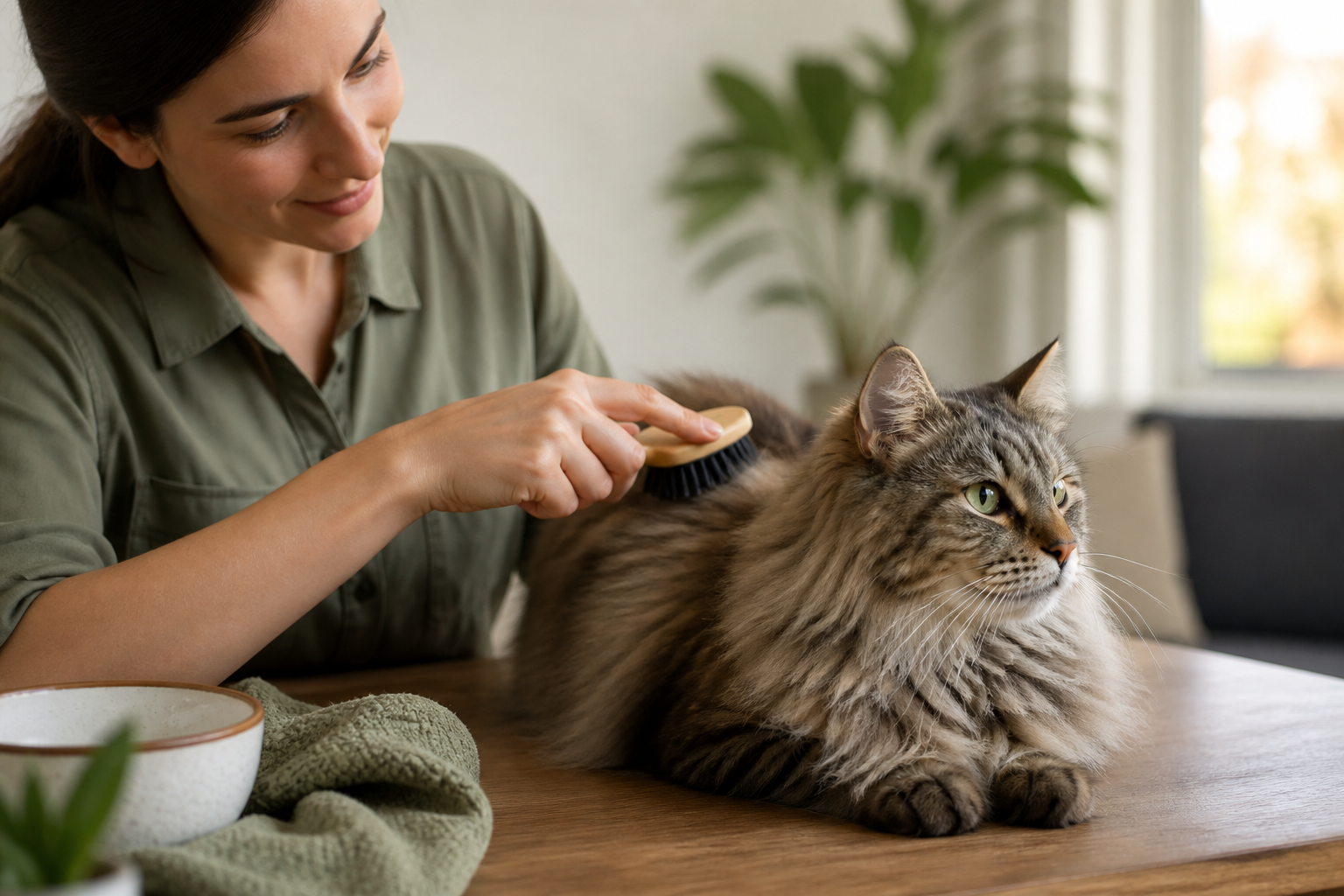
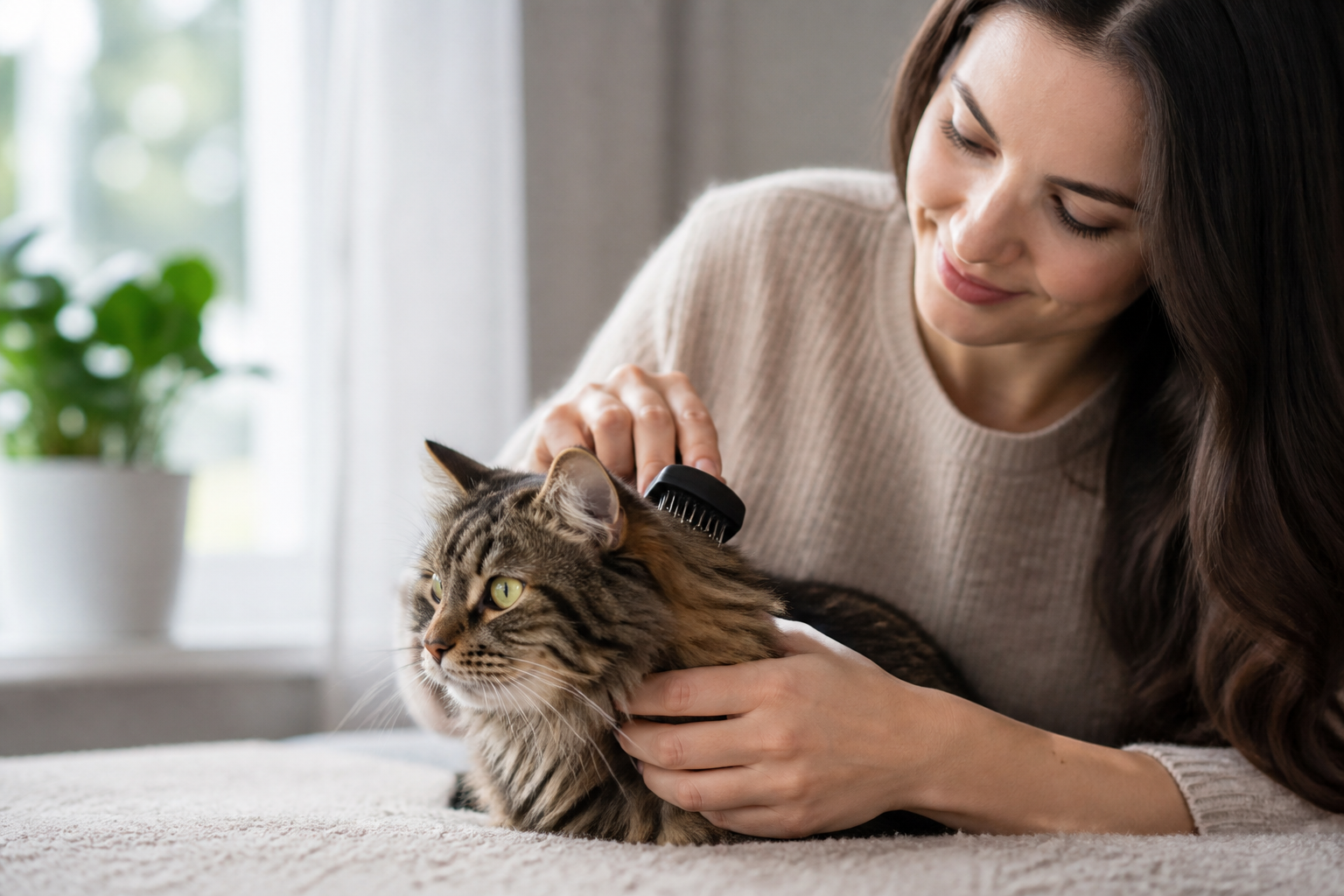
Step 2: Establish a daily brushing routine. / Spend five minutes every day gently brushing the affected areas. This physically lifts the flakes and moves natural oils down the hair shaft.
Step 3: Use grooming wipes. / If your cat hates baths, use hypoallergenic grooming wipes. These can help remove surface flakes and add a bit of moisture back to the fur without the stress of a tub. Browse waterless cat grooming options for no-rinse solutions.
Step 4: Hydrate the air. / Place a humidifier in the room where your cat spends the most time. Keeping the humidity between 40 and 50 percent can prevent the skin from drying out.
To Bathe or Not to Bathe?
Most cats do not need regular baths. In fact, bathing a cat too often can strip away the very oils they need to stay flake free. However, if the dandruff is very heavy or oily, a one-time bath with a gentle, soap-free cat shampoo might help reset the skin. Always ensure the water is lukewarm and that you rinse the coat thoroughly. Leftover soap residue will cause even more itching and flaking.
Senior Cat Care and Mobility Support
Senior cats deserve special attention when it comes to grooming. As they age, they may develop "stud tail" or heavy scaling along the spine because they simply cannot reach those spots anymore. This is often due to osteoarthritis, which makes the twisting motion of grooming very uncomfortable.
If you have an older cat, you should take over the grooming duties for them. We recommend checking their skin once a week for any new lumps or red patches. If your vet confirms your senior cat has joint pain, they might suggest mobility aids or supplements like Cosequin to help them feel more limber.
Our pharmacy carries various prescription options for feline arthritis and pain management. Helping your cat manage their pain often results in them returning to their normal grooming habits, which naturally resolves the dandruff.
Key Takeaway: For older cats, dandruff is frequently a sign of "grooming gaps" caused by physical discomfort or age-related stiffness.
When to Consult Your Veterinarian
While many cases of cat dandruff are minor, some require professional help. Skin health is often a window into the internal health of a cat. If your cat's dandruff is accompanied by other changes, it is time for a checkup.
- Excessive Itching: If your cat is constantly scratching, licking, or biting at their skin, they may have an allergy or a parasite problem.
- Hair Loss: Thinning fur or bald patches along with dandruff can point to ringworm or endocrine issues like hyperthyroidism.
- Changes in Thirst or Urination: Conditions like diabetes or kidney disease can cause dehydration, which leads to very dry, flaky skin.
- Skin Lesions: If you see scabs, redness, or oozing areas, your cat likely has a secondary bacterial infection.
Vet Tip: Always bring a list of your cat's current food and any supplements to the vet. This helps them determine if the dandruff is related to a nutritional deficiency or a food sensitivity.
Managing Stress-Related Flakes
You might notice that your cat suddenly develops a "dusting" of flakes when they are at the vet or when a new person enters the house. This is a real phenomenon. Stress causes the tiny muscles at the base of the hair follicles to contract. This can cause loose skin cells to be pushed to the surface all at once.
If your cat is generally anxious, managing their stress can improve their skin. Using calming pheromone diffusers from brands like Jackson Galaxy can help create a more relaxed environment. When a cat feels safe, their nervous system functions better, which supports overall skin health and regular grooming behaviors. Explore cat stress and anxiety support for additional options.
- Provide vertical space (cat trees) for security.
- Stick to a predictable feeding and play schedule.
- Use interactive toys to reduce boredom-related stress.
- Ensure they have a quiet place to retreat from household noise.
Long-Term Prevention Strategies
Preventing dandruff is much easier than removing a heavy buildup of flakes. Once you get your cat's skin back to a healthy state, maintain it with these simple habits.
First, keep up with flea and tick prevention year-round. Even in the winter, fleas can survive inside your home. Products like Frontline or NexGard are essential for preventing the irritation that leads to flakes. Second, ensure your cat stays hydrated. Many cats prefer running water, so a fountain can encourage them to drink more. Proper hydration keeps the skin elastic and moist from the inside.
Finally, stay on top of weight management. If your cat stays at a healthy weight, they can groom themselves effectively for their entire lives. If you need help with a weight loss plan, our pharmacy carries prescription weight management diets from Farmina Vet Life and Royal Canin that can help your cat reach their goals safely.
Conclusion
Cat dandruff is a common issue that is usually easy to manage with the right approach. By focusing on gentle daily grooming, high-quality nutrition, and a comfortable home environment, you can help your cat maintain a beautiful, flake-free coat. Remember that dandruff is often a signal that something else is going on, whether it is dry air or a struggle with mobility. We are here to help you support your cat through every life stage, from providing the best brushes to fulfilling prescription needs through our pharmacy partnership with Pet's Choice.
- Brush your cat daily to move natural oils through the fur.
- Add omega-3 supplements to support the skin's moisture barrier.
- Use a humidifier to combat dry indoor air.
- Consult a vet if dandruff is paired with itching or hair loss.
Bottom line: A proactive approach to grooming and nutrition is the best way to keep your cat's skin healthy and their coat shiny.
FAQ
Can I use human dandruff shampoo on my cat?
No, you should never use human dandruff shampoo on a cat. These products often contain ingredients like zinc pyrithione or salicylic acid that can be toxic if your cat licks their fur. Cats have a different skin pH than humans, and human products can cause severe irritation or even chemical burns. Always use a shampoo specifically formulated for felines.
Why does my cat only get dandruff on her lower back?
The lower back and the base of the tail are the hardest areas for a cat to reach. If a cat is overweight, has arthritis, or is simply feeling a bit stiff, they may skip grooming these spots. This leads to a buildup of dead skin cells and loose fur that eventually looks like a heavy layer of dandruff.
Does "walking dandruff" mean my cat has mites?
Yes, walking dandruff is the common name for Cheyletiella mites. These parasites live on the surface of the skin and are large enough to be seen with a magnifying glass. They look like white flakes that move on their own. If you suspect your cat has these mites, you should visit a vet for a specific anti-parasitic treatment.
Will changing my cat's food get rid of dandruff?
It can, especially if the current food is low in essential fatty acids or high-quality protein. However, diet changes take time to show results on the skin, often between four and six weeks. It is best to consult your veterinarian before switching foods to ensure the new diet meets all of your cat's specific health requirements.