
 Save 15% on your 1st Autoship learn more

 Email us
 Live Chat
 FAQs
FAQs





Introduction
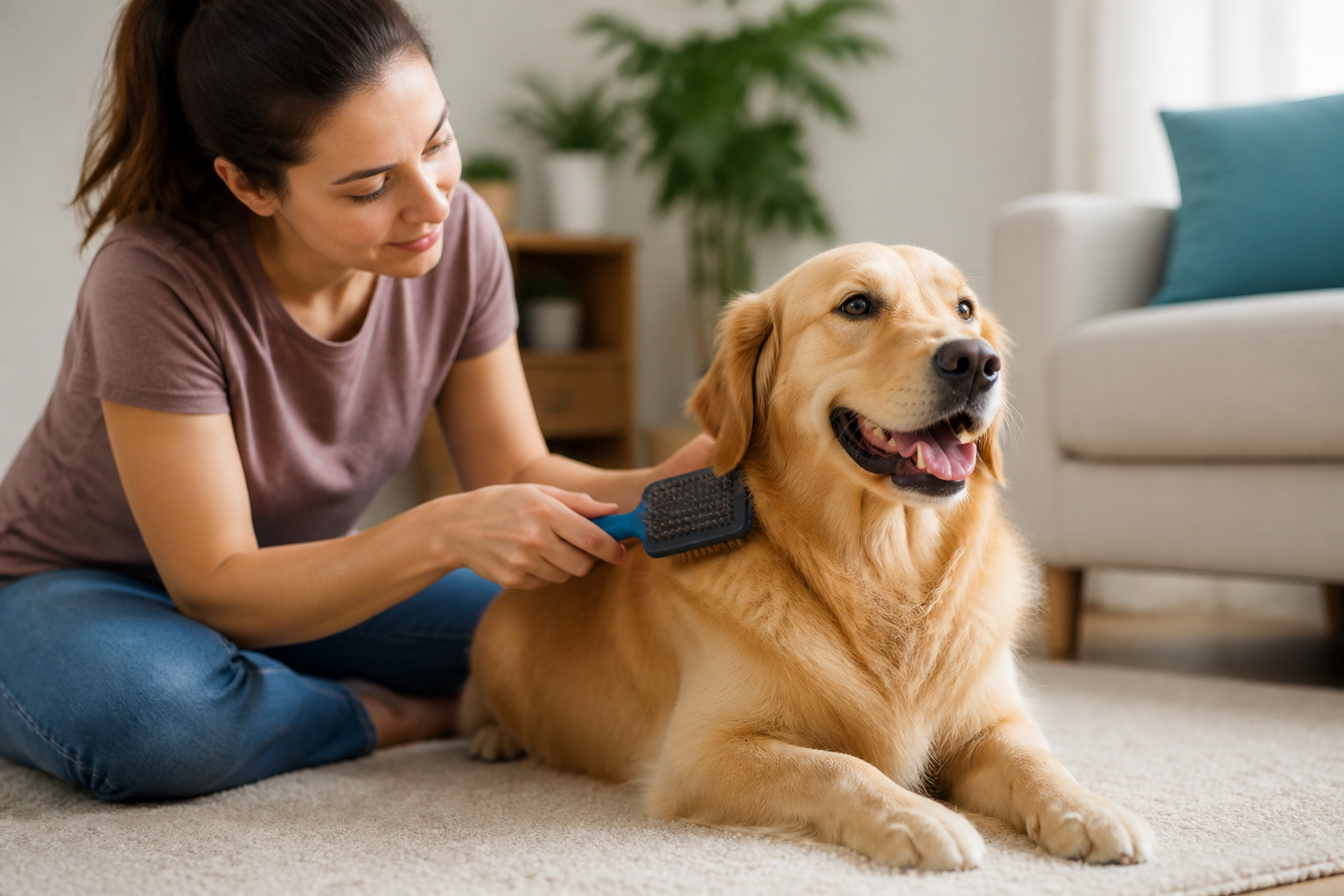
You reach for the grooming kit and your dog immediately vanishes under the dining room table. This common scene turns a necessary care task into a stressful game of hide and seek. Brushing is essential for preventing painful mats and keeping skin healthy, but many dogs view the brush as a foe rather than a friend. At BaxterBoo, we believe that grooming should be a calm bonding moment rather than a weekly battle of wills. This guide covers practical steps to change your dog's perspective through positive reinforcement and the right techniques. By moving slowly and using high value rewards, you can help your dog learn to relax and even enjoy the sensation of being groomed. You will transform your routine from a chore into a rewarding experience for both of you.
Quick Answer: Train your dog to like brushing by using high value treats to create a positive association with the tools. Start with very short sessions that focus on low sensitivity areas like the back before gradually moving to legs and ears.
Understanding Why Dogs Resist the Brush
Before you start training, you must understand why your dog wants to escape. For many dogs, the resistance is not about being stubborn. It is often about fear or physical discomfort. If a dog has experienced painful pulling from mats in the past, they will remember that sensation every time the brush appears. Their skin is also much more sensitive than ours. A brush that feels fine on your arm might feel scratchy or sharp to a dog with a thin coat or sensitive skin.
Some dogs are simply sensitive about their personal space. Areas like the paws, tail, and face are highly sensitive zones. When you approach these areas with a strange metal or plastic object, it can trigger a defensive response. Puppies may be impatient because they have too much energy to sit still. Senior dogs might have stiff joints that ache when you move their limbs to reach certain spots. Identifying the root cause helps you adjust your training approach.
Vet Tip: if your dog yelps or snaps during brushing, they may have underlying skin irritation or joint pain. Consult your veterinarian to rule out medical issues like dermatitis or arthritis before starting a new grooming routine.
Common Signs of Grooming Anxiety
- Tucking the tail between the legs.
- Panting or licking the lips excessively.
- Whites of the eyes showing (whale eye).
- Rigid body posture or trembling.
- Nipping at the brush or your hands.
Selecting the Right Grooming Tools
The wrong tool can make training nearly impossible. If the bristles are too stiff or the pins are too sharp, your dog will stay in a state of high alert. We carry a wide variety of brushes in our dog grooming collection designed for different coat types. Choosing the one that matches your dog's specific needs is the first step toward success.
A slicker brush is a standard choice for many breeds, but the wire pins can be intimidating for beginners. Look for versions with coated tips to prevent skin scraping. For short haired dogs, a rubber curry brush like those made by Kong is an excellent training tool. The rubber nubs feel like a massage and are much less likely to cause a negative reaction. For long haired dogs, a metal Greyhound comb is essential for finding knots, but it should only be used after the coat is mostly smooth.
Checklist for Choosing Your Kit
- Identify your dog's coat type (double coat, single coat, wire, or curly).
- Check the tips of the brush pins for smoothness.
- Ensure the tool is the correct size for your dog's body.
- Consider a grooming glove for extremely fearful dogs.
- Have a high quality detangling spray on hand to reduce pulling.
Creating a Positive Association
Training begins before the brush even touches the fur. You want the sight of the brush to mean that something wonderful is about to happen. This process is called counter conditioning. You are changing the emotional response from "fear" to "excitement."
Start by placing the brush on the floor. Every time your dog walks over to sniff it, give them a high value treat. Pieces of plain boiled chicken or small bits of cheese work well. Do not try to brush them yet. Just let the brush exist in their space while they eat. After a few sessions, the dog should start looking at you for a treat the moment you bring the brush out. This means the positive association is beginning to take hold.
Key Takeaway: Never use the brush to tease or poke your dog. The brush must only be associated with calm energy and rewards to build long term trust.
The Step by Step Training Process
Once your dog is comfortable with the presence of the brush, you can move on to physical contact. Follow these steps slowly. If your dog shows signs of stress, go back to the previous step.
Step 1: The Scent and Sight / Place the brush in your hand and let your dog sniff it. Reward them immediately with a treat. Repeat this ten times until they are wagging their tail at the sight of the tool.
Step 2: The Reverse Touch / Turn the brush over so the bristles are facing away from the dog. Gently touch the smooth back of the brush to your dog’s shoulder. Reward them while the brush is touching them. This gets them used to the weight and sensation without any pulling.
Step 3: The Single Stroke / Turn the brush around. Perform one very gentle, short stroke on the shoulder or back. This is usually the least sensitive area. Give a treat immediately. Stop the session there.
Step 4: Building Duration / Increase to two or three strokes. Always follow the grooming with a reward. Gradually move from the shoulders to the back and then the sides. Keep sessions under two minutes.
Step 5: Handling Sensitive Zones / Start working toward the legs, tail, and ears. These areas require more treats and a much lighter touch. Only do one stroke in a sensitive area per session at first.
Bottom line: Consistency and brevity are more important than finishing the whole dog in one sitting.
Techniques for Brushing Difficult Areas
The legs and face are the most common places where dogs pull away. For the legs, do not lift the limb high off the ground. This can feel unstable and scary for a dog. Instead, keep the paw close to the floor and support the joint with your hand. Use very short strokes. If your dog likes to mouth the brush, give them a distraction. A lick mat covered in peanut butter can keep their head busy while you work on their front legs.
For the face and ears, use a very small brush or even a soft toothbrush to start. Move slowly and avoid the eyes. If your dog is particularly reactive about their ears, you can start by just massaging the ears with your hands while giving treats. Once they enjoy the ear massage, introduce the brush into the motion.
Managing Mats and Skin Health
Mats are not just an aesthetic issue. They pull on the skin and can cause sores or infections. If you find a mat during training, do not try to brush it out immediately. This will cause pain and ruin your training progress. Use a detangling spray to lubricate the hair. Hold the mat at the base, close to the skin, so you are not pulling on the dog's body while you work the knot loose.
If your dog has chronic skin issues or allergies, brushing can be even more uncomfortable. Red, inflamed skin is very tender. Our pharmacy offers FDA approved treatments for skin conditions through our partnership with Pet's Choice. If your dog's skin looks flaky, red, or has an odor, talk to your vet about a prescription shampoo or medication. Once the skin is healthy, your dog will be much more likely to tolerate the brush. Explore our dog healthcare collection for additional skin and coat care options.
Vet Tip: Never use scissors to cut out a mat. Dog skin is very thin and can easily be pulled into the knot. You could cause a severe laceration without realizing it. Use a specialized mat breaker or seek professional help.
Troubleshooting Common Problems
If your dog starts biting the brush, they are telling you they have had enough. Do not scold them. Simply stop the session and take a break. You may have moved too fast. When you start again, go back to a step they were comfortable with. If the dog is very high energy, try brushing them after a long walk when they are naturally more relaxed.
For dogs that are truly terrified, consider using a grooming glove. These fit over your hand and allow you to "pet" the dog while removing loose fur. It feels more natural to them than a plastic or metal tool. Once they accept the glove, you can slowly reintroduce a soft bristle brush. Our dog brushes and combs include options for different coat types and comfort levels.
Training Tips for Success
- Keep your own energy calm and relaxed.
- Use a "release word" like "all done" so the dog knows when they are free to go.
- Groom in a well lit area where the dog feels secure.
- Never chase your dog with the brush.
- Always end on a successful note, even if you only did one stroke.
Professional Support and Maintenance
Sometimes a dog's coat is too far gone for home maintenance to be safe. If your dog is severely matted, it is kinder to have a professional groomer shave the coat and start fresh. This allows you to begin your training on a clean slate with a short, easy to manage coat.
Regular brushing is a lifelong commitment. Even short haired breeds benefit from the removal of dander and loose hair. It also allows you to check for lumps, bumps, or parasites like fleas and ticks. We provide a range of flea and tick preventatives in our pharmacy to keep your pet protected while you maintain their coat. Making this part of your weekly routine ensures your dog stays healthy and comfortable.
Conclusion
Training your dog to enjoy grooming takes patience, but the results are worth the effort. By using positive reinforcement and moving at your pet's pace, you turn a stressful event into a peaceful one. Remember to use the right tools for your dog's specific coat and keep sessions short and sweet.
- Start with scent and sight.
- Use high value treats like chicken or cheese.
- Focus on short, successful sessions.
- Address skin issues with your vet.
Our pet pharmacy is here to help with any skin or anxiety medications your pet might need to make grooming easier. Consider setting up our Autoship programme for your favorite grooming sprays and treats so you never run out during your training journey.
FAQ
How long does it take to train a dog to like brushing?
The timeline depends on the dog's past experiences and temperament. Some dogs may accept the brush within a week, while others with deep seated fears may take several months of daily work. Consistent, two minute sessions are more effective than one long session per week.
What should I do if my dog tries to bite the brush?
If your dog snaps or bites, stop the session immediately and give them space. This is a sign that they are overwhelmed or in pain. Re-evaluate your tool choice and ensure you are not pulling on mats. You may need to consult a professional trainer or groomer if the aggressive behavior continues.
Can I brush my dog while they are eating their dinner?
Brushing during mealtime can be a great distraction for some dogs, but it can cause others to become protective of their food. It is usually better to use specific, high value treats that are only given during grooming. This creates a more focused association with the brush itself.
My dog is fine with their back but hates their paws being touched. How do I fix this?
Paw sensitivity is very common in dogs. Start by simply touching their leg without the brush and giving a treat. Work your way down to the paw over several days. Once they accept your hand touching their paw, introduce the brush for just one second at a time.






