
 Save 15% on your 1st Autoship learn more

 Email us
 Live Chat
 FAQs





Introduction
You are petting your cat and notice tiny white flakes scattered across their fur. It often looks like a light dusting of salt or snow on their back. While a few occasional flakes might seem minor, seeing them regularly usually means your cat’s skin needs some extra attention. At BaxterBoo, we know that a shiny, flake-free coat is one of the clearest signs of a happy and healthy cat. This guide explains why these flakes appear and how you can treat cat dandruff at home using simple grooming and nutrition changes. We will cover the difference between normal skin shedding and potential health concerns. You will learn practical steps to help your cat feel comfortable and look their best. Treating dandruff is often about getting back to the basics of consistent feline wellness.
Understanding Cat Dandruff vs. Dander
Many pet owners use the terms dander and dandruff interchangeably, but they are different. Dander consists of microscopic skin cells that all cats shed naturally. You usually cannot see dander with the naked eye. It is the primary cause of allergies in humans, but it is a normal part of a cat's biology.
Dandruff is different because the flakes are large enough to be visible. It occurs when the skin becomes irritated or dry, causing cells to clump together and fall off in noticeable white specks. While dander is inevitable, dandruff is a sign that the skin is out of balance.
You should also be able to tell the difference between dandruff and flea dirt. Flea dirt looks like tiny grains of black pepper. If you put those black specks on a wet paper towel and they turn red, you are dealing with flea waste rather than dry skin.
Quick Answer: Cat dandruff consists of visible white flakes caused by dry or irritated skin. Unlike microscopic dander, dandruff is often a signal that your cat needs better hydration, improved grooming, or a change in diet.
Cat Skin & Coat Care













Common Reasons for Feline Flakes
Before you can treat cat dandruff at home, you need to identify why it is happening. Cats are generally excellent at self-grooming, which usually removes dead skin cells before you ever see them. If flakes are building up, something is likely interrupting that natural process.
Difficulty with Self-Grooming
If a cat stops grooming effectively, dead skin and natural oils build up on the surface. This is very common in senior cats who may be dealing with joint stiffness or arthritis. They might find it painful to reach their lower back or the base of their tail.
Obesity is another major factor. Overweight cats often cannot reach certain parts of their bodies. You will often see dandruff concentrated on the middle of the back and near the hindquarters in cats with mobility issues.
Environmental Dryness
The air inside your home plays a big role in skin health. During the winter months, indoor heating systems strip moisture from the air. This can lead to dry, itchy skin for both you and your cat. If you notice the dandruff is worse when the heater is running, the environment is likely the culprit.
Dietary Deficiencies and Hydration
Healthy skin requires specific nutrients to maintain its moisture barrier. If a cat's diet is low in Omega-3 fatty acids, their skin can become brittle and flaky. Hydration is also essential. Cats have a low thirst drive and traditionally get most of their water from their food. If they eat only dry kibble and do not drink enough water, systemic dehydration can manifest as dry skin.
Key Takeaway: Dandruff is frequently a secondary symptom of a primary issue like mobility, environment, or nutrition. Identifying the location of the flakes can help you determine if the problem is a lack of grooming or a systemic health issue.
How to Treat Cat Dandruff at Home Through Grooming
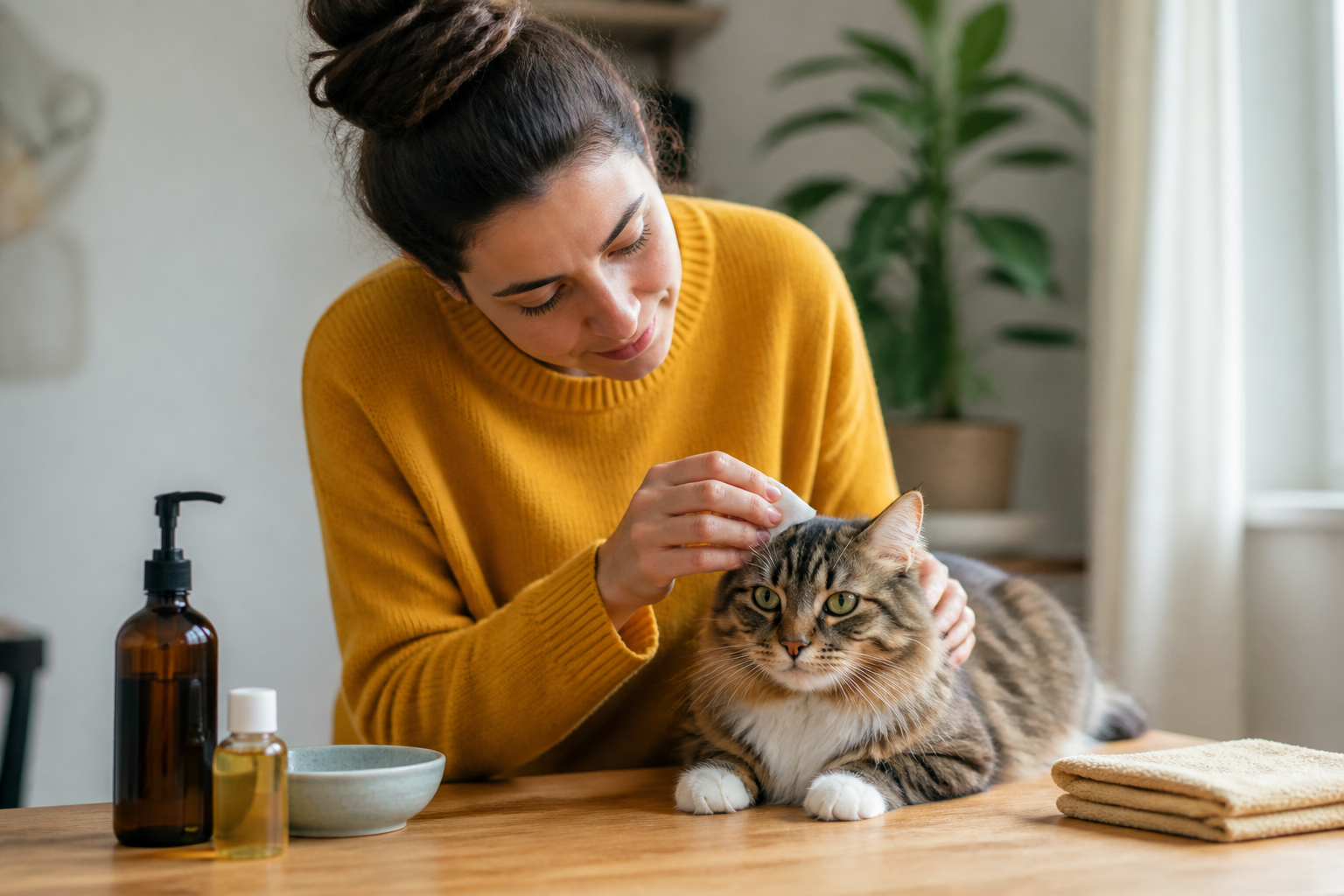
Consistent grooming is the first line of defense against flakes. If your cat cannot do the job themselves, you must step in. This does not mean you need to give them a bath. In fact, most cats find baths very stressful, and stress can actually trigger more skin issues. Explore our cat grooming supplies for brushes, wipes, and other feline care tools.
Establish a Brushing Routine
Brushing helps in two ways. First, it manually removes the dead skin cells that have already accumulated. Second, it stimulates the skin and helps distribute natural oils across the entire coat. These oils act as a natural moisturizer.
Step 1: Choose a soft-bristled brush or a grooming glove. These are gentler on sensitive skin than metal deshedding tools.
Step 2: Start with short, five-minute sessions. Focus on the areas where your cat cannot reach, such as the base of the spine.
Step 3: Brush in the direction of hair growth. Use long, gentle strokes to avoid tugging on the skin.
Step 4: Reward your cat with a small treat afterward. This creates a positive association with the grooming process.
Using Grooming Wipes
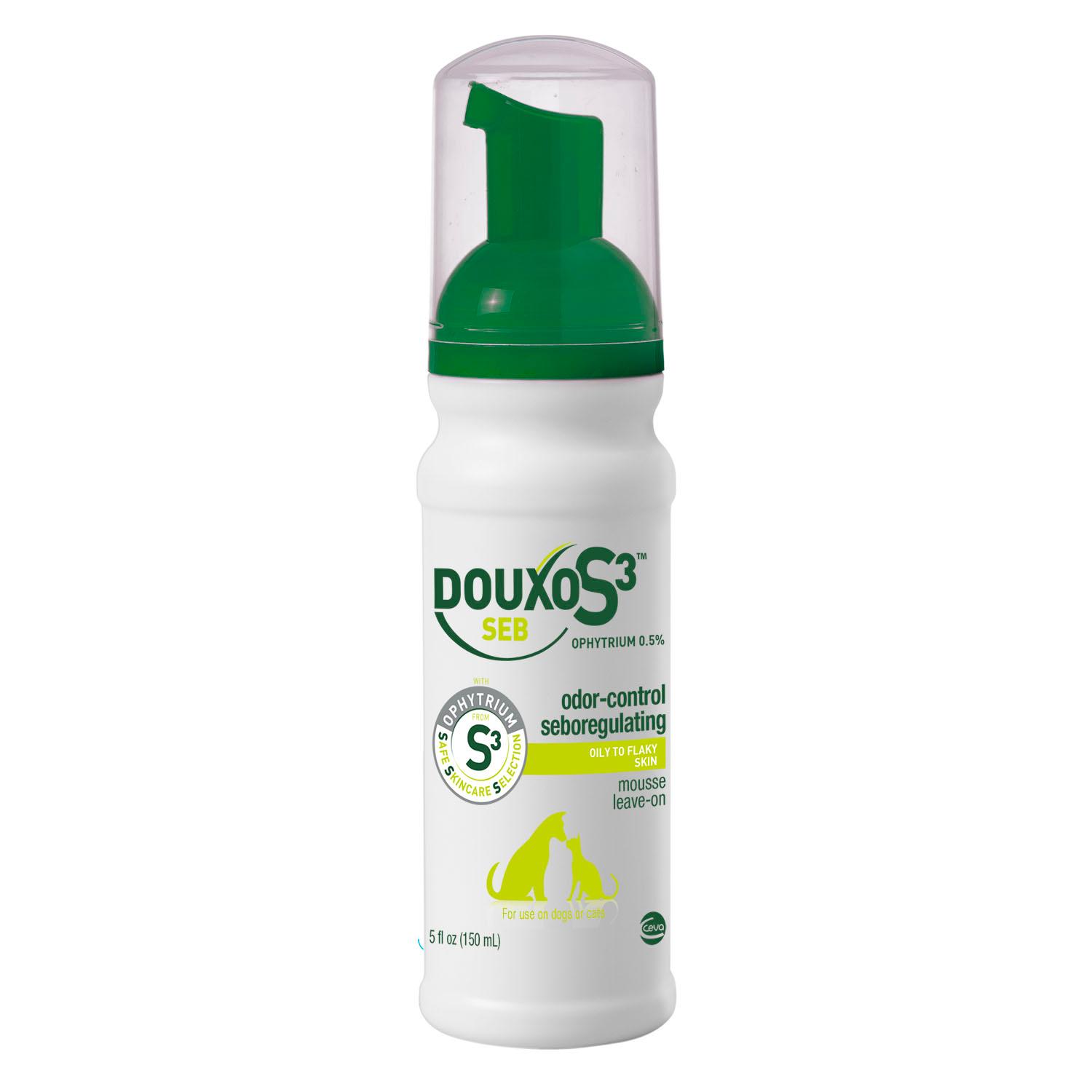
If your cat's coat feels greasy or has a lot of buildup, consider using cat-specific grooming wipes. These are much easier to use than a full bath. They can help remove allergens and dander without soaking the skin. Look for wipes that contain soothing ingredients like aloe or oatmeal. You can also browse waterless grooming options for cats when a traditional bath would be stressful.
Vet Tip: If you notice your cat’s skin is red, scaly, or has open sores, stop grooming that area and consult your veterinarian. These symptoms could indicate a fungal infection like ringworm or a bacterial skin infection that requires prescription treatment.
Improving Skin Health from the Inside Out
To truly treat cat dandruff at home, you have to look at what goes into your cat’s bowl. Topical treatments only address the symptoms, but nutrition addresses the cause.
Boosting Omega-3 Fatty Acids
Omega-3 fatty acids are essential for maintaining the skin's lipid barrier. This barrier keeps moisture in and irritants out. Many standard cat foods meet the minimum requirements, but some cats need a higher concentration to stay flake-free.
We carry several high-quality supplements at BaxterBoo that can be easily added to your cat's daily meals. Fish oil, such as salmon or pollock oil, is usually the most effective source for felines. You can find these in pump bottles or soft chews from brands like Zesty Paws or Honest Paws. Always start with a small amount to ensure your cat's stomach handles the new addition well.
Transitioning to Wet Food
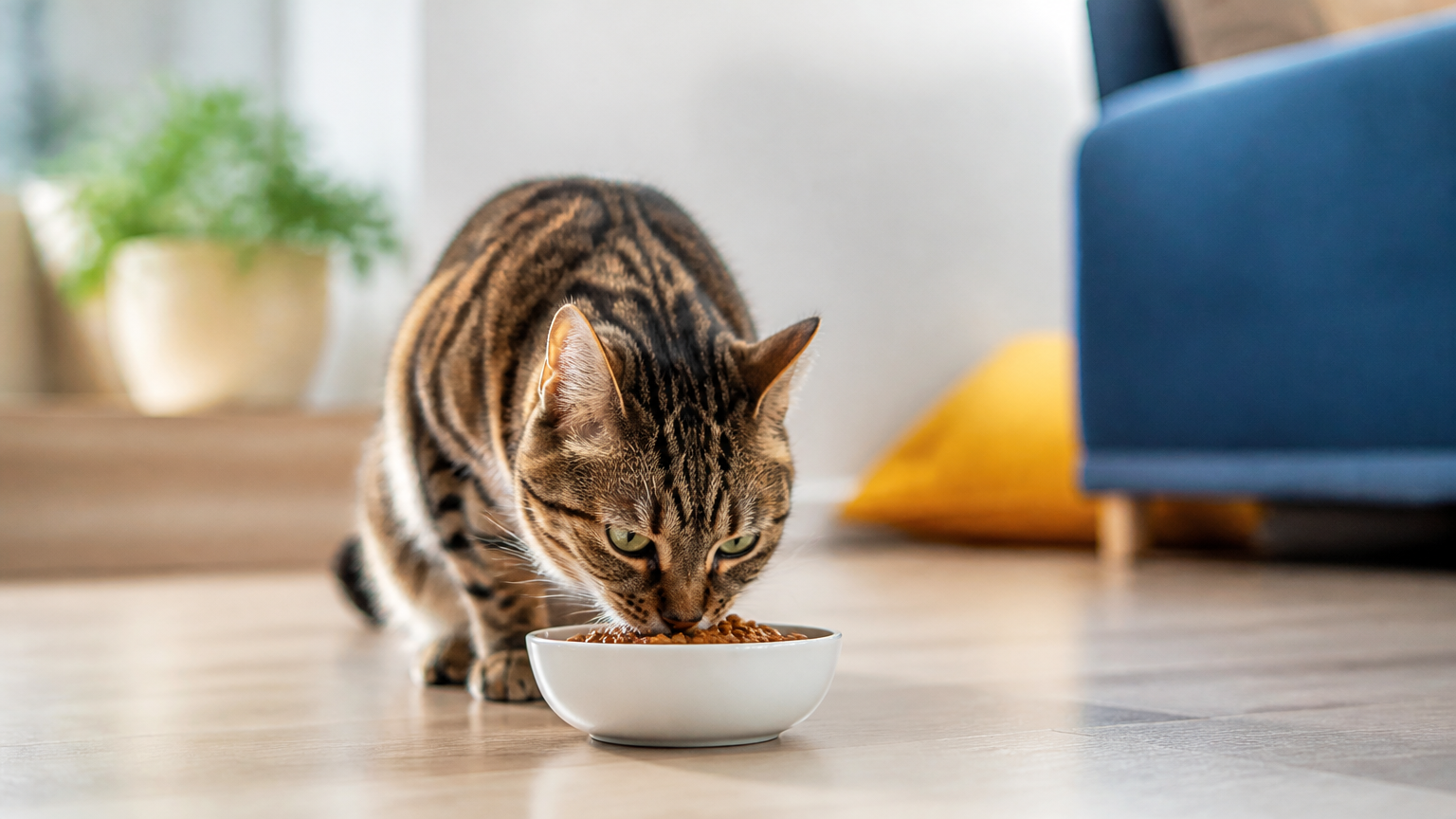
If your cat currently eats only dry food, try introducing wet food into their routine. Wet food has a much higher moisture content, which directly impacts skin hydration. Brands like Tiki Cat, Fussie Cat, and Weruva offer moisture-rich recipes that cats love. If your cat is a picky eater, you can start by adding a little warm water or a specialized cat broth to their current kibble. Browse our cat food selection to compare wet, dry, and specialty recipes.
Bottom line: Hydration and healthy fats are the building blocks of a healthy coat. Switching to a moisture-rich diet can often clear up mild dandruff within a few weeks.
Creating a Feline-Friendly Environment
Sometimes the solution to cat dandruff is changing the air around them. This is especially true if you live in a climate with harsh winters or very low humidity.
Use a Humidifier
Adding a humidifier to the room where your cat spends the most time can make a massive difference. Increasing the humidity levels to around 40 or 50 percent helps prevent the skin from drying out. This is a simple, non-invasive way to treat cat dandruff at home during the colder months.
Reduce Stress
Cats are sensitive creatures. Changes in the household, such as a new pet or a move, can cause stress. Stress often leads to a "stress shed," where the cat loses more hair and skin cells than usual. If your cat seems anxious, try using pheromone diffusers or providing more vertical space for them to hide and feel safe.
When to Suspect Parasites or Health Issues
While many cases of dandruff are environmental or nutritional, some are caused by pests. Fleas and mites can cause intense itching and inflammation. This leads to scratching, which creates more flakes.
Flea and Tick Prevention
Even indoor cats can get fleas. They can travel inside on your clothes or other pets. A consistent flea preventive is necessary to keep the skin healthy. You can review our cat pharmacy options when your veterinarian recommends medication or prescription support.
Many of these effective options require a prescription from your vet, which our pharmacy team can help coordinate.
Walking Dandruff
There is a specific type of mite called Cheyletiella that is often called "walking dandruff." These mites look like white flakes, but if you watch closely, you can see them moving across the skin. This is highly contagious to other pets and requires specific medical treatment.
Vet Tip: If your cat's dandruff appears as large "sheets" of skin or is accompanied by weight loss, increased thirst, or lethargy, it may be a sign of a metabolic condition like hyperthyroidism or diabetes. Schedule a veterinary exam to rule out these underlying health issues.
Supporting Your Cat Through Every Life Stage
As cats age, their needs change. A senior cat might need a different approach to treat cat dandruff at home than a kitten. Senior cats often benefit from specific joint supplements like Cosequin to help them stay mobile enough to groom. If they can move comfortably, they can keep their skin cleaner.
For cats with severe skin allergies, your veterinarian might recommend a prescription diet. These diets are formulated to eliminate common allergens and provide a very high level of skin-supporting nutrients. You can find many of these specialized diets, such as Royal Canin Veterinary Diet or Farmina Vet Life, through the BaxterBoo pharmacy. These products are expertly curated to ensure your pet gets the exact nutrition they need for their specific condition.
Key Takeaway: Keeping your cat flake-free is an ongoing process that involves proper tools, the right food, and proactive health management. Regular veterinary checkups ensure that your home care routine is on the right track.
Managing Weight for Better Skin
If your cat is overweight, they simply cannot reach their middle and lower back. This lack of access leads to oil and skin cell buildup that eventually turns into dandruff. Helping your cat reach a healthy weight is one of the most effective ways to treat cat dandruff at home for the long term.
- Measure every meal using a standard measuring cup.
- Limit high-calorie treats and focus on play for rewards.
- Switch to a weight-management formula if recommended by your vet.
- Use food puzzles to encourage movement and slow down eating.
As your cat loses weight, they will regain the flexibility needed to groom those hard-to-reach spots. You will likely see the dandruff disappear as their grooming habits return to normal.
Bottom line: Weight management is skin management. A lean cat is a more mobile cat, and a mobile cat can maintain its own coat health more effectively.
Conclusion
Seeing white flakes on your cat can be worrying, but most cases of dandruff are manageable with the right home care. By focusing on gentle brushing, increasing moisture in the diet, and using supplements like fish oil, you can help your feline friend feel much more comfortable. Remember to keep an eye out for more serious symptoms like redness or behavioral changes. The team here at BaxterBoo is ready to help you find the right grooming tools, premium foods, and supplements to keep your cat’s coat shining. If your vet recommends a specific medication or prescription diet, our pharmacy is a convenient resource for all your pet's health needs. For consistent savings on the supplies that keep your cat healthy, consider signing up for our Autoship programme to earn a free MVP Gold membership.
FAQ
Can I use human dandruff shampoo on my cat?
No, you should never use human dandruff shampoo on a cat. These products are formulated for the pH levels of human skin and often contain ingredients like zinc or coal tar that can be toxic if your cat licks their fur. Always use a shampoo or grooming wipe specifically designed for felines.
How long does it take for cat dandruff to go away?
If the dandruff is caused by dry air or minor nutritional gaps, you may see improvement in two to four weeks. Skin cells take time to regenerate, so consistency with brushing and supplements is important. If you do not see any change after a month of home care, it is time to consult a veterinarian.
Does my cat have dandruff or fleas?
Dandruff appears as white or translucent flakes that are flat and irregular in shape. Flea dirt looks like tiny black specks that resemble ground pepper. If you brush the debris onto a damp white paper towel and the specks turn reddish-brown, your cat has fleas and needs a parasite treatment rather than just skin support.
Is cat dandruff contagious to humans?
Standard cat dandruff caused by dry skin or poor grooming is not contagious to humans. However, if the "dandruff" is actually caused by parasites like Cheyletiella mites or a fungal infection like ringworm, those can be passed to humans and other pets. Always wash your hands after grooming a cat with flaky skin.





- Site & Contents BaxterBoo.com. BaxterBoo is located in the United States.
- Privacy & Security
- Terms of Use
- Accessibility Statement
