
 Save 15% on your 1st Autoship learn more

 Email us
 Live Chat
 FAQs
FAQs





Introduction
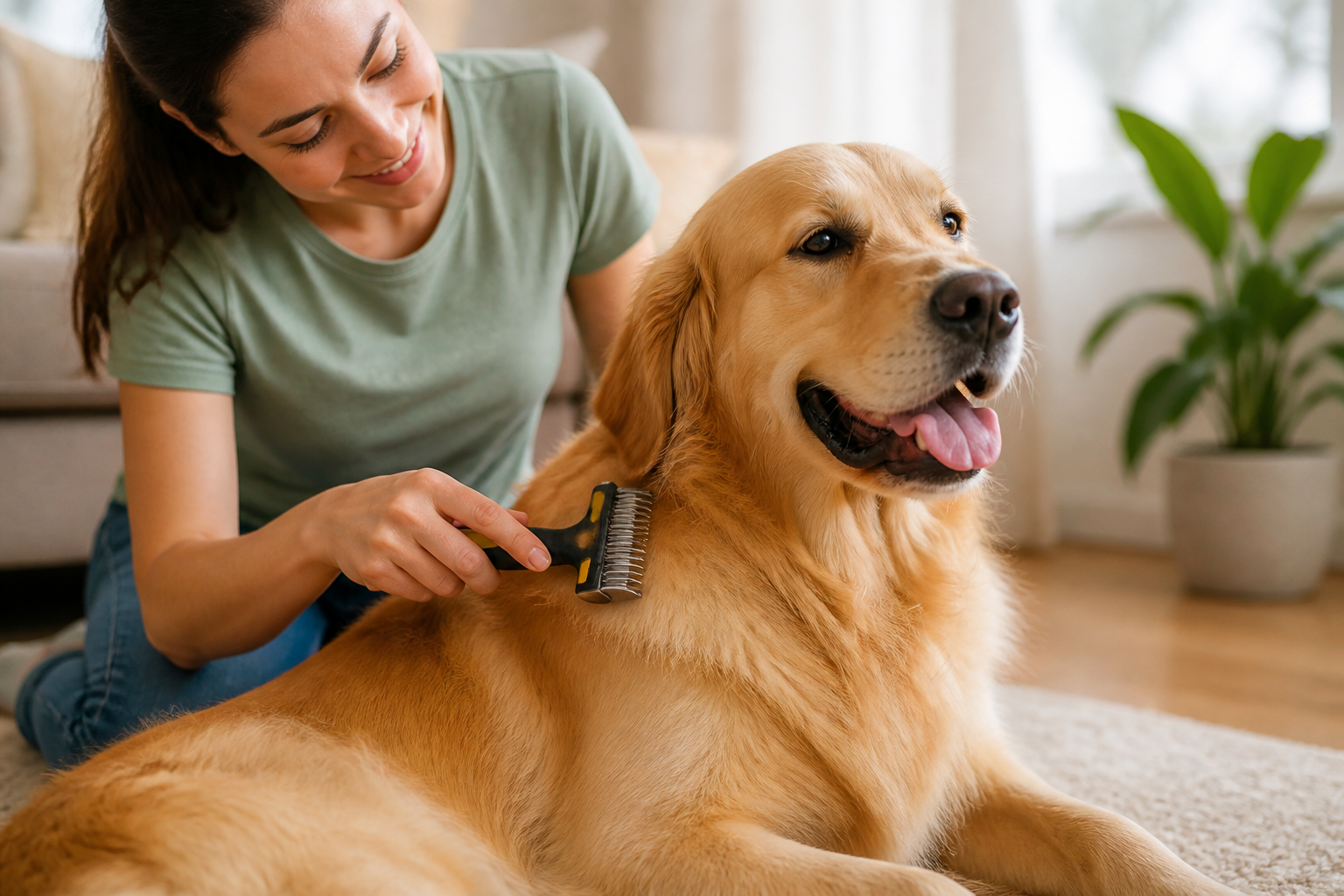
If you have ever watched clouds of fur drift across your hardwood floors despite daily vacuuming, you likely have a double-coated dog. These dogs have a soft under layer of fur that traps heat in winter and protects skin in summer, but it eventually dies and gets trapped beneath the top coat. A standard brush often just skims the surface, leaving that dead undercoat to mat and tangle. Learning how to use a dog rake brush is the best way to reach deep into the coat to remove that loose fluff before it ends up on your furniture. At BaxterBoo, we know that the right tool makes a massive difference in your grooming routine. This post covers the different types of rakes, the proper technique for various coat types, and how to keep your dog comfortable during the process. Using a rake correctly ensures your dog stays cool, clean, and happy.
Understanding the Different Types of Rakes
Not all rakes are built the same way. When you look at the grooming aisle, you will see two main styles that often get confused. The first is a standard grooming rake. This tool usually has a T-shape design with long, straight metal pins. These pins are rounded at the ends to protect the skin. This tool is designed to reach through the top coat to pull out dead hair from the undercoat without cutting the fur. It is a vital tool for dogs with thick, heavy coats like Huskies or Golden Retrievers.
The second style is the undercoat rake, which often features curved, sharp blades. These blades are set close together. While they also remove undercoat, they can cut through small mats and thin out the coat as they go. This style is popular for breeds that need a hand-stripped look, such as many terriers or sporting breeds. It is important to know which one you have before you start. A bladed rake requires more caution because the inner edges of the teeth are sharp enough to cut hair and potentially nick the skin if used incorrectly.
Quick Answer: A dog rake brush is a grooming tool with long pins designed to reach through the top coat to remove dead undercoat. Use it by pulling the tool in the direction of hair growth with light pressure to avoid skin irritation.
Most rakes come with different pin lengths. If your dog has a very long, dense coat, you need a rake with longer pins that can reach all the way to the skin. For shorter double coats, a rake with smaller, cone-shaped teeth works best. We carry a wide variety of these tools in our dog brushes and combs collection, including options for different coat types. Having the right pin length prevents you from having to press too hard, which is the most common mistake owners make.
Which Dogs Benefit Most from a Rake
Rakes are specialized tools for specific coat types. They are not intended for single-coated dogs like Poodles or Bichon Frises, as these dogs lack the undercoat that the rake is designed to pull. If you use a rake on a single-coated dog, you risk scratching the skin because there is no dense fur to act as a buffer.
Rakes are essential for double-coated breeds. These include:
- Herding breeds like German Shepherds, Border Collies, and Australian Shepherds.
- Sled dogs such as Huskies, Malamutes, and Samoyeds.
- Retriever breeds like Labradors and Golden Retrievers.
- Ancient breeds with "rustic" coats like Newfoundlands or Great Pyrenees.
Key Takeaway: Rakes are intended for double-coated and heavy-coated dogs to remove the dead under layer of fur that causes matting and overheating.
If your dog is a heavy shedder, the rake will become your most used tool. During the spring and fall, many double-coated dogs "blow" their coats. This means the undercoat falls out in large clumps to make room for a new seasonal layer. Using a rake during these periods can reduce the amount of loose hair in your home by a significant margin.
Step-by-Step Guide on How to Use a Dog Rake Brush
Before you start, make sure your dog is relaxed. It is helpful to have some treats on hand to create a positive association with the tool. If the coat is extremely dirty, you may want to bathe and dry the dog first, though some rakes work well on a damp coat. For additional grooming tools, explore our dog grooming collection.
Step 1: Inspect the skin.
Check for any sores, hot spots, or ticks before you begin. You do not want to run a metal rake over irritated skin or an open wound.
Step 2: Position the tool.
Hold the rake by the handle and place the pins against the dog’s coat. Ensure the pins are angled in the direction the hair grows. Never push the rake against the grain of the fur.
Step 3: Use short, gentle strokes.
Start at the neck and work your way toward the tail. Use short, light strokes rather than long, sweeping pulls. This gives you more control and prevents the tool from snagging on a hidden mat.
Step 4: Monitor the pressure.
Let the tool do the work. You should not have to push the pins into the skin. If you find yourself pressing hard, the rake might be too small for the coat, or the coat might be too tangled for a rake alone.
Step 5: Clear the tool frequently.
You will likely be surprised by how much fur comes off. Stop every few strokes to pull the dead hair out of the rake pins. A clogged rake will not be able to reach deep enough to be effective.
Vet Tip: If your dog has sensitive skin or a very thin coat, always test the rake on a small, less sensitive area like the thigh before grooming the belly or chest. If you notice redness, stop immediately and consult your veterinarian to ensure there are no underlying skin conditions.
Dealing with Tough Mats and Tangles
While a rake is great for maintenance, it can be painful if you try to rip it through a large mat. If you encounter a knot that does not move with a gentle tug, do not keep pulling. This will cause your dog to dislike grooming and can even cause skin bruising.
For stubborn mats, try using a detangling spray or a leave-in conditioner. Apply the product directly to the knot and work it in with your fingers. Once the hair is slick, use the edge of the rake or a stainless steel comb to slowly pick the knot apart from the outside in. Never use scissors to cut out a mat near the skin. It is incredibly easy to accidentally cut the dog’s skin, which often requires a trip to the vet for stitches. You can also review these tips for avoiding painful mats and tangles during bathing.
If the mats are too close to the skin to be safely removed at home, it is time to visit a professional groomer. They have specialized clippers designed to safely remove "pelted" fur. Keeping up with a weekly rake routine is the best way to prevent these painful mats from forming in the first place.
Safety Precautions and Sensitive Areas
The skin on a dog varies in thickness across their body. Areas like the back and sides have tougher skin that can handle the rake easily. However, other areas require extreme caution. Be very careful around the armpits, the groin, the back of the hocks, and the base of the ears. The skin in these spots is thin and loose. It can easily get caught between the pins or blades of a rake.
When grooming these sensitive spots, use your free hand to pull the skin taut. This creates a flat surface for the rake to glide over. If your dog is particularly jumpy or nervous, skip these areas with the rake and use a softer slicker brush or a wide-toothed comb instead. Safety should always come before a perfectly groomed appearance. A softer brush from our dog grooming tools selection can be useful for these areas.
Bottom line: Always pull the skin taut when grooming sensitive areas and avoid using heavy pressure to prevent nicks and scrapes.
When to Seek Professional Help or Medical Advice
Sometimes a coat gets out of hand despite your best efforts. If your dog has developed a "pelted" coat, where the undercoat has felted into a solid layer against the skin, the rake will not be able to help. Pelting traps moisture and bacteria against the skin, which can lead to painful infections. In these cases, a professional groomer or a veterinarian needs to intervene.
If you notice your dog is shedding excessively outside of the normal seasonal changes, or if they have bald patches and flaky skin, it might not be a grooming issue. Hormonal imbalances, allergies, or nutritional deficiencies can all cause coat problems. Our pet pharmacy provides access to prescription medications through our partnership with Pet's Choice. If grooming reveals red bumps, a strong odor, or constant itching, consult your veterinarian. They may recommend a medicated shampoo or a specific supplement to support skin health.
Maintaining Your Grooming Rake
To keep your rake working well, you must keep it clean and dry. After every grooming session, remove all hair from the pins. If you used the rake on a damp dog or with detangling sprays, wipe the metal pins down with a soft, dry cloth. Most rakes are made of stainless steel to resist rust, but moisture can still dull the edges of bladed rakes over time.
Check the pins regularly for any signs of bending or damage. If a pin becomes sharp or jagged, it can scratch your dog's skin. A high-quality rake should last for many years with basic care. Store it in a dry place where the pins won't get bent by other heavy tools.
The Benefits of Regular Grooming
Consistent use of a rake brush does more than just keep your house clean. It is a vital part of your dog's overall health. By removing dead hair, you allow air to circulate to the skin. This helps regulate the dog’s body temperature and prevents "hot spots," which are painful skin infections caused by trapped moisture. For additional skin and coat support, browse our dog skin and coat care category.
Grooming is also a great time to bond with your pet. Many dogs grow to love the feeling of the rake as it removes the heavy, itchy undercoat. It acts as a deep massage, stimulating blood flow to the skin and distributing natural oils throughout the coat. This results in a shinier, healthier-looking top coat.
Summary of Best Practices
Using a rake is straightforward once you understand the mechanics of your dog's coat. Remember that the goal is to be effective but gentle.
- Choose a rake with pins long enough to reach the skin through the top coat.
- Always work in the direction of hair growth.
- Use light pressure and short strokes to avoid "brush burn" on the skin.
- Avoid using the rake on single-coated breeds or over sensitive areas like the armpits.
- Clear the fur from the tool frequently to maintain its efficiency.
Key Takeaway: Regular use of a rake brush prevents painful mats, reduces household shedding, and allows your dog's skin to breathe properly.
At BaxterBoo, we want to help you feel confident in caring for your pet at home. Whether you are dealing with a seasonal coat blow or just trying to keep up with a thick-coated puppy, the right rake is a game-changer. By taking it slow and following these steps, you can turn a chore into a comfortable routine for both you and your dog.
If you find that your dog’s coat needs more than just a good brushing, consider looking into our supplement options for skin and coat health. We carry trusted brands like Zesty Paws and Grizzly Salmon Oil that can help support a soft, shiny coat from the inside out. For those managing more complex skin issues, our pharmacy partnership offers a reliable way to get the prescription care your vet recommends. For recurring grooming and supplement purchases, our Autoship programme may help simplify your routine.
FAQ
Can I use a rake brush on a short-haired dog?
It depends on the coat type rather than just the length. If your short-haired dog has a double coat, like a Labrador or a Pug, a rake with short, cone-shaped teeth can be very effective. However, if the dog has a single, thin coat like a Greyhound or a Boxer, a rake is too harsh and could scratch the skin.
How often should I use a rake brush on my dog?
For most double-coated dogs, using a rake once or twice a week is enough to keep the undercoat under control. During shedding season, when the dog is losing large amounts of fur, you may want to use it every other day. Avoid over-brushing the same area in one sitting, as this can cause skin irritation.
Does a rake brush cut the dog's hair?
A standard grooming rake with rounded pins does not cut the hair; it only pulls out loose, dead fur. However, an undercoat rake with curved blades is designed to cut through mats and can thin the coat. If you want to avoid cutting the top coat, stick to a rake with straight, blunt pins.
Is it better to rake a dog's coat wet or dry?
Most professional groomers prefer to use a rake on a dry coat because it is easier to see where the loose fur is and the tool glides more smoothly. However, if you are using a bladed undercoat rake to remove thick mats, doing so during the bathing process with plenty of conditioner can help the tool slide through the hair with less tugging.






