
 Save 15% on your 1st Autoship learn more

 Email us
 Live Chat
 FAQs
FAQs





Introduction
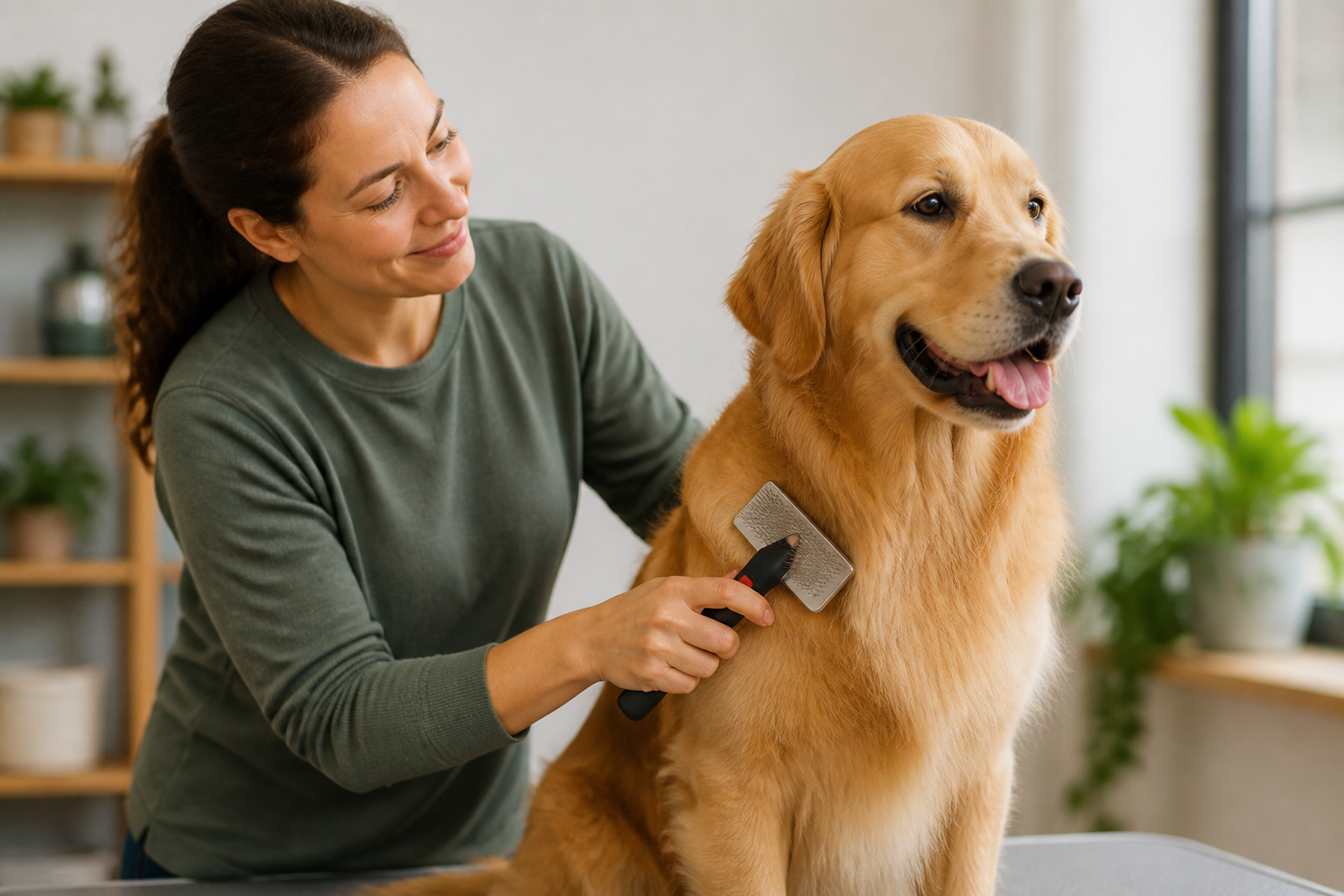
You just returned from a long walk in the woods and noticed your dog has a coat full of burrs and tangles. Perhaps you have a Doodle with a coat that seems to mat if you even look at it the wrong way. Reaching for a slicker brush is the right move, but using it incorrectly can lead to skin irritation or a dog that runs away when they see the grooming kit. At BaxterBoo, we know that the right technique makes all the difference between a painful chore and a bonding moment. This post covers the specific methods professionals use to keep coats smooth and skin healthy. You will learn the pat and pull method, how to handle deep mats, and how to choose the right brush for your dog. Mastering these simple steps will help you maintain a beautiful coat at home.
Understanding the Slicker Brush
A slicker brush is a specific tool with a flat or slightly curved head. It is covered in hundreds of tiny wire pins. These pins are usually bent at a slight angle. This design allows the brush to reach through the top layer of hair to grab loose fur and debris in the undercoat. It is an essential tool for dogs with medium to long hair. It is also the primary tool for curly-coated breeds.
The pins are fine and can be sharp if they are pressed directly against the skin. This is why the way you hold and move the brush is so important. A slicker brush is not a standard hairbrush. You should not use it with long, sweeping strokes like you might use on your own hair. Instead, it requires a controlled and deliberate approach.
We carry a wide variety of grooming tools at BaxterBoo. Every product we stock is chosen because it serves a specific purpose for pet health. For a slicker brush, that purpose is removing the dead undercoat before it turns into a painful mat. If you have a dog with a thick double coat or a curly fleece, our dog brushes and combs can become some of your most-used grooming tools.
Quick Answer: Use a slicker brush by applying the pat and pull method to avoid scratching the skin. Lift the hair in sections to brush from the root to the tip for the best results.
The Pat and Pull Method
The most common mistake pet owners make is dragging the brush through the coat. This can cause brush burn, which is a red and painful irritation on the dog's skin. Professional groomers use the pat and pull method to prevent this. This technique allows the pins to work through the hair without scraping the skin surface.
First, place the brush gently against a section of the coat. This is the pat. Do not push down with any significant force. The weight of the brush head is often enough. Once the pins have settled into the hair, pull the brush away from the dog's body in a slight upward arc. This is the pull.
This motion ensures the wire pins are moving through the hair strands rather than along the skin. It also helps the brush to naturally release the hair it has gathered. If you feel resistance, do not pull harder. Stop and reset the brush. Working in this way keeps the experience comfortable for your dog.
Key Takeaway: The pat and pull method protects your dog from skin irritation and makes the detangling process more effective.
Line Brushing for Deep Coats
If your dog has a very thick or long coat, surface brushing is not enough. You might think the dog is fully groomed, but mats can still hide right next to the skin. Line brushing is the solution for this problem. It ensures you are reaching every layer of the fur.
Step 1: Lift a section of hair.
Use your non-dominant hand to push the hair upward. You should be able to see a line of skin.
Step 2: Brush the hair below the line.
Use the slicker brush on the small amount of hair that remains below your hand. Use the pat and pull method.
Step 3: Drop a new layer of hair.
Release a small amount of the hair you are holding. Brush this new section down into the area you just finished.
Step 4: Move across the body.
Continue this process in rows. Start at the bottom of the leg and work your way up toward the back. Then move from the tail toward the head.
This method takes more time than a quick once-over. However, it is the only way to guarantee that a thick-coated dog stays mat-free. It is especially helpful for breeds like Golden Retrievers, Collies, and Poodles. For additional guidance on curly coats, see this guide to grooming curly-haired dogs.
Vet Tip: If you discover red, raw, or oozing spots while line brushing, stop immediately. These may be hot spots or skin infections. Consult your veterinarian for a proper diagnosis and treatment plan.
Choosing the Right Brush Firmness
Not all slicker brushes are the same. They come with different pin lengths and varying levels of firmness. Choosing the wrong one can make your job harder or make your dog uncomfortable. We provide several options to match different coat types.
Soft Slicker Brushes
These have very flexible pins. They are best for puppies, senior dogs with thin skin, or dogs with fine, silky hair. If your dog has a single coat, like a Maltese, a soft brush is usually the safest choice. It provides enough tension to remove tangles without being too harsh.
Firm Slicker Brushes
These are designed for heavy lifting. They have stiff pins that do not bend easily. Use these for dogs with very dense undercoats or coarse hair. They are excellent for Siberian Huskies or Alaskan Malamutes during their heavy shedding seasons.
Long Pin Slickers
Some brushes have pins that are nearly an inch long. These are specifically for dogs with extremely thick or long hair. The longer pins can reach through the topcoat and into the undercoat of a heavy-coated breed without you having to press down hard.
- Puppies: Choose a small, soft-pin brush.
- Doodles: A medium-firm brush with a slightly curved head works best.
- Double Coats: Opt for firm pins to penetrate the thick woolly layer.
- Sensitive Skin: Use a brush with coated tips or very flexible wires.
For another option, our selection of BASS Brushes includes slicker-style grooming tools.
Handling Mats and Tangles
When you hit a knot, your first instinct might be to pull through it. This will hurt the dog and may cause them to fear the brush. Mats are essentially tight clumps of dead hair and live hair woven together. They often sit close to the skin.
If you find a mat, do not use the whole brush head. Use just the corner of the slicker brush. Use very short, picking motions to slowly separate the hair. It can help to hold the base of the mat between your thumb and forefinger. This prevents the brush from pulling directly on the skin.
If the mat is too tight to pick apart, you may need a detangling spray. Spray the area and let it sit for a few minutes before trying again. For very severe matting that is tight against the skin, it is best to see a professional groomer. Trying to cut these out with scissors at home is dangerous because it is easy to accidentally cut the skin. You can also review these tips for handling dog mats and tangles before attempting to loosen a stubborn knot.
Bottom line: Never force a slicker brush through a mat; use the corner of the brush and work slowly to preserve the coat and protect the skin.
Safety and Sensitive Areas
The face, ears, and belly require extra caution. The skin in these areas is much thinner and more sensitive than the skin on the back. It is often better to switch to a different tool for these spots. A metal comb or a soft bristle brush can be safer around the eyes and mouth.
If you must use a slicker brush on the legs or belly, be very mindful of the "hinge" areas like the armpits. Hair mats quickly in these spots due to friction. Always use the softest touch possible. If your dog flinches or tries to move away, check the skin for any signs of redness.
Our pharmacy at BaxterBoo offers a variety of skin and coat supplements. These can help improve the elasticity of the skin and the strength of the hair. This often makes the coat easier to manage over time. We provide these through our partnership with Pet's Choice. If your dog has chronic skin issues or allergies that make grooming difficult, talk to your vet about prescription options. You can browse our dog healthcare collection for skin and coat care products.
Vet Tip: Regular grooming is the best time to check for lumps, bumps, or parasites like ticks. If you find something unusual, schedule a veterinary visit to have it examined.
Cleaning and Maintenance of Your Brush
A dirty brush will not work effectively. As the pins fill with hair, they lose their ability to penetrate the coat. They simply glide over the surface. You should remove the hair from the brush several times during a single grooming session.
Many modern slicker brushes have a self-cleaning feature. You press a button, the pins retract, and the hair falls off in a neat pad. If you have a traditional brush, you can use a metal comb to rake the hair out of the pins. Be careful not to bend the wire pins while cleaning.
Check the pins regularly for damage. If the wires become bent out of shape or if the tips become sharp and jagged, it is time for a replacement. A damaged brush can easily scratch your dog's skin. Keeping your tools in good condition is a key part of successful home grooming.
Step 1: Remove all visible hair after every use.
Step 2: Check for bent or broken pins once a week.
Step 3: Wash the brush occasionally with warm water and mild soap.
Step 4: Ensure the brush is completely dry before using it again to prevent rust.
Making Grooming a Positive Habit
Dogs are not born loving the brush. It is a learned behavior. If you only bring the brush out when there are painful mats to deal with, your dog will learn to dislike it. The goal is to make brushing a routine part of your week.
Keep your sessions short in the beginning. Even five minutes of gentle brushing followed by a high-value treat can make a big difference. Use the "reward as you go" method. Give a small piece of a healthy treat after you finish one leg or a section of the back.
Frequency is also important. For most long-haired dogs, a full brushing two or three times a week is necessary. For curly-coated breeds, daily brushing is often the best way to prevent mats from forming. When you stay on top of the coat, the sessions are shorter and much easier for both you and your pet.
We see many customers at our warehouse who are looking for ways to make grooming easier. Our MVP Rewards program is a great way to save on the treats and tools you need for this routine. Regular maintenance is much cheaper and less stressful than a trip to the vet for matted skin issues.
Conclusion
Using a slicker brush on your dog is a skill that improves with practice. By focusing on the pat and pull method and using line brushing for thick coats, you can keep your pet looking their best. Remember to choose the right firmness for your dog's specific hair type and always prioritize skin safety. Regular grooming sessions are not just about looks. They are a vital part of your dog's overall health and well-being. Keeping the coat free of debris and mats prevents skin infections and keeps your dog comfortable in all seasons.
- Use the pat and pull motion to avoid skin irritation.
- Work in sections using line brushing for thick or curly coats.
- Choose a brush firmness that matches your dog's life stage and coat.
- Clean your brush regularly to ensure it stays effective.
Key Takeaway: Consistent, gentle brushing with a slicker brush prevents painful mats and strengthens the bond between you and your dog.
If you are looking for a new brush or need a detangling spray to get started, explore our full collection of dog grooming supplies. We offer everything from professional-grade slicker brushes to calming treats that help nervous dogs relax during their beauty routine.
FAQ
How often should I use a slicker brush on my dog?
For most dogs with medium to long hair, brushing two to three times a week is ideal. Dogs with curly coats or very thick undercoats may require daily brushing to prevent mats. Regular sessions keep the coat manageable and significantly reduce the amount of loose hair in your home.
Can a slicker brush hurt my dog's skin?
Yes, if used with too much pressure or dragged across the skin, the fine wire pins can cause "brush burn." Always use the pat and pull method to keep the pins moving through the hair rather than against the skin. If you notice redness, you are likely pressing too hard or using a brush that is too firm for your dog's skin type.
Should I brush my dog when the coat is wet or dry?
It is generally best to brush your dog when the coat is completely dry. Water can cause existing mats to tighten and shrink, making them much harder to remove. If you must brush a damp coat, use a detangling spray to provide extra slip and prevent hair breakage.
What should I do if my dog hates being brushed?
Start with very short sessions of just one or two minutes. Use high-value treats and plenty of praise to create a positive association with the brush. Focus on easy areas like the back before moving to sensitive spots like the legs or belly. Over time, most dogs will become more comfortable with the routine.






