Save 15% on your 1st Autoship learn more

 Email us
 Live Chat
 FAQs
FAQs





Introduction
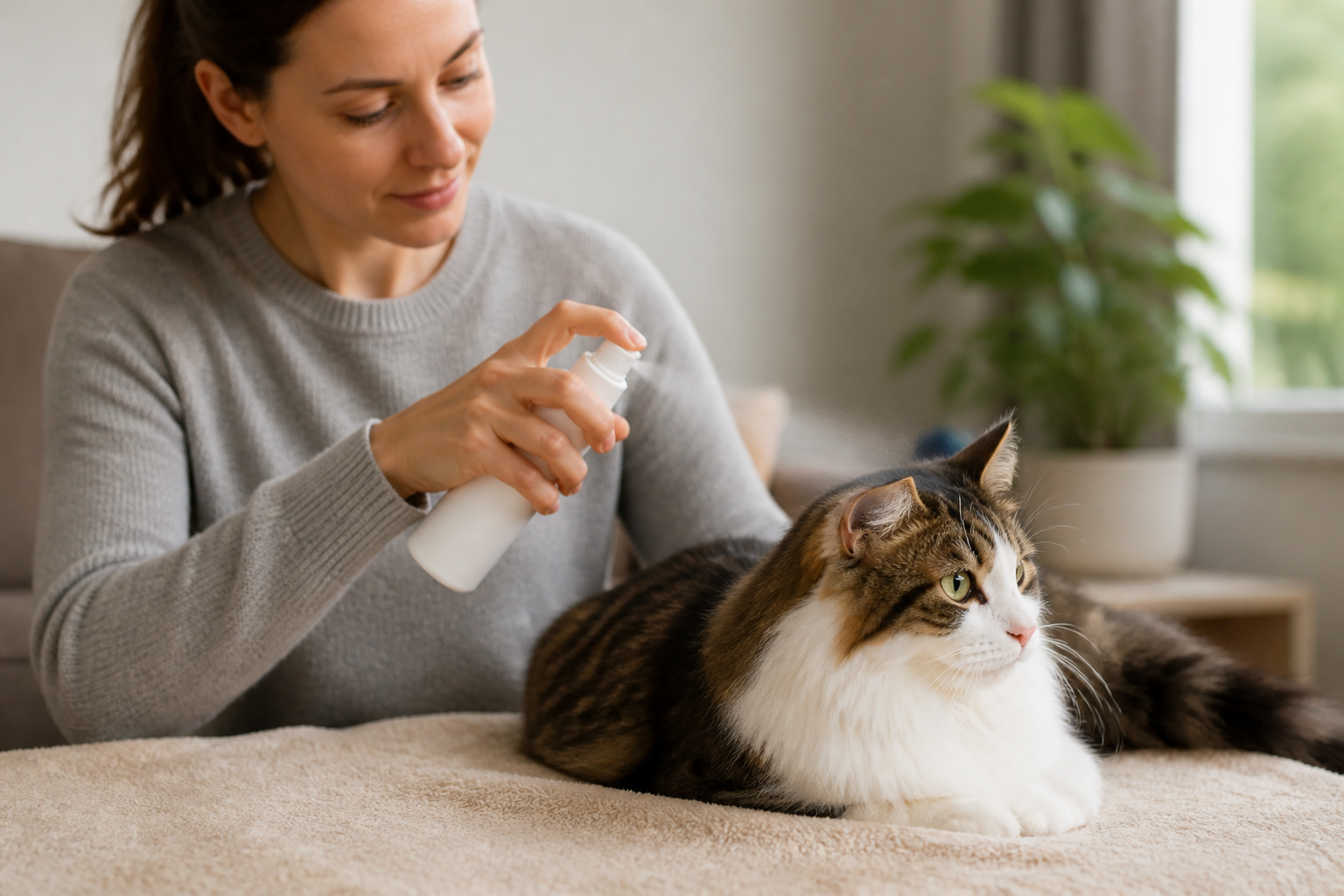
You are relaxing on the couch when your cat jumps up for some attention. As you stroke their back, you notice a scattering of white flakes across their dark fur. It looks like a light dusting of salt. This is a common sight for many cat owners, and it often leads to a search for a solution that does not involve the stress of a traditional bath. At BaxterBoo, we understand that most cats and water do not mix well. This is where cat dandruff dry shampoo becomes a practical tool for your grooming kit. These waterless products can help hydrate the skin and lift away flakes without the drama of the bathtub. This guide will cover how to choose the right waterless shampoo, how to apply it effectively, and when those flakes might mean it is time to see a veterinarian.
Understanding the Difference Between Dander and Dandruff
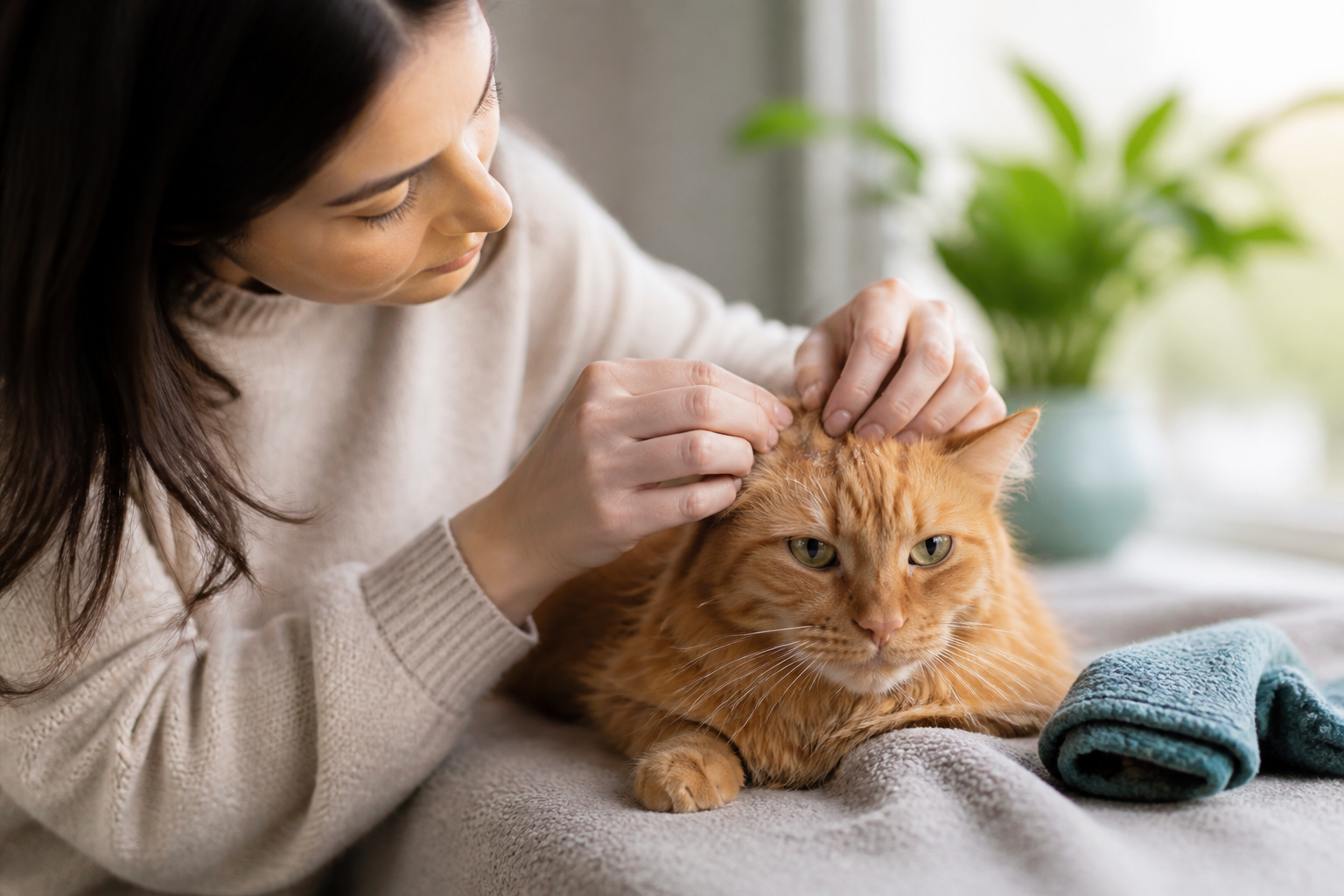
It is important to know exactly what you are seeing on your cat's coat. All cats produce dander. These are microscopic skin cells that shed naturally as part of the skin's renewal process. Dander is usually invisible to the naked eye. When you start seeing visible white or grey flakes, you are looking at dandruff. Dandruff is an accumulation of skin cells that have clumped together. It is often a sign that the skin is either too dry or producing too much oil.
Dandruff can appear anywhere on the body, but it is most frequently seen along the base of the tail and the lower back. These are the areas where it is hardest for a cat to reach during their self-grooming routine. If the skin is healthy, the cat usually licks away these cells before they become visible. When the flakes stay on the fur, it tells us that either the skin is shedding too fast or the cat is not grooming as effectively as they should.
Quick Answer: Cat dandruff dry shampoo works by using mild cleansers and moisturizing agents to lift flakes and hydrate the skin without using water. It is a helpful tool for cats that find traditional baths stressful or for managing dry skin during winter months.
Why Cats Get Flaky Skin
Before reaching for a bottle of dry shampoo, it helps to understand why the flakes are there. Several factors can lead to a dusty coat. Environment is a major player, especially in the winter. Indoor heating systems strip moisture from the air, which in turn dries out your cat's skin. If the air in your home feels dry to you, it is likely affecting your cat as well.
Diet also plays a significant role in skin health. Cats need specific levels of fatty acids, like Omega-3 and Omega-6, to maintain a supple skin barrier. If their food is lacking these nutrients, the skin can become brittle and prone to flaking. At BaxterBoo, we often see that switching to our cat food selection or adding a skin and coat supplement can make a world of difference.
Age and physical condition are the third major factors. Senior cats or those with arthritis may find it painful to twist and reach their back. Similarly, cats carrying extra weight may physically be unable to reach certain spots. When grooming stops, the natural oils and dead skin cells build up, leading to visible dandruff.
Key Takeaway: Dandruff is a symptom, not a disease. It usually points to dry air, nutritional gaps, or a cat's inability to groom themselves properly.
The Role of Dry Shampoo in Managing Flakes
A waterless shampoo is not just a way to avoid a wet cat. It serves several functional purposes for skin health. These products are usually formulated as foams, mousses, or sprays. They contain mild surfactants that break down excess oils and dirt. Unlike traditional shampoo, they do not need to be rinsed away. Instead, you massage them into the coat and then brush them out.
For a cat with dandruff, the dry shampoo acts as a moisturizing treatment. It helps to soften the dead skin cells so they can be easily removed with a brush. Many of these formulas contain soothing ingredients like aloe vera or oatmeal, which can calm itchy, irritated skin. This is particularly helpful for cats that have "stud tail" or other conditions where the skin becomes oily and flaky at the same time.
A product such as Vet's Best Dry Clean Waterless Cat Bath is designed for a no-rinse grooming routine. It is important to remember that while dry shampoo is excellent for maintenance, it does not provide the same deep clean as a water-based bath. If your cat has managed to get into something truly greasy or sticky, a traditional bath may still be necessary. However, for the routine management of dry skin flakes, a waterless option is often the superior choice for reducing feline stress.
Choosing the Right Cat Dandruff Dry Shampoo
Not all waterless shampoos are created equal. When you are shopping for a product to handle dandruff, you need to look at the ingredient list carefully. Avoid products with heavy synthetic fragrances or alcohols, as these can actually dry out the skin further. You want ingredients that deposit moisture rather than stripping it away.
- Oatmeal: This is a classic choice for soothing skin and reducing the itch that often comes with dandruff.
- Aloe Vera: Helps to hydrate the skin and provide a cooling effect on irritated areas.
- Omega Fatty Acids: Some topical sprays include these to help support the skin barrier from the outside in.
- Coconut-based cleansers: These are gentle and effective at lifting dirt without being harsh.
You can explore our waterless cat grooming options for formulas made specifically for no-rinse care. When you choose a product, make sure it is specifically labeled for cats. Some dog products contain essential oils or ingredients like tea tree oil that can be toxic to felines. Always stick to cat-specific ranges to ensure the pH balance is correct for their delicate skin.
Step-by-Step Application for Best Results
Applying dry shampoo is a straightforward process, but doing it correctly will maximize the results and keep your cat calm. You want the experience to feel like an extra-long petting session rather than a medical treatment.
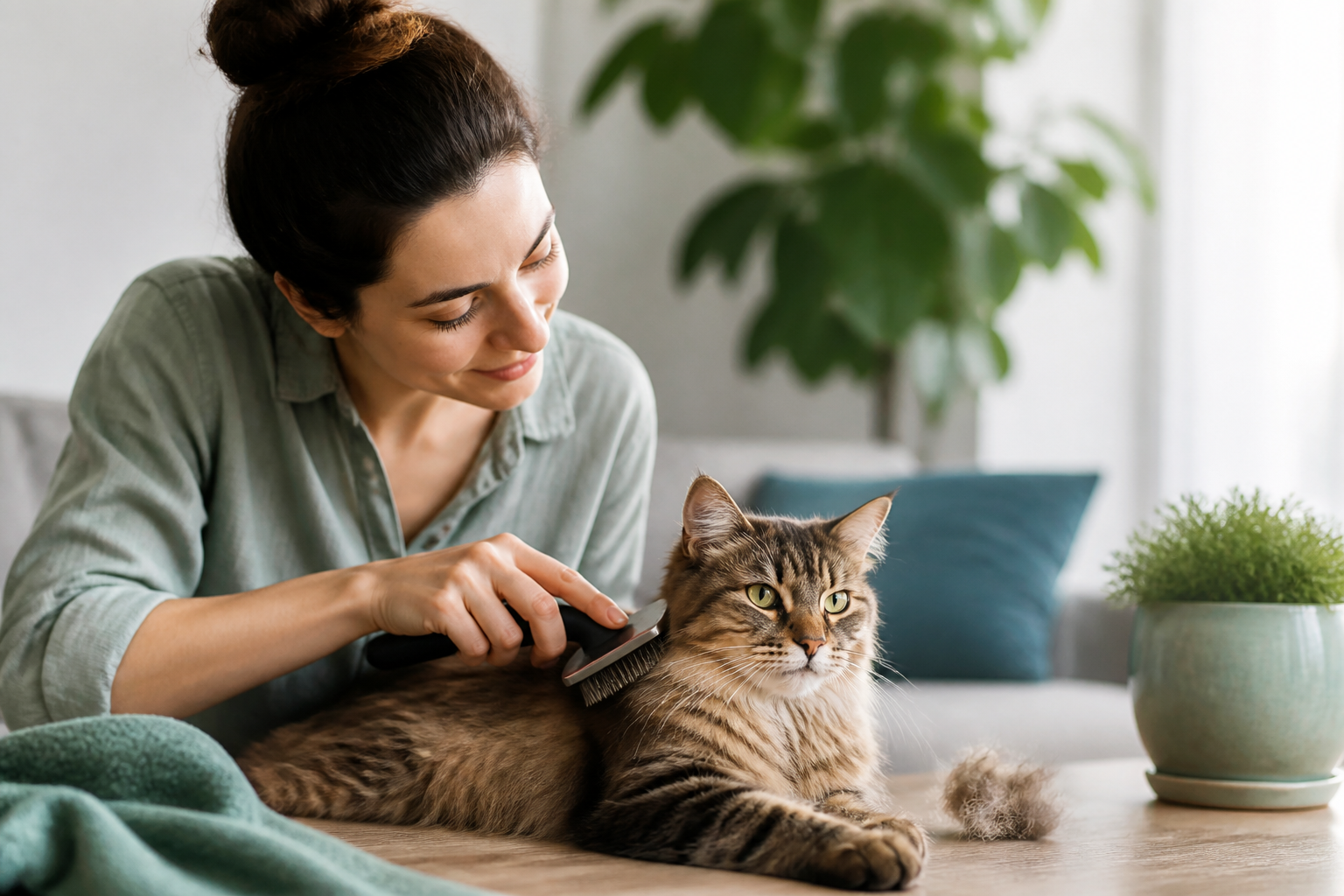
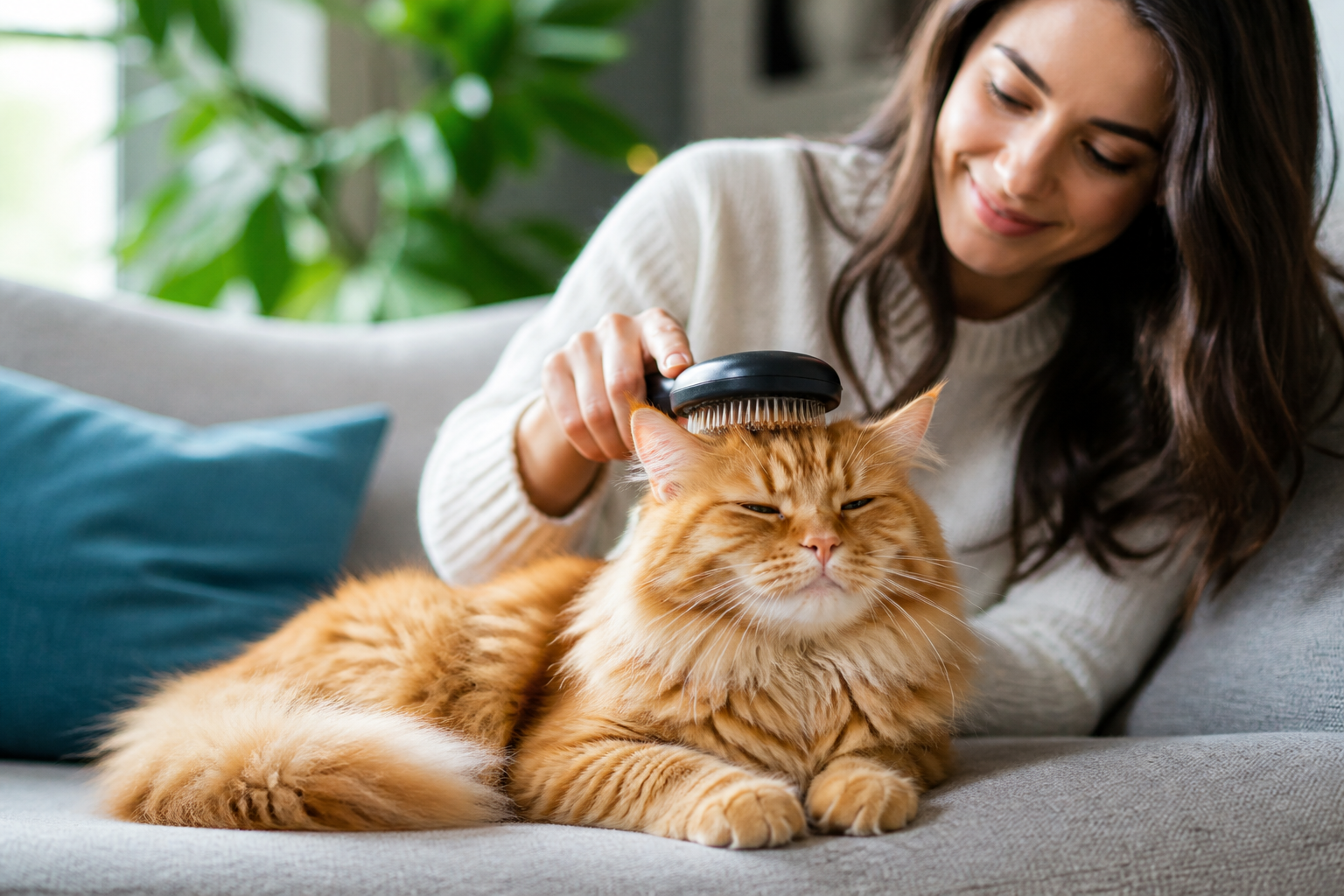
Step 1: Brush the coat thoroughly. / Use a fine-tooth comb or a slicker brush to remove loose fur and break up any large clumps of dandruff before you apply any product.
Step 2: Apply the foam or spray. / Apply a small amount of the dry shampoo to your hands first, or spray it onto a cloth if your cat is startled by the sound of a spray bottle.
Step 3: Massage into the skin. / Work the product through the fur down to the skin level. Focus on the areas where the dandruff is most visible, such as the lower back.
Step 4: Let it sit. / Allow the product to sit for a minute or two as directed on the label. This gives the moisturizing ingredients time to penetrate the skin.
Step 5: Towel and brush. / Use a clean, dry towel to wipe away any excess moisture. Finish with a final brushing to lift away the loosened flakes and leave the coat looking shiny.
Vet Tip: If you notice your cat has red skin, patches of hair loss, or is scratching excessively, consult your veterinarian. Dandruff can sometimes be a sign of parasites like Cheyletiella mites, often called "walking dandruff," which require specific medical treatment rather than just a cosmetic fix.
When Dandruff Points to Health Issues
While most dandruff is a minor grooming or environmental issue, sometimes it signals a need for professional care. If the flaking is accompanied by a change in behavior, it is time for a checkup. For example, hyperthyroidism or diabetes can sometimes affect the quality of a cat's coat.
Obesity is one of the most common medical reasons for dandruff. If a cat is too round to reach their back, the skin in that area will inevitably become flaky and greasy. In these cases, the dandruff is a sign that the cat needs a weight management plan. We offer specialized diets through our partnership with Pet's Choice, including prescription weight management foods like Farmina Vet Life, which can help your cat get back to a healthy size and resume their own grooming. For additional guidance, see our article on helping an indoor cat lose weight.
Our cat pharmacy also provides a wide range of FDA-approved medications for underlying conditions that might cause skin issues. Whether it is flea and tick preventives or prescription treatments for skin infections, you can coordinate with your vet to have these delivered through us. Using a dry shampoo can manage the symptoms, but treating the root cause is the only way to clear the skin for good.
Environmental and Dietary Support
Managing dandruff often requires a two-pronged approach. You treat the skin topically with dry shampoo, but you also need to address the internal and environmental factors. If you live in a dry climate or the heater is running constantly, consider adding a humidifier to the room where your cat spends the most time. Increasing the humidity to around 40 or 50 percent can significantly improve skin hydration.
Dietary changes are often the most effective long-term solution. Many cats thrive when moved to a diet that includes more moisture. Switching from a purely dry kibble diet to one that includes wet food can help hydrate the skin from the inside out. You might also look for foods specifically formulated for skin and coat health, which are enriched with biotin and zinc.
Adding a high-quality fish oil supplement can also help. These supplements provide the essential fatty acids that keep the skin barrier strong. A strong barrier prevents moisture from escaping, which is the primary cause of the dryness that leads to dandruff. When combined with regular use of a cat dandruff dry shampoo, these internal supports can lead to a much softer, flake-free coat.
Key Takeaway: A combination of topical moisture from dry shampoo and internal support from a healthy diet is the most effective way to eliminate persistent cat dandruff.
Grooming Tools for Flaky Cats
The right tools make the dry shampoo more effective. A slicker brush is excellent for removing dead hair and dander from the top layer of the coat. However, for a cat with dandruff, a rubber grooming mitt can be even better. The rubber nubs massage the skin, which stimulates the production of natural oils. This massage also helps the dry shampoo penetrate deeper into the fur.
A fine-tooth flea comb is another helpful tool. While it is designed for catching parasites, the narrow spacing of the teeth is perfect for lifting fine flakes of dandruff away from the skin. Use the comb after you have applied the dry shampoo and massaged it in. This will help you pull the loosened flakes out of the coat so they do not just settle back down onto the skin. For more grooming guidance, read about keeping a cat's coat and whiskers in good condition.
Bottom line: Using a rubber grooming mitt to massage dry shampoo into the skin helps stimulate natural oil production while lifting away dead skin cells.
Managing Stress During Grooming
Some cats are naturally suspicious of any new routine. If your cat is nervous about the dry shampoo, start slow. You do not need to do the whole cat in one sitting. Start with a small patch on their shoulder where they can see what you are doing. Use plenty of high-value treats to create a positive association with the bottle and the grooming brush.
Many waterless shampoos have a scent. While these can be pleasant for humans, some cats find strong floral or citrus smells overwhelming. If your cat seems bothered by the scent, look for an unscented or very lightly scented formula. Remember that cats have a much stronger sense of smell than we do, and they will be grooming themselves and tasting any product you leave on their fur.
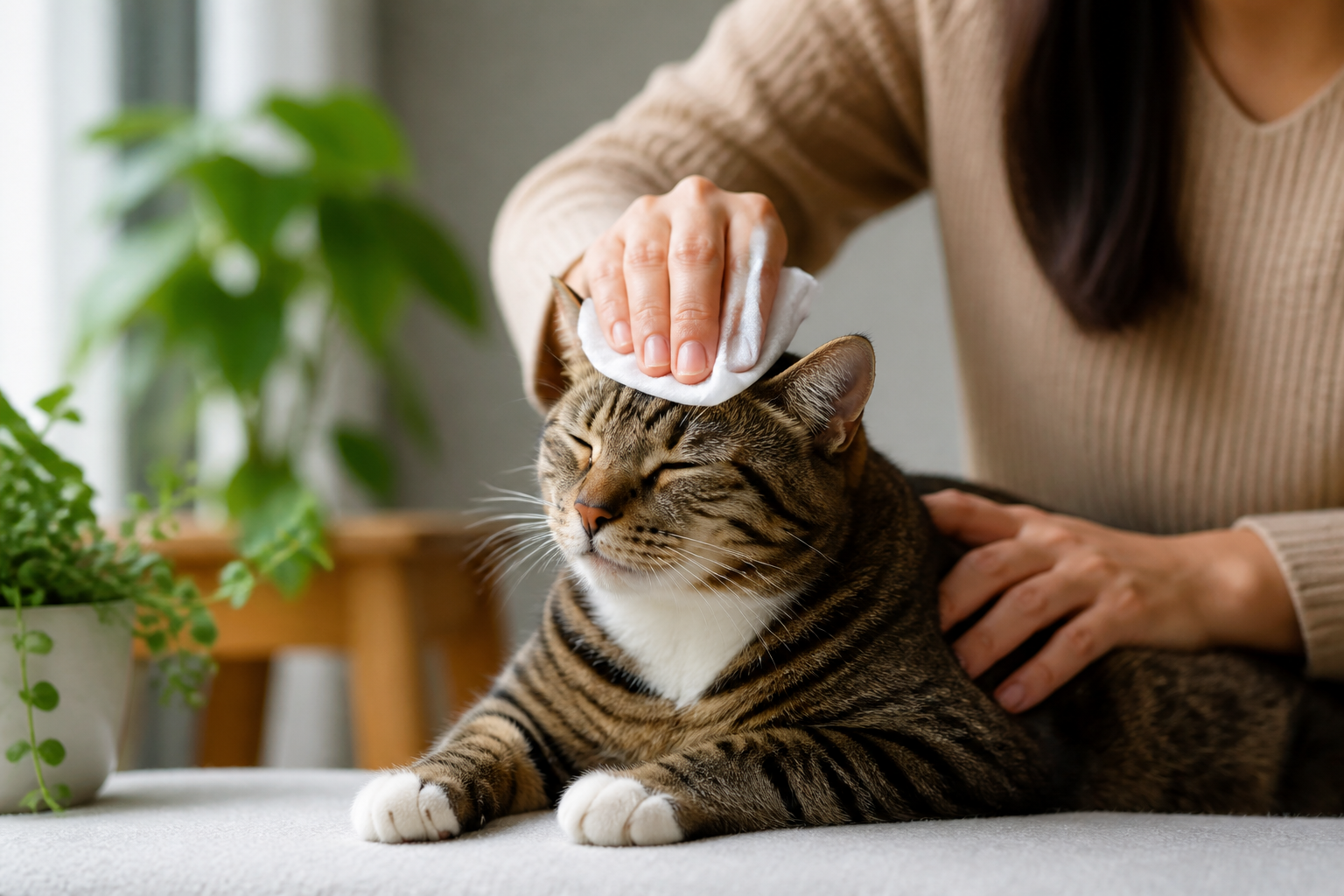
If your cat simply will not tolerate a spray or foam, you can try grooming wipes. These are essentially pre-moistened cloths with the same ingredients as dry shampoo. They are often less intimidating because they do not make any noise and feel just like a regular petting session.
Summary of Best Practices
Keeping your cat's coat clear of dandruff is a process of regular maintenance and observation. By using a cat dandruff dry shampoo, you can manage the visible flakes and keep the skin hydrated without the stress of a bath. Always pair your grooming routine with a close look at your cat's environment and diet to ensure they are getting everything they need for healthy skin.
- Choose a cat-specific waterless shampoo with soothing ingredients like oatmeal or aloe.
- Avoid alcohols and heavy synthetic fragrances that can dry the skin.
- Brush before and after application to remove loose hair and flakes.
- Monitor your cat for signs of medical issues like obesity or parasites.
- Support skin health with a humidified environment and omega-rich foods.
At BaxterBoo, we carry over 500 brands to help you find the perfect grooming and nutritional match for your feline friend. Whether you need a gentle foam for a sensitive senior cat or a high-protein diet to support skin health, we have the selection and expertise to help. You can also take advantage of the MVP Rewards program to earn points on every purchase, including your favorite grooming supplies.
Bottom line: Consistency is the key to managing cat dandruff, so find a routine with dry shampoo that both you and your cat enjoy.
Conclusion
Cat dandruff dry shampoo is an effective, low-stress solution for managing a flaky coat. It allows you to provide essential moisture and cleansing to the skin without the trauma of water. By understanding the causes of dandruff and choosing high-quality products, you can keep your cat looking and feeling their best. Remember to watch for signs that the dandruff might be a deeper health concern, and do not hesitate to reach out to your vet if you notice skin redness or hair loss. For those ongoing health needs, our pharmacy is here to help with prescription medications and diets through our Pet's Choice partnership. If you are looking to restock your grooming kit or try a new skin-supporting food, our collection of cat grooming supplies and premium foods is the perfect place to start.
FAQ
Is dry shampoo safe for cats if they lick their fur?
Yes, most high-quality waterless shampoos for cats are formulated to be safe for grooming. However, you should always check the label for any specific warnings and ensure the product is intended for felines. It is best to towel off as much excess moisture as possible after application so the cat is not ingesting a large amount of the product during their next self-grooming session.
How often can I use waterless shampoo on my cat?
You can typically use dry shampoo once or twice a week for maintenance. If your cat has a very flaky coat, you might use it more frequently at first to get the flakes under control. However, if you find you need to use it daily, it is likely a sign that there is an underlying issue with the environment or diet that needs to be addressed.
Can I use human dry shampoo on my cat?
No, you should never use dry shampoo intended for humans on a cat. Human products often contain alcohols, fragrances, and chemicals that are much too harsh for a cat's skin. Additionally, cats have a different skin pH than humans, and using our products can strip their natural oils and cause severe irritation or even chemical burns.
Why is my cat getting dandruff only in the winter?
Winter dandruff is usually caused by the drop in humidity when indoor heating systems are turned on. The dry air pulls moisture from the cat's skin, leading to the formation of flakes. Using a dry shampoo with moisturizing ingredients and running a humidifier in your home can help counteract these seasonal effects and keep their skin supple until spring.