
 Save 15% on your 1st Autoship learn more

 Email us
 Live Chat
 FAQs
FAQs





Introduction
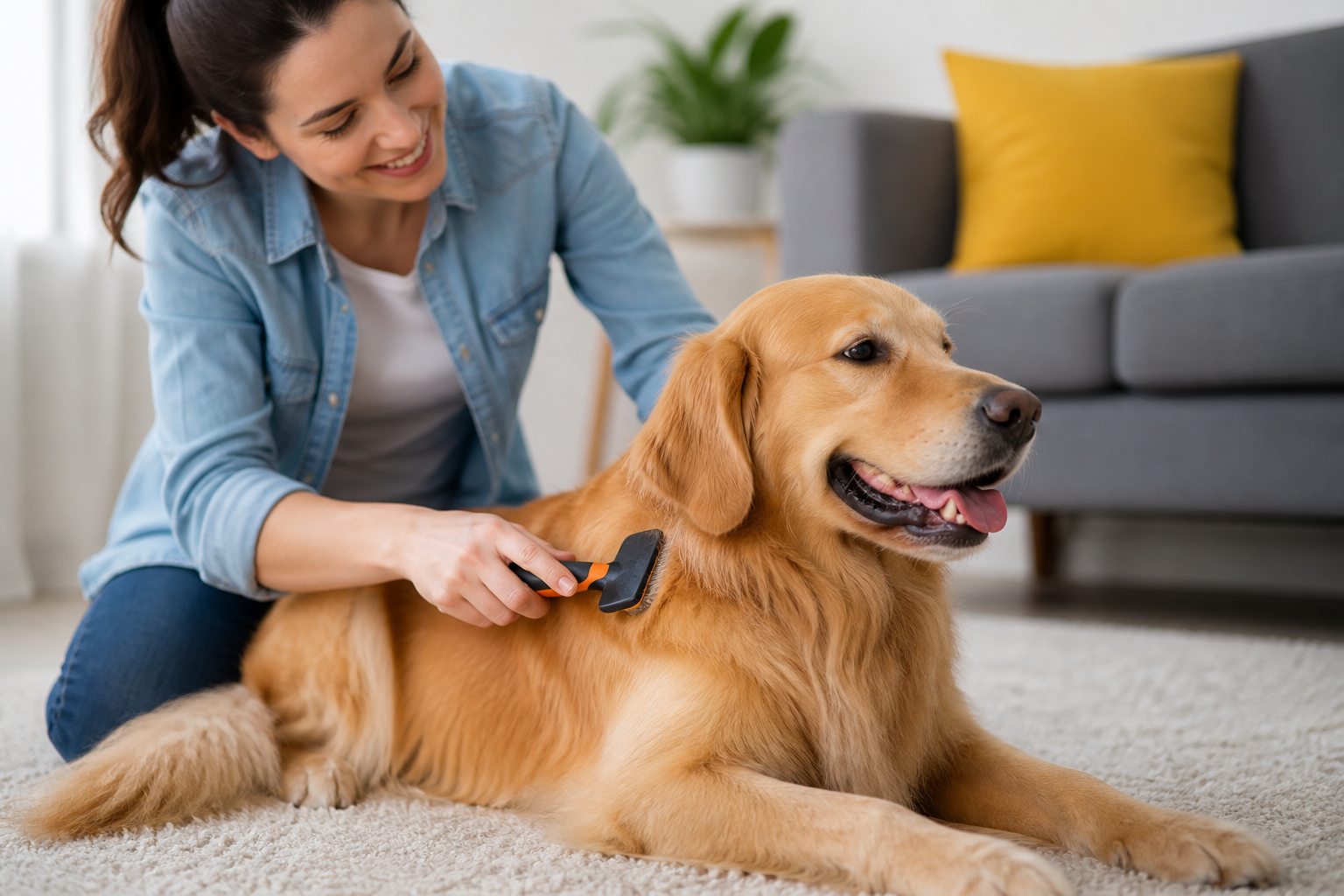
You are standing in front of a shelf or browsing our website, looking at dozens of different pins, bristles, and rakes. Maybe your Golden Retriever is currently leaving a trail of fur across the living room, or your Doodle has a suspicious tangle behind the ears. It is easy to feel overwhelmed by the options and the mechanics of a proper grooming session. At BaxterBoo, we know that the right tool is only half the battle. Knowing the specific technique for your dog's unique coat is what prevents skin irritation and keeps their fur shining. This guide will walk you through exactly how to use different dog brushes, the specific strokes needed for various coat types, and how to turn grooming into a bonding moment.
Understanding the Primary Types of Dog Brushes
Before you start brushing, you need to understand the mechanics of the tools in your hand. Not every brush works the same way. Using a tool incorrectly can lead to "brush burn," which is a painful skin irritation caused by repetitive scraping.
The Slicker Brush
A slicker brush usually has a flat or slightly curved head with rows of thin, fine wire pins. These pins are often angled to help grab loose hair and break up small tangles without digging directly into the skin. This is the workhorse of the grooming world. It is excellent for dogs with medium to long hair or curly coats. When you use a slicker brush, the goal is to reach the undercoat without scratching the surface of the skin.
The Bristle Brush
Bristle brushes vary in stiffness and spacing. They are generally used for dogs with short, smooth coats. These brushes do not reach deep into thick fur. Instead, they remove surface dust and distribute natural oils across the skin. This creates a healthy shine. If you have a Boxer or a Pug, this will likely be your primary tool.
The Rubber Curry Brush
The rubber curry brush, like the popular Kong ZoomGroom, is a favorite in our warehouse. These tools have soft rubber nubs that act like a magnet for loose fur. They are particularly effective for short-haired breeds that shed constantly. Because the material is soft, you can use a bit more pressure than you would with a metal tool. This also provides a massage that most dogs find very relaxing.
The Metal Comb
Often called a Greyhound comb, this is a simple metal tool with two different spacings for the teeth. It is not meant for the heavy lifting of grooming. Instead, it is your "check" tool. After you think you are finished brushing, you run the comb through the fur. If it snags, you still have a knot to address.
Quick Answer: To use a dog brush correctly, always brush in the direction of hair growth using short, gentle strokes. Match the tool to your dog's coat type, such as a slicker brush for long hair or a rubber brush for short hair, to avoid skin irritation.
How to Brush a Dog Based on Coat Type
Every dog's coat has a different "grain" and density. If you treat a Malamute's coat the same way you treat a Beagle's, you will end up with a very frustrated dog and a lot of leftover fur.
Short and Smooth Coats
Breeds like Great Danes, Bulldogs, and Weimaraners have hair that stays close to the skin. These dogs do not get traditional mats, but they do shed fine hairs that can get stuck in your furniture.
Step 1: Start at the neck and move toward the tail.
Step 2: Use a rubber curry brush in a circular motion. This loosens dead skin and hair.
Step 3: Follow up with a bristle brush using long, sweeping strokes in the direction of hair growth.
Step 4: Use a damp cloth or a finishing spray to wipe away the loosened hair.
Double Coats
This is where things get complicated. Dogs like Labs, Huskies, and Golden Retrievers have a soft undercoat and a tougher outer coat. The undercoat is what sheds and forms those "tumbleweeds" in your hallways.
Step 1: Use an undercoat rake to pull out the dead fluff. Use light pressure.
Step 2: Start at the rear of the dog and move forward. This is called "line brushing."
Step 3: Lift the top layer of hair and brush the hair underneath it.
Step 4: Once the undercoat is clear, use a slicker brush on the top layer to smooth it out.
For more ideas on managing seasonal shedding, read our guide to how Australian Shepherds shed.
Curly and Wavy Coats
Poodles and Doodles require the most maintenance. Their hair does not shed out; it gets caught in the surrounding curls. This leads to matting very quickly.
Step 1: Work in small sections, roughly the size of your palm.
Step 2: Use a slicker brush to gently pull the curls apart.
Step 3: If you hit a snag, do not yank. Hold the hair near the skin with your other hand to prevent pulling the skin while you work the brush through the knot.
Step 4: Finish by running a metal comb all the way to the skin. If the comb stops, the brush missed a spot.
For additional guidance, see our tips on grooming curly-haired dogs.
Key Takeaway: Proper brushing requires reaching the skin. If you only brush the top layer of a double or curly coat, the hair underneath will eventually form painful mats that must be shaved off.
The Correct Technique: Strokes and Pressure
Most owners make the mistake of using long, heavy strokes. Think of brushing your dog more like sketching with a pencil rather than painting a wall. Short, light strokes are safer and more effective.
When using a wire brush, keep your wrist flexible. Do not lock your arm. You want the brush to "flick" through the hair. If you hear a loud scratching sound against the skin, you are likely pressing too hard. You can test the pressure on your own forearm. If it feels scratchy or painful to you, it is definitely uncomfortable for your dog.
Always brush in the direction the hair grows. Brushing against the grain can be painful and can damage the hair follicles. The only exception is during the initial phase of "line brushing" for heavy double coats, where you might lift the hair upward to get the brush underneath. However, the stroke itself should still follow the natural direction of the hair.
You can compare different tools in our dog brushes and combs collection.
Bottom line: Controlled, short strokes protect your dog's skin and allow you to find tangles before they become painful.
Dealing with Mats and Tangles Safely
Mats are not just a cosmetic issue. They can pull the skin tight, causing pain and even cutting off circulation or trapping moisture that leads to hot spots. If you find a mat, do not reach for the kitchen scissors.
We see many injuries caused by owners trying to cut out mats. Dog skin is incredibly thin and can easily be pulled up into the knot of hair. If you cannot brush a mat out, it is often safer to see a professional groomer or use specialized de-matting tools with guarded blades.
To handle a small knot:
- Apply a detangling spray or a small amount of dog-safe conditioner to the area.
- Use your fingers to pull the knot apart as much as possible.
- Start at the very end of the hair (farthest from the skin) and work your way in.
- Place a comb between the mat and the skin to act as a barrier if you must use a tool.
For more bathing and detangling guidance, read these tips for brushing and combing after a bath.
Vet Tip: If your dog has severe matting that reaches the skin, do not attempt to brush it out at home. This can cause significant pain and skin tearing. Consult a professional groomer or your veterinarian to discuss a safe "comfort clip" to start fresh.
Training Your Dog to Enjoy Brushing
Not every dog is born loving the brush. For many, the sensation is strange or even scary. We recommend starting as early as possible, but older dogs can also learn to tolerate or enjoy the process.
The Introduction
Let your dog sniff the brush. Do not immediately start grooming. Place the brush on the floor and put a few high-quality treats, like those from Greenies or Stella and Chewy's, around it. This creates a positive association.
Short Sessions
Your first few sessions should only last one or two minutes. Brush a "safe" area where your dog isn't sensitive, like the shoulder or the side. Avoid the paws, tail, and face initially. Reward frequently. You want your dog to think that the brush is a "treat dispenser" that happens to touch their fur.
Handling Sensitive Areas
Once your dog is comfortable with their back and sides, slowly move to the legs and belly. These areas are more sensitive. Use a softer brush, like a rubber curry brush or a soft bristle brush, for these spots. If your dog pulls away, stop. Go back to a spot they like, then try the sensitive spot again for just one second.
- Keep sessions under 5 minutes at first.
- Always end on a high note with a favorite treat.
- Use a calm, quiet voice.
- Never scold your dog for being nervous.
When Brushing Reveals Health Issues
Brushing is the best time to perform a "health check" on your pet. As you move the hair aside, look closely at the skin. Healthy skin should be pale pink or pigmented (depending on the breed) and free of flakes, redness, or bumps.
If you notice:
- Excessive "flea dirt" (small black specks that turn red when wet)
- Persistent red rashes or hot spots
- Large lumps or unusual growths
- A strong, musty odor coming from the skin
These are signs that your dog needs more than just a grooming session. Our pharmacy at BaxterBoo carries a wide range of FDA-approved treatments for skin conditions and parasites through our partnership with Pet's Choice. Whether you need prescription flea and tick protection like NexGard or medicated shampoos for allergies, we can help you manage these ongoing health needs.
You can also explore our dog skin and coat care selection for grooming products suited to different coat-care routines.
Key Takeaway: Brushing is your first line of defense in identifying skin allergies, parasites, and new lumps. If you see something unusual, schedule a visit with your veterinarian for a formal diagnosis.
Seasonal Brushing and Shedding Management
Shedding is a natural process influenced by light and temperature. Most dogs "blow" their coats twice a year, usually in the spring and fall. During these times, your brushing routine needs to ramp up.
If you usually brush once a week, you might need to brush daily during a heavy shed. This prevents the dead hair from becoming trapped and forming mats. Using a de-shedding tool once a week can also help. Brands like FURminator make tools specifically designed to reach through the topcoat and pull out the loose undercoat before it ends up on your sofa.
Be careful not to over-use metal de-shedding tools. They are very effective but can damage the coat if used too frequently in the same spot. Stick to a "three-stroke rule": move to a new area after three strokes to avoid irritating the skin.
Bottom line: Increasing your brushing frequency during seasonal changes prevents mats and reduces the amount of hair in your home.
Choosing the Right Products for Your Routine
A good routine is easier when you have the right supplies. Beyond the brush, consider adding a few other items to your grooming kit. A high-quality shampoo from brands like NutriSource or PureVita can keep the skin hydrated, making the hair easier to brush.
If your dog has dry, brittle hair, a conditioning spray can provide "slip," allowing the brush to glide through without breaking the hair. This is especially helpful for long-haired breeds like Yorkshire Terriers or Maltese. At BaxterBoo, we handpick these products because we know they actually work for real pet owners.
Don't forget the rewards. Using a "lick mat" with a bit of wet food from Tiki Cat or Open Farm can keep your dog occupied and still while you work on difficult areas like the hind legs or the tail.
Maintenance of Your Grooming Tools
Your brushes will not last forever. Over time, the pins on a slicker brush can bend or lose their protective tips. If a pin is sharp or bent, it can scratch your dog.
Clean your brushes after every session. Remove the trapped hair by hand or with a small comb. Once a month, wash your brushes with mild soap and warm water. Make sure they dry completely, especially metal brushes, to prevent rust. If you notice any missing bristles or cracked handles, it is time to replace the tool.
For options suited to different coat types, browse our dog grooming tools.
Summary of the Brushing Process
To ensure you get the best results every time you pick up the brush, follow this simple workflow.
- Check: Quickly run your hands over your dog to feel for new lumps or large mats.
- Loosen: Use a rubber brush or rake to get the big sections of dead hair out.
- Detail: Use your slicker or bristle brush to smooth the coat and work on smaller tangles.
- Verify: Run your metal comb through the fur to ensure you reached the skin.
- Reward: Give your dog a treat and plenty of praise for their cooperation.
Bottom line: A consistent, five-step routine ensures you never miss a hidden mat and keeps your dog's coat in peak condition year-round.
Conclusion
Mastering the use of a dog brush is one of the kindest things you can do for your pet. It keeps them comfortable, prevents skin infections, and gives you a dedicated time to bond. Remember that patience is just as important as the brush itself. Whether you are managing the heavy shed of a Husky or the fine silk of a Yorkie, using the right technique will make the process faster and more enjoyable for everyone.
To get started on the right foot:
- Identify your dog's coat type and choose the matching tool.
- Always have high-value rewards ready to keep the experience positive.
- Set up our Autoship programme for your grooming sprays and skin supplements to save time and money.
- Check our Medical and Mobility section for specialized grooming aids if your dog has sensitive skin or joint issues.
Key Takeaway: Consistency is the secret to a healthy coat. Even five minutes of brushing every other day is more effective than one long, stressful session once a month.
FAQ
How often should I brush my dog?
It depends entirely on their coat type. Short-haired dogs usually only need a weekly brushing to stay shiny, while long-haired or double-coated breeds benefit from brushing every two to three days. Curly-coated dogs often require daily attention to prevent mats from forming close to the skin.
Does brushing my dog help with shedding?
Yes, regular brushing is the most effective way to manage shedding. By removing the dead hair with a brush, you prevent it from falling out on its own and sticking to your clothes or furniture. During "shedding season" in the spring and fall, you should increase your brushing frequency to keep up with the extra hair loss.
What should I do if my dog is afraid of the brush?
Start very slowly by letting them sniff the tool and pairing it with high-value treats. Only brush for a few seconds at a time in a spot they enjoy, such as their chest. Gradually increase the time and move to different body parts as they become more comfortable, always rewarding them for staying calm.
Can I use a human hairbrush on my dog?
It is generally not recommended. Human brushes are designed for human hair and scalps, which are very different from a dog's coat and skin. Dog brushes, like slickers or rakes, are specifically engineered to reach through thick fur or undercoats without causing the skin irritation that a human brush might.






