Save 15% on your 1st Autoship learn more

 Email us
 Live Chat
 FAQs
FAQs





Introduction
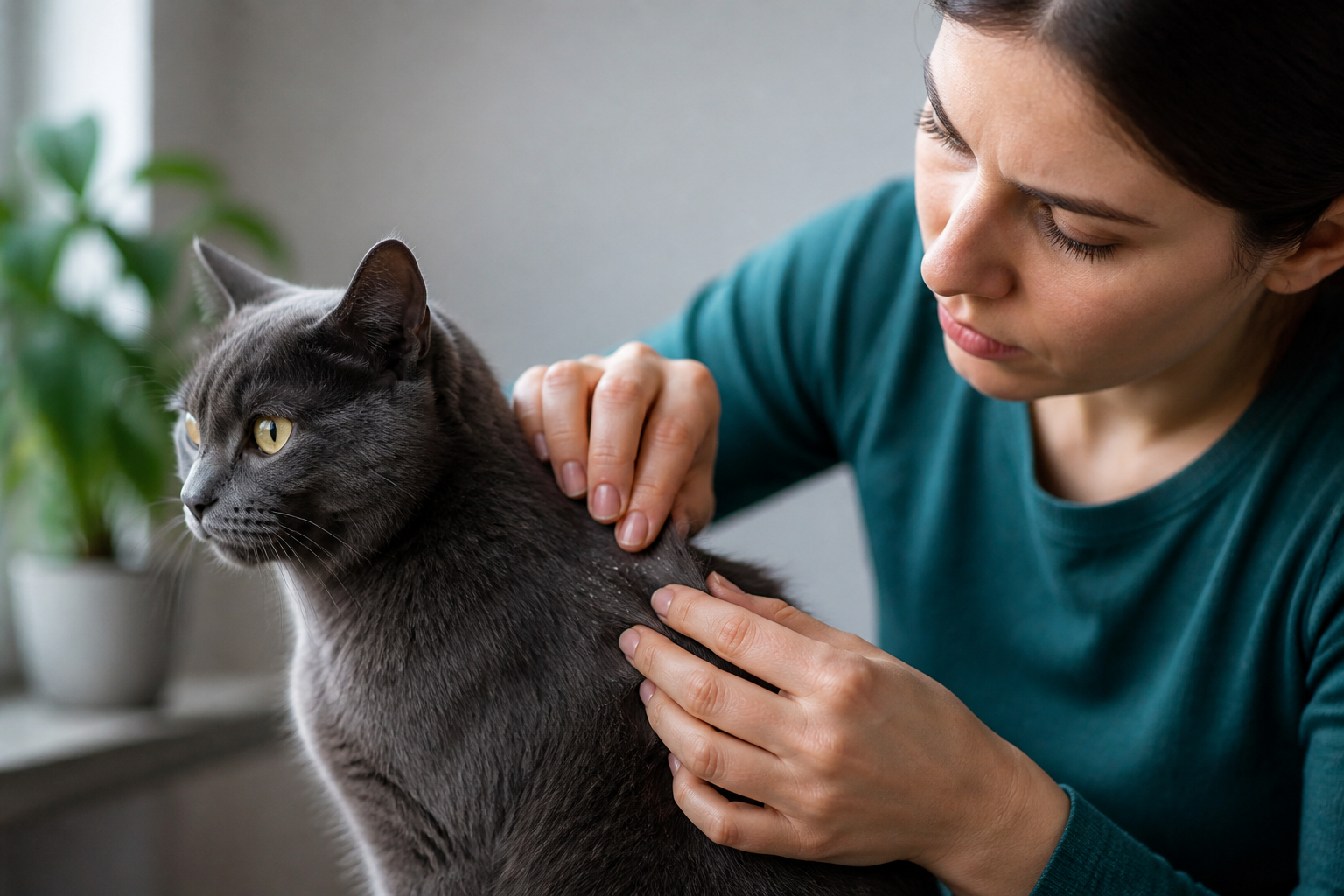
You are brushing your cat when you notice small white specks scattered across their dark fur. Your first thought might be dry skin. Then you wonder if those specks are actually moving. Distinguishing between cat dandruff or lice is a common challenge for pet owners. While both look similar at a glance, one is a skin condition and the other is a parasite infestation. At BaxterBoo, we know that any change in your cat's coat can be worrying. This article explains how to identify what is affecting your cat, the underlying causes of flaky skin, and how to restore their coat to a healthy shine. Understanding the difference is the first step toward getting your cat the right care.
Quick Answer: Cat dandruff consists of dead skin flakes that easily fall off the fur. Cat lice are small parasites that attach their eggs, or nits, firmly to the hair shafts. If the white specks move or are difficult to slide off the hair, your cat likely has parasites rather than dry skin.
Identifying White Flakes in Your Cat's Fur
The first step in addressing your cat's skin issues is identifying exactly what those white specks are. While they might look identical from a distance, they behave very differently when touched. Dandruff is simply dead skin. Like humans, cats shed skin cells constantly. Usually, their grooming habits remove these cells before you ever see them. When the skin becomes too dry or oily, these cells clump together and form visible flakes.
Lice are a different matter entirely. The species that affects cats is known as Felicola subrostratus. These are chewing lice that live their entire life cycle on the animal. They are not as common as fleas, but they can cause significant irritation. You might see the adult lice moving, but you are more likely to see the nits. Nits are the eggs laid by the lice. They are white, oval, and glued tightly to the base of the hair.
To tell the difference, try the "slide test." Take a few strands of hair between your fingers and try to slide the white speck off. If it moves easily or falls off when you pet your cat, it is likely dandruff. If it is stuck firmly to the hair and requires effort to move, it is likely a louse egg.
Key Takeaway: Dandruff flakes are irregular in shape and fall off the coat easily. Lice eggs are uniform in shape and are firmly attached to the individual hairs of your cat.
Common Causes of Cat Dandruff
If you have determined that the flakes are indeed dandruff, the next step is finding the root cause. Dandruff is a symptom, not a primary disease. One of the most frequent causes is environmental. During the winter, indoor heating systems strip the moisture from the air. This leads to dry skin for both people and pets. If your cat only shows flakes during the colder months, low humidity is a likely culprit.
Another common factor is a lack of grooming. Cats are meticulous about their hygiene. If a cat stops grooming, dead skin and natural oils build up. This often happens in senior cats or cats with mobility issues. A cat with arthritis may find it painful to reach their lower back or the base of their tail. Similarly, overweight cats often have dandruff in areas they can no longer reach.
Diet also plays a major role in skin health. Cats require specific nutrients to maintain a supple skin barrier. If their food is low in essential fatty acids, the skin can become brittle and flaky. We see this often with lower quality diets that lack the balance found in premium brands like Farmina or Open Farm.
Summary Checklist for Dandruff Causes:
- Low indoor humidity during winter months.
- Inability to groom due to obesity or arthritis.
- Nutritional deficiencies in fatty acids.
- Dehydration or low water intake.
- Underlying medical conditions like hyperthyroidism or diabetes.
Understanding Cat Lice and Parasites
While cat lice are less common than fleas or mites, they are highly contagious between cats. They are species-specific, meaning you cannot catch lice from your cat, and your cat cannot catch them from a human or a dog. Lice infestations are most common in cats that live in crowded conditions or those with weakened immune systems.
Unlike fleas, lice do not jump. They are transmitted through direct contact. If you have a multi-cat household and one cat has lice, the others are likely at risk. The adult lice are small, flat, and wingless. They spend their time chewing on skin debris and scales. This activity causes intense itching and discomfort.
Another parasite often confused with dandruff is the Cheyletiella mite. This condition is literally called "walking dandruff." These mites are large enough to be seen with the naked eye. As they move under the scales of the skin, the flakes appear to be walking. If you see movement, skip the home remedies and head straight to the veterinarian.
Vet Tip: If you suspect your cat has lice or mites, keep them isolated from other pets in the house. A veterinarian must perform a skin scraping or tape test to confirm the type of parasite before starting treatment.
For additional parasite-prevention guidance, review this overview of flea and tick prevention products.
The Role of Nutrition in Skin Health
The skin is the largest organ of the cat's body. It requires a significant amount of protein and fat to stay healthy. When a cat is not getting the right balance of Omega-3 and Omega-6 fatty acids, the skin barrier weakens. This leads to moisture loss and the characteristic flaking of dandruff.
Many high-quality cat foods now include these essential oils. Brands like Ziwi Peak or Stella and Chewy's focus on nutrient density that supports coat health. If your cat has persistent dandruff, look for foods that list salmon oil or flaxseed as ingredients. These provide the DHA and EPA needed to reduce inflammation in the skin.
Hydration is the other side of the nutrition coin. Cats have a low thirst drive. If they only eat dry kibble, they may live in a state of mild dehydration. This shows up in the skin first. Adding wet food from brands like Tiki Cat or Fussie Cat can increase their water intake. This helps hydrate the skin from the inside out.
Bottom line: A diet rich in animal proteins and essential fatty acids is the most effective way to prevent non-medical dandruff in cats.
Explore our cat food selection when reviewing nutrition options for your cat.
Grooming Techniques to Manage Flakes
Regular grooming is your best defense against both dandruff and lice. For dandruff, brushing helps distribute natural skin oils across the entire coat. It also manually removes the dead skin cells before they can clump together. For short-haired cats, a weekly brushing is usually enough. Long-haired cats or those with limited mobility may need daily sessions.
Using the right tools makes a difference. A soft bristle brush or a grooming glove is excellent for distributing oils. If you are checking for lice, a fine-toothed flea comb is necessary. This comb can catch adult lice and sometimes even pull nits off the hair shafts.
If your cat is struggling to groom because of weight or age, you can use pet-safe grooming wipes. These help clean the areas the cat cannot reach. Avoid using human products or wet wipes on your cat. Cats have a different skin pH than humans, and many human products contain ingredients that are toxic if ingested during self-grooming.
Step 1: Choose a calm environment. / Ensure your cat is relaxed before starting any grooming session. Step 2: Use a fine-toothed comb. / Gently work through the fur, focusing on the lower back where flakes and parasites often congregate. Step 3: Inspect the comb. / Look for moving specks or eggs stuck to the hair. Step 4: Wipe down the coat. / Use a damp, pet-safe cloth to remove loose flakes and soothe the skin.
You can find our cat grooming supplies for brushes, combs, wipes, and other coat-care tools.
When to Use the BaxterBoo Pharmacy
When dandruff is caused by parasites like lice or mites, simple grooming and diet changes are not enough. These conditions require medical intervention. Our pharmacy offers a wide selection of FDA-approved medications through our partnership with Pet's Choice. This includes prescription-strength flea and tick preventives that also target lice and certain types of mites.
Treating lice typically involves topical medications or medicated shampoos prescribed by a vet. Because lice eggs hatch over several weeks, the treatment must often be repeated to ensure all new lice are eliminated. You can have your veterinarian send a prescription directly to us for convenient home delivery. This is especially helpful for managing chronic skin conditions that require ongoing medication.
Prescription diets are another resource available through our pharmacy. Some cats have severe skin allergies that manifest as dandruff and irritation. These cats may need specialized diets like Royal Canin Veterinary Diet or Farmina Vet Life. These formulas are designed to eliminate common allergens and provide therapeutic levels of skin-supporting nutrients.
Vet Tip: Never apply over-the-counter flea or lice treatments intended for dogs to your cat. Some canine products contain permethrin, which is highly toxic to cats and can be fatal.
When a veterinarian recommends medication, visit our cat pharmacy for prescription support.
Environmental Management for Healthier Skin
Your home environment plays a larger role in your cat's skin health than you might realize. During the winter, the humidity in a heated home can drop below 15 percent. This is far lower than the 30 to 50 percent humidity that is ideal for feline skin. Using a humidifier in the rooms where your cat spends the most time can significantly reduce dry, flaky skin.
Dust and allergens in the home can also trigger skin reactions. While we often think of allergies as causing sneezing, in cats, they more frequently cause skin inflammation. Frequent vacuuming and cleaning of your cat's bedding can help. If your cat has lice, environmental cleaning is mandatory. While cat lice do not live long off the host, they can survive in bedding or brushes for a few days. Wash all pet bedding in hot water and replace old grooming tools to prevent re-infestation.
Stress is a less obvious cause of skin issues. When a cat is stressed, they may over-groom or stop grooming entirely. Both behaviors lead to coat problems. Providing enrichment through toys from Kong or Jackson Galaxy can help keep your cat calm and engaged. A happy cat is more likely to maintain their own grooming routine.
For more feline wellness ideas involving hydration, cleanliness, and enrichment, read this guide to building a healthy feline immune system.
Differentiating Between Dandruff and Dander
It is important to understand that dandruff and dander are not the same thing. Every cat has dander. These are microscopic skin cells that are naturally shed. Dander is what carries the proteins that cause allergies in humans. You cannot see dander with the naked eye.
Dandruff is the visible accumulation of these cells. If you can see the white specks, you are looking at dandruff. While all cats produce dander, a healthy cat should not have visible dandruff. If you notice flakes, it is a signal that the skin's natural shedding process has been disrupted.
If your cat's skin is oily rather than dry, the dandruff may look more yellow and greasy. This is often called seborrhea. It can be caused by hormonal imbalances or skin infections. This type of dandruff often has a noticeable odor and requires a veterinary exam to determine if antibiotics or antifungal medications are needed.
Supporting Your Cat Through Every Life Stage
As your cat ages, their skin and coat needs will change. Kittens are prone to parasites like lice and mites because their immune systems are still developing. Middle-aged cats often struggle with dandruff related to obesity or poor diet. Senior cats frequently deal with dry skin due to decreased oil production and physical limitations like arthritis.
At BaxterBoo, we aim to provide the gear and guidance you need for every stage. For the active adult cat, we offer premium nutrition and grooming tools to prevent flakes before they start. For the senior cat, we provide mobility aids and supplements like Cosequin to help them stay flexible enough to groom themselves.
Monitoring your cat's coat is one of the best ways to keep a pulse on their overall health. A sudden change in the amount of dandruff can be an early warning sign of internal issues. By staying observant and providing consistent care, you can ensure your cat's coat stays as soft and healthy as possible.
Key Takeaway: Skin and coat health are reflections of internal wellness. Regular grooming and high-quality nutrition are your most effective tools for maintaining a flake-free cat.
For broader guidance on feline skin and coat care, browse our cat skin and coat health collection.
Conclusion
Finding white specks in your cat's fur can be startling, but most cases of cat dandruff or lice are manageable with the right approach. Start by determining if the specks are loose flakes or attached parasites. Address environmental factors like dry air and ensure your cat's eating a diet rich in essential fatty acids. If you suspect lice or other parasites, consult your veterinarian for a formal diagnosis and a treatment plan. Our pharmacy is here to help with FDA-approved medications and prescription diets to get your cat's skin back in top shape. Remember that consistent grooming and routine wellness checks are the best ways to catch skin issues early.
- Dandruff is usually a symptom of dry air, poor diet, or limited grooming.
- Lice and mites move or attach eggs to the hair and require medical treatment.
- Omega fatty acids and proper hydration are essential for skin moisture.
- The BaxterBoo pharmacy offers prescription solutions for both parasites and chronic skin allergies.
FAQ
Can humans catch lice from their cats?
No, cat lice are species-specific and cannot live on humans. The species that affects cats, Felicola subrostratus, only survives on feline hosts. If you find lice on yourself or your children, they are human lice and did not come from the family pet.
How can I tell if my cat has "walking dandruff" instead of regular flakes?
Walking dandruff is caused by Cheyletiella mites, which are large enough to be seen moving under the skin scales. If you look closely at the white flakes and see them shifting or crawling, it is likely a mite infestation. This condition is highly contagious and requires a visit to the veterinarian for specific antiparasitic treatment.
Is it safe to use human dandruff shampoo on my cat?
No, you should never use human dandruff shampoos on cats. Many of these products contain zinc pyrithione, selenium sulfide, or salicylic acid, which can be toxic if your cat licks their fur. Additionally, human shampoos have a pH level that is too acidic for feline skin, which can lead to further irritation and dryness.
Why does my overweight cat have so much dandruff on their lower back?
Overweight cats often develop dandruff on their lower back and the base of their tail because they cannot physically reach these areas to groom. When a cat stops grooming a specific area, dead skin cells and oils accumulate into visible flakes. Helping your cat with regular brushing and weight management can resolve this issue.