
 Save 15% on your 1st Autoship learn more

 Email us
 Live Chat
 FAQs
FAQs





Introduction
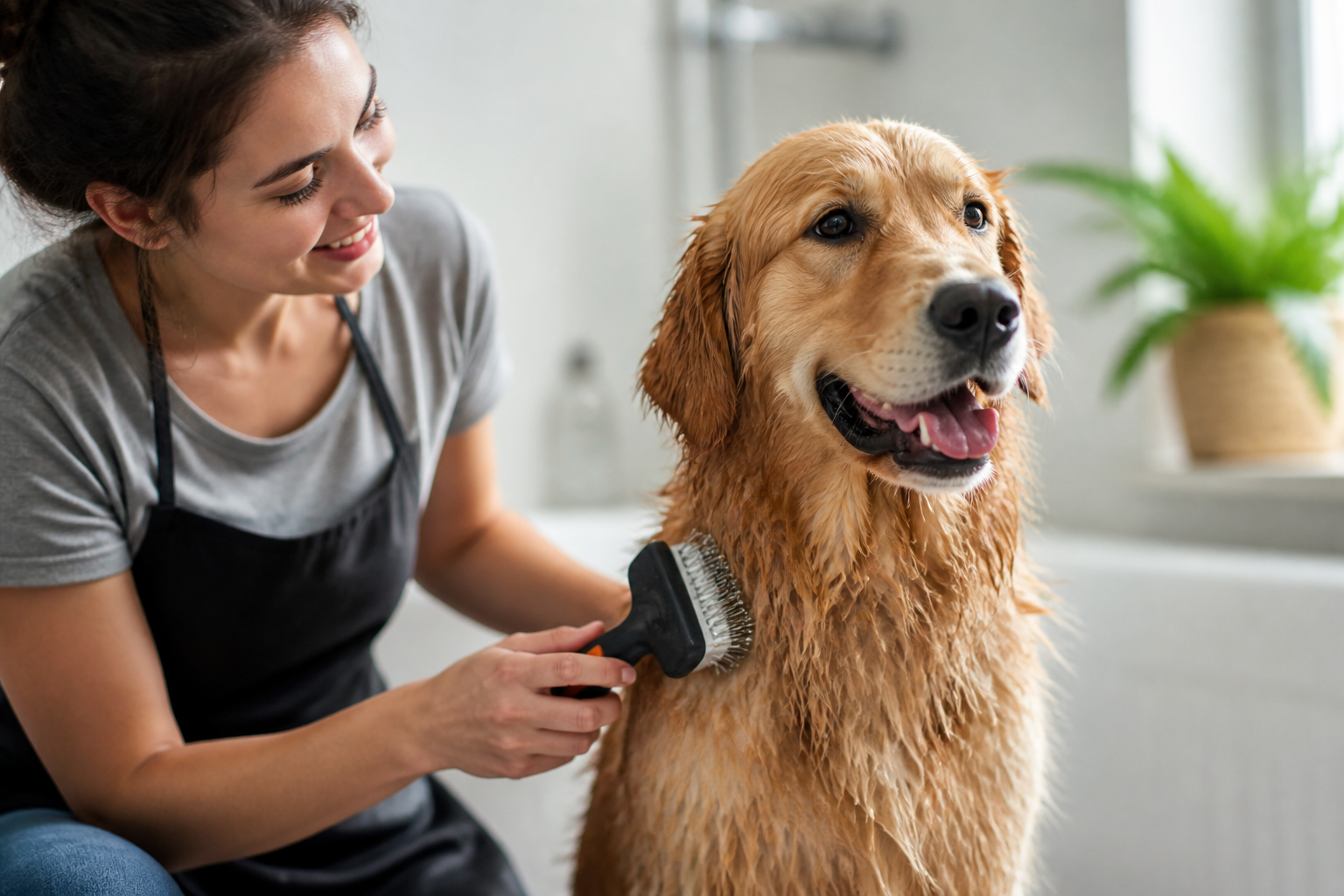
You have just finished giving your dog a bath, and they are currently a soggy, shivering mess. As you reach for the towel, you might wonder if now is the best time to run a brush through that coat. The tangles seem looser when the hair is soaked, and you might feel like you can get through the knots faster. At BaxterBoo, we hear this question from pet parents all the time who want to make grooming less of a chore for themselves and their dogs. This post covers the science of wet hair, the risks of breakage, and the specific times when a damp brush-out actually makes sense. You will learn how to protect your dog's skin and coat while finding the most efficient way to manage their grooming routine. Understanding the difference between a wet coat and a conditioned coat is the key to a healthy, shiny finish.
Quick Answer: Brushing a wet dog can feel easier because the hair is more elastic and slippery when conditioned, but the hair is also at its weakest. For general maintenance and de-shedding, it is much safer and more effective to brush a clean, dry coat.
The Science of Your Dog's Hair Bonds
To understand why moisture changes the grooming process, you have to look at the structure of the hair itself. Each strand of your dog's fur is held together by three types of bonds: hydrogen, disulfide, and salt. These bonds determine the strength, elasticity, and shape of the coat.
Hydrogen bonds are the most relevant when it comes to water. These bonds are easily broken by moisture. When your dog's coat gets wet, the water breaks these temporary bonds, which allows the hair to stretch significantly more than it would when dry. While this elasticity might make it feel like you can pull a brush through a knot more easily, it actually means the hair is in its most fragile state.
The outer layer of the hair, called the cuticle, also reacts to water. When saturated, the cuticle scales swell and open up. In this state, the hair can snag on the pins of a brush or the teeth of a comb much more easily. If you pull too hard on wet, swollen hair, you risk stretching it until it snaps or becomes permanently damaged. This damage leads to a frizzy, dull appearance once the coat finally dries.
When Wet Brushing is Actually Better
Professional groomers often use a technique called wet brushing, but they do it with very specific precautions. It is rarely about brushing a dog that is simply soaked with water. Instead, it is about brushing a coat that is clean and saturated with high quality conditioner.
When a dog has a heavy, double coat or a curly coat that tends to mat, brushing during the conditioning phase of a bath can be a life saver. The conditioner provides "slip." This lubrication allows the brush to glide through the hair without the friction that causes breakage.
The Benefits of Brushing During the Bath
- Product Distribution: Brushing while the conditioner is on helps move the product from the tips of the hair down to the skin.
- De-shedding Efficiency: Water and conditioner help loosen dead undercoat that might be trapped by the top coat.
- Time Savings: For breeds like Shelties or Newfoundlands, removing the bulk of the dead hair in the tub means less work with the blow dryer later.
Key Takeaway: Only brush a wet dog if the coat is clean and fully saturated with a conditioner or a detangling spray to prevent hair breakage.
The Dangers of Brushing a Dirty Wet Dog
One of the biggest mistakes a pet owner can make is brushing a dog that is wet but still dirty. If your dog just came in from the rain or took a dip in a pond, do not reach for the slicker brush immediately.
Dirt, sand, and debris act like sandpaper against the hair shafts when they are wet. If you brush a dirty, wet coat, you are essentially grinding those abrasive particles into the swollen hair cuticles. This causes immediate microscopic damage. Furthermore, the natural oils on a dirty coat can become sticky when damp, which makes the hair clump together. This creates a "velcro" effect that makes tangles much harder to pull apart.
If your dog gets wet and dirty, the best course of action is to either bathe them completely with a soap-free shampoo or let them dry entirely before attempting to brush out the debris. Brushing a dry, dirty dog is still better than brushing a wet, dirty one because the hair is structurally stronger and the dirt will often fall away as dust.
Tools Matter for Damp Grooming
If you decide to brush your dog while they are damp, you cannot use the same tools you use for a dry de-shedding session. Some brushes are too aggressive for the fragile state of wet hair.
A pin brush is generally the best choice for damp or wet hair. Look for a brush with polished, rounded tips. These pins are designed to move through the coat and gently stimulate the skin without scratching or tearing at the hair. We carry several high quality pin brushes in our dog brushes and combs category that are perfect for this exact purpose.
Slicker brushes, which have fine, bent wire teeth, are usually too sharp for wet skin. When the skin is wet, it becomes softer and more prone to "brush burn." Save the slicker brush for the end of the drying process when you want to fluff the coat and add volume.
Choosing the Right Brush
- Pin Brushes: Best for long hair and wet grooming because they provide a gentle glide.
- Wide-Tooth Combs: Ideal for checking for mats in a wet coat after conditioning.
- Slicker Brushes: Best used on dry hair to remove loose undercoat and finish the look.
- Rubber Curry Brushes: Perfect for short-haired dogs to use in the bath to scrub the skin and loosen hair.
Managing Mats and Tangles
There is a common myth that bathing a dog will "wash out" mats. In reality, water often acts like a glue for existing tangles. When a mat gets wet, the hair fibers swell and tighten against each other. If you do not remove the mats before the bath, they can become nearly impossible to get out once they dry.
The best routine is to do a "pre-groom" while the dog is dry. Use a detangling spray to give the hair some protection, then work through any obvious knots. Once the major tangles are gone, you can proceed to the bath. If you find a stubborn knot while the dog is wet and conditioned, use your fingers to gently pick it apart rather than yanking with a brush.
Vet Tip: If your dog has severe matting that reaches down to the skin, do not attempt to brush it out while wet or dry at home. Matting that is tight to the skin can cause hidden sores or infections. Consult your veterinarian or a professional groomer to have the mats safely clipped away.
Brushing Based on Coat Type
Every dog is different, and their coat type dictates whether wet or dry brushing is the path of least resistance.
Curly and Wavy Coats
For Poodles, Doodles, and Bichons, the hair is more like human hair. It grows continuously and tangles easily. Many owners find it easier to brush these dogs when they are about 75 percent dry. Using a leave-in keratin spray or a silicone-based detangler helps the brush move through the curls. If you wait until they are bone dry, the hair can become frizzy and full of static.
For more guidance on curly coats, read our guide to grooming a dog with curly hair.
Double-Coated Breeds
Huskies, Golden Retrievers, and German Shepherds have a dense undercoat. Brushing these dogs while wet is usually a mistake unless you are in the middle of a professional-grade de-shedding bath. The undercoat becomes heavy when wet and can clump together. It is much easier to use a high-velocity dryer to blow the water and loose hair out of the coat, then brush once the hair is dry and "fluffy."
Short-Haired Breeds
For Labradors or Boxers, wet brushing is almost never necessary for detangling, but a rubber curry brush in the bath is a fantastic way to manage shedding. The water helps the loose hair stick to the brush, keeping it out of your drain and off your furniture.
For short-haired dogs, a rubber option such as the KONG Zoom Groom Natural Rubber Dog Grooming Brush can be used wet or dry.
The Role of Brushing Sprays
If you take away only one tip from this guide, let it be this: never brush a bone-dry coat. Even if you are not doing a full bath, you should always use a brushing spray.
Dry hair creates static electricity. As you pull a brush through dry fur, the friction builds up a charge that causes individual hairs to stand up and wrap around each other. This leads to more tangles. A light mist of a grooming spray like Chris Christensen Ice on Ice or a similar leave-in conditioner acts as a lubricant. It reduces static, protects the hair shaft from the heat of a dryer, and makes the whole process more comfortable for your dog.
Step 1: Mist the coat. / Lightly spray your dog from about six inches away, focusing on long-hair areas. Step 2: Use your hands. / Work the spray into the fur with your fingers to ensure it reaches the undercoat. Step 3: Brush in sections. / Start from the bottom of the legs and work your way up to the body. Step 4: Check with a comb. / Run a metal comb through the hair to ensure the brush didn't just skip over a deep knot.
Skin Health and the BaxterBoo Pharmacy
Grooming is not just about looks; it is a vital part of monitoring your dog's health. While you brush, you are in a perfect position to check for lumps, bumps, or skin irritations. Many dogs struggle with seasonal allergies or skin infections that make grooming uncomfortable.
If you notice redness, crusty patches, or a strange odor during your grooming session, it might be time to look into medicated solutions. Through our pet pharmacy, BaxterBoo offers access to prescription shampoos and topical treatments. Whether your vet prescribes a chlorhexidine wash for a bacterial issue or a specialized treatment for fungal infections, our dog pharmacy can help you get the supplies you need delivered to your door. Maintaining the skin's health makes the hair stronger and less likely to break during grooming.
Bottom line: Brushing is a health check as much as a beauty routine, so watch for skin changes every time you pick up a brush.
Common Myths About Brushing a Wet Dog
There are several misconceptions that can lead to poor grooming results. Let's clear up some of the most common ones.
One myth is that brushing a wet dog causes more shedding. In reality, the brush is just catching the hair that has already died and been loosened by the water. The water doesn't create "new" shedding; it just makes it more apparent.
Another myth is that you should always air-dry a dog before brushing. While air-drying is fine for some, many long-haired dogs will develop "pin curls" or tight waves if they air-dry. These waves can hide small knots that eventually turn into mats. Brushing while using a hair dryer on a low, cool setting is often the best way to ensure a smooth, tangle-free coat.
Finally, some people believe that human conditioner is fine for dogs. This is a mistake. Dogs have a different skin pH than humans. Using human products can strip the natural oils from their skin, leading to dryness and irritation. Always use products formulated specifically for canine pH levels.
For additional bathing guidance, review these dos and don'ts for bathing your dog.
How to Handle Post-Bath Grooming
To make the process as easy as possible, follow a consistent post-bath routine. Once the bath is over, do not rub your dog vigorously with a towel. This creates massive tangles. Instead, pat the dog dry and wrap them in a microfiber towel or a chamois to soak up the excess moisture.
While the dog is still damp, apply your leave-in conditioner or detangling spray. This is the "sweet spot" where the hair is most manageable. If you are using a dryer, start at the rear of the dog and move forward. Use your brush to follow the air from the dryer. This "line brushing" technique ensures that you are drying the hair from the skin out to the tips, which prevents moisture from being trapped near the skin where it can cause hot spots.
For shampoos, conditioners, towels, and other supplies, browse our dog grooming collection.
Post-Bath Checklist
- Pat dry with a microfiber towel (no rubbing).
- Apply leave-in detangler to long hair and "friction" areas like armpits.
- Use a pin brush to gently straighten the coat while damp.
- Finish with a dryer on a cool setting.
- Reward your dog with a high-value treat to keep the experience positive.
Value and Convenience with BaxterBoo
We know that keeping up with a grooming routine can be expensive, especially if you have a dog with high-maintenance hair. That is why we offer programs like our MVP Rewards programme, where you can earn points on every brush, shampoo, and bottle of detangler you buy. If you find a brand your dog loves, like TropiClean or Chris Christensen, you can set up an Autoship order. This ensures you never run out of the essentials, and it saves you money on every delivery.
We have been helping pet parents since 2006, and we curate our selection to include only the brands we would use on our own pets. From professional-grade grooming tables to simple rubber curry brushes, we want to make sure you have the right tools to keep your dog comfortable and looking their best.
Conclusion
Deciding whether it is easier to brush a wet dog depends entirely on the tools and products you have on hand. While water alone makes hair fragile and prone to breaking, the combination of moisture and a high-quality conditioner can make detangling a heavy coat much smoother. For most everyday maintenance, brushing a clean, dry coat with a bit of grooming spray is the safest way to maintain hair integrity. Remember to always work in sections, use the right brush for your dog's coat type, and keep the experience positive with plenty of praise.
- Never brush a dirty wet dog.
- Always use a conditioner or spray for "slip."
- Choose a pin brush for damp hair to avoid skin irritation.
- Check the skin for issues and utilize the BaxterBoo Pharmacy for medicated needs.
Bottom line: Brushing a wet, conditioned dog is a great way to manage heavy coats, but dry brushing remains the standard for safe, everyday maintenance.
FAQ
Should I brush my dog before or after a bath?
It is almost always better to brush your dog before a bath to remove loose hair and tackle any mats. Water can tighten existing knots, making them much harder to remove once the dog is wet. A quick pre-bath brush ensures the shampoo and conditioner can actually reach the skin.
Is it okay to let my dog air dry after a bath?
Air drying is fine for short-haired dogs, but for long-haired or double-coated breeds, it can lead to problems. Trapped moisture near the skin can cause bacterial growth or "hot spots," and the hair may tangle as it dries. Using a blow dryer on a cool setting while brushing is usually the safer choice for coat health.
Why does my dog's hair feel frizzy after I brush it wet?
If the hair feels frizzy, you likely caused microscopic breakage by stretching the hair while it was wet and weak. This often happens if you brush a wet coat without enough conditioner or if you use a brush that is too aggressive. To fix this, use a leave-in keratin treatment to help smooth the hair cuticle.
Can I use a human hairbrush on my dog?
While a human brush won't necessarily hurt your dog, it isn't designed for the density of canine fur. Human brushes often have bristles that are too short to reach a dog's undercoat or pins that are too sharp for their sensitive skin. Investing in a dog-specific pin brush or slicker brush will provide much better results and be more comfortable for your pet.






