
 Save 15% on your 1st Autoship learn more

 Email us
 Live Chat
 FAQs
FAQs





Introduction
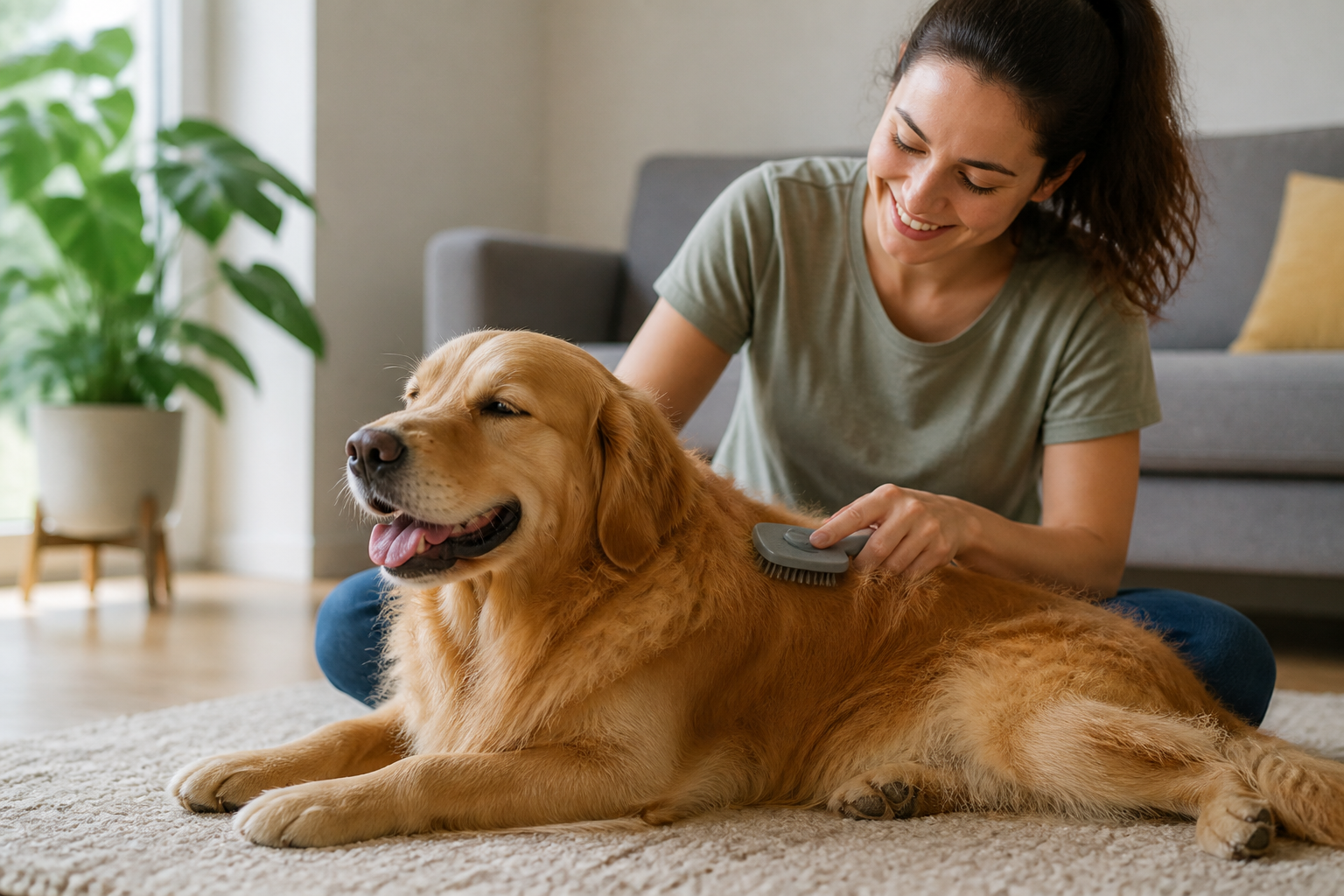
You are relaxing on the sofa after a long day when you notice a small tumbleweed of fur drifting across the hardwood floor. Or perhaps you reach down to scratch your dog behind the ears and feel the beginning of a stubborn, tight knot. These daily moments often leave pet owners wondering if they should be picking up the brush every single evening or if they risk overdoing it. At BaxterBoo, we talk to pet owners every day who want to maintain that healthy glow without causing skin irritation or "brush burn." The short answer is that for most dogs, daily brushing is not just okay; it is actually a fantastic habit for their physical and emotional health. This guide will explore how to tailor your routine to your dog's specific coat type and how to ensure every session is a positive experience.
Quick Answer: Yes, it is generally okay and often beneficial to brush your dog every day. While the frequency depends on their coat type, daily sessions help manage shedding, distribute natural oils, and allow you to check for skin issues or parasites early.
The Physical Benefits of a Daily Brushing Routine
Brushing is much more than a way to keep your furniture clean. It serves as a vital part of your dog's overall hygiene and comfort. When you run a brush through your dog’s coat, you are performing a mechanical cleaning of their skin. This process removes loose hair, dirt, and dander that might otherwise trap moisture and bacteria against the skin surface.
For dogs that spend a lot of time outdoors, daily brushing is a front-line defense against environmental allergens. Pollen, dust, and grass seeds can easily become lodged in a thick coat. If left there, these particles can cause itching and localized inflammation. By removing them daily, you reduce the overall allergen load on your dog's body. This is particularly helpful for dogs that suffer from seasonal skin sensitivities.
Beyond cleanliness, brushing acts as a massage. The bristles or pins stimulate the capillaries near the surface of the skin. This increased blood flow can help support healthy hair growth and overall skin vitality. It also helps to distribute sebum, which is the natural oil produced by the skin. Sebum is what gives a healthy coat its natural shine and provides a protective barrier against moisture. Without regular brushing, these oils can pool at the base of the hair, leading to a greasy feel and a dull look at the tips.
Key Takeaway: Daily brushing functions as a mechanical cleaner and a circulatory stimulant. It removes allergens and debris while ensuring natural oils are distributed from the skin to the ends of the hair.
Identifying Your Dog’s Coat Type
The frequency and intensity of your brushing routine should be dictated by the specific type of hair or fur your dog grows. Not all coats are created equal, and using the same technique on a Boxer that you would use on a Poodle could lead to problems.
Smooth and Short Coats
Smooth-coated dogs like Boxers, Pointers, and Dalmatians have hair that lies very close to the body. While they do not get tangles, they still shed. For these breeds, a daily session with a soft bristle brush or a rubber curry toy is excellent for oil distribution. However, you must be gentle. Because there is very little padding between the hair and the skin, aggressive brushing can cause redness and irritation quickly.
Short-coated dogs like Beagles and Labrador Retrievers have slightly more density. They often have a thick "undercoat" that sheds year-round. A daily pass with a rubber brush can help pull that dead hair out before it ends up on your clothes.
Double and Heavy Coats
Breeds like German Shepherds, Huskies, and Newfoundlands are the "heavy hitters" of the shedding world. They have a soft, dense undercoat and a tougher outer coat. Daily brushing for these dogs is often a necessity during the spring and fall when they "blow" their coats. If you skip days during these peak times, the undercoat can become impacted. This means the dead hair gets trapped, leading to mats that are difficult and painful to remove later.
For additional guidance on seasonal shedding and double coats, read about how regular grooming can help manage shedding.
Drop and Silky Coats
Yorkshire Terriers, Maltese, and Spaniels have hair that grows continuously, much like human hair. These coats are highly susceptible to tangles and mats. For a drop-coated dog, daily brushing is often the only way to keep them in a "long" clip. Even one or two missed days can result in small knots behind the ears or in the armpits that eventually require professional clipping to resolve.
Curly and Wire Coats
Poodles and Bichon Frises have curly coats that trap shed hair within the curls. This means they do not leave much hair on your carpet, but they are very prone to matting. Wire-coated breeds like Schnauzers have a rough outer layer that needs regular attention to stay tidy. For these dogs, daily brushing with a slicker brush ensures that the trapped hair is removed before it can weave itself into a permanent knot.
Vet Tip: If you notice your dog has persistent mats that reach down to the skin, do not try to cut them out with scissors. Skin can easily get pulled into the mat, leading to accidental cuts. Consult a professional groomer or your veterinarian to safely remove severe matting.
Essential Tools for Every Coat
Using the right tool is the difference between a dog that loves being brushed and one that hides under the bed when the brush comes out. Our warehouse at BaxterBoo is filled with different varieties because we know that a one size fits all approach does not work for grooming.
For a closer look at available options, browse our dog brushes and combs.
- Slicker Brushes: These have fine, short wires closely spaced on a flat or curved head. They are the go-to tool for removing mats and tangles in medium to long hair.
- Bristle Brushes: These are best for smooth or short-coated dogs. They help remove surface dirt and shine the coat.
- Pin Brushes: Similar to a human hairbrush, these are ideal for long, flowy coats to prevent tangles without causing breakage.
- Rubber Curry Brushes: These are excellent for short-haired breeds. The rubber nubs massage the skin and "grab" loose hair through friction.
- Undercoat Rakes: These have long, metal tines designed to reach through the topcoat and pull out the loose undercoat. They are essential for double-coated breeds.
Step 1: Choose the right tool. / Match the brush to your dog's specific coat length and texture.
Step 2: Check the skin. / Before brushing, run your hands over your dog to feel for any new lumps, bumps, or sore spots.
Step 3: Work in sections. / Start at the head and work your way back, focusing on one area at a time to ensure you do not miss spots.
Step 4: Reward and praise. / Offer small treats throughout the process to build a positive association with the routine.
Preventing Brush Burn and Skin Irritation
While brushing is beneficial, it is possible to have too much of a good thing. Brush burn is a common form of skin irritation caused by repetitive friction in the same area. This most often happens when an owner is trying to work out a stubborn mat or when using a tool that is too abrasive for the dog's skin type.
To avoid this, always keep the brush moving. Do not focus on a single square inch of skin for more than a few strokes. If you encounter a mat, use a detangling spray to help the hair slide apart more easily. You can also hold the base of the hair (the part closest to the skin) between your fingers while you brush the ends. This prevents the brush from pulling directly on the sensitive skin.
If you notice your dog's skin looking pink or red after a session, you may be using too much pressure. The weight of the brush is often enough to get the job done. You should also regularly inspect your grooming tools. Metal pins can lose their protective plastic tips over time, leaving sharp edges that can scratch the skin.
For more bath and grooming guidance, see these dos and don’ts for bathing your dog.
Key Takeaway: Proper technique is as important as frequency. Use light pressure, keep the brush moving, and always check your tools for damage to prevent skin irritation.
Brushing as a Health Diagnostic Tool
One of the greatest advantages of daily brushing is that it forces you to look at and touch every part of your dog’s body. Dogs are experts at hiding discomfort, and thick fur can easily mask physical changes. By brushing daily, you become the first line of defense in your dog's healthcare.
During your session, you should be looking for:
- Parasites: Fleas and ticks love to hide in the warm, protected areas like the armpits, groin, and behind the ears.
- Lumps and Bumps: Finding a new growth early can make a massive difference in treatment outcomes, especially for senior dogs.
- Skin Changes: Dry, flaky skin or oily patches can indicate nutritional deficiencies or underlying allergies.
- Grass Burrs or Thorns: Small objects can become embedded in the paws or coat, causing pain and potential infection if not removed.
If you discover persistent redness, a strange rash, or signs of a flea infestation, your next stop should be a conversation with your veterinarian. Our pharmacy at BaxterBoo carries a wide range of FDA-approved flea and tick preventives and skin treatments through our partnership with Pet's Choice. Having a prescription on file with us makes it easy to get the exact medications your vet recommends delivered right to your door.
You can also explore our dog healthcare selection for skin, coat, allergy, and wellness products.
The Bonding Power of Grooming
In the wild, grooming is a social activity that reinforces the hierarchy and bonds of the pack. When you brush your dog, you are speaking a language they instinctively understand. For many dogs, a gentle brushing session becomes the highlight of their day. It is a time of focused, calm attention that can help lower stress levels for both the pet and the owner.
If your dog is currently fearful of the brush, daily sessions are actually the best way to desensitize them. Instead of one long, stressful grooming appointment every few months, do two minutes of brushing every evening. Keep the mood light and follow the session with their favorite toy or a high value treat. Over time, the "scary" brush becomes a signal for affection and snacks.
For senior dogs, this daily contact is particularly important. As dogs age, they may have difficulty grooming themselves properly due to arthritis or reduced flexibility. A gentle daily brush helps them feel clean and cared for, even when they can no longer reach those itchy spots on their back.
Seasonal Adjustments to Your Routine
Your brushing routine should not stay the same all year long. Dogs react to the changing environment, and their coats follow suit. During the winter, the air in our homes is often very dry due to indoor heating. This can lead to static electricity in the coat and dry, itchy skin. Using a moisturizing grooming spray during your daily brush can help combat this.
In the spring, many breeds undergo a massive shed as they lose their heavy winter undercoat. You may find that you need to brush twice a day during this peak "blowout" period. Conversely, in the humid summer months, dogs with long hair are more prone to "hot spots" or moist dermatitis. Keeping the coat brushed out allows air to circulate down to the skin, helping it stay dry and healthy.
If you find yourself going through grooming supplies quickly during these peak seasons, our Autoship program is a great way to ensure you never run out of detanglers, wipes, or brushes. Plus, it earns you an MVP Gold membership, giving you even more ways to save on the products your dog needs to stay comfortable.
The Role of Nutrition in Coat Health
You can brush every day, but if your dog isn't getting the right nutrients, their coat will never truly shine. A dull, brittle, or excessively shedding coat is often a sign that something is missing from the diet. Omega-3 and Omega-6 fatty acids are the building blocks of healthy skin and fur.
Many premium foods carried at BaxterBoo, such as those from Open Farm or Stella and Chewy's, are formulated with high-quality proteins and fats specifically designed to support coat health. If your dog has a particularly stubborn coat issue, you might consider adding a supplement like Zesty Paws or Honest Paws to their daily routine. These can provide a concentrated boost of the oils needed to keep the skin hydrated and the hair strong.
Vet Tip: Sudden, dramatic changes in your dog's coat quality or a sudden increase in hair loss can sometimes signal internal health issues, such as thyroid problems or hormonal imbalances. If a change in diet and regular brushing doesn't help within a few weeks, schedule a checkup with your vet.
Making Daily Brushing a Permanent Habit
The key to a successful daily routine is consistency. Find a time that works for both you and your dog. Many owners find that brushing while relaxing in front of the TV in the evening is the easiest way to stick with it. Others prefer a quick brush after the morning walk to remove any outdoor debris before the dog hops back onto the furniture.
Keep your tools in a convenient location. If the brush is tucked away in a back closet, you are much less likely to use it. A decorative basket in the living room or a dedicated drawer in the entryway makes it easy to grab the brush whenever your dog is nearby and relaxed.
For everyday grooming supplies, visit our dog grooming collection.
- Keep sessions short (5 to 10 minutes is usually plenty).
- Always brush in the direction of hair growth.
- Check for mats in high-friction areas first (armpits, collar line).
- Use a detangling spray for longer coats to reduce pulling.
Bottom line: Daily brushing is a simple, low-cost way to drastically improve your dog's quality of life and catch potential health issues before they become emergencies.
Conclusion
Brushing your dog every day is one of the most effective ways to manage shedding, support skin health, and strengthen your bond. While the specific tools you use will vary based on whether your dog has a smooth, double, or curly coat, the goal remains the same: a clean, comfortable, and happy pet. At BaxterBoo, we are committed to providing the expert-curated tools and guidance you need to make grooming a stress-free part of your life. Whether you are looking for a new slicker brush or need to manage a skin condition through our pharmacy, we have you covered.
Start your routine today by checking your current grooming kit and ensuring your brushes are in good condition. If you need a refill on grooming sprays or want to try a new tool, remember that your purchases earn you rewards through our MVP program.
FAQ
Can I brush my dog too much?
While daily brushing is good, over-brushing a single spot can lead to skin irritation known as brush burn. To avoid this, keep the brush moving and use light pressure, especially on breeds with very short hair or sensitive skin. If you notice redness, give that area a rest for a few days.
What is the best brush for a dog that sheds a lot?
For heavy shedders with a double coat, an undercoat rake combined with a slicker brush is usually the most effective setup. For short-haired heavy shedders like Labs, a rubber curry brush is excellent for grabbing loose hair that a standard bristle brush might miss.
Does daily brushing help with dog allergies?
Yes, daily brushing can significantly help both the dog and the owner. It removes environmental allergens like pollen from the dog's coat and reduces the amount of dander and loose fur circulating in your home. For the best results, use a damp cloth or grooming wipe after brushing to catch any remaining fine particles.
My dog hates being brushed. Should I still do it daily?
If your dog is fearful, daily sessions are actually better than long, infrequent ones. Keep the sessions very short—even just thirty seconds—and pair them with high-value treats. Gradually increase the time as your dog becomes more comfortable with the sensation of the brush.






