
 Save 15% on your 1st Autoship learn more

 Email us
 Live Chat
 FAQs
FAQs





Introduction
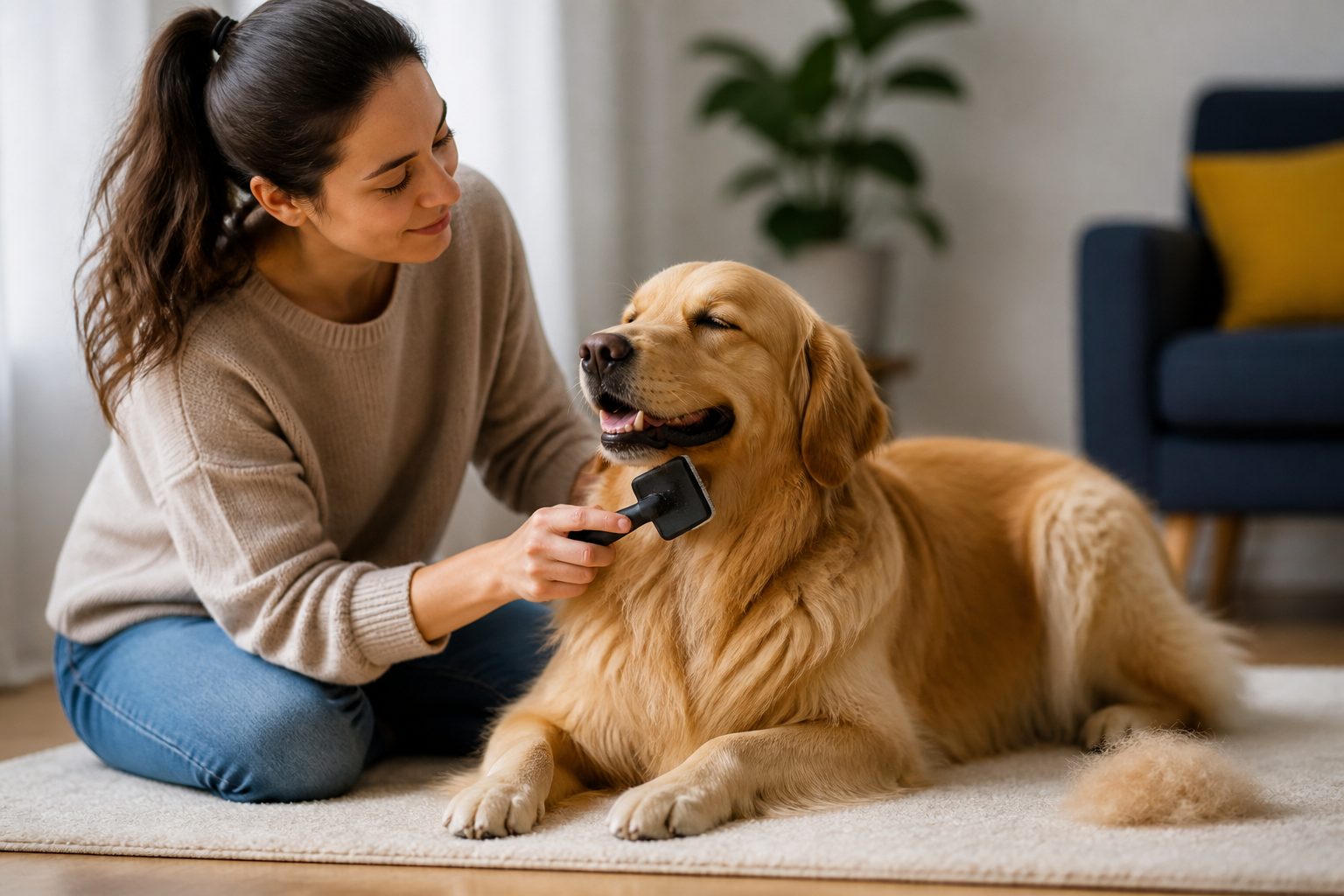
You just finished a long grooming session with your dog. Their coat looks tidy and the pile of loose fur on the floor is impressive. However, you notice a patch of pink, irritated skin on their flank or see them flinching when the brush gets close. This moment of worry is common for dedicated owners who want the best for their pets. While we often focus on the dangers of matting and neglect, it is absolutely possible to over brush your dog.
At BaxterBoo, we see many owners who are so committed to coat health that they accidentally cause skin irritation or "brush burn." Understanding the balance between necessary maintenance and excessive friction is key to a happy, comfortable pet. This article covers the signs of over-brushing, how different coat types dictate your schedule, and the best tools to keep your dog's skin safe. We will help you build a routine that supports a gleaming coat without causing discomfort.
Quick Answer: Yes, you can over brush your dog. Doing so often leads to skin irritation known as brush burn, coat breakage, and significant stress for the pet. The key is to use the correct tool for your dog's specific coat type and to avoid repetitive, high-pressure strokes on the same area of skin.
The Physical Risks of Over Brushing
When you brush your dog, you are doing more than just removing hair. You are applying mechanical pressure and friction to their skin. While some friction is good for stimulating natural oils, too much can lead to several physical issues.
The most common problem is "brush burn." This occurs when the bristles or pins of a brush scrape against the skin repeatedly. It looks like a red, rash-like patch and can be very painful. In some cases, the skin may even weep or develop a scab. If you notice your dog licking a specific spot after grooming, they might be trying to soothe a brush burn.
Over-brushing also damages the hair shaft itself. If you use a heavy-duty deshedding tool or a slicker brush too frequently, you can actually snap the hairs. This leads to a coat that looks frizzy, dull, or thin. For double-coated breeds, aggressive brushing can damage the protective guard hairs. These hairs are essential for regulating temperature, so keeping them intact is vital for your dog's comfort in both summer and winter.
Vet Tip: If you notice red, raw, or oozing skin after grooming, your dog may have developed a secondary skin infection from brush burn. Consult your veterinarian for a proper diagnosis. Our pet pharmacy offers a variety of medicated shampoos and topical treatments through our partnership with Pet's Choice to help heal irritated skin.
Understanding Coat Types and Brushing Frequency
Every dog has a different threshold for grooming based on their coat type. Using a "one size fits all" approach is often how over-brushing happens.
Smooth and Short Coats
Dogs like Boxers, Labradors, and Beagles have shorter hair that lies close to the skin. Because there is very little padding between the brush and the skin, these dogs are the most susceptible to brush burn. You generally only need to brush these breeds once or twice a week. A rubber curry brush or a soft bristle brush is usually enough to remove dead hair and distribute oils.
Double Coats
Breeds such as German Shepherds, Huskies, and Golden Retrievers have a dense undercoat and a longer outer coat. These dogs require more frequent brushing, especially during shedding season. However, the risk here is focusing too much on one "problem" area. Owners often keep brushing the same spot because hair keeps coming out. This can lead to bald patches and skin irritation.
Curly and Drop Coats
Poodles and Yorkshires Terriers have hair that grows continuously. They do not shed in the traditional sense, but they mat very easily. These dogs need frequent, often daily, brushing to prevent tangles. The danger for these breeds is "tugged" skin. If you are too aggressive while removing a mat, you can pull the skin into the brush, causing bruising or tears. For additional guidance, read our article on how to groom a dog with curly hair.
How to Identify Brush Burn and Skin Irritation
Recognizing the early signs of over-brushing can prevent a minor irritation from becoming a painful vet visit. You should always perform a quick skin check before, during, and after your grooming session.
- Redness: The skin should be a healthy pale pink or its natural pigmented color. Bright red patches are a clear sign of trouble.
- Sensitivity: If your dog normally enjoys grooming but suddenly pulls away or growls, they likely have a sore spot.
- Bumps or Wheals: Sometimes over-brushing causes the skin to swell slightly in the affected area.
- Excessive Licking: If your dog focuses on one area of their body immediately after you finish, check that spot for warmth or redness.
If you find an irritated area, stop brushing immediately. Give the skin at least a week to heal before you attempt to groom that specific section again. You may need to switch to a softer tool or use less pressure in the future.
Key Takeaway: Proper grooming should never hurt your dog. If you see redness or your dog shows signs of discomfort, you are likely using too much pressure or the wrong type of brush for their skin sensitivity.
Choosing the Right Tools to Prevent Damage
The tool you choose is just as important as the technique you use. We carefully curate the selection at BaxterBoo to ensure you have access to professional-grade tools that prioritize pet safety. Using a tool meant for a thick double coat on a thin-skinned Greyhound is a recipe for injury.
Slicker brushes are excellent for removing mats and loose hair from medium to long coats. However, the wire pins can be sharp. Look for slicker brushes with coated tips if your dog has sensitive skin. Pin brushes are generally gentler and are great for daily maintenance on long, silky coats. Browse our dog brushes and combs to compare grooming tools for different coat types.
For short-haired breeds, rubber brushes are the safest option. They use friction from the rubber rather than sharp metal pins to pull away dead hair. If you are using a deshedding rake or a blade, use a very light hand. These tools are designed to "grab" hair, and they can easily grab skin if you press too hard.
The Golden Rule: Never Brush a Dry Coat
One of the biggest mistakes owners make is brushing a completely dry coat. Dry hair is more prone to static and breakage. It also creates more friction against the skin. Professional groomers almost always use a brushing spray or a leave-in conditioner to provide lubrication.
A light mist of detangling spray helps the brush glide through the hair rather than pulling against it. This makes the experience much more comfortable for your dog. It also helps to prevent the hair from snapping. If you are dealing with a specific mat, saturate the knot with a detangler and work it out with your fingers before bringing the brush to it. A product such as Pure and Natural Pet Lavender Detangling & Conditioning Spray can fit naturally into this part of your routine.
Step 1: Mist the coat. / Lightly spray your dog's fur from about six inches away. Avoid the eyes and ears.
Step 2: Massage it in. / Use your hands to distribute the spray through the layers of hair.
Step 3: Brush in sections. / Start at the ends of the hair and work your way toward the skin using short, gentle strokes.
Step 4: Check the skin. / Periodically lift the hair to ensure the skin underneath looks healthy and calm.
Bottom line: Using a lubricant like a grooming spray reduces friction, prevents hair breakage, and significantly lowers the risk of skin irritation.
When to Seek Professional Help or Medical Advice
Sometimes, a coat becomes so matted that DIY brushing is no longer safe. If a mat is tight against the skin, trying to brush it out will almost certainly cause pain and skin damage. In these cases, a professional groomer is the best option. They have the tools to safely shave under the mat without cutting the skin.
If your dog has chronic skin issues that make brushing difficult, it might be an underlying health concern. Allergies, thyroid issues, or nutritional deficiencies can all affect coat quality and skin sensitivity. We offer a range of specialized products to support these needs.
Our pharmacy carries prescription diets, such as Farmina Vet Life or Royal Canin, which are formulated for skin and coat health. We also stock high-quality supplements like Cosequin or Zesty Paws that support the skin barrier from the inside out. Through our partnership with Pet's Choice, you can easily manage these health needs alongside your regular grooming supplies. You can also browse our dog healthcare selection for additional care products.
The Behavioral Impact of Over Brushing
Beyond physical pain, over-brushing can damage the bond you have with your dog. Grooming should be a time for relaxation and connection. If every session ends in pain, your dog will begin to fear the brush. This leads to a cycle of avoidance that makes necessary grooming even harder.
If your dog runs away when they see the grooming kit, you may need to "reset" their associations. Keep sessions very short — perhaps only two or three minutes. Use high-value treats and lots of praise. Ensure you are using the softest brush possible during this retraining phase.
Focus on making it a positive experience rather than trying to get every single loose hair out in one sitting. It is much better to do five minutes of gentle brushing every day than thirty minutes of aggressive brushing once a week. Our guide to bathing and brushing your dog without causing discomfort offers related grooming tips.
- Keep treats nearby and reward calm behavior.
- Stop before your dog gets restless.
- Use a "happy hoodie" or calming spray if they are anxious.
- Always end on a positive note with a favorite toy or a belly rub (if the skin isn't sore!).
Creating a Safe Grooming Schedule
To avoid the temptation of over-brushing, it helps to have a set schedule based on your dog's specific needs. This prevents the "marathon" sessions that often lead to irritation.
| Coat Type | Recommended Frequency | Recommended Tool |
|---|---|---|
| Smooth (Boxer, Beagle) | 1x Weekly | Rubber Curry or Bristle Brush |
| Short/Dense (Labrador) | 1-2x Weekly | Slicker Brush and Rubber Brush |
| Double (Husky, Shepherd) | 3x Weekly | Undercoat Rake and Slicker Brush |
| Curly (Poodle, Bichon) | Daily to 3x Weekly | Slicker Brush and Metal Comb |
| Silky/Drop (Yorkie, Maltese) | Daily | Pin Brush and Detangling Spray |
By sticking to a regular, shorter routine, you keep the coat manageable. This means you won't have to use as much pressure to get through tangles, which is the primary cause of brush burn.
Managing Shedding Without Over-Brushing
Many owners over-brush because they are frustrated by the amount of hair on their furniture. If your goal is to reduce shedding, brushing is only one part of the equation. Diet and bathing also play massive roles. Our guide to managing shedding with regular grooming covers related coat-care considerations.
A high-quality diet rich in Omega-3 and Omega-6 fatty acids helps keep the hair follicles strong. When the hair is healthy, it stays in the follicle longer, reducing the amount of fur that ends up on your carpet. We carry several supplements and premium foods designed specifically to reduce excessive shedding.
Regular bathing with a deshedding shampoo can also help. The warm water and specialized ingredients help loosen the undercoat in the tub, so it washes down the drain instead of needing to be pulled out with a brush. Just be sure to dry your dog thoroughly, as damp skin is more sensitive to brushing. Browse our dog grooming supplies for brushes, shampoos, conditioners, and other bathing products.
Key Takeaway: Control shedding through a combination of proper nutrition, appropriate bathing, and gentle brushing rather than relying on aggressive grooming sessions alone.
Summary of Healthy Brushing Habits
Brushing your dog is a vital part of their care, but more is not always better. The goal is to remove dead hair and debris while keeping the skin healthy and the dog happy.
- Check the skin often: Look for redness or irritation throughout the session.
- Use the right tool: Match the brush to your dog's specific coat and skin sensitivity.
- Lubricate the coat: Never brush a bone-dry dog; use a detangling spray.
- Be consistent: Frequent, short sessions are better than occasional, long ones.
- Watch for stress: If your dog is unhappy, take a break and reassess your technique.
By following these steps, you can ensure that grooming remains a positive experience for both you and your pet. If you ever notice persistent skin issues despite your best efforts, remember that our pharmacy is here to help with FDA-approved medications and prescription diets. We want to make sure your dog feels as good as they look.
Explore our full collection of grooming tools and skin care products to find the perfect match for your dog's coat. You can even set up our Autoship programme for your favorite grooming sprays and shampoos to ensure you never run out and save on every order.
FAQ
How do I know if I am pressing too hard while brushing?
A good rule of thumb is to test the brush on the inside of your own forearm. If the pins feel scratchy or uncomfortable on your skin, they are likely too sharp or you are applying too much pressure for your dog. Your strokes should be light and repetitive rather than deep and forceful.
Can over-brushing cause my dog to lose too much hair?
Yes, aggressive brushing can cause traction alopecia or simple breakage. If you notice thin patches or a change in the texture of the coat, you may be over-brushing or using a deshedding tool too frequently. For most breeds, heavy deshedding tools should only be used once every week or two.
What should I do if my dog already has brush burn?
First, stop all grooming in that area to prevent further damage. You can apply a pet-safe soothing balm or consult your vet for a medicated spray. Keep the area clean and dry, and watch for signs of infection like swelling or discharge. Our pharmacy offers several topical treatments through Pet's Choice that can help speed up the healing process.
Is it okay to brush my dog every day?
For some breeds, like those with long silky hair or curly coats that mat easily, daily brushing is actually recommended. However, the key is the intensity. Daily brushing should be a gentle "freshen up" with a soft brush and a detangling spray rather than a deep, intensive deshedding session. Always monitor the skin for any signs of redness.






