
 Save 15% on your 1st Autoship learn more

 Email us
 Live Chat
 FAQs





Introduction
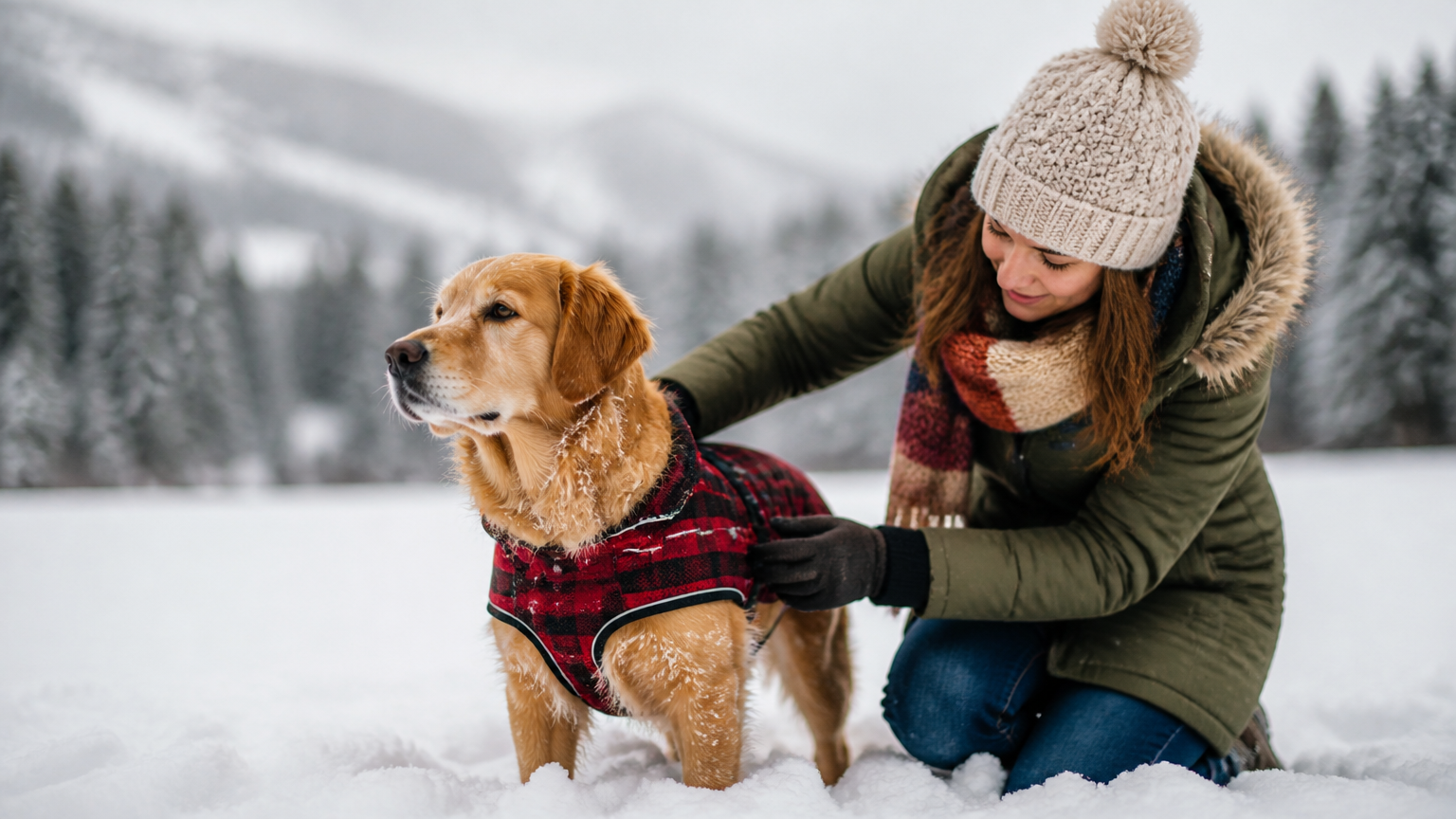
Your dog needs a bathroom break, but the sidewalk is icy and the wind is picking up. Should you head out for a walk or hurry back inside? Many dogs can enjoy time outdoors in cold weather, but there is no single safe temperature or walk length for every dog.
At BaxterBoo, we know that a small, short-haired dog may need a different plan from a thick-coated husky. We’ll help you judge the conditions, choose useful gear, and recognize when your dog needs warmth or veterinary care. The main rule is simple: make outdoor time fit your dog and the weather, and bring them inside before the cold becomes a problem.
How Cold Affects Your Dog
Dogs produce body heat and use their coats to help hold it in. In cold conditions, their bodies can also reduce blood flow near the skin to conserve heat, and shivering generates additional warmth. These responses help maintain a stable internal temperature, a process called homeostasis.
Those defenses have limits. Wind and wet fur can make it harder to stay warm, while paws, ears, and tail tips remain exposed. If a dog loses heat faster than their body can replace it, their body temperature can fall dangerously low.
A dog’s size, age, health, coat, and familiarity with cold weather all matter. Cornell University’s winter safety guidance identifies small dogs, puppies, seniors, underweight dogs, and dogs with health conditions as especially vulnerable.
Short-Haired and Small Dogs
Small dogs have less body mass to help retain heat, and short-haired dogs have less coat insulation. A small dog’s chest and belly can also be close to snow or wet ground.
For these dogs, start with a brief outing close to home. A dry, well-fitting coat may help, but it does not make an extended stay outside safe.
Double-Coated Dogs and Huskies
A double coat has a dense undercoat beneath longer outer hairs. Breeds such as huskies generally tolerate cold better than thin-coated dogs, particularly when they are accustomed to the conditions. Best Friends Animal Society notes that health, age, conditioning, and acclimation still affect an individual dog’s tolerance.
A husky can live in a cold climate, but a thick coat does not make every husky safe outdoors indefinitely. Even a dog that enjoys snow needs supervision, unfrozen water, shelter, and a place to come inside when conditions are too harsh.
Winter Dog Coats




How Long Can Dogs Be Outside in Cold Weather?
There is no reliable number of minutes that applies to every dog. The same dog may handle a dry, calm afternoon better than a windy morning with sleet. A dog that has recently moved from a warm climate may also be less prepared than one accustomed to cold.
Plan around the whole outing, not just the air temperature. A short bathroom trip near your door is easier to end than a long walk far from home. In very cold or stormy conditions, keep trips to necessary bathroom breaks and provide activity indoors.
Do not use an estimated survival time to decide how long to leave a dog outside. Serious cold injury can occur before an owner realizes there is a problem, and survival depends on too many conditions to predict. If your dog has been left out and seems weak, confused, or unable to move normally, bring them inside and seek veterinary help immediately.
What About 50°F or 40°F?
At 50°F, some healthy dogs will be comfortable on a walk, while a small, thin-coated, wet, or elderly dog may feel chilly. Wind and rain can change how the outing feels.
At 40°F, pay closer attention and consider a shorter outing, especially for a cold-sensitive dog. Neither temperature is a guarantee of safety or danger on its own. Watch your dog’s behavior and adjust for the weather, their coat, and their health.
Vet Tip: Ask your veterinarian for a cold-weather plan if your dog is very young, elderly, underweight, or has a health condition that affects mobility or temperature regulation.
Walking and Running With Your Dog in Cold Weather
A cold day does not automatically mean skipping a walk. Many dogs still enjoy getting outside, but the route and duration may need to change. In severe weather, a quick bathroom break followed by indoor play may be the better choice.
Use these steps to plan an outing you can end quickly if your dog gets uncomfortable.
Step 1: Check the conditions. Look at the temperature, wind, precipitation, and footing. Choose a cleared route close to home when the weather is uncertain.
Step 2: Fit your dog’s gear. Put on a dry coat or boots if your dog needs them. Check that the harness and leash fit securely over any clothing.
Step 3: Start with a short walk. Let your dog move at a comfortable pace and watch their body language. Turn back if they lift their paws repeatedly, shiver, slow down, or seem reluctant to continue.
Step 4: Check your dog indoors. Remove wet gear, dry your dog, and inspect their paws. Make a note of what worked so you can adjust the next outing.
For small dogs, consider several brief trips rather than one long walk. Clear a bathroom spot if deep snow makes it difficult for your dog to stand or move comfortably.
Some dogs can run in cold weather, but a run is not a substitute for watching the conditions. Slippery surfaces, hidden obstacles, and long distances from home make it harder to respond if your dog becomes uncomfortable. Choose secure footing, keep the run manageable, and stop if your dog’s gait or behavior changes.
Use a leash around snow and ice, and avoid frozen ponds or lakes. The American Red Cross warns that ice may not support a dog’s weight.
Signs Your Dog Needs to Come Inside
A dog does not need to show every sign of being cold. Watch for a change from their usual behavior, especially:
- Shivering or a hunched posture.
- Tucking the tail or repeatedly lifting paws.
- Whining, barking, or sudden anxiety.
- Slowing down, stopping, or resisting the walk.
- Seeking a warm place or trying to turn toward home.
These are cues to move your dog somewhere warm and dry, not challenges to work through. Cornell recommends adjusting outdoor time to your dog’s behavior because cold tolerance varies.
If your dog does not return to normal after coming inside, contact your veterinarian. Weakness, confusion, collapse, or difficulty breathing calls for immediate veterinary attention.
Can Dogs Stay or Sleep Outside in Cold Weather?
Bring your dog indoors during cold weather whenever possible, especially overnight. A dog may look comfortable when you check on them, but conditions can worsen while they are outside. Wet bedding, wind, and freezing water can also make an outdoor setup less protective.
A doghouse is not a guarantee that a dog can safely sleep outside. If your dog normally lives outdoors, ask your veterinarian to help assess their individual needs and make an indoor plan for cold snaps, storms, illness, and overnight care.
For time spent outside beyond a bathroom break, provide a dry, insulated shelter protected from wind. Cornell’s guidance also calls for dry bedding elevated off the ground and access to fresh water that has not frozen.
Check the setup throughout the day:
- Make sure your dog can enter, turn around, sit, and lie down comfortably.
- Position the entrance away from prevailing wind.
- Replace damp bedding and check that snow has not blocked the entrance.
- Check drinking water often and replace it before it freezes.
- Bring your dog inside if the shelter cannot keep them dry and protected.
Do not leave your dog alone in a cold car. The ASPCA warns that a car can hold in cold and put an unattended pet at risk.
Choosing Coats and Paw Protection
Coats and Sweaters
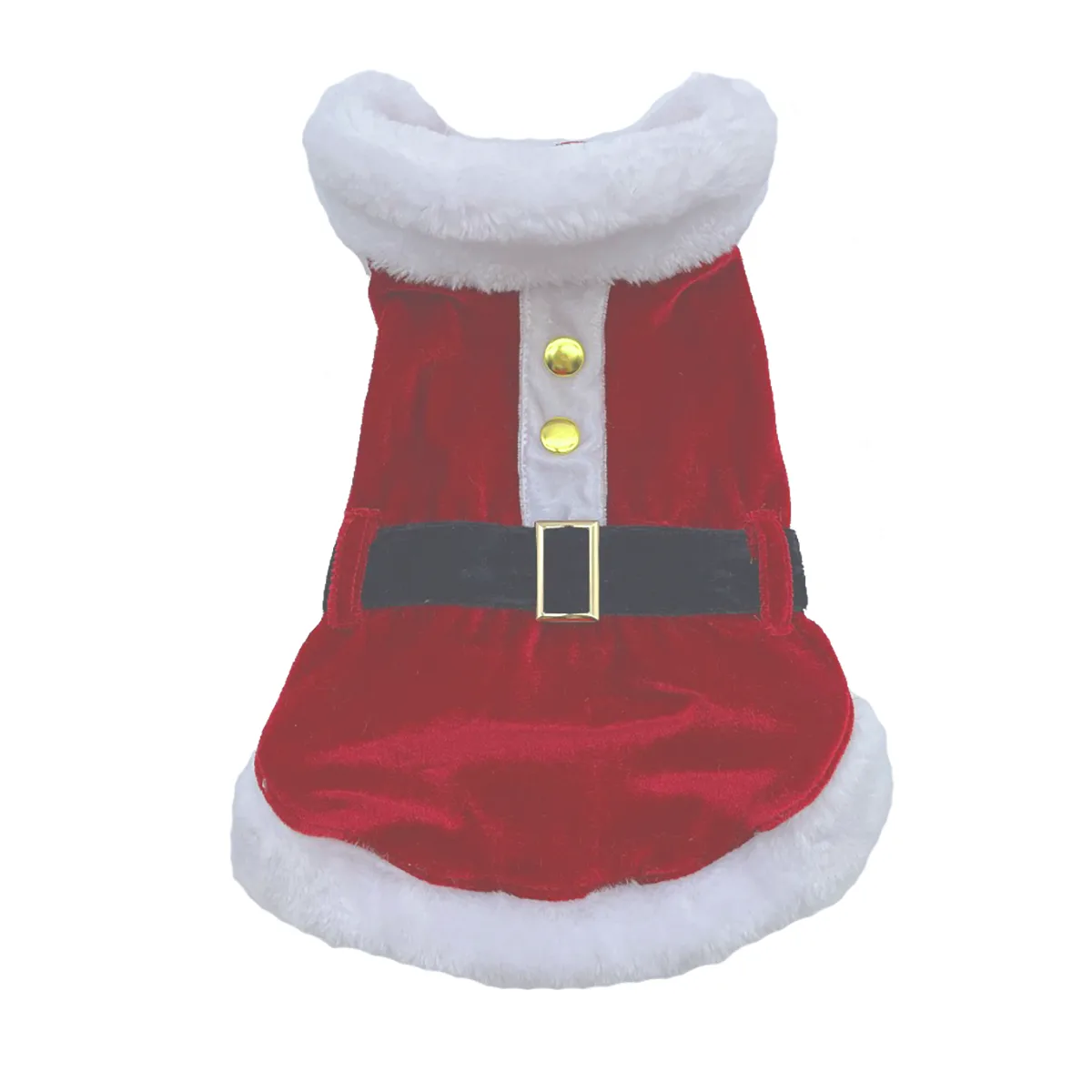
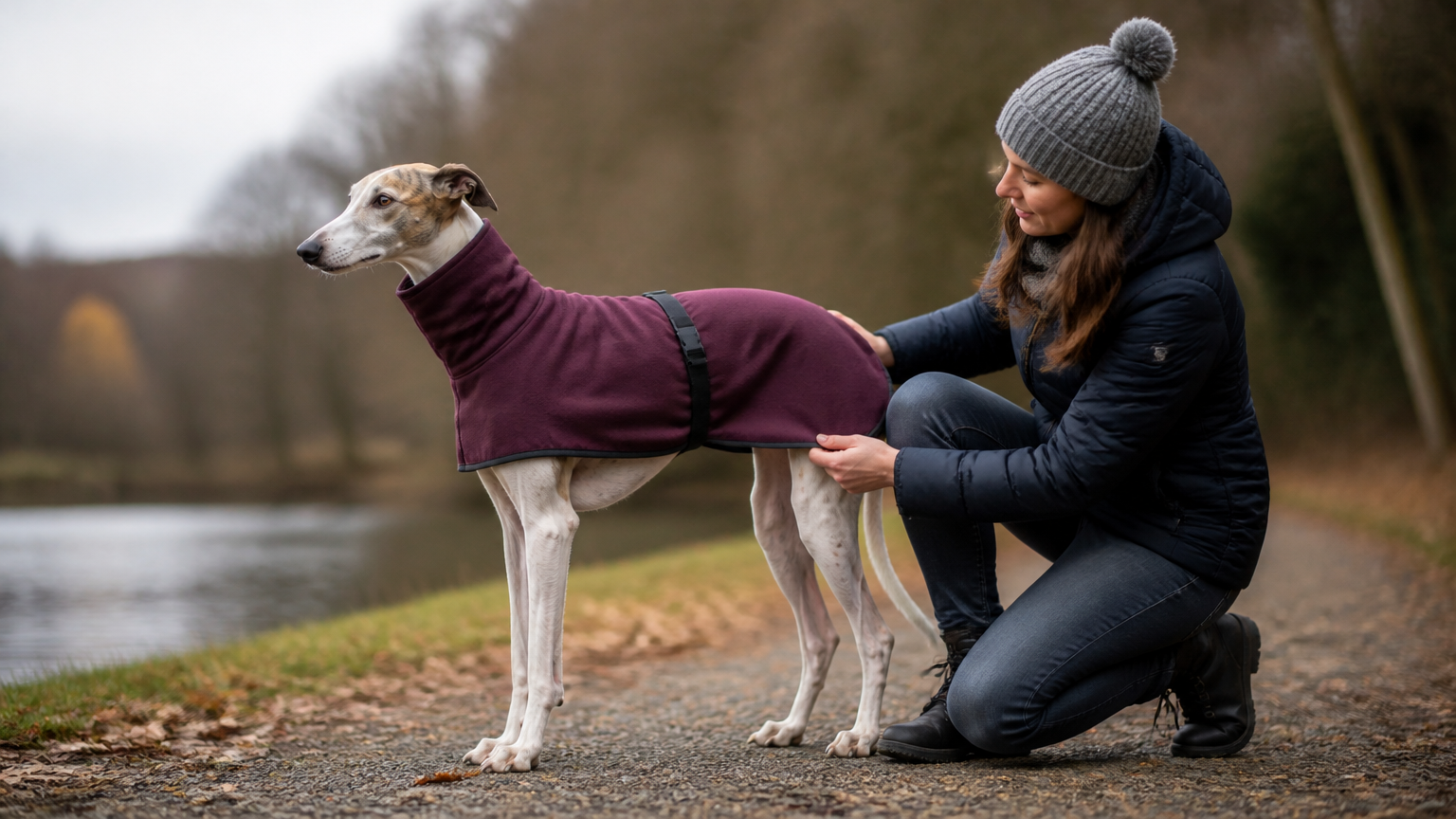
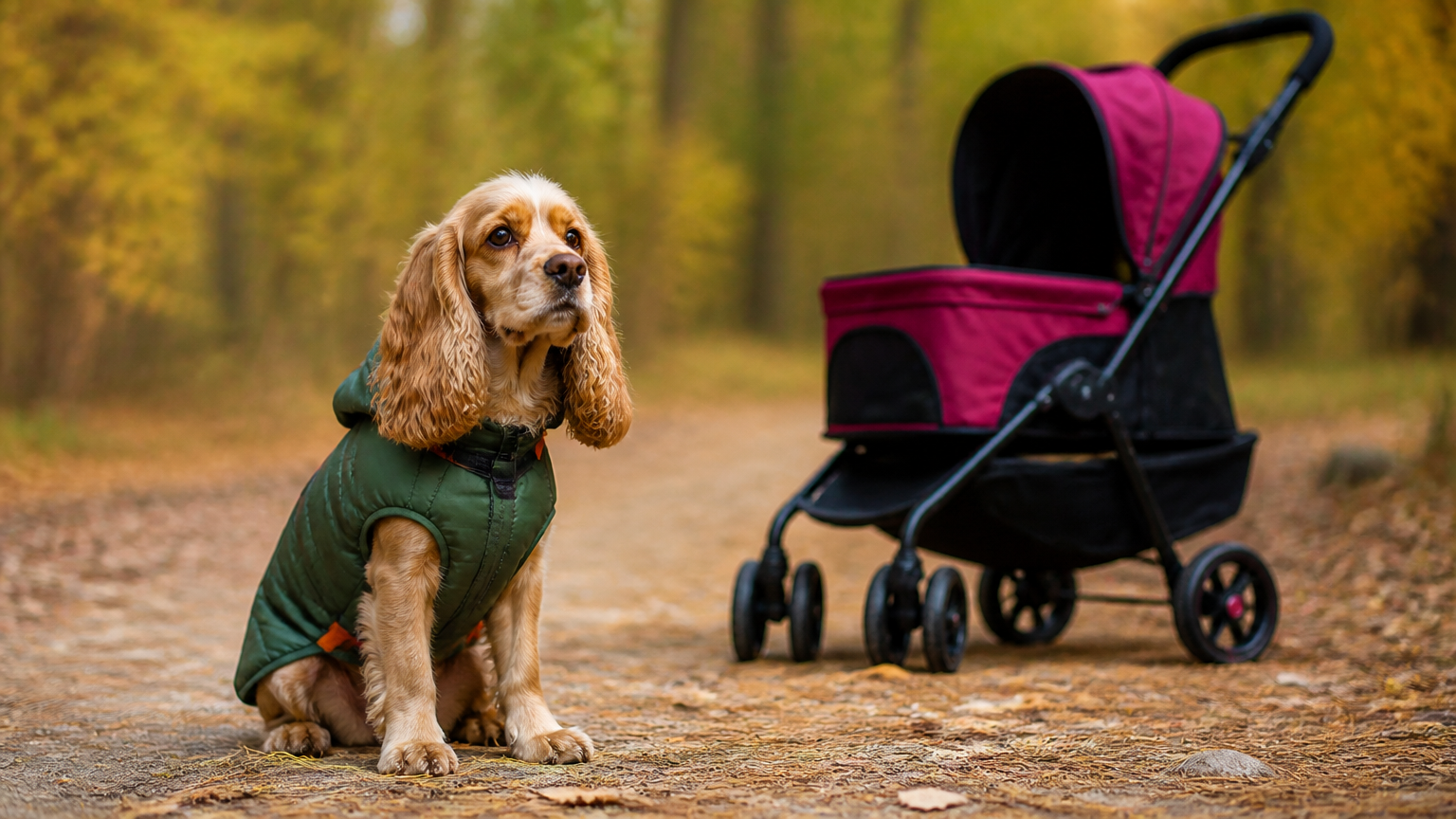
A coat can be useful for a small, short-haired, senior, or otherwise cold-sensitive dog. Measure your dog’s neck, chest, and back, then compare those measurements with the garment’s size guide. A size label alone will not tell you how it fits.
Look for coverage that allows your dog to walk, relieve themselves, and move their legs freely. Check for rubbing around the chest and legs, and make sure the coat works with your dog’s harness. Remove damp clothing when you come inside and dry it before the next outing.
Not every dog needs a coat. A thick-coated dog that is comfortable in the cold may become too warm in one, particularly during active exercise. If your dog dislikes clothing, keep outdoor trips shorter rather than forcing them to wear it.
Boots and Paw Care
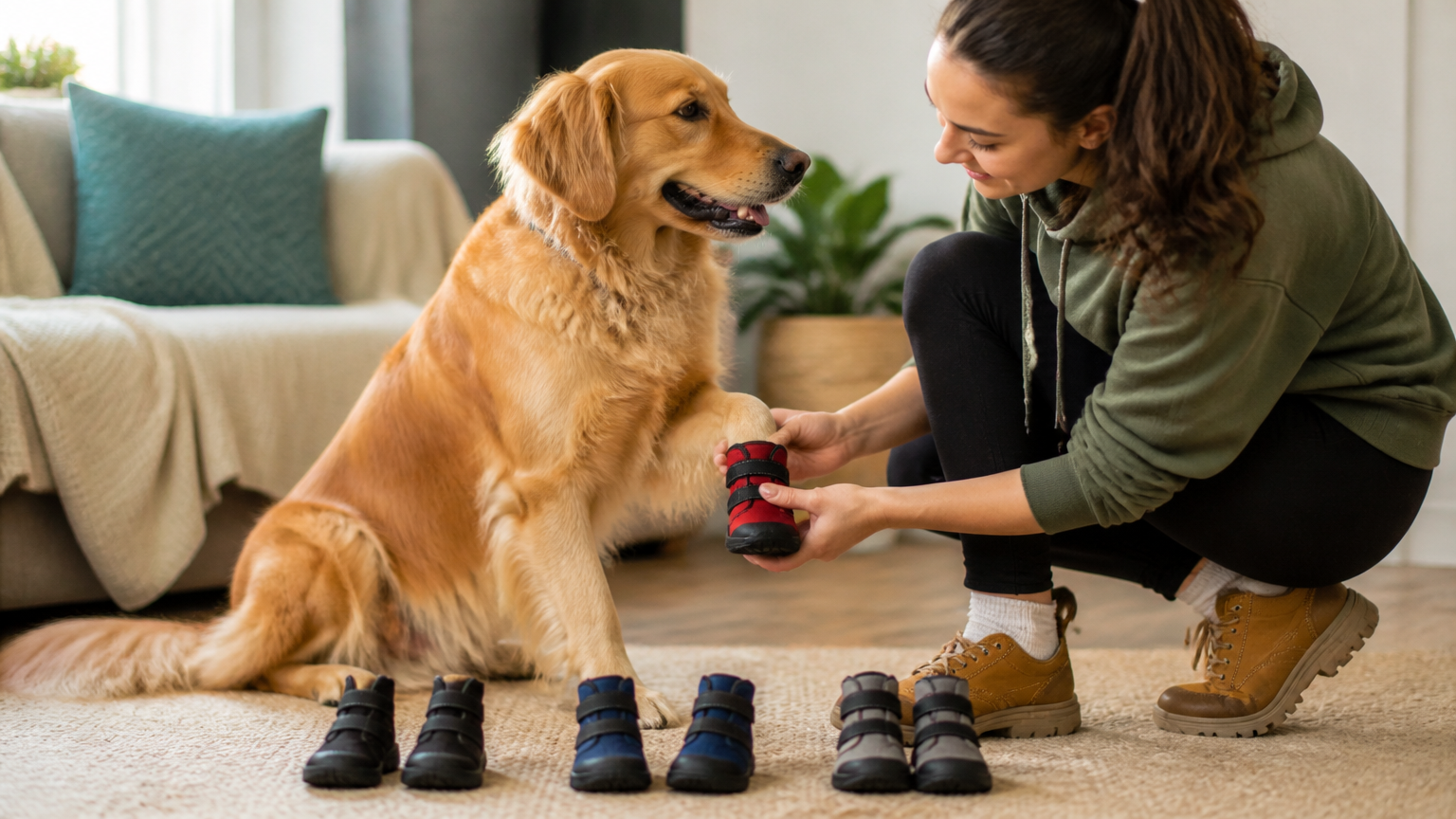
Boots can provide a barrier against ice, snow buildup, and de-icing chemicals. Introduce them indoors with short practice sessions and rewards, adding time gradually as your dog becomes comfortable walking.
Check that boots stay on without rubbing or restricting movement. A dog-safe paw protectant is another option to discuss with your veterinarian, but it does not provide the same coverage as a boot.
After each walk, wash or wipe your dog’s paws and belly, then dry them. The ASPCA recommends checking paw pads for cracks and the spaces between toes for redness. Remove snow caught between the pads, and contact your veterinarian about cuts, persistent irritation, or limping.
Make Home and the Yard Safer
Give your dog a warm, draft-free sleeping area with dry bedding. Place it away from a chilly floor if needed, and let your dog move to another comfortable spot.
Keep space heaters and fireplaces where your dog cannot get burned or knock equipment over. Clear a path in the yard for bathroom breaks, particularly if your dog has trouble balancing on snow or ice.
Store antifreeze and de-icing products out of reach, and clean up spills promptly. Antifreeze can be deadly if swallowed. If you suspect your dog has ingested it or another winter chemical, contact your veterinarian or an emergency veterinary service immediately.
Winter can change your dog’s activity level. A dog spending more time indoors may exercise less, while another may be more active outside. Ask your veterinarian about food portions if your dog’s activity or body condition changes rather than automatically adding food for the season.
For days when outdoor play is cut short, use indoor games that fit your space. Food puzzles, short training sessions, and gentle games can give your dog something to do between bathroom trips.
When Cold Exposure Is an Emergency
Prolonged cold exposure can cause hypothermia, a dangerous drop in body temperature, or frostbite, which damages tissue. Frostbite may be difficult to recognize at first and can affect exposed areas such as paws, ears, and the tail.
If your dog seems weak, confused, collapses, or has trouble breathing after cold exposure, move them indoors and contact an emergency veterinarian immediately. Wrap them in dry blankets for the trip. If they are wet, gently dry them first.
If you suspect frostbite, avoid rubbing the affected area or applying direct high heat. Contact your veterinarian promptly. The Red Cross advises immediate veterinary consultation for suspected hypothermia or frostbite.
Conclusion
Cold-weather care starts with a plan that suits your dog, not a promise that every dog can stay out for the same amount of time.
- Choose shorter, supervised outings when conditions are harsh.
- Adjust for your dog’s size, coat, age, health, and behavior.
- Check paws after walks and provide a warm indoor resting place.
Key Takeaway: A coat or thick fur can help, but neither replaces supervision or a warm place indoors.
For your next outing, explore our seasonal dog apparel and choose gear that fits your dog’s measurements and the weather you face.
FAQ
Can dogs go outside in cold weather?
Yes. Many dogs can go outside for bathroom breaks and walks, provided the outing suits the dog and the conditions. Supervise them and bring them in if they show signs of discomfort.
How long can a dog walk in cold weather?
There is no universal safe walking time. Start close to home, shorten the route in wind, wet weather, or extreme cold, and turn back if your dog shivers, lifts their paws, or slows down.
Can a husky sleep outside in cold weather?
Huskies generally tolerate cold better than many thin-coated dogs, but their coats do not protect them from every winter hazard. A warm indoor sleeping place is the safer choice, especially during severe weather or if your dog is young, older, or unwell.
Do dogs get cold at 40°F or 50°F?
They can. A small or short-haired dog may feel cold at either temperature, particularly in wind or rain, while another dog may be comfortable. Watch your dog and adjust the outing rather than relying on the thermometer alone.


- Site & Contents BaxterBoo.com. BaxterBoo is located in the United States.
- Privacy & Security
- Terms of Use
- Accessibility Statement
